
Many plants in Latin America, Africa and Central Asia run on lines that are 15 or 20 years old. Power and gas bills keep rising, stoppages are found late, and nobody knows exactly which line or shift uses the most energy. The usual first answer is "install solar panels". Solar can help, but it does not remove the waste inside the plant. The bigger saving comes from seeing and fixing that waste, which is what a smart-factory upgrade does.
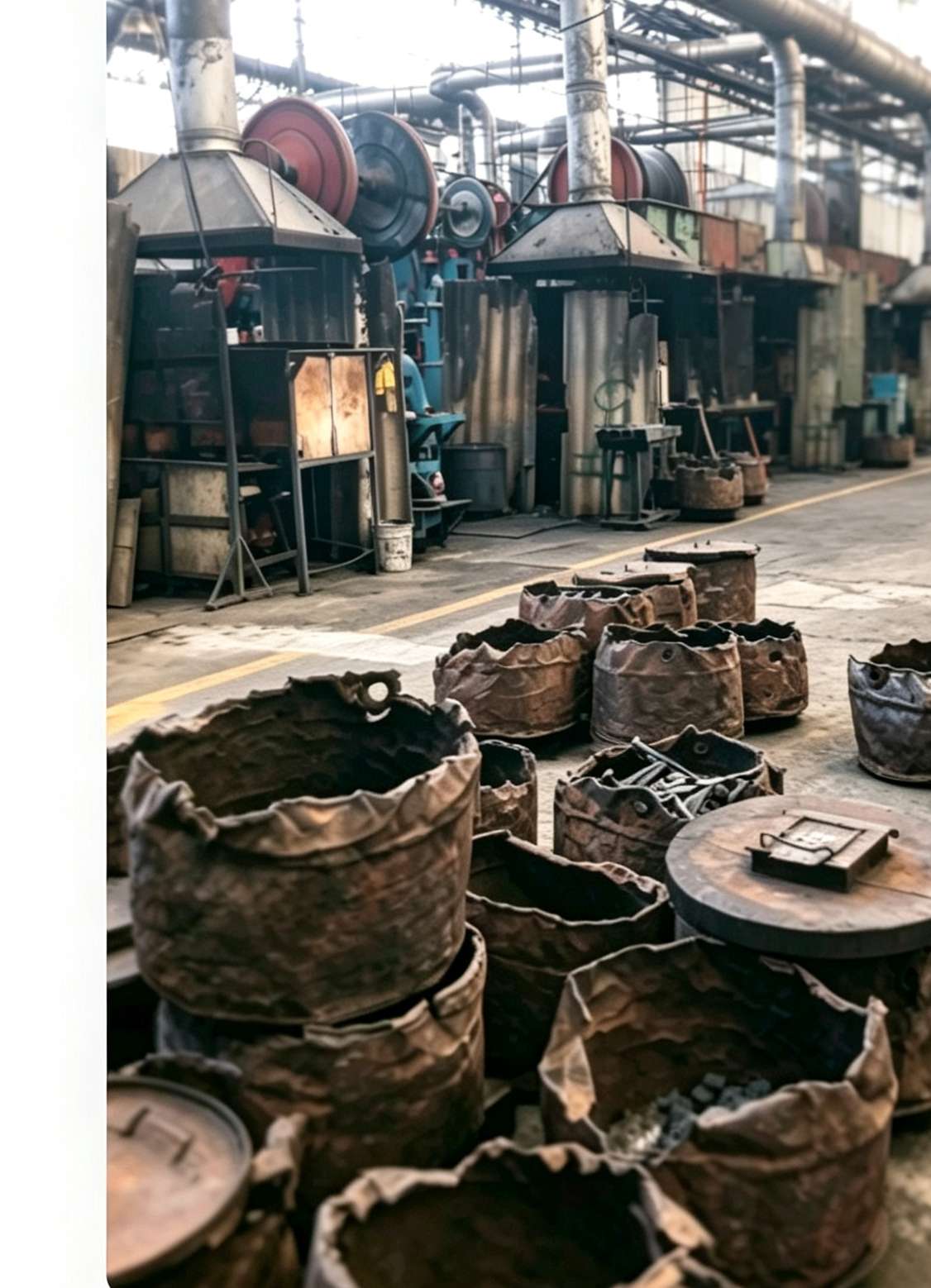
Where the waste hides in an older plant
- Machines and conveyors running empty between batches
- Unplanned stoppages that are noticed only at the end of the shift
- Compressed air, steam and water leaks
- Motors and fans running at full speed when the load is low
- Peak demand charges caused by starting large loads at the same time
- Raw material and finished goods sitting in the wrong place, causing rework and extra handling
None of these show up clearly on a monthly utility bill. They show up only when each line, machine and utility is measured.
What a smart-factory layer does
| Function | What it does in the plant |
|---|---|
| AI line monitoring | Cameras and sensors follow feed, machine rhythm and quality, and raise an alert when something drifts |
| Feed and warehouse control | Raw-material intake, stock and dispatch tracked in real time, with fewer shortages and less excess stock |
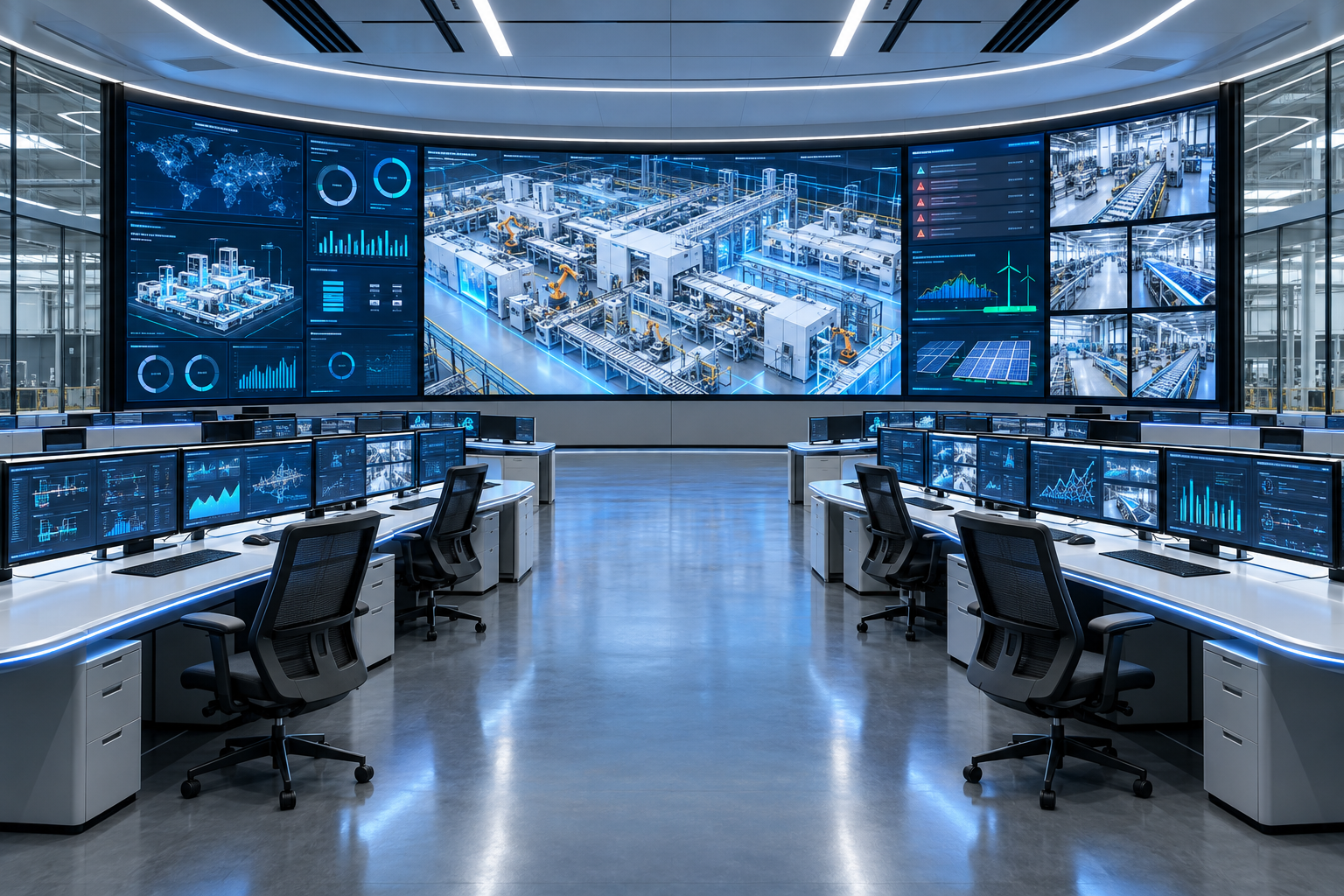
| Real-time data on one screen | All lines, machines and utilities connected to one dashboard, so bottlenecks and stoppages are visible as they happen |
| Production safety | Alarms for temperature, pressure, gas leaks and equipment faults before they become accidents or long stoppages |
| Unified power, water and gas control | Consumption measured per line and per shift; production planned to avoid peaks and waste |
With these measures, the target is a saving of 25% or more in energy, water and gas use, confirmed after the initial metering of the plant. We do not promise a fixed figure before that baseline exists.
How a typical upgrade runs
- Initial metering (baseline): meters on the main lines and utilities for several weeks, plus a site survey.
- Quick fixes: leaks, idle running, wrong set points and simple controls.
- Smart-factory layer: sensors, AI line monitoring, warehouse tracking and the one-screen dashboard.
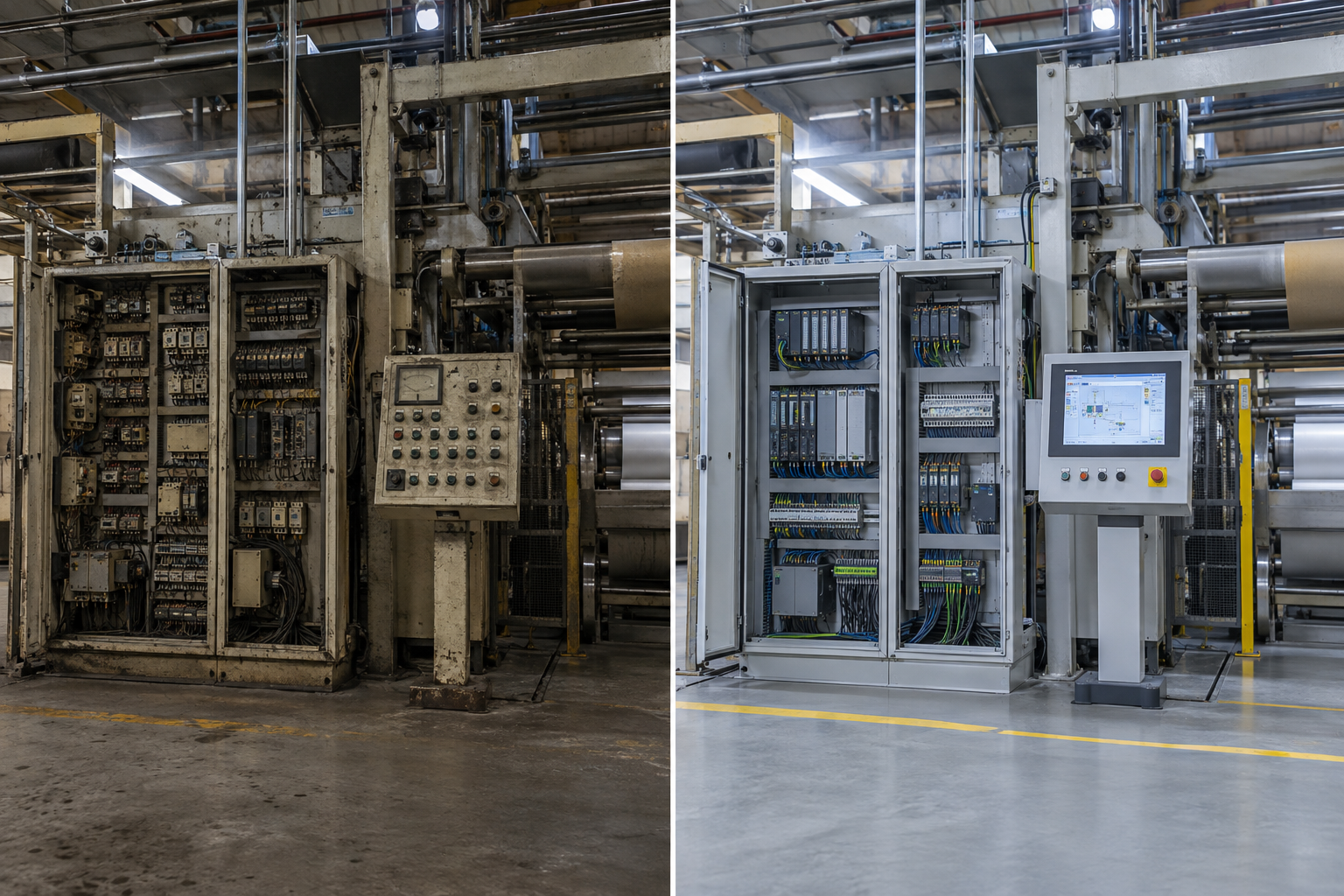
- Equipment upgrades where the data shows losses: drives on motors and fans, heat recovery on ovens, dryers, boilers and compressors, line automation.
- Optional energy supply: solar and storage sized on the measured load.
The work is phased around planned shutdowns, so the plant keeps producing during most of the project.
Solar, storage and solar thermal as integrated features
Once waste is removed, the plant needs less energy, and solar can be sized correctly instead of oversized. We integrate:
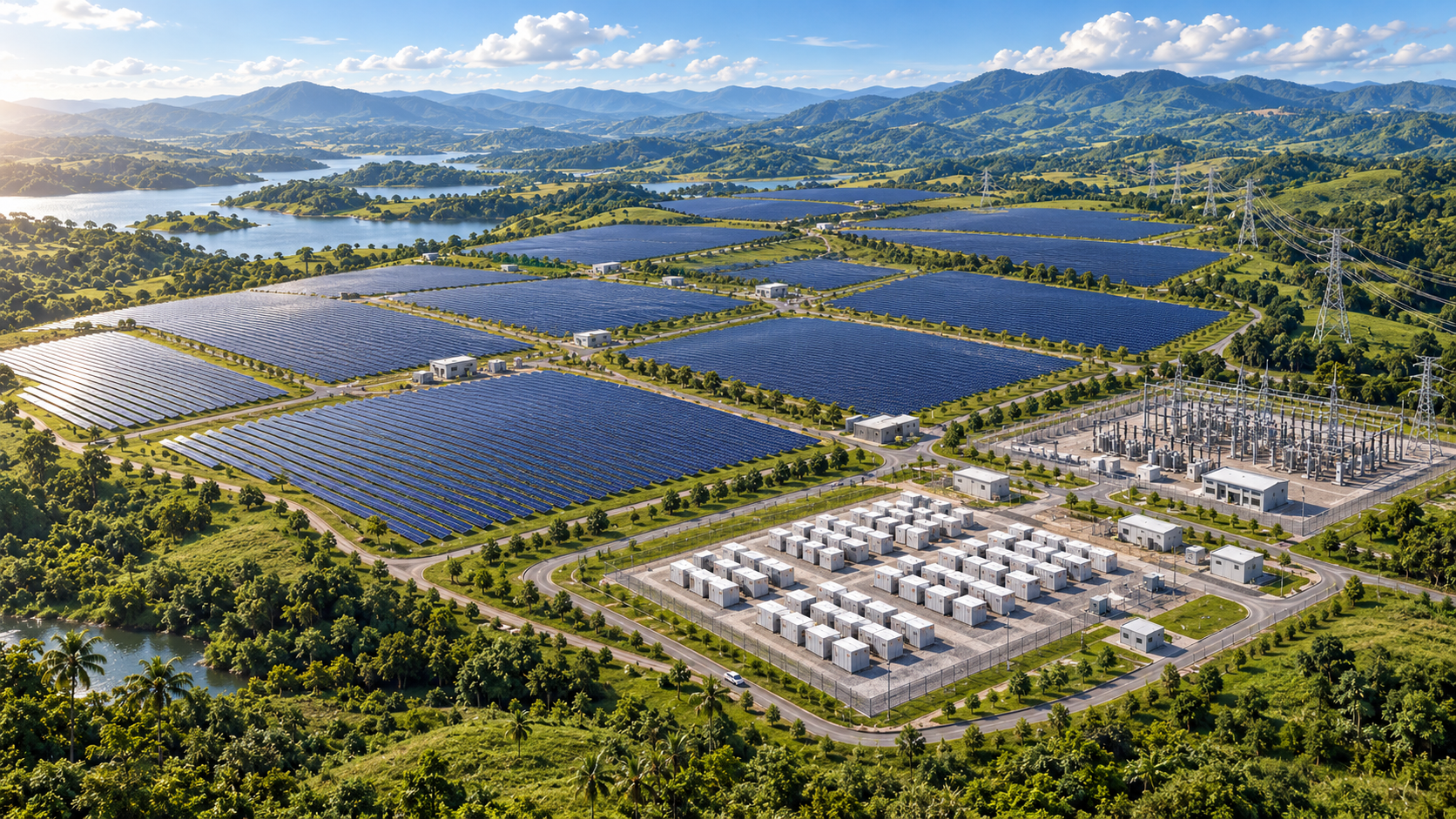
- Solar management: rooftop or ground-mounted solar linked to the same dashboard, so production can be planned around solar hours.
- Solar plus storage: batteries to cut peak demand charges and cover short grid interruptions.
- Solar thermal: hot water or pre-heating for washing, cleaning and process heat, common in food, beverage and textile plants.
Solar is an option inside the project, not the starting point.
Which plants benefit most
Food and beverage plants, feed mills, foundries, brick and ceramic plants, plastics and recycling plants, textile plants and any site with ovens, dryers, boilers, compressors or large motors. Older plants usually have the largest potential.
For the full step-by-step story of one upgrade, see our guide *From old factory to green factory*. For the monitoring system itself, see our smart and intelligent solutions.
What to send us for an assessment
- Type of plant and products
- Current and target capacity
- List of main equipment and their age
- Power, water and gas bills for the last 6–12 months
- A simple site layout
Request a technical assessment of your plant
Frequently asked questions
How much energy can an older factory save?
With smart monitoring of production and unified control of power, water and gas, the target is 25% or more against the consumption measured at the start. Older plants usually have the largest potential. The exact figure is confirmed after the initial metering.
Is energy saving the same as installing solar?
No. Most of the saving comes from seeing and fixing waste: idle running, unplanned stoppages, leaks of compressed air, steam and water, peak loads and missing control per line. Solar is an optional step that comes after.
How does AI help on a production line?
Cameras and sensors follow raw-material feed, machine behaviour and product quality. The system detects drift, bottlenecks and faults in real time and alerts the team before a problem becomes a stoppage or lost output.
Do we have to stop production for the upgrade?
Usually not for long. The work is planned in phases around scheduled shutdowns, so the plant keeps running for most of the project.
What is the one-screen dashboard?
One display that brings together production, stock, safety alarms and the use of power, water, gas and steam per line and per shift. The team uses it to find waste and stoppages, plan production and track the savings achieved.
Does the system also improve safety?
Yes. Temperature, pressure, gas-leak and equipment-fault alarms are on the same dashboard with an event log. This reduces accidents, long stoppages and equipment damage.
Where does solar fit in?
After metering. First the smart-factory layer removes waste; then, if it makes sense, solar, storage or solar thermal are sized from the real load.
Is it better to upgrade the existing plant or build a new one?
It depends on the condition of equipment, buildings and utilities and on the capacity you need. A site assessment shows what can be kept and what should be replaced.
Can the system work with our existing machines from different suppliers?
In most cases yes. Sensors and meters are added to existing machines, and the data is brought into one dashboard. Where a machine has its own controller, we connect to it where possible.
How long does the initial metering take?
Usually several weeks, so that normal production, different shifts and different products are covered. A short survey on site comes first.
What does an upgrade cost?
It depends on plant size, the number of lines and utilities, and how much equipment needs to change. We do not publish generic prices; the budget is prepared from your real data.
Do you deliver the full project?
Yes. We handle design, equipment, installation, commissioning and training, as one contractor responsible for the whole upgrade, and we provide remote support afterwards using the plant's own data.
=====================================================================