
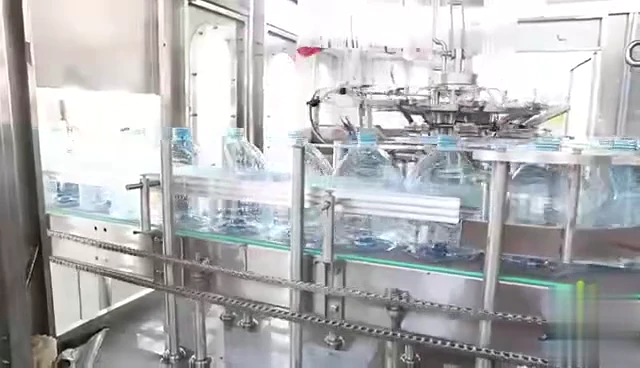
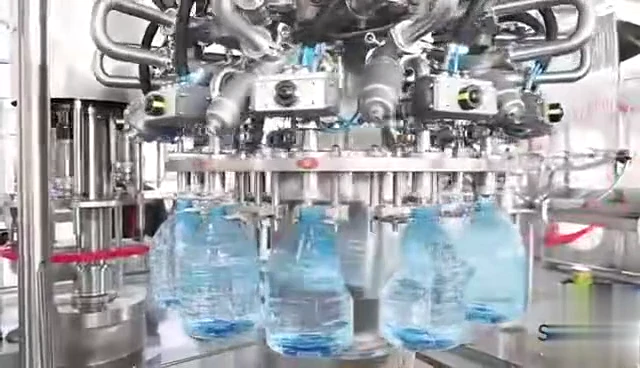
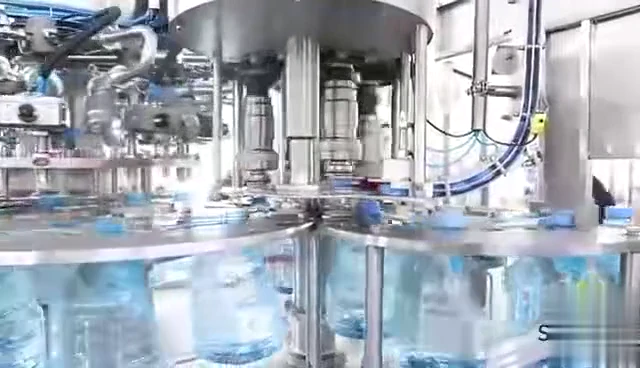
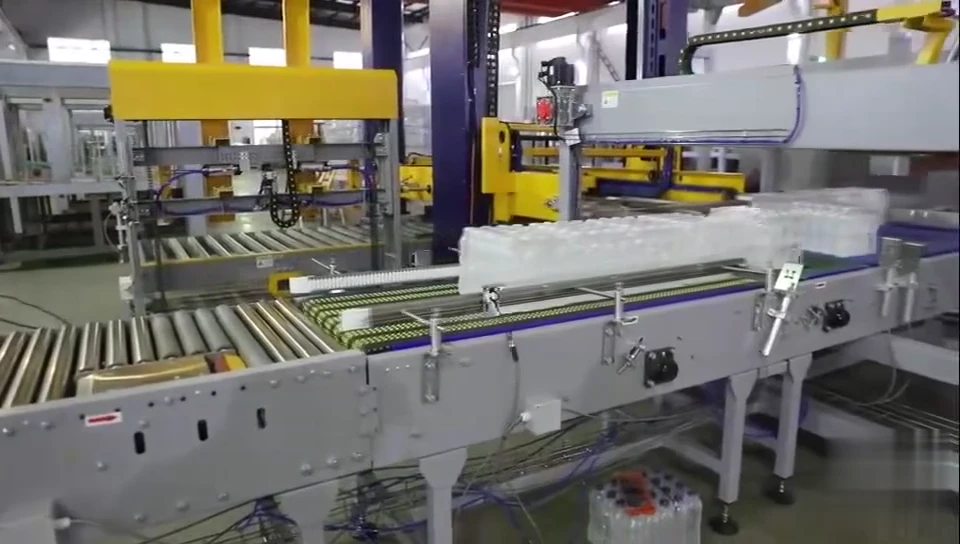
A completed 3,000 BPH bottled-water production line in Bulgaria. The retained real project images document installed equipment; public evidence supports integrated line delivery but does not establish aseptic design or any certification claim.
- Country / Location
- Bulgaria
- Capacity / Scale
- 3,000 BPH
- Project Status
- COMPLETED
- Related Solution
- Turnkey Factory EPC
Project Background and Engineering Challenge
A bottling line must balance water supply, container preparation, filling, capping and downstream handling so that one stage does not repeatedly starve or block another. Hygiene controls, utilities and operator access must be resolved with the actual product and package specification.
Feed / Input Conditions
Design inputs include treated-water characteristics, bottle and cap formats, nominal volume, packaging pattern, operating hours and cleaning requirements. The water-treatment boundary and any bottle-blowing interface must be explicitly assigned.
Process / System Architecture
- Water-treatment interface and hygienic product transfer to the filling section
- Bottle supply or blowing interface aligned with the confirmed container format
- Filling and capping sequence integrated around the 3,000 BPH design basis
- Downstream conveying, inspection and packaging interfaces balanced with upstream output
Equipment, Utilities, Controls and Interfaces
- Compressed air, electrical supply, water services and drainage confirmed by equipment load
- PLC/HMI operating modes, alarms and coordinated stop/start sequences
- Cleanable product-contact routing and access based on the agreed hygiene plan
- Upstream and downstream responsibility matrix for complete-line integration
Operating Considerations
Operators need defined sanitation, startup, changeover and fault-recovery procedures. Line balancing should account for short stops and accumulation without implying an unverified net production efficiency.
Installation, Commissioning and Acceptance
FAT and SAT concepts can cover equipment checks, I/O, recipes, safety circuits and coordinated operation. Site acceptance should use the agreed bottle, cap and water conditions to verify the 3,000 BPH design basis and product-handling quality.
Project Evidence
Verified public evidence confirms Bulgaria, COMPLETED status and 3,000 BPH. Four approved real project images are preserved through the existing media records.
Verified Project Gallery
Engineering Lessons
The main integration risk is at interfaces: treated water, bottle supply, compressed air, conveyor balance, controls and downstream packaging must be specified as one operating system.
Customer Inputs for Similar Projects
- Bottle volumes, geometry and cap specification
- Raw and treated-water data plus treatment boundary
- Packaging format and downstream equipment
- Utility quality, pressure and available capacity
- Hygiene, cleaning and acceptance requirements
Related China Bente Capability
Related Projects
Frequently Asked Questions
What is the verified production rate?
The approved design basis is 3,000 BPH, meaning 3,000 bottles per hour.
Where was the line delivered?
The completed project is in Bulgaria.
Is the line described as aseptic?
No. Aseptic design is not verified in the approved public evidence.
What bottle data is needed for a similar line?
Bottle volume, geometry, neck finish, cap, material and packaging format are required.
How does water treatment connect to the line?
The treatment outlet, storage, hygienic transfer and responsibility boundary must match filling requirements.
Why is line balancing necessary?
Blowing or bottle supply, filling, capping, conveying and packaging must exchange product without repeated starvation or blockage.
Which utilities are typically coordinated?
The confirmed equipment list determines electricity, compressed air, water services and drainage requirements.
What can FAT and SAT cover?
They can cover safety, I/O, operating modes, alarms, format handling and coordinated trials under agreed conditions.
Are the existing project images preserved?
Yes. All approved real images remain attached and unchanged.