
A completed smart-logistics sorting line in Zhejiang, China, designed around a verified throughput of 20,000 bags per hour. Approved project images show the installed conveying and sorting equipment; the public record does not claim AI, machine learning or predictive performance.
- Country / Location
- Zhejiang, China
- Capacity / Scale
- 20,000 Bags/Hour
- Project Status
- COMPLETED
- Related Solution
- SMART Solutions
Project Background and Engineering Challenge
High item counts require synchronized conveyor zones, reliable identification hand-offs and controlled discharge timing. The engineering task is to keep the stated bag rate meaningful across induction, transport, sorting and downstream accumulation rather than treating one machine speed as whole-line capacity.
Feed / Input Conditions
Bag dimensions, weight range, surface condition, label or code quality, arrival peaks and exception items determine induction spacing and identification reliability. These parameters must be agreed before layout and control logic are frozen.
Process / System Architecture
- Induction and spacing arranged to create readable, trackable items
- Conveyor zones coordinated through a common control sequence
- Identification and destination logic connected to the verified sorting scope
- Discharge lanes and downstream accumulation sized around operating peaks
Equipment, Utilities, Controls and Interfaces
- PLC and HMI functions for modes, alarms, line status and manual recovery
- Interfaces for upstream induction and downstream handling equipment
- Photoelectric or other verified sensing points with maintainable access
- Expansion allowances defined through spare I/O, physical space and routing rules where required
Operating Considerations
Operational planning should cover unreadable items, jams, blocked destinations, restart sequences and manual exception handling. Performance reporting must distinguish instantaneous equipment speed from sustained accepted bags per hour.
Installation, Commissioning and Acceptance
Commissioning should test each conveyor zone, sensor hand-off, destination command, alarm and recovery procedure before integrated rate trials. Acceptance can verify the agreed 20,000 Bags/Hour basis, routing accuracy under the approved test method and safe recovery from faults.
Project Evidence
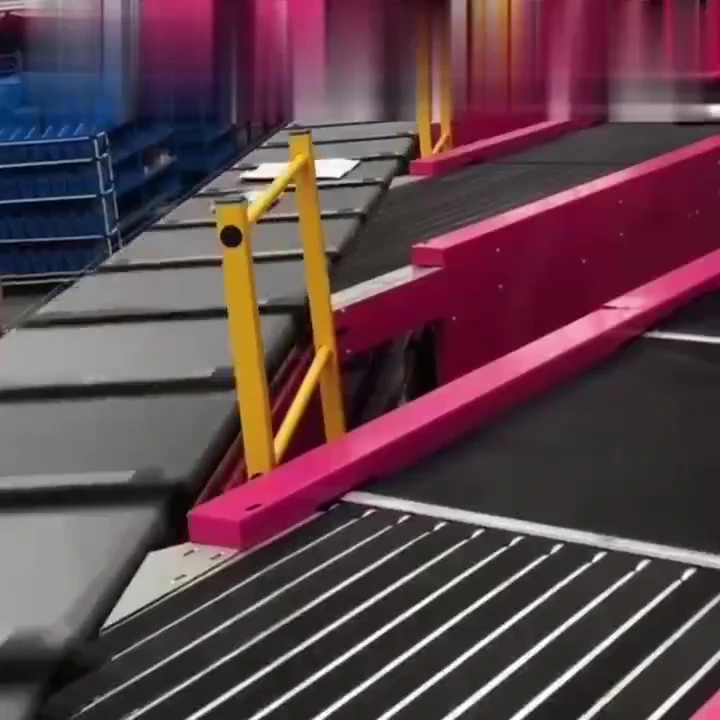
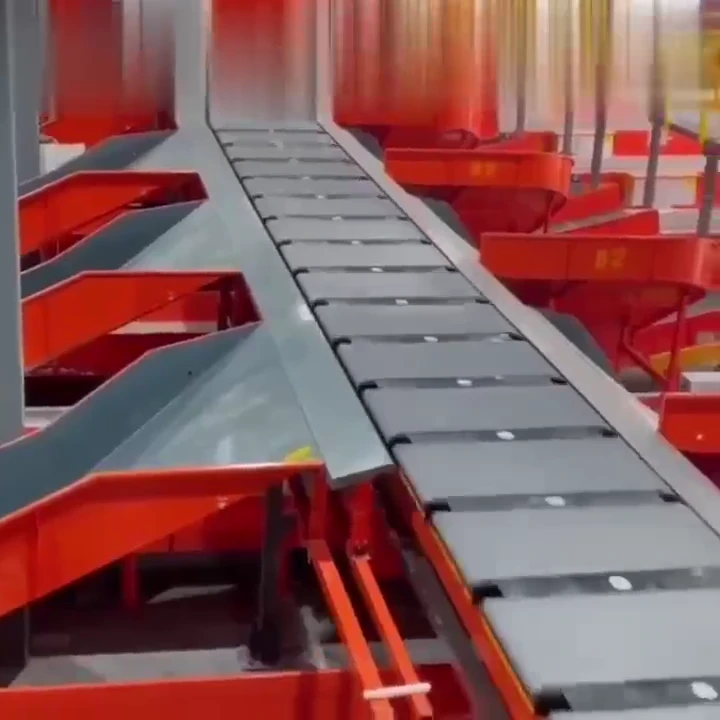
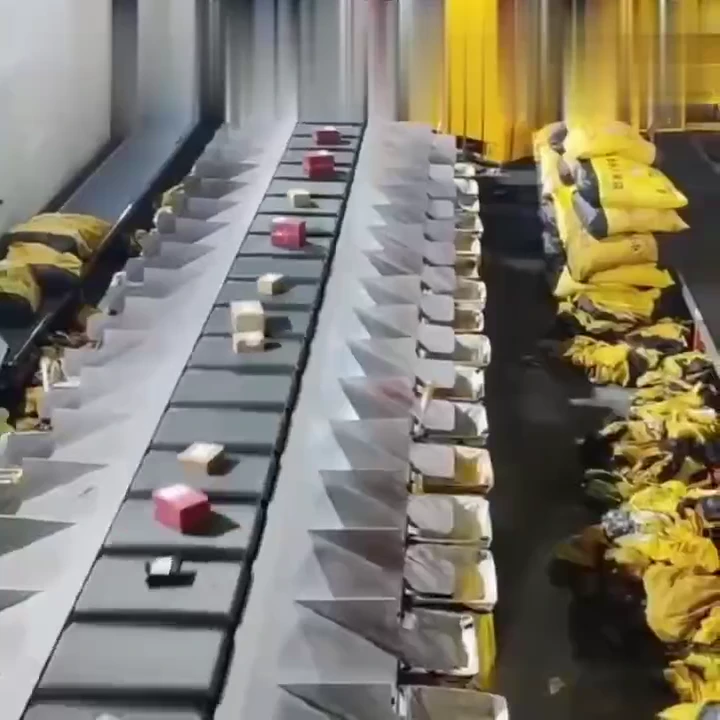
Verified public evidence confirms Zhejiang, completed status and 20,000 Bags/Hour. Three approved real project images are retained by the existing media records.
Verified Project Gallery
Engineering Lessons
Sorting performance depends on the full information-and-material chain: item presentation, readable identification, deterministic tracking, discharge availability and exception handling.
Customer Inputs for Similar Projects
- Bag size and weight ranges
- Arrival profile and peak-to-average ratio
- Identification method and data interface
- Destination count and downstream accumulation
- Required operating reports and fault-recovery rules
Related China Bente Capability
Related Projects
Frequently Asked Questions
What is the verified throughput?
The verified project capacity is 20,000 Bags/Hour.
Where is the project located?
The completed line is in Zhejiang, China.
Does this case study claim AI sorting?
No. The approved record supports automated conveying and sorting, but it does not verify AI or machine-learning claims.
What defines whole-line throughput?
Sustained throughput depends on induction, spacing, identification, routing, discharge availability and exception handling working together.
What information is needed about each bag?
A similar design needs size and weight ranges, arrival pattern, identification method, handling restrictions and destination rules.
How are faults handled?
The control philosophy should define alarms, safe stops, jam recovery, unreadable-item routing and restart sequences.
Can the line be expanded?
Expansion must be planned through physical space, conveyor interfaces, destination logic and control I/O; the final allowance is project-specific.
How is acceptance tested?
Acceptance should use an agreed sample, operating period and routing method to verify throughput, correct destinations, alarms and recovery behavior.
Are real project images retained?
Yes. The approved existing project images remain attached and unchanged.