
SMART AGRICULTURE — EXTENDED SCOPE
Irrigation, field weather, soil, pest, spore and water-quality monitoring connected to local control and farm supervision.
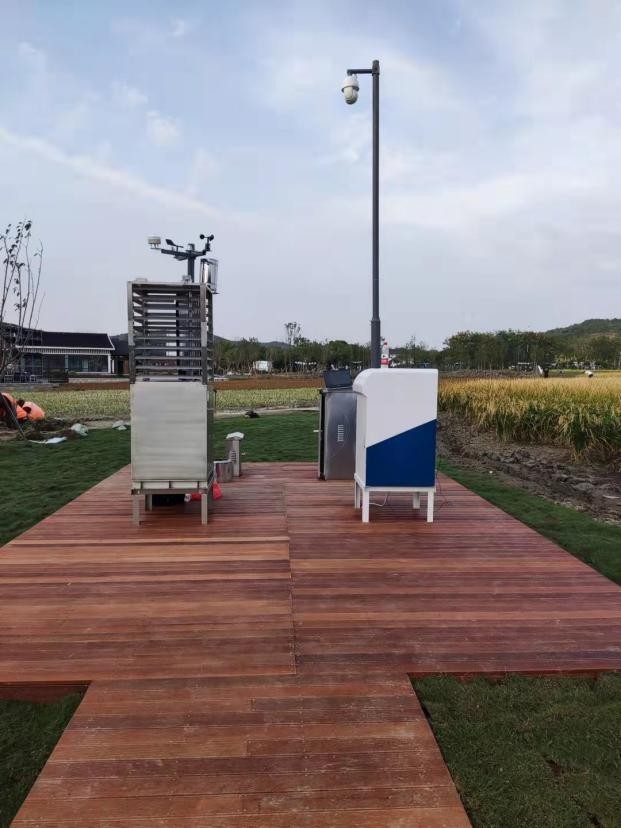
Agricultural meteorological monitoring
Local weather measurements provide the operating context for irrigation, crop protection and alarm workflows.
- Temperature, humidity and rainfall
- Wind and solar conditions where required
- Calibration, cleaning and maintenance access
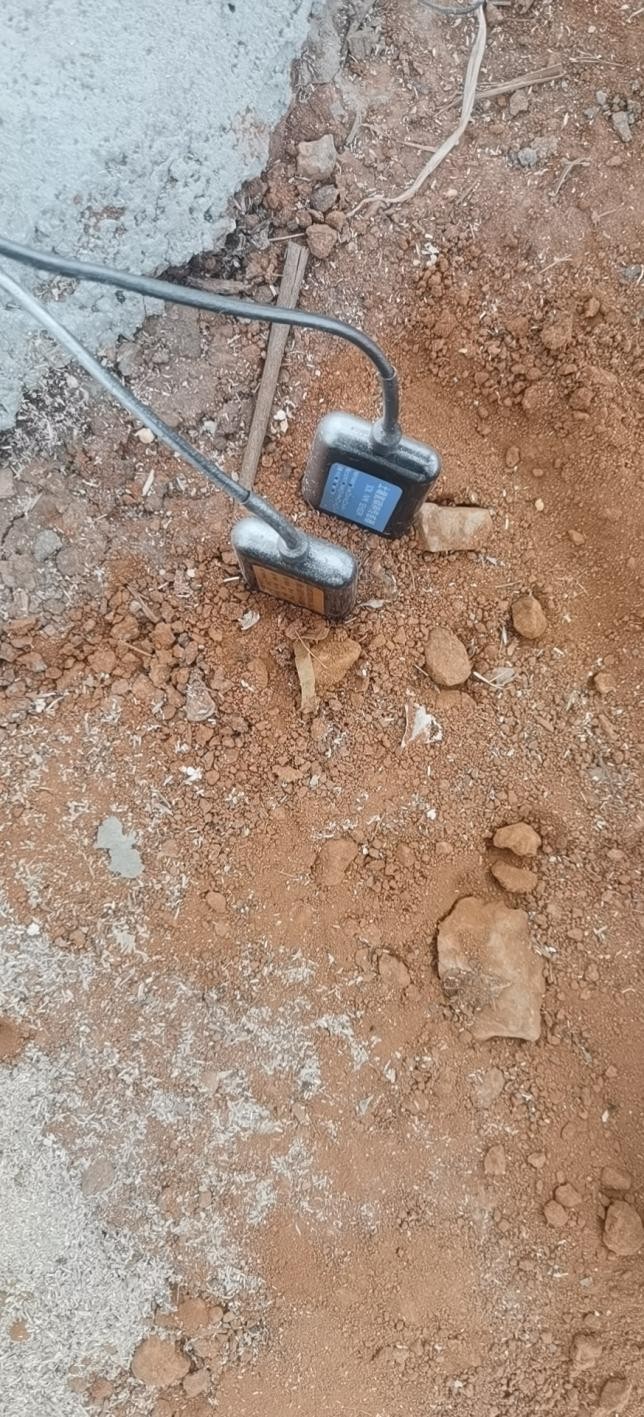
Soil moisture installation
Sensor depth and density follow crop root zone, soil type, irrigation method, terrain and representative management areas.
- Representative sampling zones
- Installation depth and cable protection
- Validation against field observations
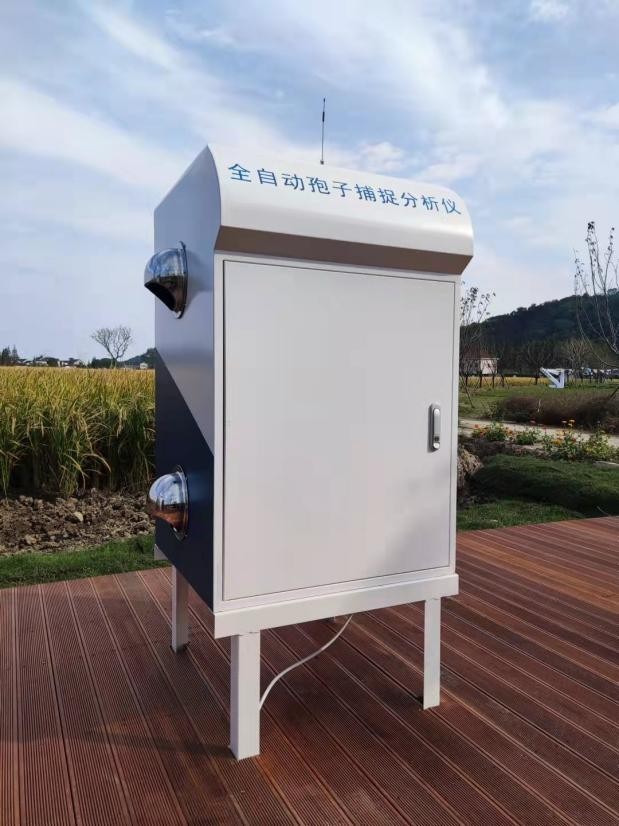
Pest and spore monitoring
Pest traps, spore capture, images and environmental records support early observation and agronomic review rather than replacing it.
- Target pest or disease indicators
- Capture, imaging and review interval
- Alert responsibility and response record
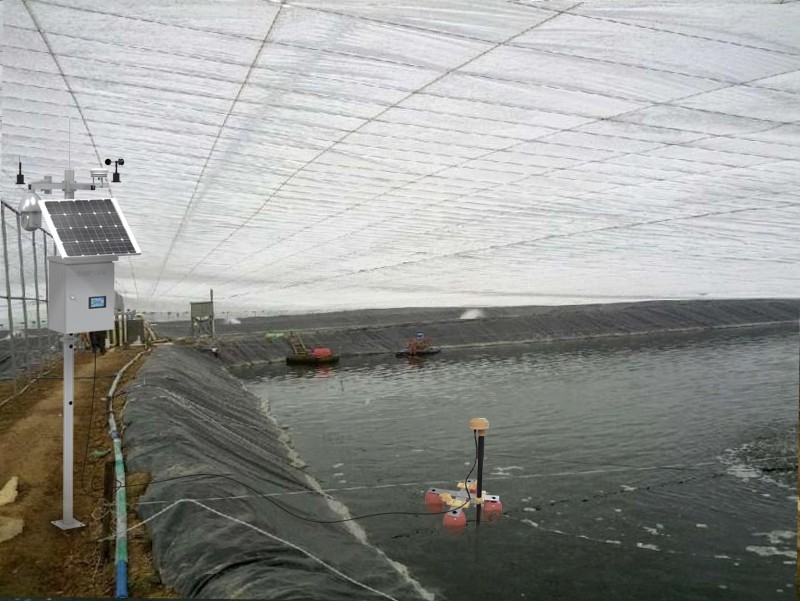
Water and aquaculture monitoring
Source water, reservoirs and ponds can be monitored for the variables required by the production process, with interfaces to pumping, aeration or water exchange.
- Applicable water-quality variables
- Pump, aeration and standby-power interfaces
- Alarm escalation and operator confirmation
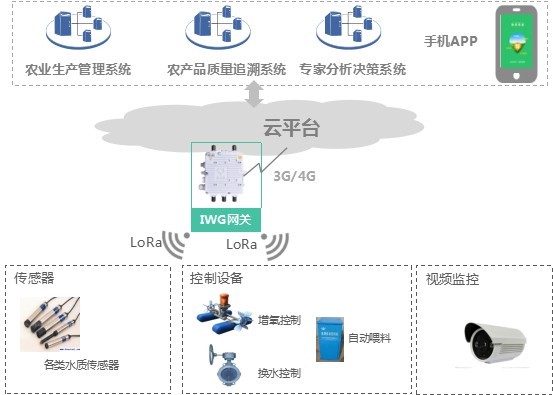
Irrigation-control architecture
Flow, pressure, level, soil moisture and valve status are connected to local control and the central platform. Essential operation remains local if communications are lost.
- Schedule, volume, threshold and manual modes
- Leakage and valve-fault logic
- Daily, weekly and monthly zone reports
Frequently asked questions
Which field measurements are normally considered?
Soil moisture and temperature, air temperature and humidity, rainfall, wind, solar conditions, flow, pressure, reservoir level and selected water-quality variables.
How are irrigation zones controlled?
By approved schedule, target water volume, soil-moisture threshold or operator command, subject to local pressure and flow interlocks.
How can leakage be detected?
Abnormal minimum flow, flow after valve closure, pressure loss or a mismatch between source and zone meters can generate an investigation alarm.
How are sensor quantities determined?
From crop and soil zones, terrain, hydraulic layout, radio survey, required control accuracy and maintenance access.
Can solar power support remote stations?
Yes, after the station load, autonomy, battery, climate, enclosure and maintenance requirements are calculated.
Define the system from the operating requirement
Share the site, process, equipment, users, data interfaces, constraints and acceptance objectives.
Request Project Evaluation →