
SMART AGRICULTURE — EXTENDED SCOPE
Greenhouse and open-field monitoring, local control and irrigation automation connected through the farm data architecture.
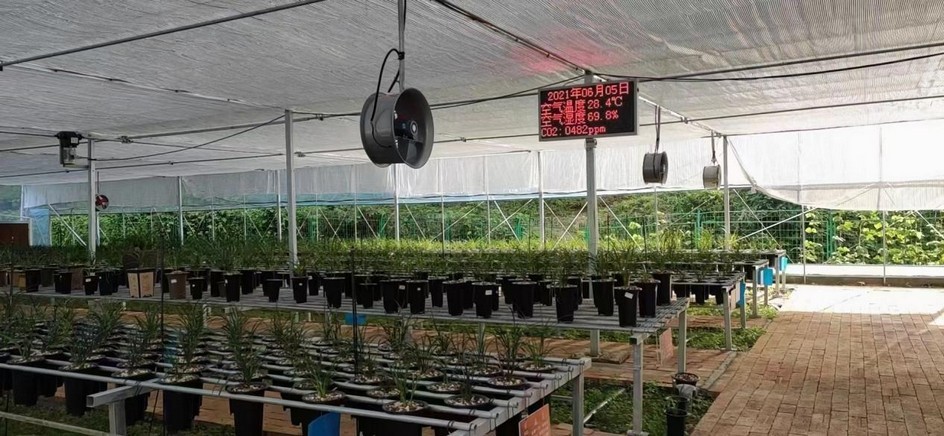
Greenhouse climate and crop environment
Air temperature and humidity, soil temperature and moisture, carbon dioxide, illuminance and selected crop indicators establish the operating state for each greenhouse zone.
- Climate and crop-zone definition
- Alarm limits and sensor maintenance
- Historical trends and production records
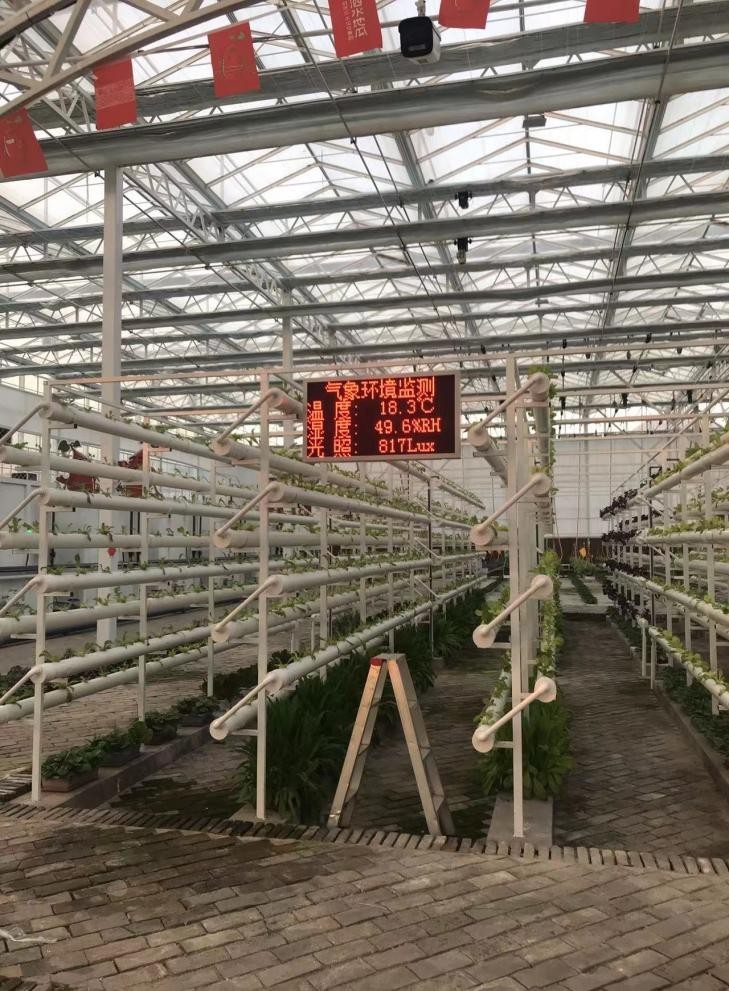
Ventilation, shading and local control
Local controllers coordinate ventilation, shading, lighting, irrigation and approved electrical loads while retaining manual operation and fail-safe behavior.
- Local PLC or greenhouse controller
- Manual mode and communication-loss behavior
- Equipment status, alarms and interlocks
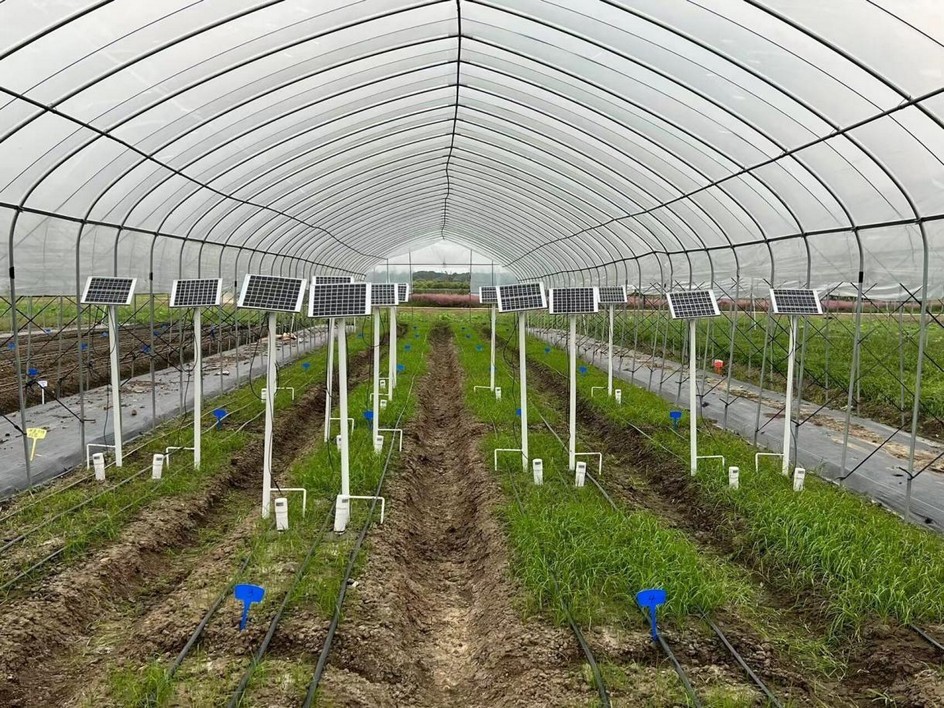
Irrigation and soil-zone control
Irrigation is divided by crop, soil and hydraulic zone. Schedules, target volumes or soil-moisture thresholds can initiate control within pressure, flow and reservoir limits.
- Drip-zone valves and flow verification
- Pressure and filter condition
- Fertigation interface where required
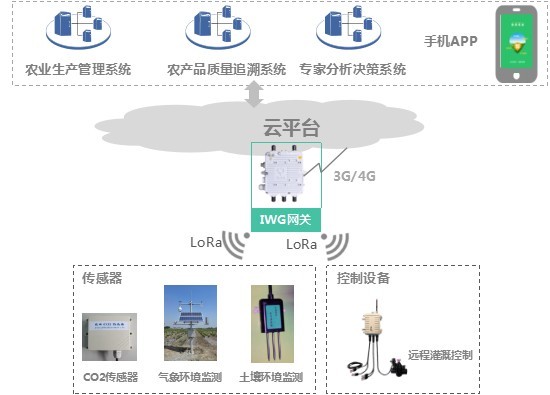
Open-field monitoring architecture
Open-field sensors and control nodes connect through field gateways and the available backhaul to farm monitoring, traceability and decision-support applications.
- LoRa field coverage and gateway survey
- Local control and data buffering
- Web, mobile and control-room access
Frequently asked questions
Which greenhouse variables can be monitored?
Typical inputs include air and soil temperature, humidity, carbon dioxide, illuminance, soil moisture and salinity, with the final list defined by crop and production method.
Can ventilation, shading and irrigation be controlled automatically?
Yes. Local PLC or control panels can execute approved schedules, thresholds and interlocks while retaining manual operation and alarm handling.
What is required for open-field control?
Crop zones, soil conditions, irrigation method, water source, flow and pressure data, valve layout, communications coverage and operating responsibility.
Does the system continue if the cloud connection fails?
Essential local control continues through PLC or RTU logic, with data buffered for later synchronization where designed.
Can existing irrigation networks remain?
They can remain when hydraulic capacity, equipment condition, controllability and safe operating limits are verified.
Define the system from the operating requirement
Share the site, process, equipment, users, data interfaces, constraints and acceptance objectives.
Request Project Evaluation →