
SMART AGRICULTURE — EXTENDED SCOPE
Livestock positioning, farm communications, field gateways and platform functions for connected agricultural operations.
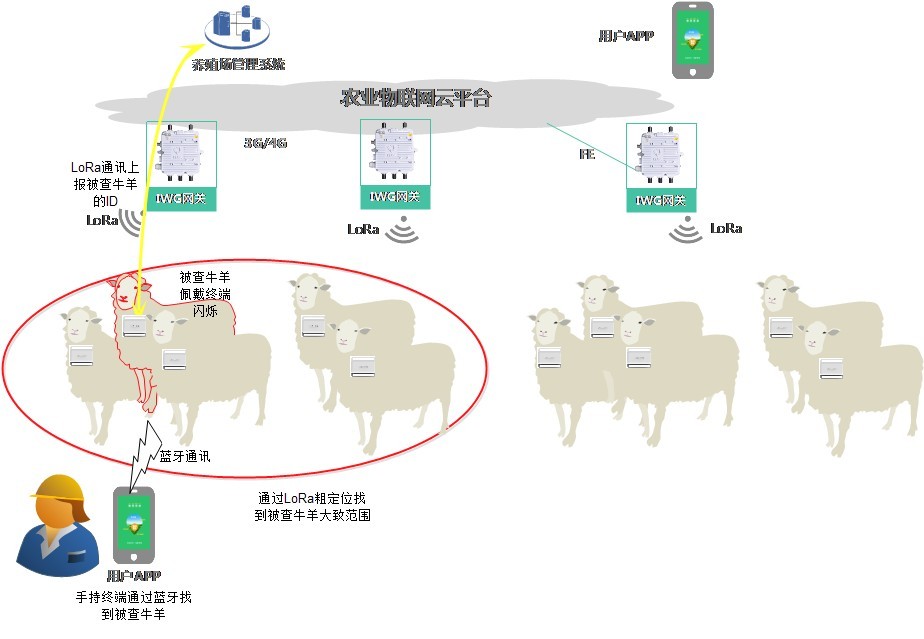
Livestock positioning architecture
Animal tags, beacons and field gateways support zone presence, movement and electronic-fence events where coverage and accuracy are confirmed.
- Required positioning zones and event rules
- Gateway coverage and communication path
- Tag identification, battery and maintenance cycle
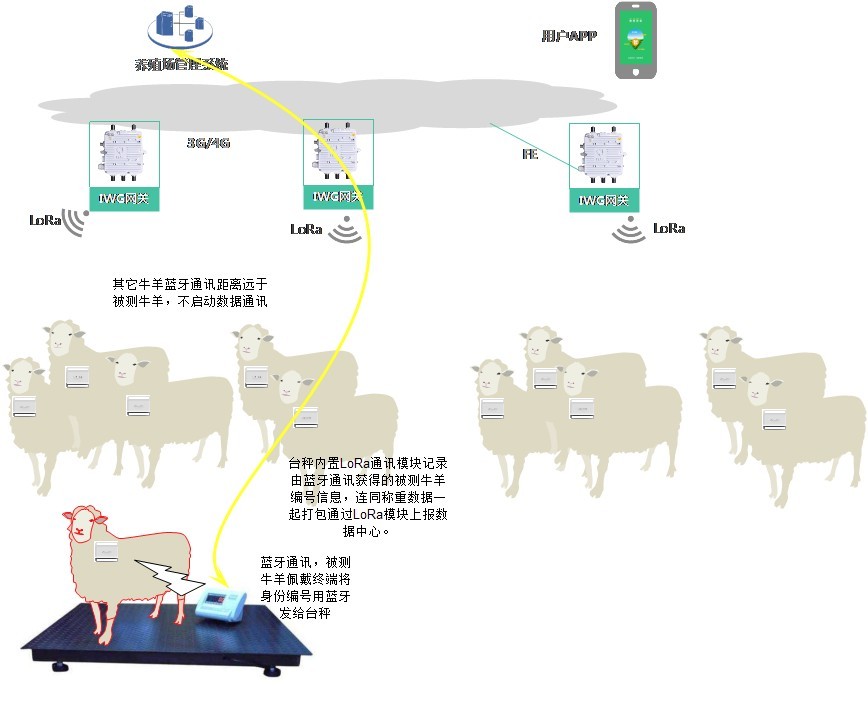
Positioning and alert workflow
Position and activity records can support observation, missing-animal alerts and controlled movement between defined areas.
- Animal identity and history
- Electronic-fence and inactivity events
- Authorized review and response
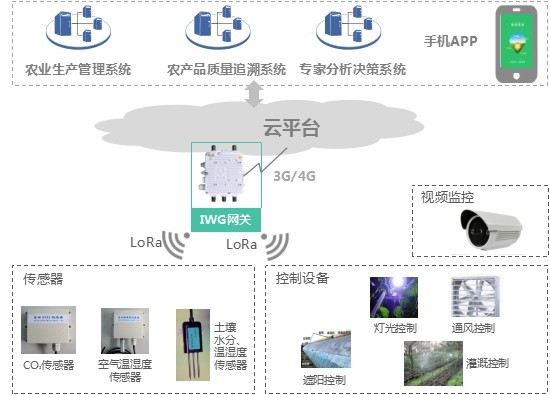
Farm data and application layer
The platform receives sensor and control data through the selected farm network and provides trends, alarms, user permissions and approved application interfaces.
- Terminal registration and data storage
- Encryption, access and audit trail
- Production, traceability and decision-support applications
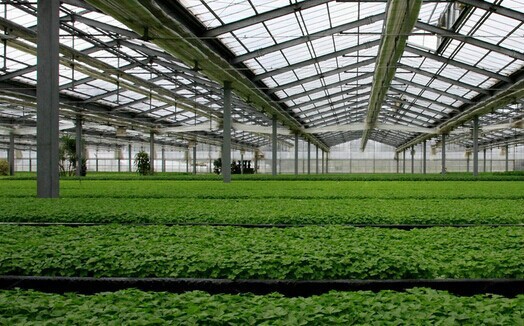
Commercial production environment
Farm-platform design is tied to the actual production zones and work processes rather than a generic dashboard.
- Production-zone hierarchy
- Operating roles and mobile access
- Alarm acknowledgement and maintenance workflow
Frequently asked questions
What can livestock positioning provide?
Subject to coverage and tag design, it can provide zone presence, movement, activity, electronic-fence events and traceable records.
Which communications can be used?
LoRa or another suitable network can connect field nodes to gateways and the farm platform after a radio survey.
How are animal and environmental data combined?
Tag records, barn environment, video and operating events are time-aligned in the platform for authorized review and alerts.
What affects tag battery life?
Transmit interval, positioning frequency, radio conditions, temperature, battery type and maintenance cycle.
Does positioning replace animal-health assessment?
No. The system supports observation and alerts; trained personnel remain responsible for health and welfare decisions.
Define the system from the operating requirement
Share the site, process, equipment, users, data interfaces, constraints and acceptance objectives.
Request Project Evaluation →