
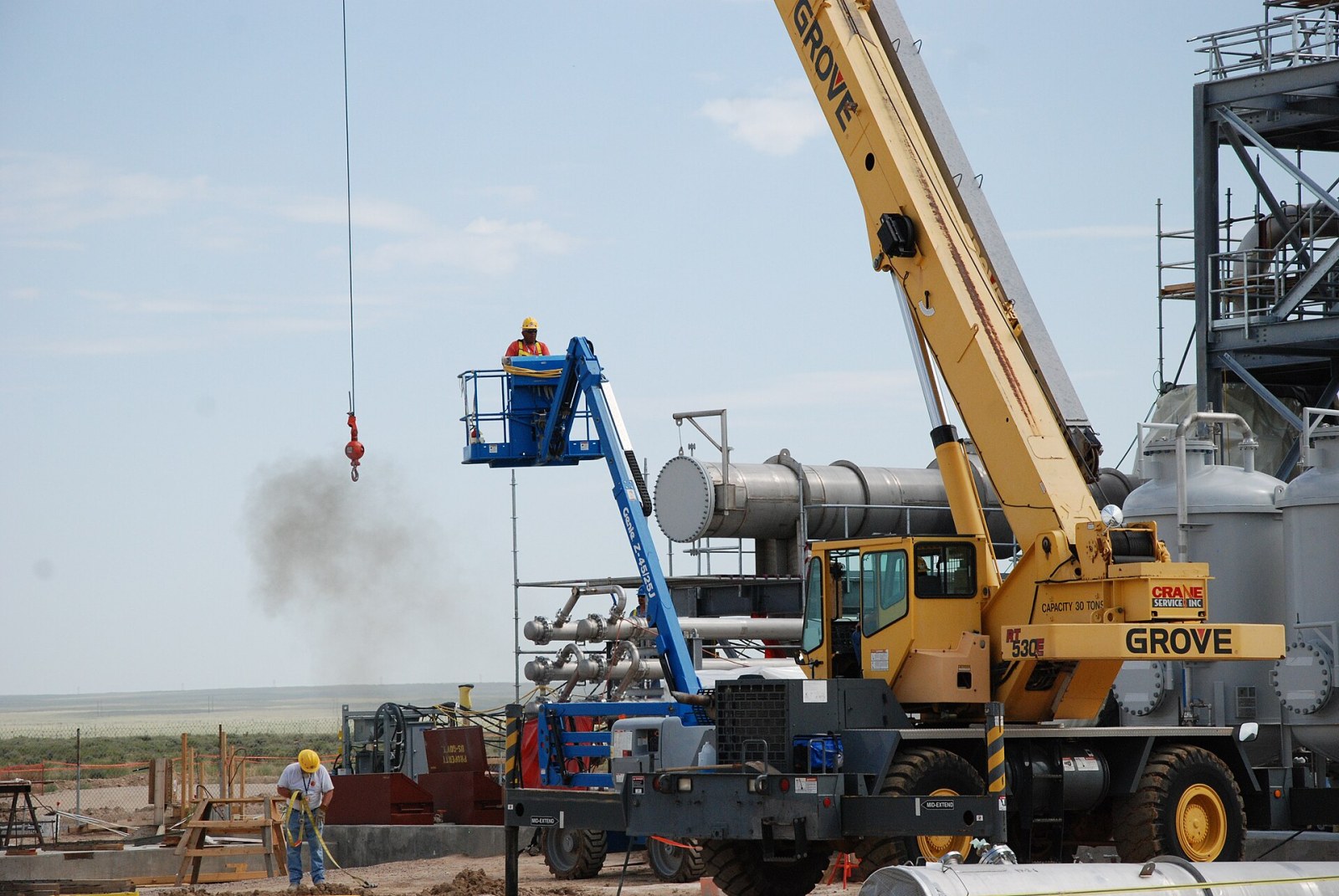
Engineering route for high dissolved solids, scaling, heat-transfer limits and variable salt chemistry. Final configuration is based on representative sampling, treatability evidence and the agreed discharge or reuse target.
Evaporation Duty, Salt Output and ZLD Boundary
| Design item | Unit / reference | Engineering basis |
|---|---|---|
| Hydraulic and production schedule | m³/hour; m³/day; batch timing | State membrane concentrate feed, evaporation duty, condensate, mother liquor and every purge in mass units per hour. Verify both operating and cleaning/start-up conditions. |
| Feed analysis | Laboratory units and named test methods | Feed density, TDS and individual salts, boiling-point elevation, organics, foaming, corrosion constituents, scaling tendency and available utilities. |
| Thermal capacity | tonnes feed/hour; tonnes water evaporated/hour | Distinguish feed capacity from evaporation capacity and condensate production. |
| Salt chemistry | Individual ions; solubility; boiling-point elevation | Determine crystallization behavior, scaling control and achievable solids separation. |
| Energy boundary | Electricity kW; steam t/hour; cooling duty | Compare the complete MEE/MVR arrangement at the same feed and product conditions. |
| Product streams | Condensate, salt cake and mother liquor | Define water quality, cake moisture and the destination of residual mother liquor. |
| ZLD boundary | All routine purges and off-spec liquid | Confirm the liquid balance across pretreatment, cleaning, evaporation and solids handling. |
Capacity calculation and design boundary
Worked mass-balance example: 20 tonnes/hour feed leaving 5 tonnes/hour concentrated liquid requires approximately 15 tonnes/hour water removal if other losses are neglected. Salt crystallization and condensate quality require their own balance and tests.
Outlet and acceptance schedule
Agree the system boundary, condensate quality, salt-cake moisture/composition and disposition of mother liquor. Percentage water recovery alone does not define ZLD acceptance.
What It Is / Wastewater Characteristics
High dissolved solids, scaling, heat-transfer limits and variable salt chemistry. The design basis must describe normal, peak and upset conditions rather than a single grab sample.
Typical Sources and Applications
Relevant process drains, production washwater, utility blowdown and segregated side streams are mapped at source before combining treatment duties.
Required Influent Data and Sampling Basis
Provide hourly and daily flow, peaks, pH, temperature, COD/TOC and biodegradability, suspended solids, conductivity/TDS, priority pollutants, toxicity indicators, production cycles and current chemical use. Composite and event samples should cover normal and upset operation.
Process Selection Logic
Selection begins with source segregation and treatability tests, then balances biological, physicochemical, membrane and thermal boundaries against residue outlets and acceptance requirements.
Wastewater-Specific Process Flow

- 1. Pretreatment
- 2. Softening
- 3. RO concentration
- 4. MEE / MVR evaporation
- 5. Crystallization
- 6. Salt and mother-liquor management
System and Equipment Architecture

Main equipment: Softening, UF/RO, MEE/MVR evaporator, crystallizer, centrifuge/dryer and condensate polishing.
Residues, Utilities and Environmental Interfaces
Mixed salts, mother liquor, cleaning waste and condensate quality are central acceptance interfaces.
Power, air, water, thermal utilities, chemical storage and consumption are calculated from the agreed flow and quality envelope. Off-gas, odor and ventilation controls are incorporated where the selected process requires them.
Monitoring and Operating Records
Trend feed and condensate mass flows, pressure/vacuum, temperature, compressor/steam demand, conductivity and vessel level; monitor condensate carryover against the intended use.
CAPEX / OPEX Drivers
Major drivers include contaminant load and variability, materials of construction, footprint, redundancy, chemical and energy duties, sludge/concentrate outlet, automation level and the required discharge or reuse quality.
Customer Engineering Inputs and Acceptance
Customer inputs include verified analyses, process inventory, site layout, utility conditions, hazardous-area requirements, local codes and the acceptance sampling protocol. Outputs are agreed as treated water, recovered materials and managed residues at defined battery limits.
Related capabilities: Turnkey process plants, factory modernization, residue recovery, renewable energy and SMART monitoring.
Frequently Asked Questions
Which feed analyses are needed for ZLD and evaporative concentration?
Feed density, TDS and individual salts, boiling-point elevation, organics, foaming, corrosion constituents, scaling tendency and available utilities.
How is ZLD and evaporative concentration treatment capacity sized?
State membrane concentrate feed, evaporation duty, condensate, mother liquor and every purge in mass units per hour. Verify both operating and cleaning/start-up conditions.
Does an evaporator alone make a facility zero liquid discharge?
Only if the defined system also manages concentrates, mother liquor, cleaning solutions and other liquid residuals without an uncontrolled liquid outlet. Evaporation is one part of that balance.
Is evaporator feed capacity the same as evaporation duty?
No. Feed includes water and nonvolatile material. Evaporation duty measures water removed; concentrated liquid and solids remain and require further handling.
What residues must a ZLD and evaporative concentration project handle?
Characterize salt cake, mother liquor, pretreatment sludge and condensate contamination; define recovery quality and disposal acceptance before specifying a crystallizer.
Which operating records matter for ZLD and evaporative concentration?
Trend feed and condensate mass flows, pressure/vacuum, temperature, compressor/steam demand, conductivity and vessel level; monitor condensate carryover against the intended use.
How does the worked sizing example for ZLD and evaporative concentration apply?
Worked mass-balance example: 20 tonnes/hour feed leaving 5 tonnes/hour concentrated liquid requires approximately 15 tonnes/hour water removal if other losses are neglected. Salt crystallization and condensate quality require their own balance and tests.
What outlet quality must be agreed for ZLD and evaporative concentration?
Agree the system boundary, condensate quality, salt-cake moisture/composition and disposition of mother liquor. Percentage water recovery alone does not define ZLD acceptance.