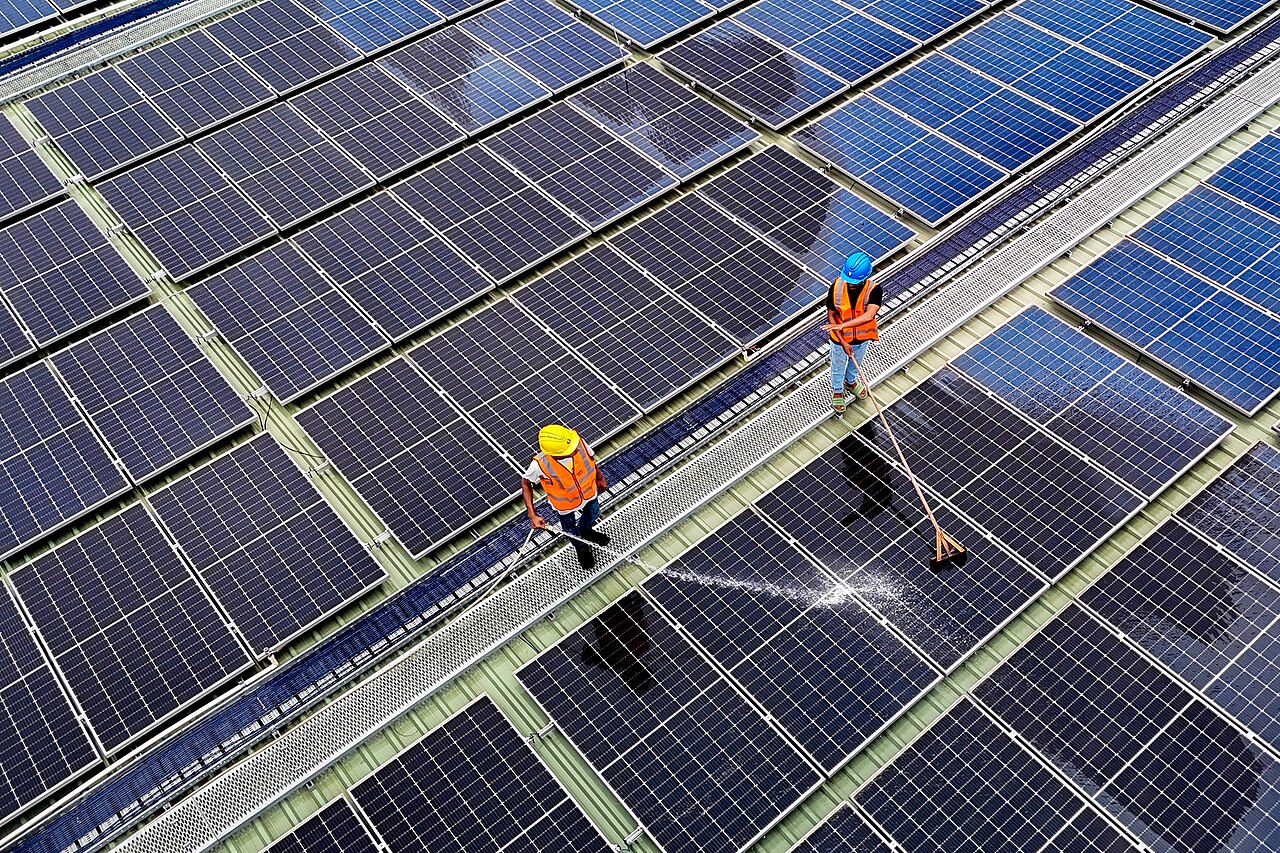
Factory Rooftop Solar + O&M Robots
Factory roof survey, PV layout, electrical connection, self-consumption, cleaning robots, inspection and remote maintenance. Storage is optional, not the starting point.
 CHINA BENTEINDUSTRY GROUP
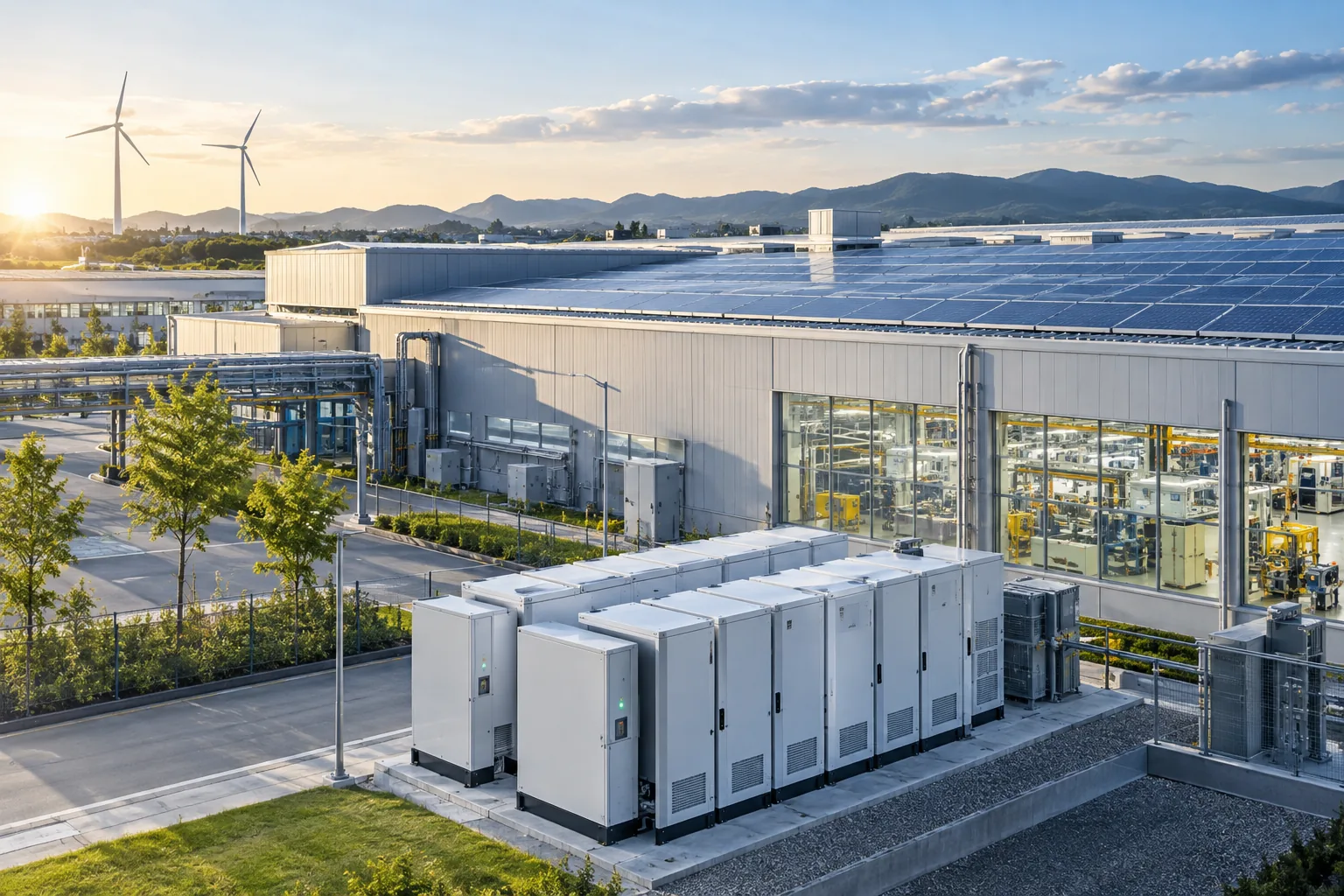
Industrial energy systems led by factory rooftop solar and maintenance automation, with battery storage, biogas/biomethane and biomass process heat. Select the system from your electricity, heat, feedstock and operating requirements.
Factory roof survey, PV layout, electrical connection, self-consumption, cleaning robots, inspection and remote maintenance. Storage is optional, not the starting point.
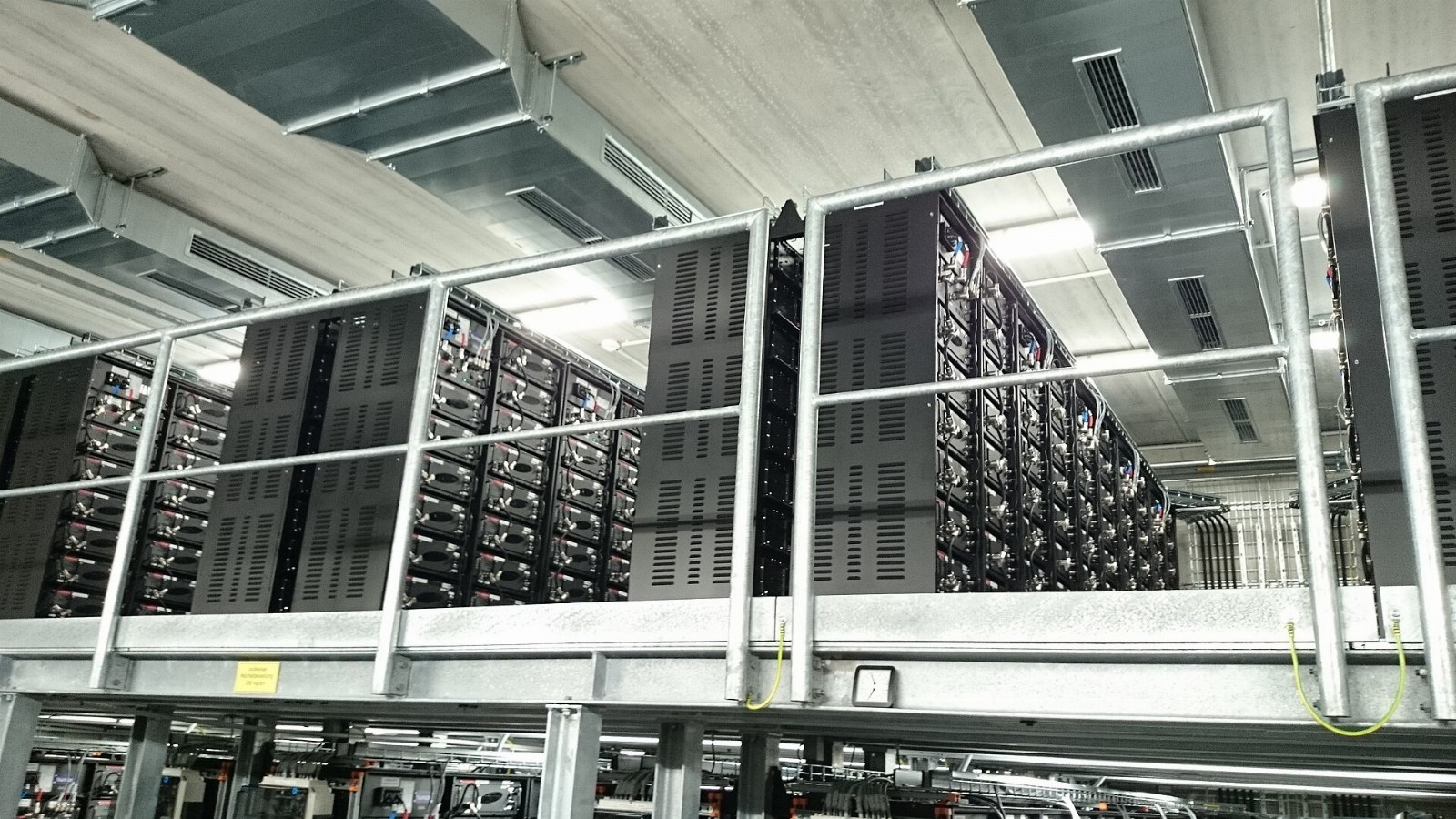
Peak management, energy shifting and defined backup duties. Specify power, usable energy, duration, cooling, safety interfaces and acceptance at a stated boundary.
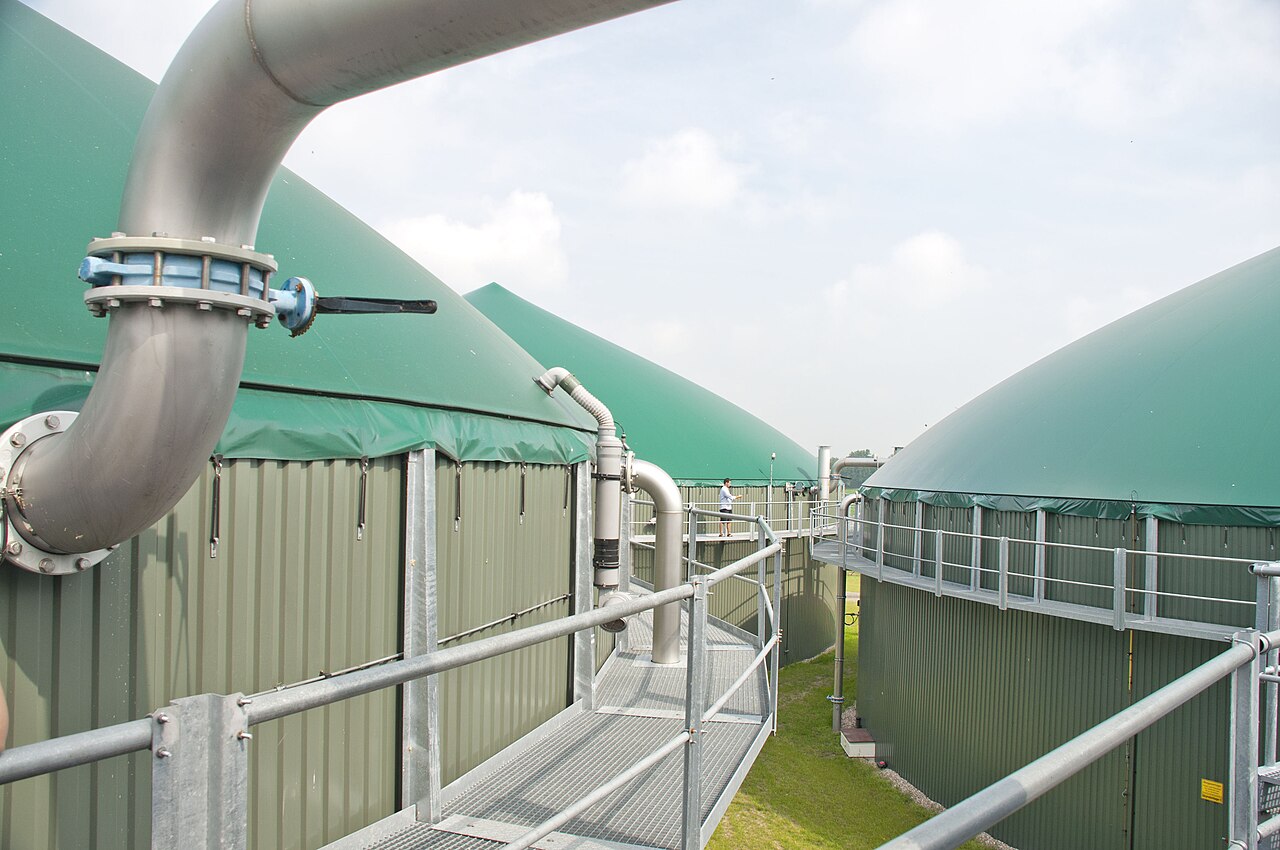
Organic feedstock preparation, anaerobic digestion and gas cleaning; separate routes to CHP electricity/heat, upgraded biomethane, compressed gas and Bio-LNG, with digestate treatment.
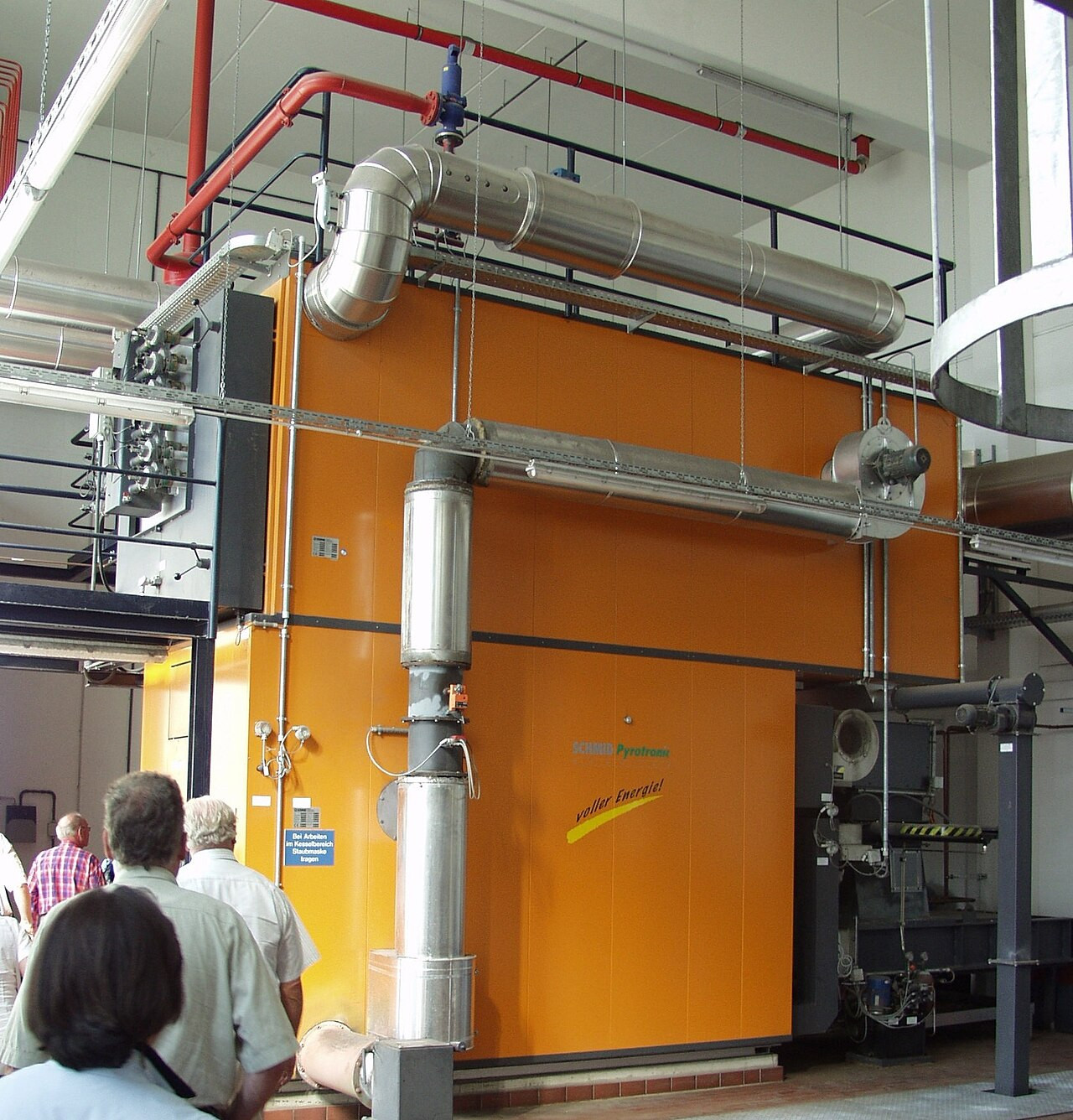
Use qualified bagasse and agricultural residues to supply factory steam, hot air or combined heat and power. Fuel preparation, combustion, heat recovery, emissions controls and ash handling are engineered as one system.
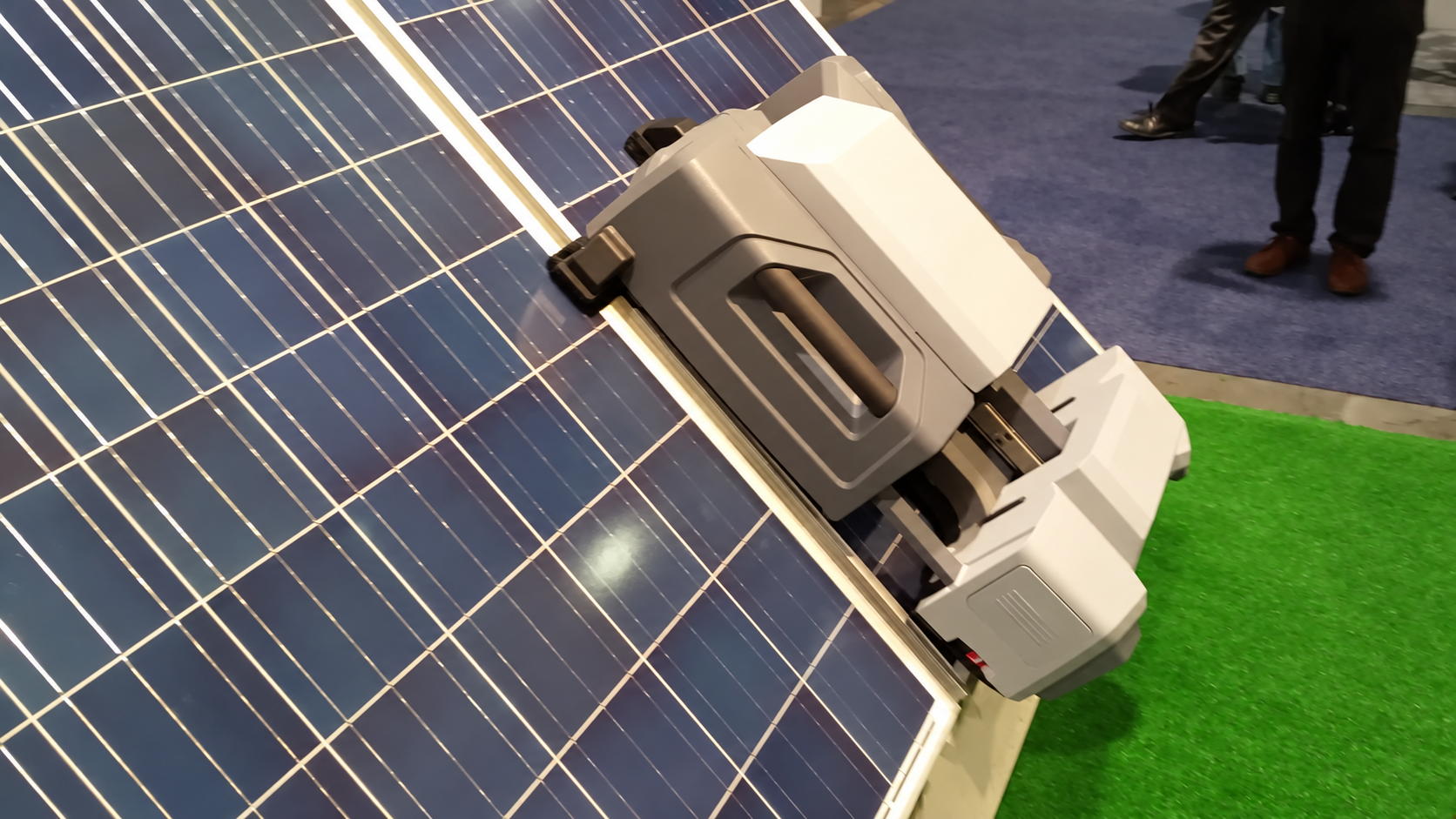
Cleaning robots are designed together with the rooftop array—not added after construction. The scope covers robot travel paths, row continuity, module gaps, docking and charging, dry or water-assisted cleaning, edge protection, wind limits, remote alarms, service access and recovery after a fault.
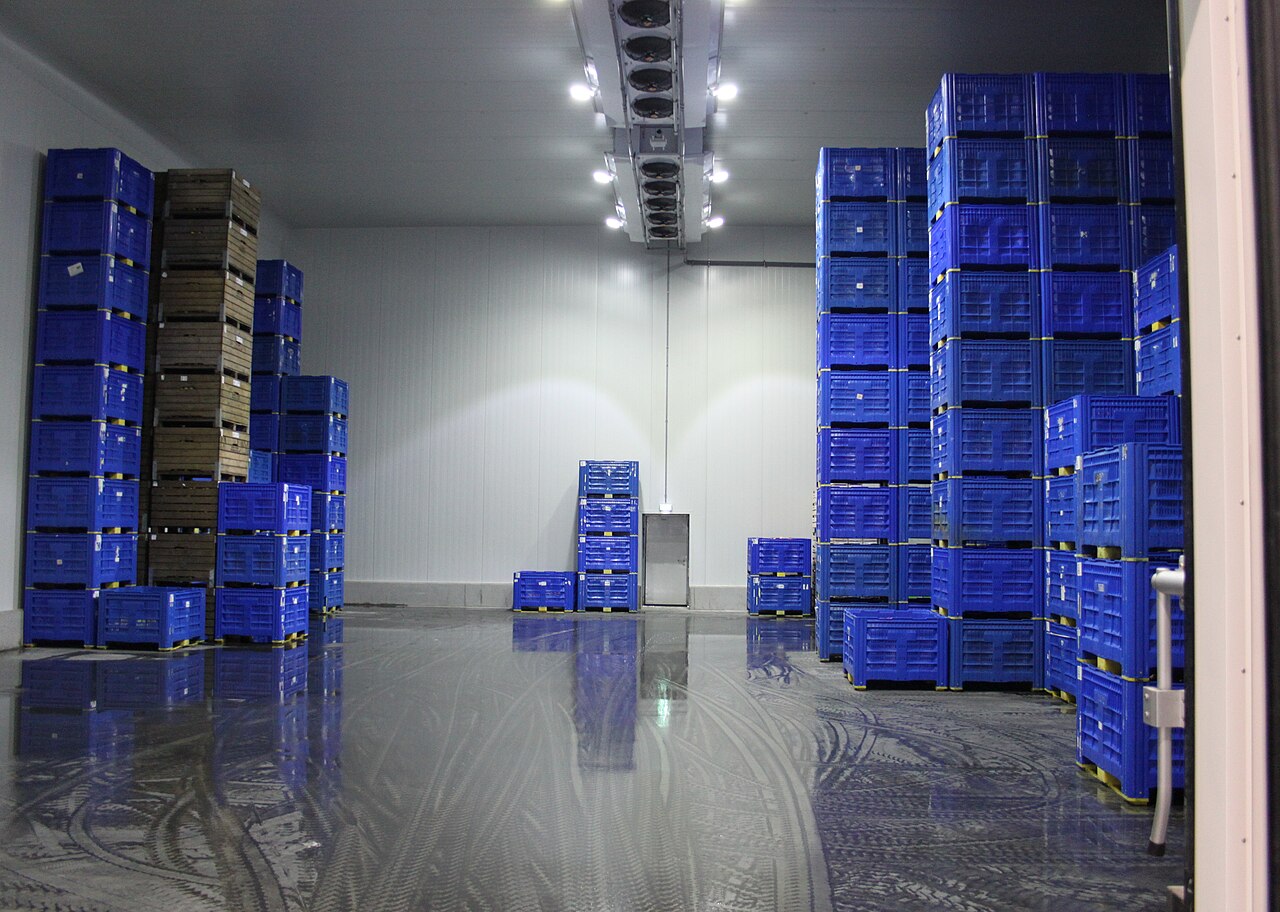
Integrate solar electricity with a correctly sized cold room, refrigeration system and operating reserve for produce, dairy, meat or other temperature-sensitive products. Product cooling duty comes before the PV or battery nameplate.
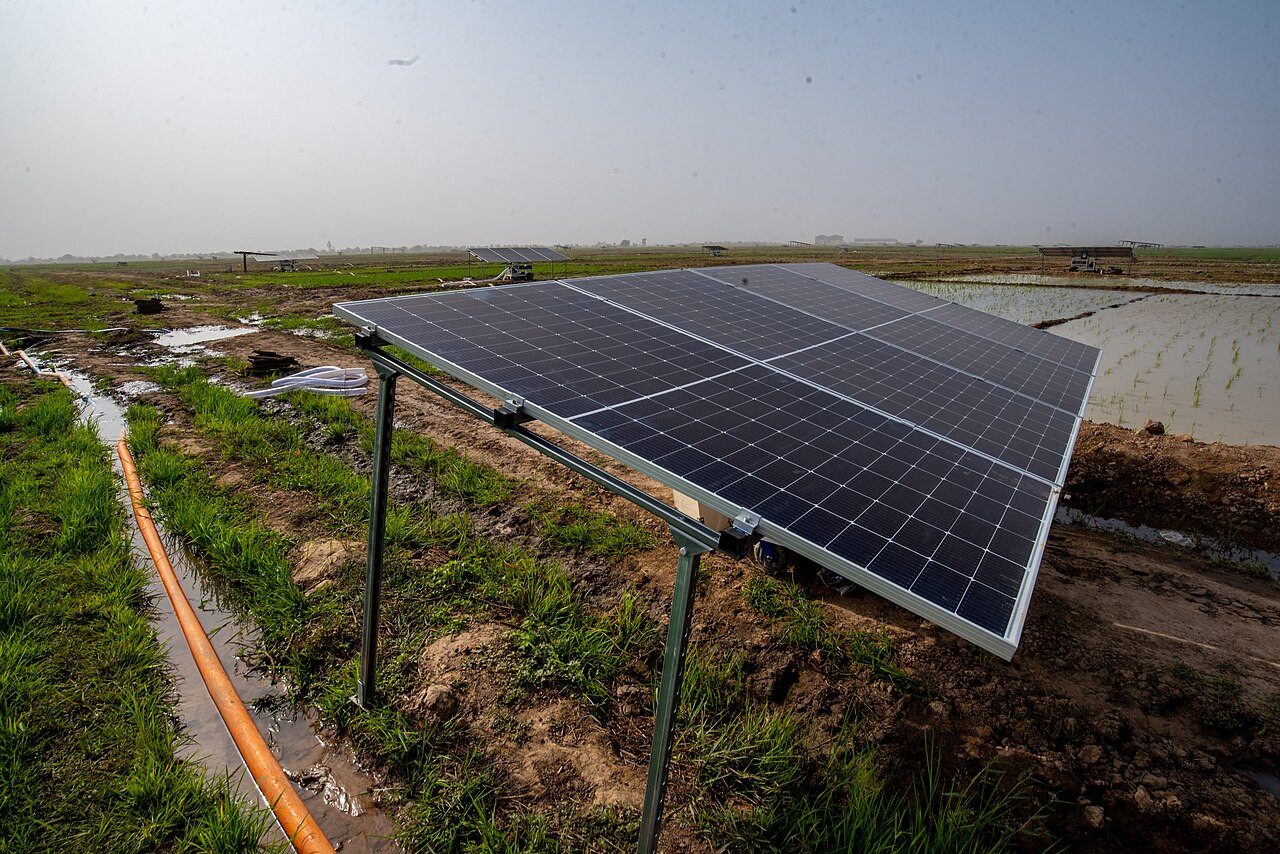
Match photovoltaic generation to the water source, total dynamic head and daily irrigation requirement. Water storage can sometimes provide the operating buffer more simply than electrical batteries.
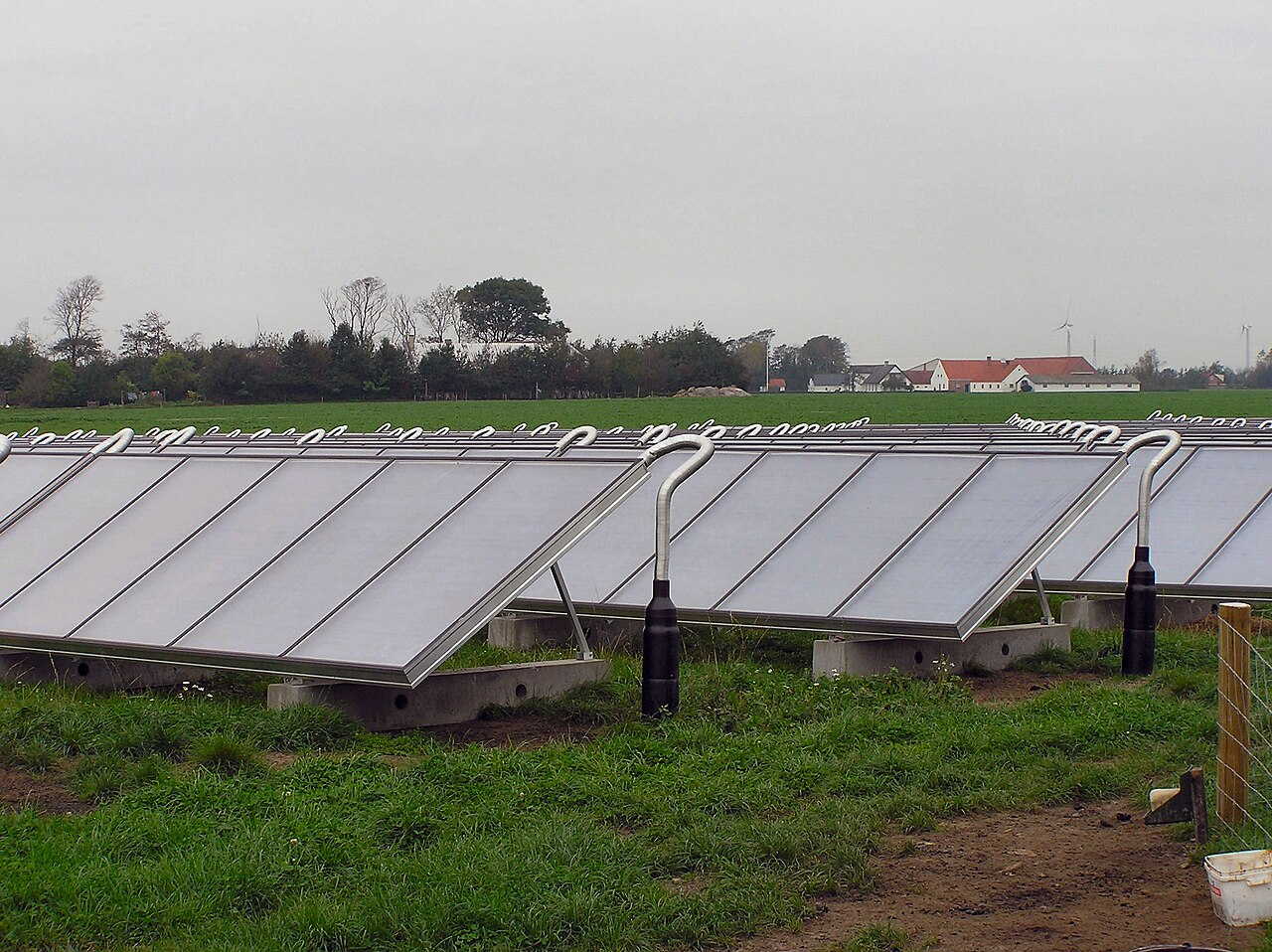
Use solar thermal heat for suitable factory hot-water, preheating and drying duties. Collectors, heat exchange, storage and auxiliary heating must match the actual process temperature and operating schedule.
Solar+BESS and microgrid/EMS coordinate the relevant sources, loads and operating modes. Existing wind, waste-heat recovery and waste-to-energy routes remain available as secondary scopes. RDF preparation stays in Waste Recycling.
It may include studies, engineering, procurement, civil and electrical works, controls, grid interfaces, commissioning and handover.
Sizing uses interval load, available area, solar resource, grid constraints, operating objectives, losses and applicable export limits.
MW is power, MWp is the peak DC rating of a solar array, and MWh is stored or delivered energy over time.
They should be evaluated together when load shifting, peak management, resilience, export control or dispatch requirements may justify coordinated operation.
Storage duration follows the duty cycle, power demand, energy window, reserve, degradation allowance and operating limits.
Yes. The assessment covers load profile, distribution, protection, roof or land, operating schedule and installation constraints.
Grid data, studies, protection, metering, voltage and power-quality requirements, approvals and utility connection scope must be defined.
Yes, when generation, storage, controls, backup capacity and critical-load behavior are engineered for the required reliability.
It can coordinate generation, storage, grid exchange and loads while recording status, alarms, dispatch and operating data.
Structural capacity, condition, geometry, shading, drainage, access, fire zones and maintenance requirements must be verified.
Yes, when resource, feedstock, electrical interfaces, controls and the combined operating strategy support a hybrid system.
Generation capacity, storage power and duration, technology, grid works, civil scope, access and compliance are major drivers.
Maintenance, replacements, auxiliary consumption, monitoring, access, warranties and operating strategy affect lifecycle cost.
Provide interval load data, bills, single-line diagrams, site and roof surveys, grid information, operating goals and local requirements.
Organic feedstock recovery, anaerobic digestion, biogas upgrading, power generation and Bio-LNG product routing are developed with the Waste-to-Biogas / Biomethane / Power / Bio-LNG capability under Waste Recycling / Waste Treatment & Resource Recovery.