China Bente Industry Group logoCHINA BENTEINDUSTRY GROUP
Menu
China Bente Industry Group

Waste Recycling & Resource Recovery Systems

Environmental & Recycling

AGRICULTURAL WASTE · FEED INGREDIENTS

Agricultural Residues to Feed Ingredients

Raw materials: eligible, source-separated crop and food-processing residues only. Processing: inspection, foreign-material removal, hygienic preparation, drying, milling, mixing and pelletizing as required. Finished product: tested feed ingredients or pellets for the approved market. This route is separate from pulp and paper, biomass fuel, fertilizer, manure, wastewater sludge and slaughterhouse protein meals.

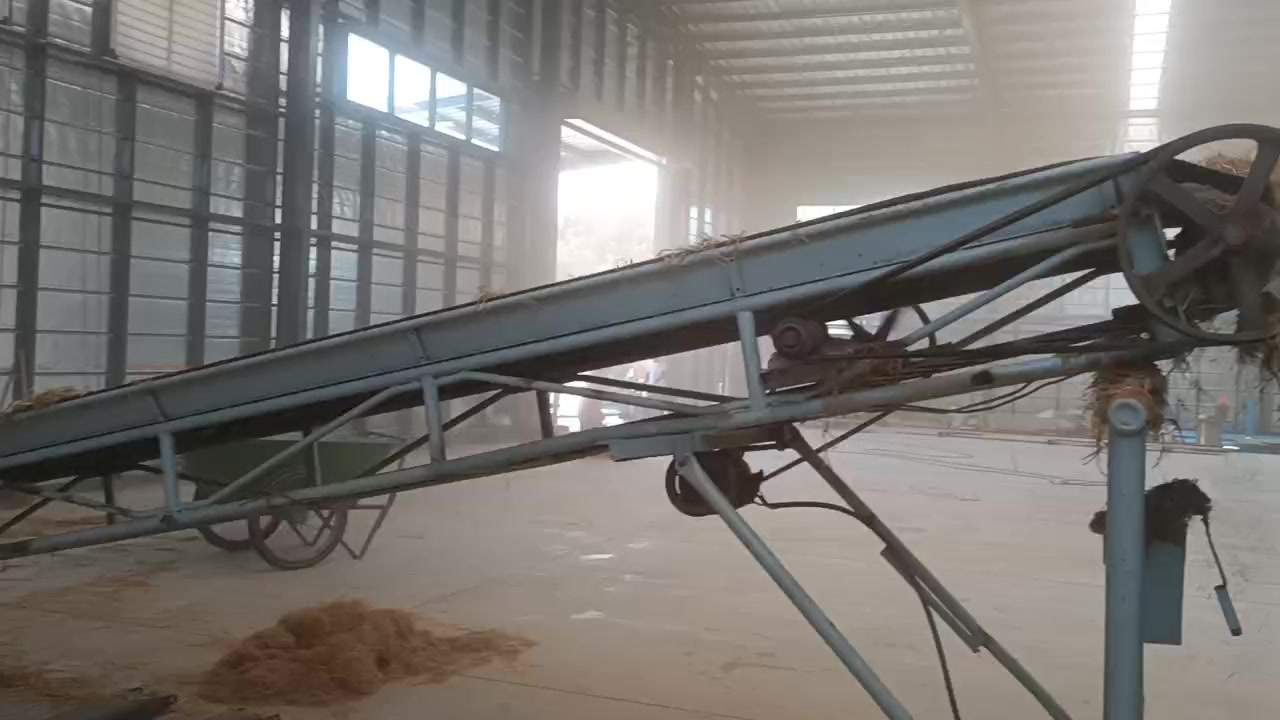
Prepared agricultural residue entering a feed-ingredient process
Processing feedstock
Prepared agricultural residue entering the line.
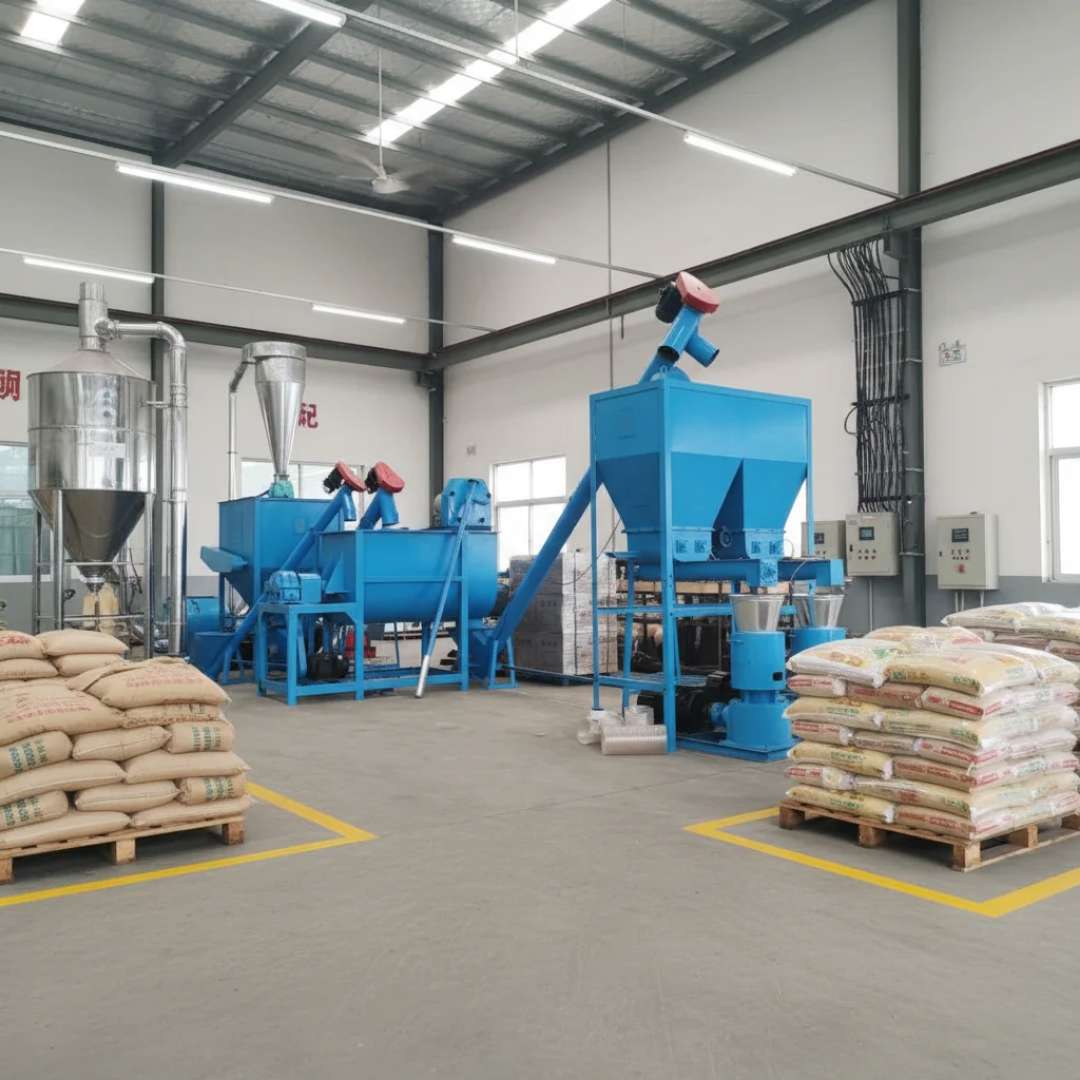
Feed ingredient preparation and mixing equipment
Processing equipment
Feed preparation, mixing and packing workshop.
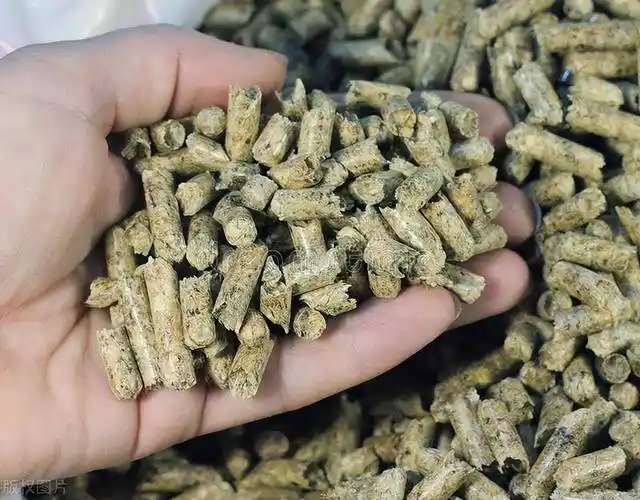
Finished agricultural feed pellets
Finished product
Feed pellets for testing and approved dispatch.

View the dedicated feed-ingredient route and separate slaughterhouse by-product route →

Waste treatment and resource recovery

WASTE RECYCLING · WASTE TREATMENT · RESOURCE RECOVERY

Choose the waste stream and engineering route.

Each category below connects feedstock characterization, process selection, equipment integration, environmental controls and acceptance criteria. Final configuration is project-specific and depends on material composition, contamination, product specification, regulation and scope boundary.

Sludge & Slurry Treatment feedstock process and equipment

Liquid sludge, process slurry and dewatered cake

Sludge & Slurry Treatment

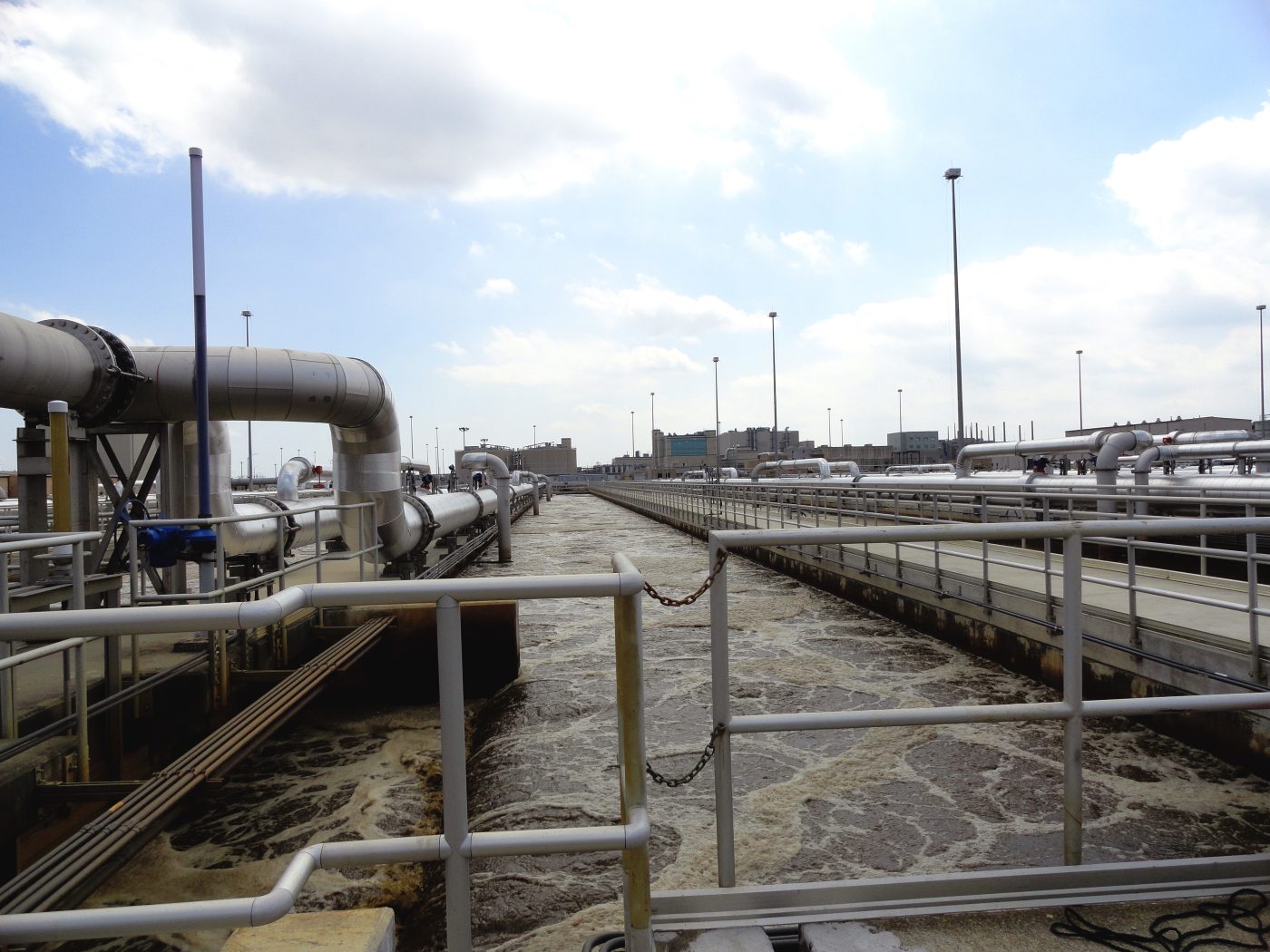
Pumpable liquid sludge, thickened slurry, pasty sludge and dewatered cake are classified by origin, solids content, oil and contaminants. Separate routes cover organic sludge, municipal sewage sludge, industrial/process slurry and oily sludge.

Sludge ReceptionSampling and CharacterizationHomogenization / ConditioningMechanical DewateringDrying or Thermal Desorption where applicableVapor Condensation / Gas Treatment

Main equipment: Mixing and conditioning tanks, screw presses, belt presses or centrifuges, dryers, aerobic stabilization, thermal treatment, vapor and odor control selected separately for four sludge families.
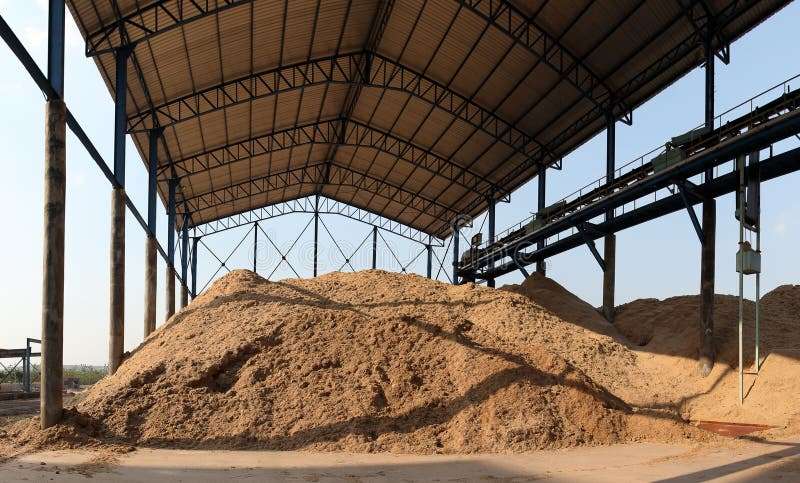
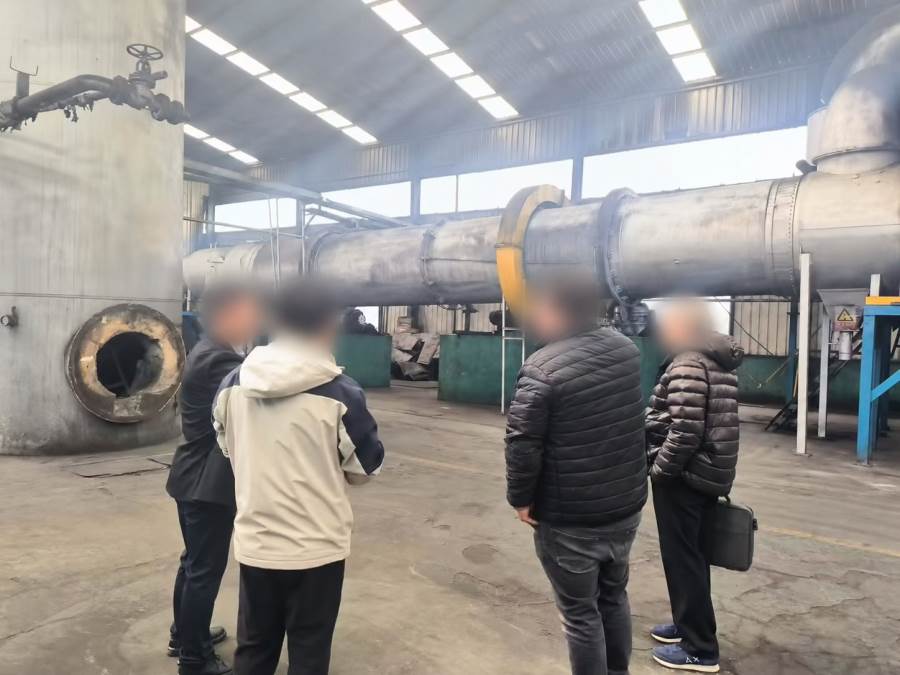
Agricultural Waste & Organic Residue Recovery feedstock process and equipment

Agricultural and organic residue routes

Agricultural Waste & Organic Residue Recovery

Raw materials are classified into four families: crop straw and bagasse; processing by-products such as rice husk, corn cob, fruit residues and oilseed meals; fruit shells and fibers such as EFB, PKS, cocopeat, coconut fiber, banana stem and pineapple leaf fiber; and livestock manure. Finished-product routes are kept…

Family 1: Crop Straw / BagasseFamily 2: Processing By-productsFamily 3: Fruit Shells / FibersFamily 4: Livestock ManureCleaning and SortingSize / Moisture Preparation

Main equipment: Shredding, drying, screening, pulping, carbonization, activation, anaerobic digestion, densification, composting and product finishing selected by feedstock and required output.

Agricultural & Wood Waste to Charcoal / Activated Carbon feedstock process and equipment

Activated-carbon factory equipment and products

Agricultural & Wood Waste to Charcoal / Activated Carbon

Agricultural shells and clean wood-processing residues can be converted into charcoal or activated carbon through feed preparation, drying, controlled carbonization, gas recovery, cooling, crushing, activation, grading and packing. Coconut shell, palm kernel shell and sawdust require different preparation and operating conditions. Treated or contaminated timber is excluded unless…

Feedstock InspectionDryingSizingCarbonizationGas Recovery / AfterburningControlled Cooling

Main equipment: Feed preparation, dryers, carbonization kiln, gas recovery, controlled cooling, activation, screening and packing.

Municipal Solid Waste Sorting & Treatment feedstock process and equipment

China Bente Project Reference

Municipal Solid Waste Sorting & Treatment

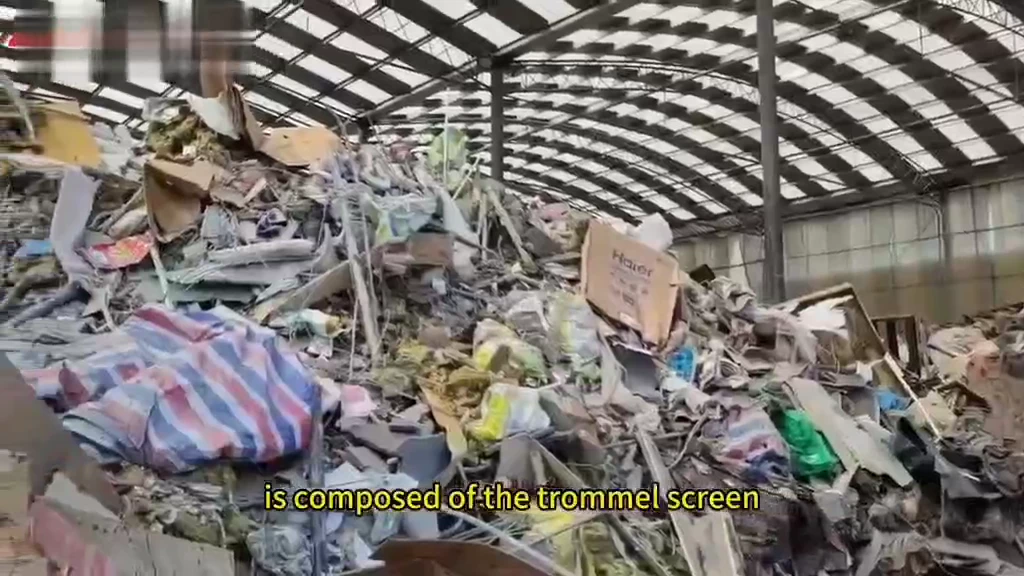
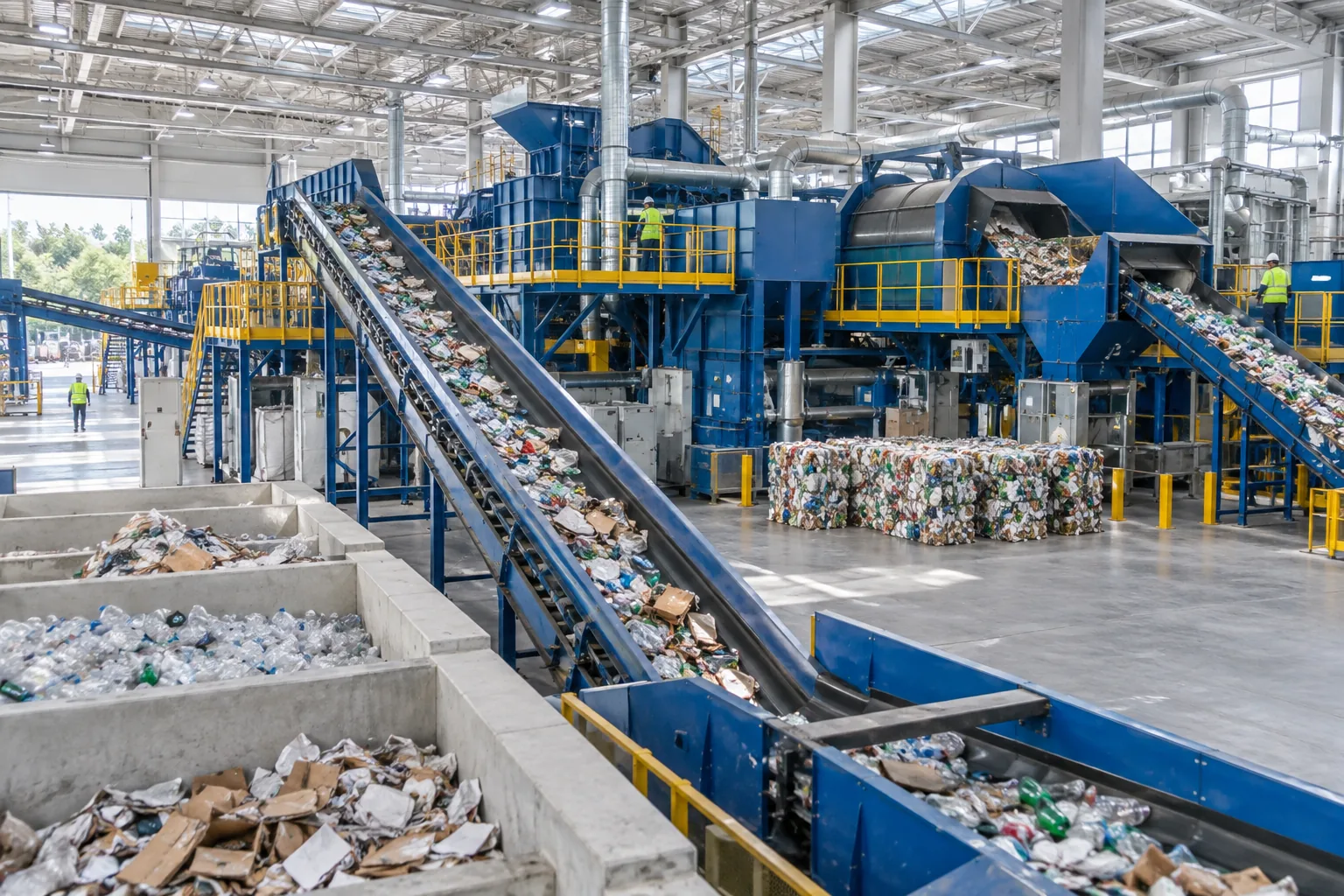
Municipal-solid-waste plants must accommodate variable organics, plastics, paper, glass, metals, fines and moisture rather than a single nominal feed. Receiving, bag opening, screening, manual or automated sorting, metal recovery and residue handling are balanced with odor, dust, fire and leachate controls. Recovered fractions and any RDF route are…

Waste ReceptionBag OpeningPrimary ScreeningManual / Automated SortingMagnetic SeparationEddy-current Separation

Main equipment: Bag opener, trommel or screen, conveyors, sorting cabins, magnets, optical sorting and balers.

Related project: Venezuela Municipal Solid Waste Sorting Project

Waste Plastic Recycling feedstock process and equipment

China Bente Project Reference

Waste Plastic Recycling

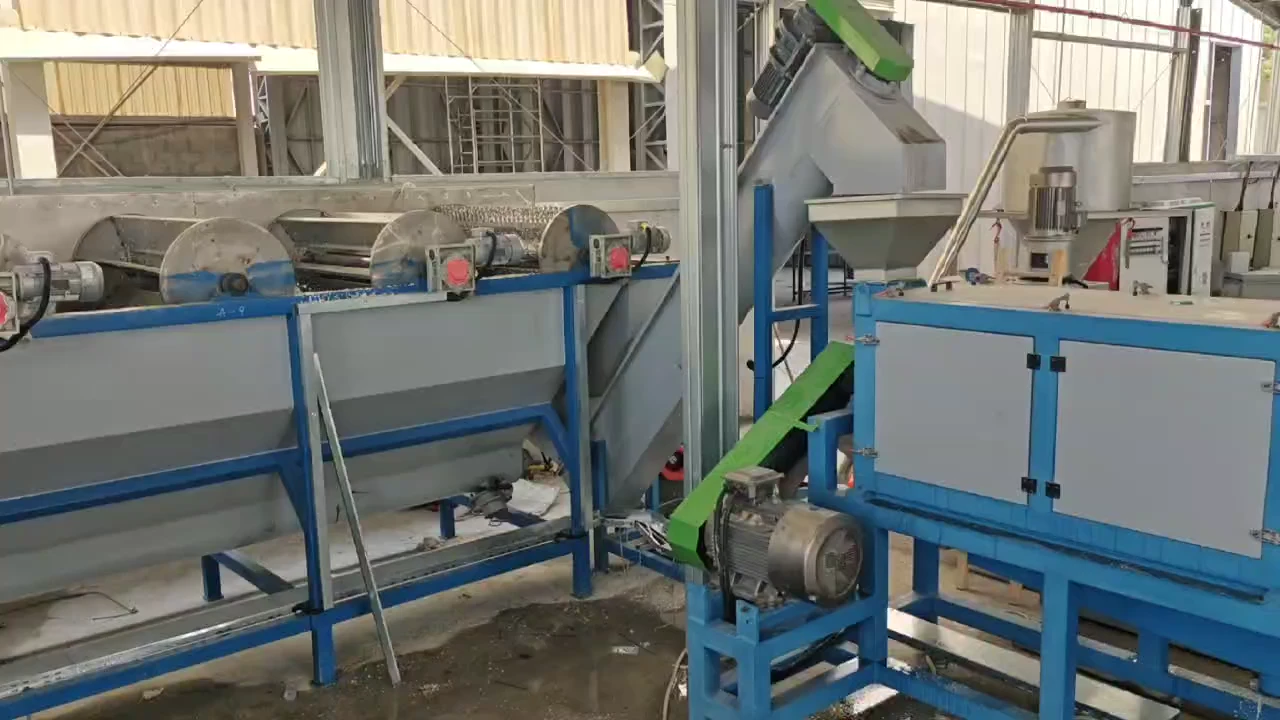
Plastic-recycling design begins with polymer mix, form, labels, dirt, metal, moisture and the required flake or pellet specification. Sorting, crushing, washing, density separation, dewatering, drying and optional extrusion are selected as one material-balance system. Water reuse, wastewater load, drying energy, incompatible polymers and contamination limits remain project-specific until…

ReceivingManual / Optical SortingMetal RemovalSize ReductionPre-washingFriction Washing

Main equipment: Sorting station, crusher, wash line, friction washer, float-sink separation, dryer and optional extruder.

Related project: Uganda Waste Plastic Recycling & Crushing Project

Waste Tire Recycling feedstock process and equipment

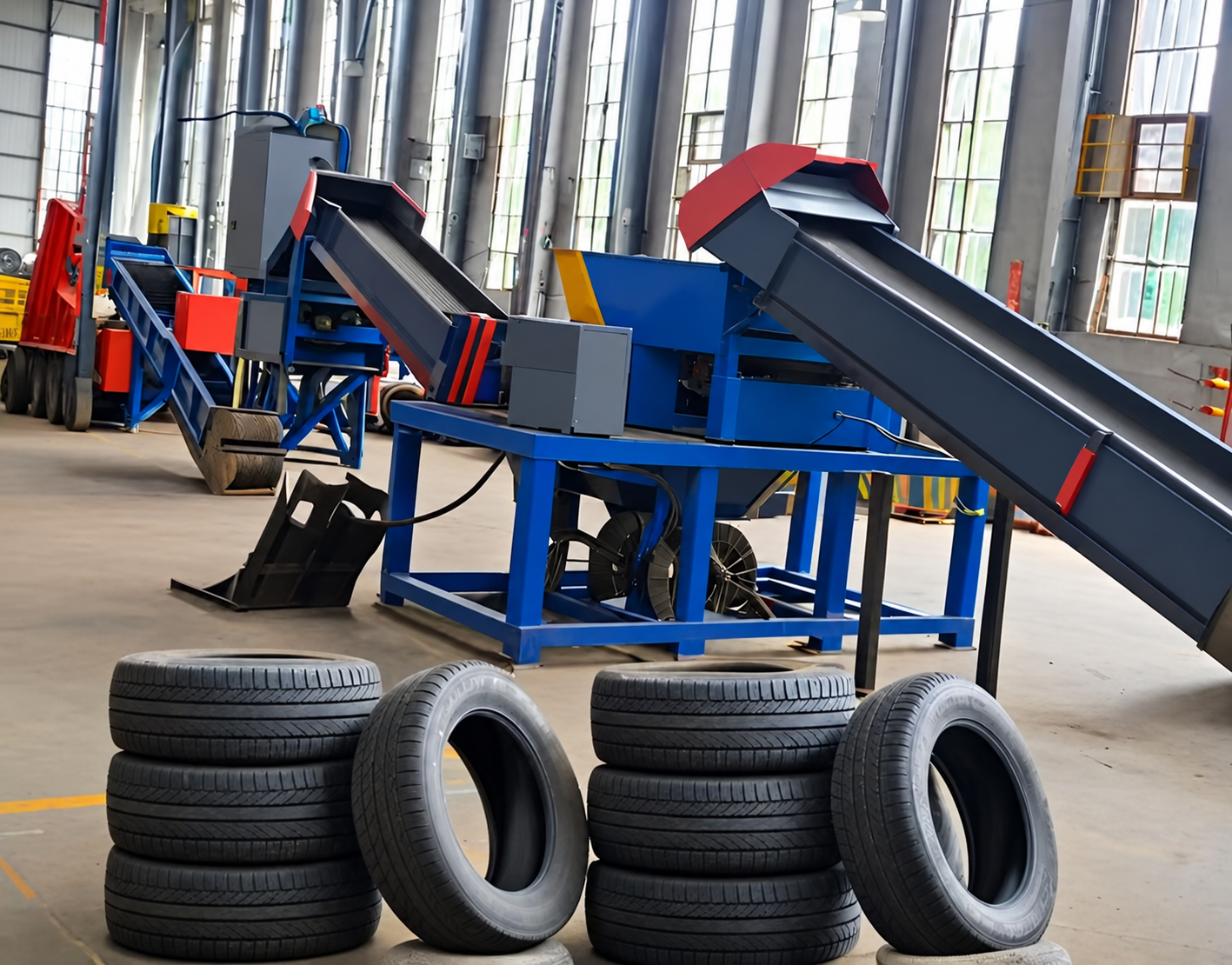
Real waste-tire recycling equipment

Waste Tire Recycling

Waste tires are received, prepared, shredded and separated to produce rubber chips, granules or powder, with steel and fiber collected separately. The gallery presents feedstock, equipment, factory-video frames and recovered rubber products. Final capacity and product size depend on the tire mix and selected mechanical route.

Tire ReceptionInspection and SortingDebeading / Sidewall TreatmentPrimary ShreddingSecondary ShreddingMagnetic Steel Separation

Main equipment: Debeader, primary shredder, magnetic separator, fiber separator, granulator and classifier.

Related project: Egypt 20 t/day Waste Tire Recycling Line Upgrade & Retrofit

E-waste Recycling feedstock process and equipment

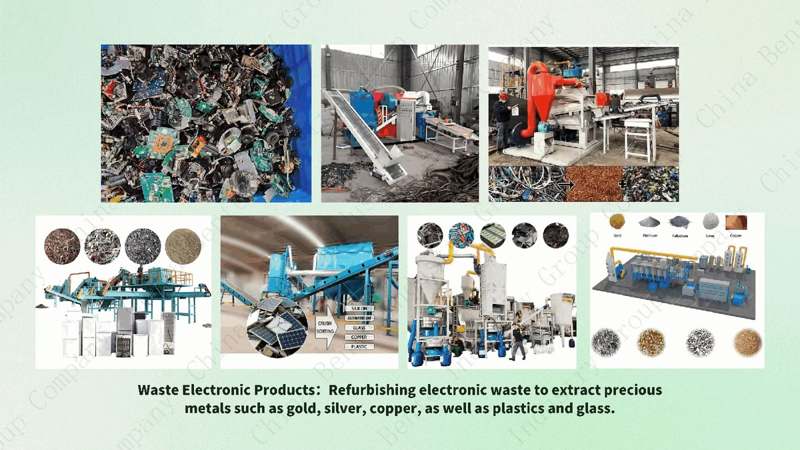
E-waste processing reference

E-waste Recycling

E-waste treatment requires safe depollution and controlled dismantling before size reduction and material separation. Battery, capacitor, refrigerant, dust and hazardous-component handling are defined first; shredding, magnetic, eddy-current and fine separation follow only where the feed and recovery objective support them. The final route depends on product categories, manual…

Controlled ReceptionBattery and Hazardous Component RemovalManual DismantlingPrimary ShreddingSecondary Size ReductionMagnetic Separation

Main equipment: Safe dismantling stations, shredders, magnetic and eddy-current separation, fine sorting and dust collection.

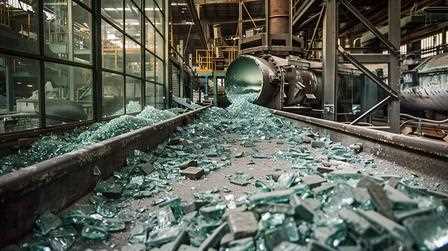
Waste Glass Recycling feedstock process and equipment

Waste glass: feedstock, processing and cullet

Waste Glass Recycling

Waste-glass recovery is designed around glass type, laminate or coating, ceramics and stones, metals, plastics, fines, moisture and the required cullet specification. Automotive laminated glass may require dedicated PVB interlayer separation, while flat and container glass follow different sorting and contamination controls. Crushing, screening, metal removal, air separation,…

Controlled ReceptionSorting by Glass TypeRemoval of Metals, Plastics, Ceramics and StonesPrimary CrushingLaminated-glass Interlayer Separation where requiredSecondary Crushing

Main equipment: Receiving and sorting conveyors, crusher, screen, magnetic and air separation, laminated-glass interlayer separation, dust collection and cullet storage.

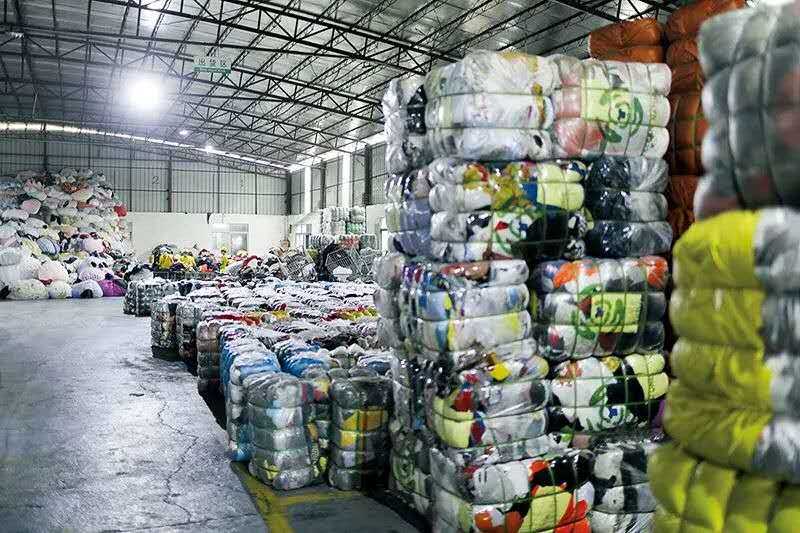
Waste Textile Recycling Line feedstock process and equipment

Waste textiles: raw material, opening line and recovered fiber

Waste Textile Recycling Line

Before Input: baled waste textiles and used garments compacted by hydraulic baler. Processing: shredding pretreatment, multi-roller opening, cleaning and dedusting, with pneumatic fiber conveying and dust collection. After Output: recycled cotton fiber that may be used for non-woven fabric, felt, insulation or re-spinning when the verified fiber composition…

Textile ReceptionSorting by Fiber / ColorButton, Zipper and Hard-Part RemovalCuttingFiber OpeningShredding / Garnetting

Main equipment: Hydraulic bale receiving, shredding pretreatment, multi-roller opening and cleaning machines, pneumatic conveying, dust collection and recovered-fiber handling.

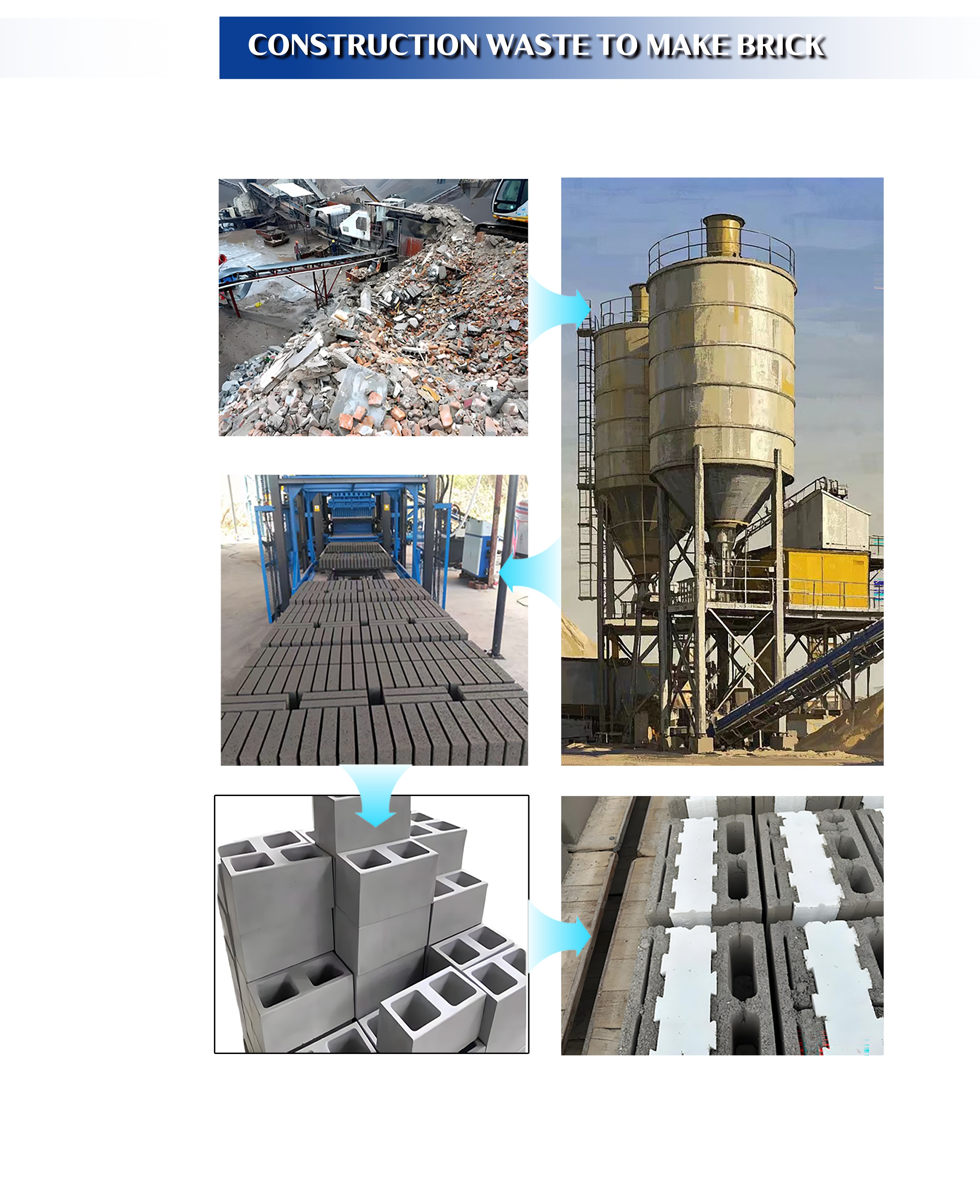
Construction & Demolition Waste Recycling feedstock process and equipment

Real construction waste and processing equipment

Construction & Demolition Waste Recycling

Construction and demolition waste varies from concrete, brick and asphalt to wood, metals, soil, gypsum and unwanted contaminants. Pre-sorting, screening, crushing, magnetic removal, air separation and optional washing are combined to produce defined aggregate fractions and controlled rejects. Feed source, reinforced material, fines, moisture, hazardous inclusions and local…

C&D Waste ReceptionManual Pre-sortingRemoval of Wood / Plastics / GypsumPre-screeningPrimary CrushingSecondary Crushing

Main equipment: Feed hopper, pre-screen, crusher, screens, magnets, air separation, washing where required and aggregate storage.

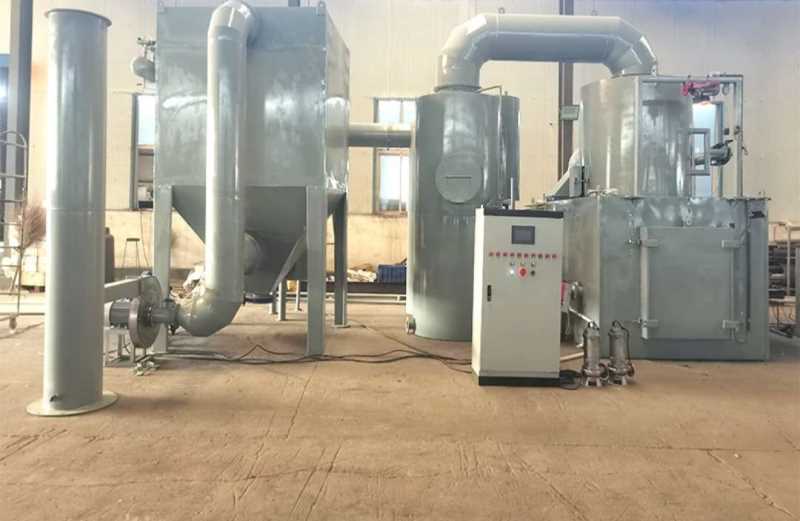
Medical & Regulated Hazardous Waste Treatment feedstock process and equipment

Medical-waste treatment route references

Medical & Regulated Hazardous Waste Treatment

Medical and regulated hazardous-waste treatment begins with legal classification, source segregation, sealed collection and traceability. Infectious waste, sharps, pathological waste, pharmaceuticals and chemical waste cannot be treated as one uniform feed. Depending on the waste class and local rules, the route may use sterilization with controlled shredding, pyrolysis…

Controlled Receipt and WeighingClassification and TraceabilitySealed FeedingAutoclave OR High-temperature Incineration / Approved TreatmentSecondary Combustion and Rapid Cooling where applicableAcid-gas and Particulate Control

Main equipment: Sealed containers, traceable receiving, route-specific sterilization and shredding, pyrolysis or thermal systems, high-temperature incineration where required, flue-gas treatment, wastewater treatment and controlled residue handling.

Industrial Solid & Hazardous Waste Treatment feedstock process and equipment

Industrial and chemical waste treatment equipment

Industrial Solid & Hazardous Waste Treatment

Industrial-solid-waste systems are developed from verified waste classification, chemical and physical properties, variability and the permitted recovery or disposal route. For merbromin (mercurochrome) and other mercury-containing hazardous waste, possible sources include pharmaceutical-process residues, expired or stockpiled raw materials and products, contaminated filters, packaging and wiping materials, and laboratory…

Waste CharacterizationHazard and Compatibility AssessmentSource SegregationSize Reduction / Conditioning where requiredPhysical Material Recovery OR Stabilization OR Approved Thermal RouteResidue Testing

Main equipment: Sampling and segregation systems, receiving and storage, shredding or conditioning, physical separation and recovery, stabilization or approved thermal systems, effluent control and controlled residue handling.

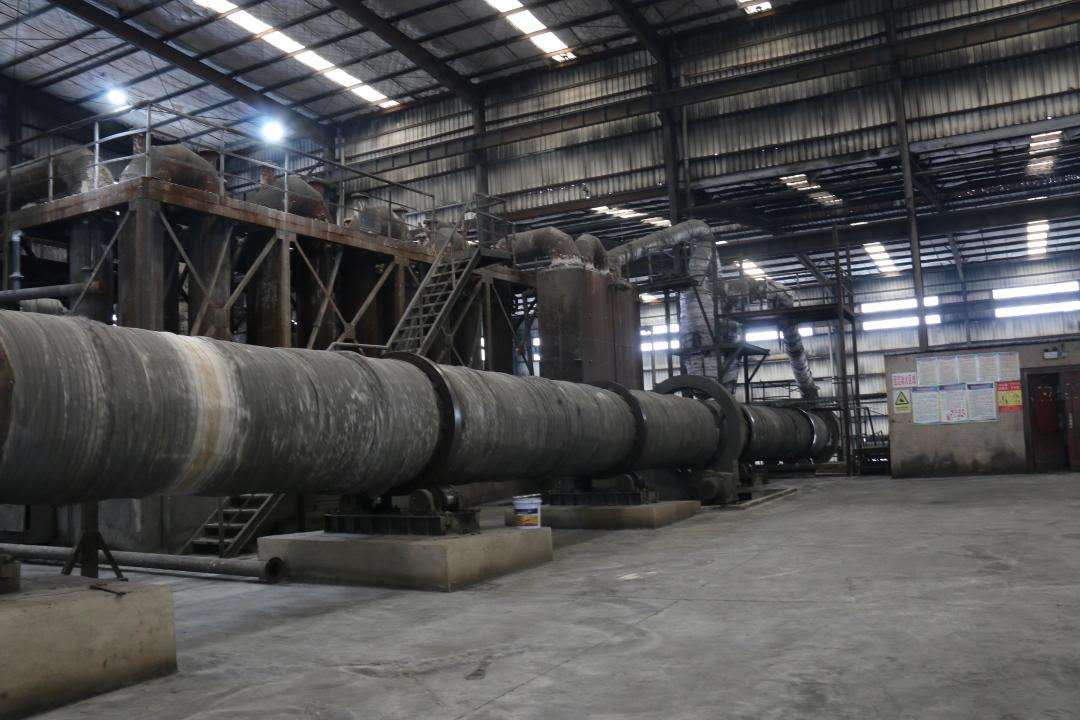
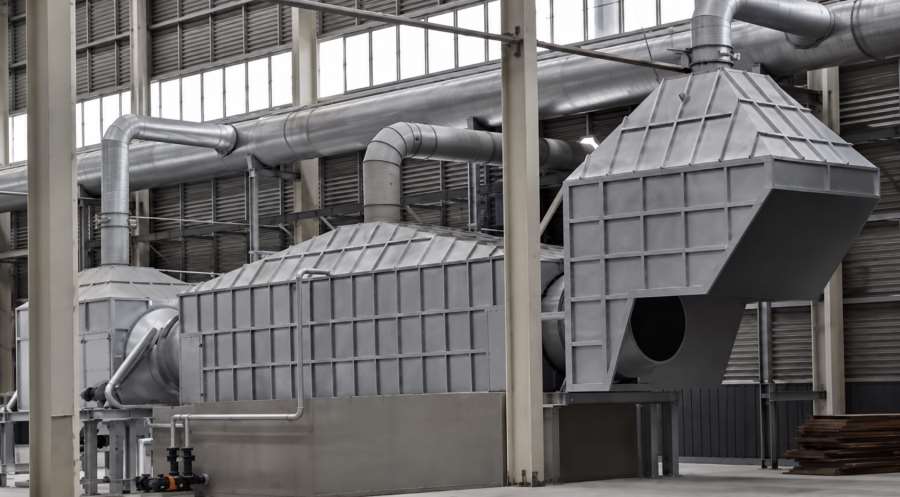
Smelting, Casting, Dust & Flue-Gas Treatment feedstock process and equipment

Furnace fume capture and collection

Smelting, Casting, Dust & Flue-Gas Treatment

Smelting and casting emission control begins with source capture at furnaces, ladles, pouring points, casting lines, cooling and finishing areas. Hood geometry, air volume, gas temperature, sparks, condensable fumes, dust loading and chemistry determine whether cooling, cyclone separation, bag filtration, wet scrubbing or another compliant train is required.…

Furnace / Ladle / Pouring-Point CaptureHigh-temperature DuctingSpark ArrestingGas Cooling / ConditioningCyclone Pre-separation where requiredBaghouse OR Wet Scrubber / Selected Treatment

Main equipment: Local extraction hoods, high-temperature ducting, spark arresting, gas cooling, cyclones, bag filters, wet scrubbers where applicable, induced-draft fans, collected-dust handling and stack monitoring.

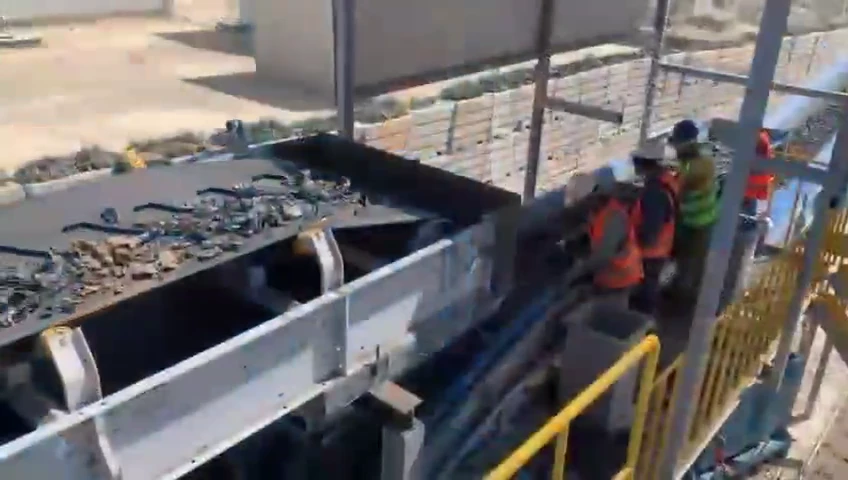
Scrap Metal Recycling feedstock process and equipment

China Bente Project Reference

Scrap Metal Recycling

Scrap-metal line design depends on grade mix, size, density, attachments, hidden hazards and the required ferrous or non-ferrous products. Heavy-duty receiving and pre-sorting lead to shearing, crushing or shredding, followed by screening, magnetic, eddy-current or density separation where justified. Wear, fire risk, oversized feed, maintenance access and downstream…

Receiving and Radiation / Hazard InspectionGrade SortingOversize Cutting / ShearingFeedingCrushing or ShreddingScreening

Main equipment: Feed handling, crusher or shredder, magnetic separator, eddy-current system, density sorting and product handling.

Related project: Saudi Arabia Scrap Metal Crushing & Recycling Project

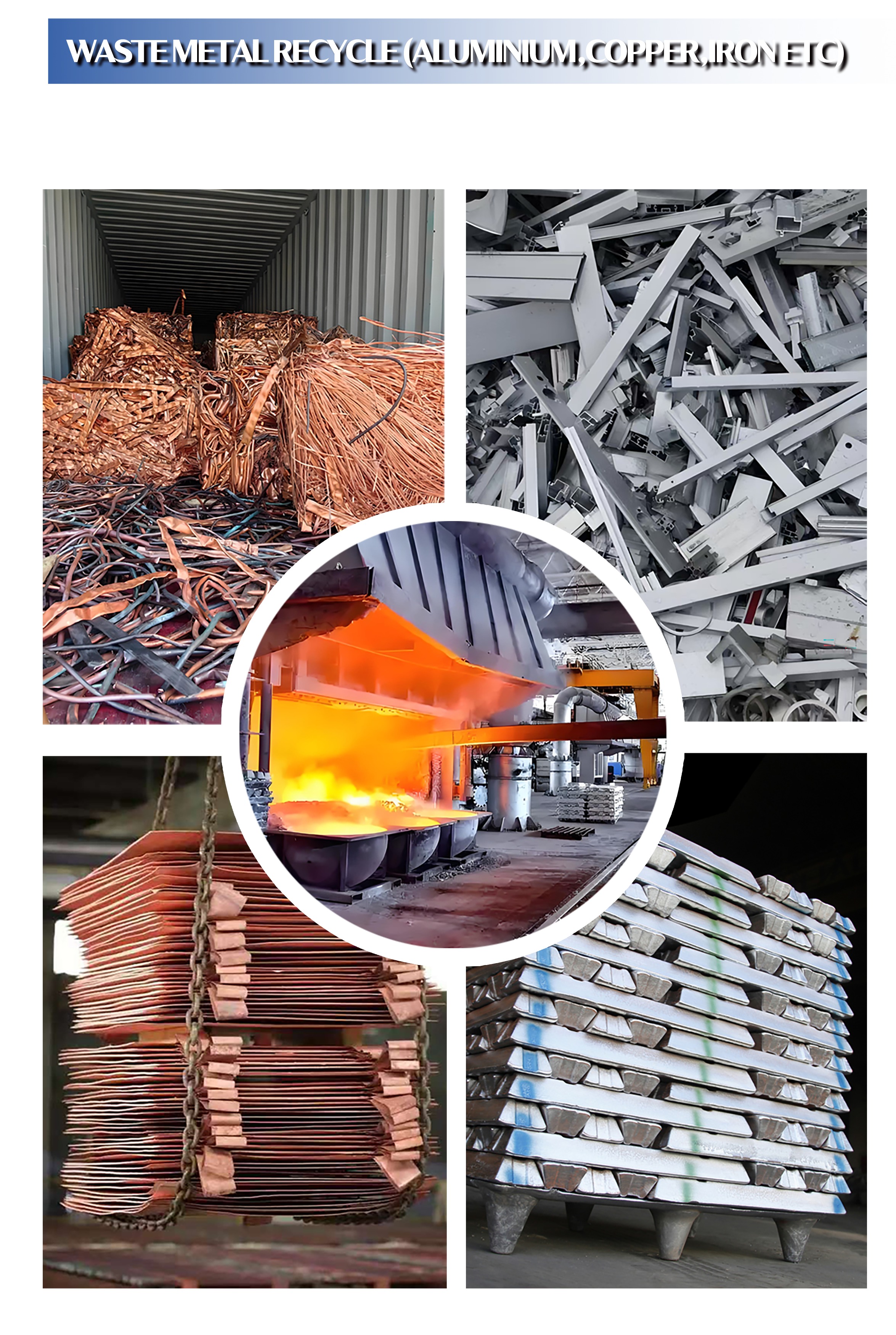
Copper & Aluminum Recycling feedstock process and equipment

Copper and aluminum recovery

Copper & Aluminum Recycling

Copper and aluminum recovery is separated from general scrap-metal processing because conductors, alloys, coatings, oils, attachments and downstream product specifications require tighter control. Cable stripping or granulation, magnetic and density separation, aluminum preparation, melting and ingot casting, or copper electrorefining interfaces are selected for the verified feed and…

Copper / Aluminum Receipt and InspectionGrade and Alloy SortingCable Stripping / Granulation or Scrap PreparationMagnetic / Density / Eddy-current SeparationCleaning and DryingMelting / Refining where required

Main equipment: Cable and conductor processing, non-ferrous separation, copper and aluminum preparation, melting or electrorefining interfaces, casting and product handling.

Related project: Foshan Waste Aluminum Recycling & Ingot Production Project

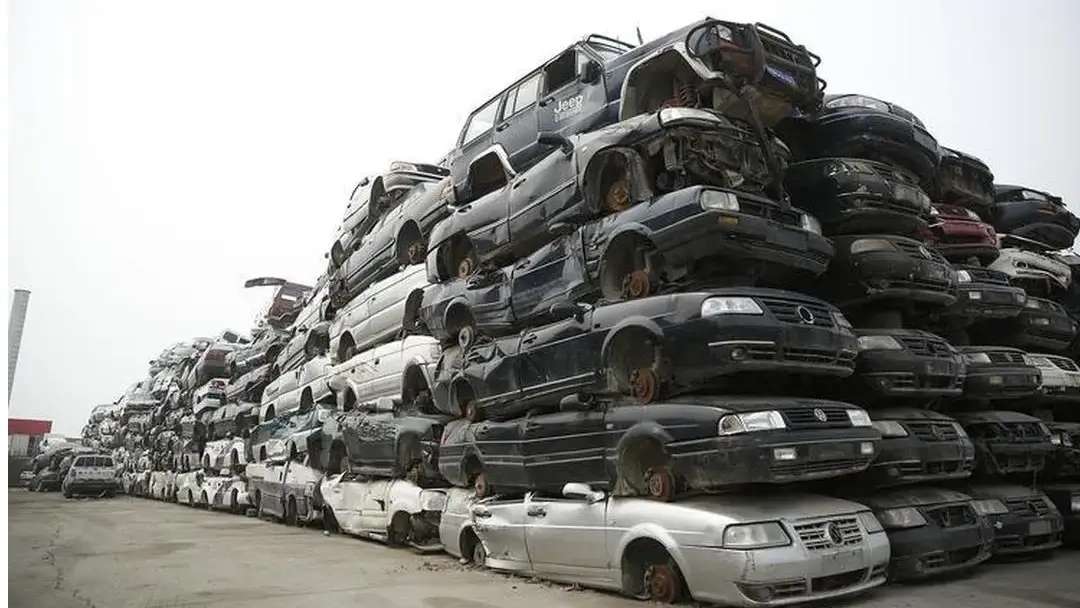
End-of-Life Vehicle Recycling feedstock process and equipment

End-of-life vehicle receiving yard

End-of-Life Vehicle Recycling

End-of-life vehicle processing begins with traceable receipt and depollution of fluids, batteries, airbags, refrigerants and other hazardous components. Dismantling depth, reusable-part recovery, shearing or shredding, ferrous and non-ferrous separation and residue treatment are selected to match vehicle mix and downstream markets. Safe lifting, fire protection, fluid containment and…

Vehicle RegistrationDepollutionBattery / Airbag / Refrigerant RemovalReusable-Part DismantlingTire and Glass RemovalBody Shearing / Flattening

Main equipment: Depollution stations, dismantling tools, lifts, shears or shredder, magnets, eddy-current separation and residue controls.

Related project: USA End-of-Life Vehicle Dismantling & Recycling Project

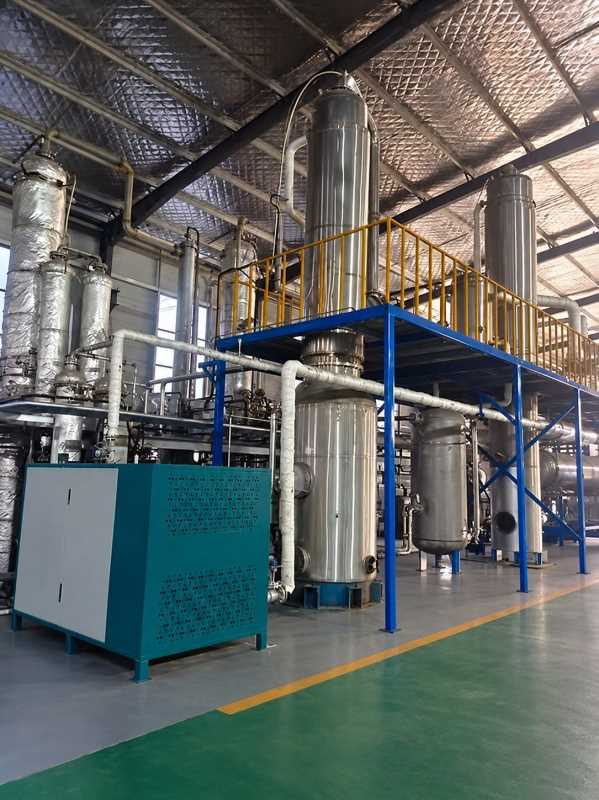
Waste Oil Recycling & Treatment feedstock process and equipment

Waste-oil treatment equipment

Waste Oil Recycling & Treatment

Waste-oil treatment is designed from oil type, water, solids, additives, metals, flash point and the required recovered product or disposal route. Reception and testing may lead to settling, filtration, dehydration, separation, distillation or polishing under controlled vapor and fire-safety conditions. Residue classification, tankage, emissions, utilities and product acceptance…

Waste Oil ReceptionSampling and Laboratory TestingSettlingCoarse FiltrationDehydrationCentrifugal / Phase Separation

Main equipment: Reception tanks, filters, dehydration, separation or distillation, polishing, vapor control and residue storage.

Waste and Resource-Recovery Projects

Thailand 5 tonnes per hour waste straw-to-pulp line

AGRICULTURAL WASTE TO PULP

Agricultural Straw to Pulp & Paperboard

Thailand project route for converting waste straw into pulp through feed preparation, conditioning, pulping, washing, screening and stock preparation. Published project basis: 5 t/h.

Straw ReceptionSorting / Dust RemovalCutting / Size ReductionWashing / ConditioningPulping RoutePulp WashingScreening / CleaningStock PreparationPulp Storage / DewateringPaper / Paperboard Interface

Main equipment: receiving and feeding equipment, cutting and cleaning system, pulping equipment, washing and screening, pulp transfer, stock preparation, water and environmental systems.

Further reading

Manual or Automated MSW Sorting: Which Does Your Plant Need?

Sludge treatment routes

WhatsApp