
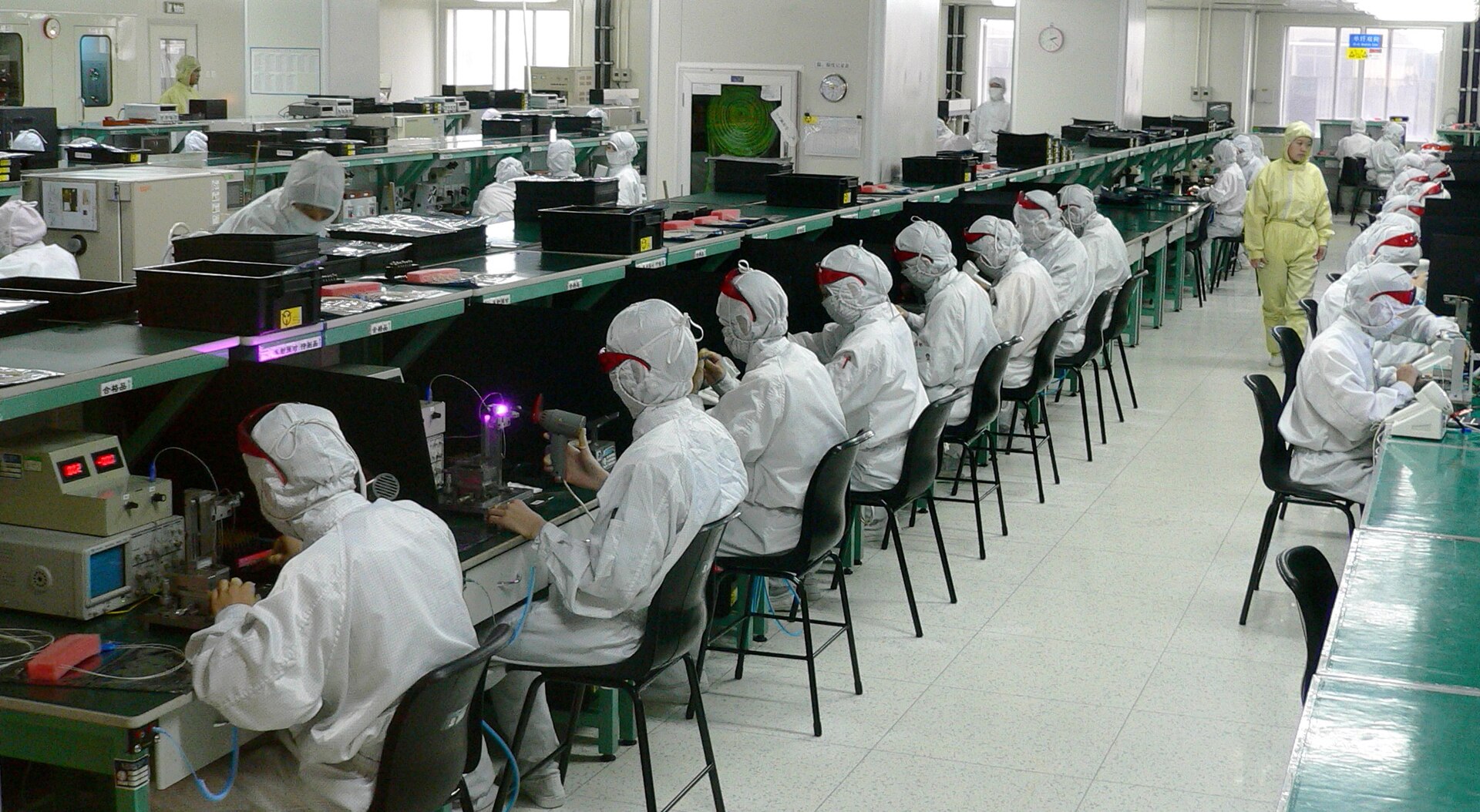
A dedicated electronics factory combines ESD-controlled material flow, SMT and optional through-hole assembly, automated inspection, electrical testing, final product assembly, serialization and controlled packing. It is separate from the CKD/SKD home-appliance and switchgear assembly scope.
Capacity and Technical Parameters
Preliminary engineering selection range: PCBA or small electrical-product equivalent; output depends on board complexity, component count, changeover, test coverage, panelization and planned OEE. Final guaranteed values require confirmed feed/product data, utility quality, operating schedule, site conditions and acceptance protocol.
| Parameter | Compact line | Standard plant | High-output / parallel plant |
|---|---|---|---|
| PCBA output | 500–5,000 boards/day | 5,000–20,000 boards/day | 20,000–100,000+ boards/day |
| SMT placement capacity | 20,000–60,000 CPH | 60,000–150,000 CPH | 150,000–300,000+ CPH |
| Product changeover | High-mix / low-volume | Balanced mix and volume | High-volume or parallel product families |
| Inspection and test | SPI/AOI + functional test | SPI/AOI + ICT/FCT | Full traceability, ICT/FCT and optional burn-in |
| Environmental control | ESD + controlled temperature/humidity | Zoned ESD and material control | Central monitoring, dry storage and MES interface |
Process Configuration Flow
Factory Route Reference Images
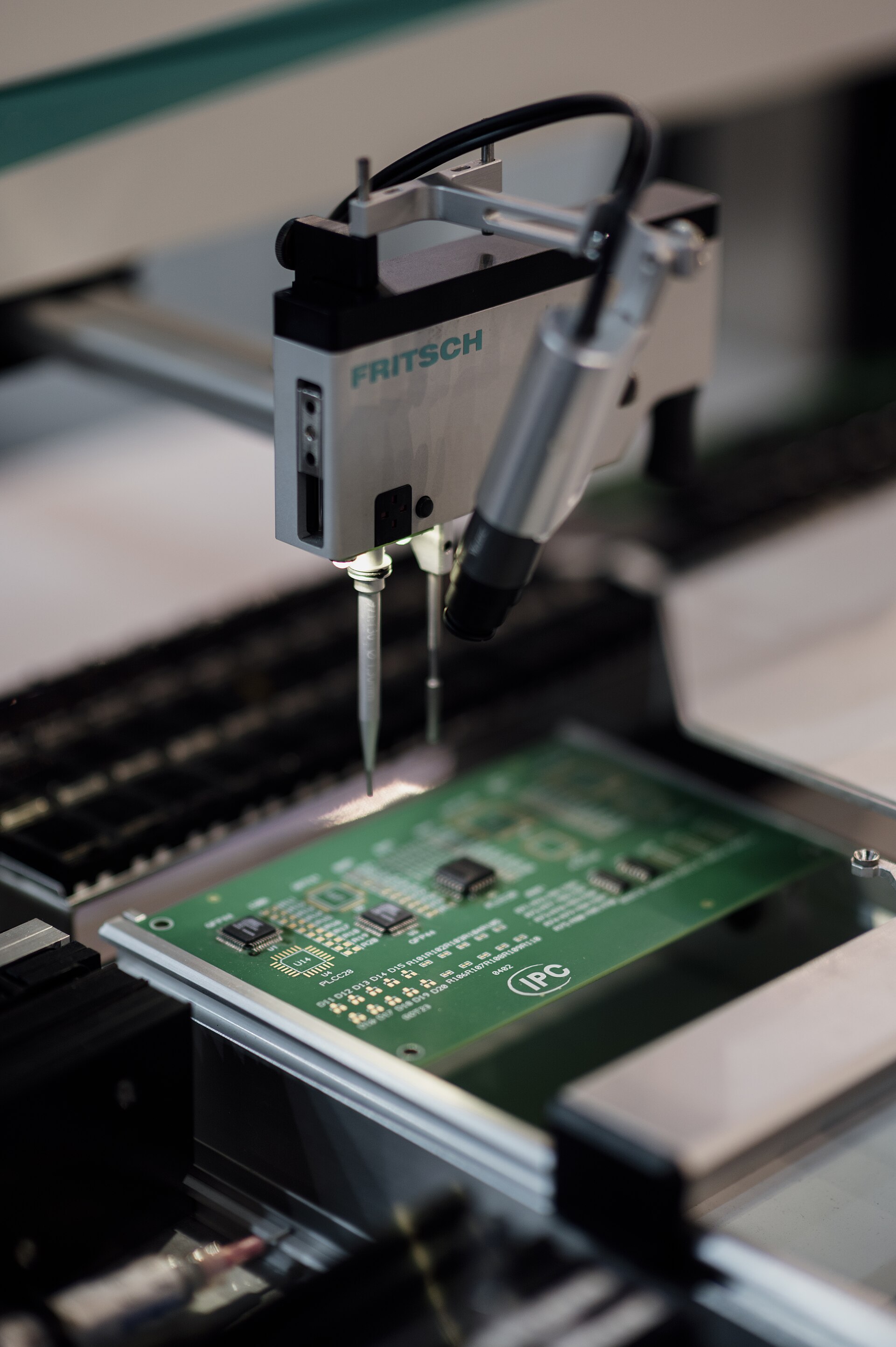
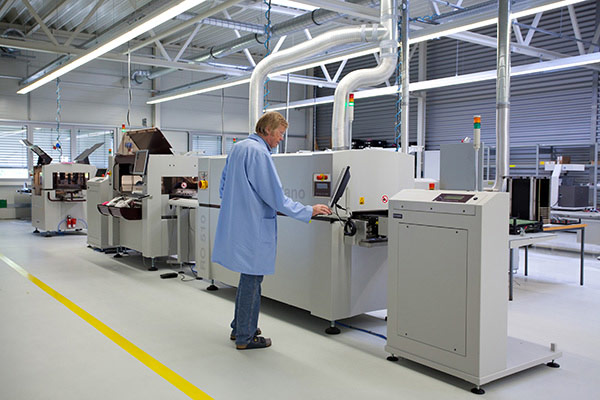
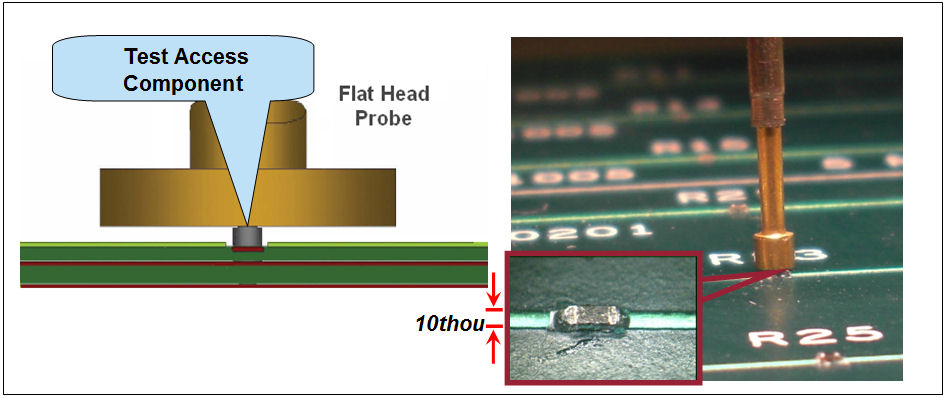
Main Equipment and Systems
- ESD-controlled warehouse and kitting
- Stencil printer and solder-paste inspection
- Pick-and-place machines and feeders
- Reflow oven and automated optical inspection
- THT, selective soldering or manual assembly cells
- ICT, functional test and optional burn-in
- Serialization, traceability and MES interface
- Final assembly, labeling and controlled packing
Customer Engineering Inputs
Provide product families, Gerber/BOM and component data, panel design, daily and annual volume, shift model, required test coverage, quality standards, ESD class, traceability level, clean/dry-storage requirements and site utilities.
Utilities and Environmental Interfaces
Engineering covers ESD protection, solder-fume extraction, flux and chemical control, temperature/humidity, compressed air, clean power, waste segregation, fire safety, ergonomic workstations and controlled nonconforming-product areas.
Frequently Asked Questions
Is this the same as an SKD assembly line?
No. This page covers PCB and electrical/electronic product assembly with ESD, SMT, inspection and test systems.
Can both SMT and through-hole assembly be included?
Yes. The line is configured from the product BOM, component mix, soldering method and test plan.
How is placement capacity stated?
Placement capacity is shown as components per hour, then converted to boards per shift using component count, panelization, changeover and OEE.
Can traceability be included?
Yes. Barcode or data-matrix serialization can link materials, process parameters, inspection and test records.
Is burn-in required for every product?
No. Burn-in and aging are included only when the product risk, customer specification or qualification plan requires them.
Are the capacity bands guaranteed?
They are preliminary planning ranges. Final output follows product data, line simulation, test time and an agreed acceptance method.