
SLUDGE TREATMENT · SEPARATE ENGINEERING ROUTE
Municipal Sewage Sludge
Primary sludge, waste activated sludge and digested sludge from municipal sewage-treatment plants. It is kept separate from livestock/slaughterhouse sludge and from industrial or oily sludge.
Municipal Wastewater Treatment
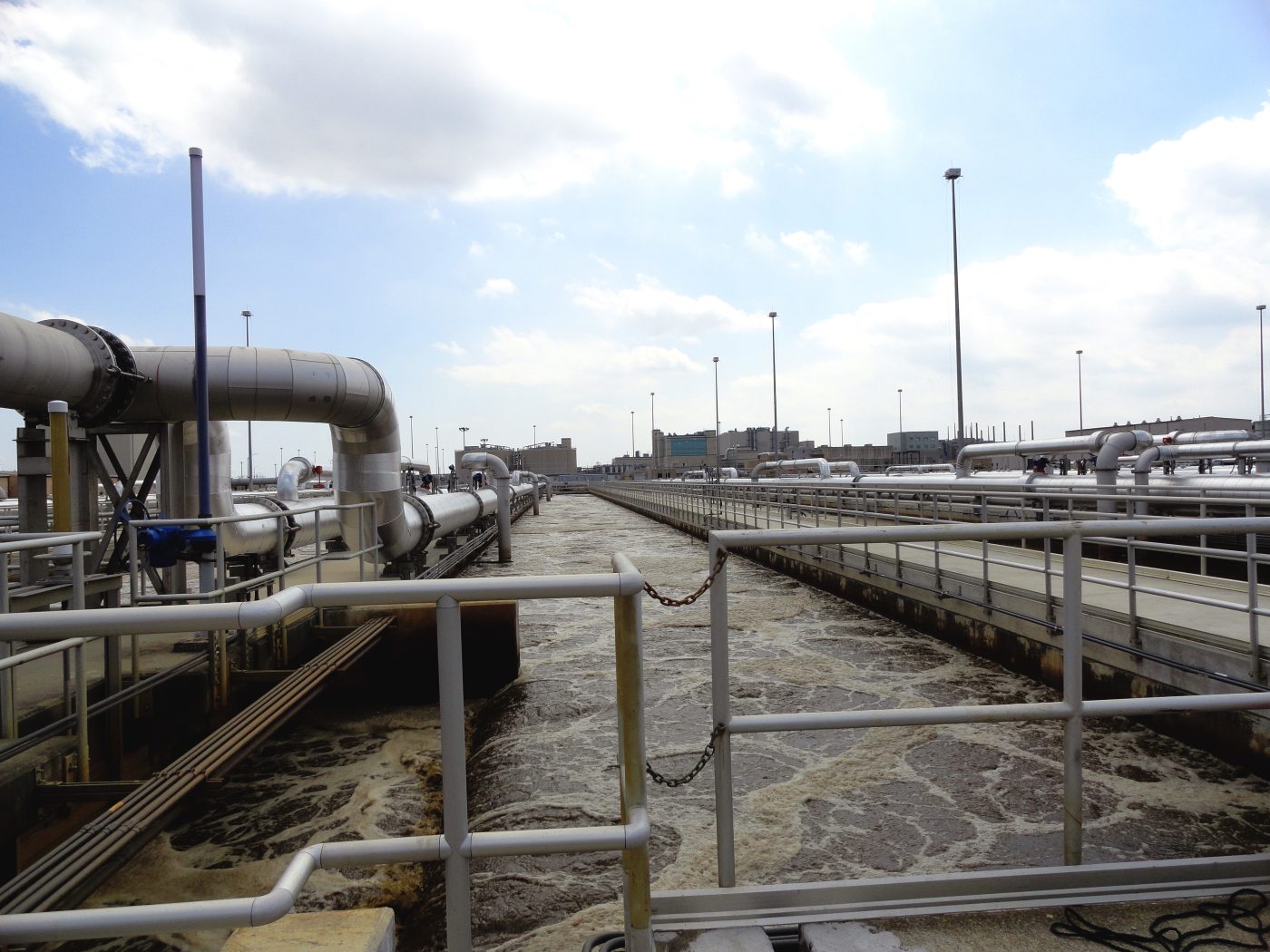
Process Flow
Preliminary Capacity Range
| Configurable range | 10–500 wet t/day or 2–100 m³/h dewatering feed |
|---|---|
| Final sizing basis | Representative samples, minimum / normal / peak flow, operating hours, dry-solids load, required cake moisture, utilities and final output route. |
Engineering Boundary
Required analyses include source process, dry solids, volatile solids, pathogens, grit, salinity, nutrients, metals, organic contaminants, calorific value after dewatering and dewaterability. The final route depends on local sewage-sludge regulations and verified acceptance criteria.
Back to the four sludge categories Request a Project Evaluation
Preliminary Capacity & Technical Specification Range
| Typical configurable capacity | 5–200 wet t/day or 1–50 m³/h dewatering feed |
|---|---|
| Feed basis | Sludge origin, dry solids, oil, salts, metals, pathogens, particle size and dewaterability |
| Typical outputs | Dewatered cake, dried solids, recovered oil/water where applicable, or compliant residue |
| Key utilities | Power, polymer/conditioning chemicals, wash water, thermal energy where drying is included |
Required for quotation: representative photos and samples, minimum/normal/peak feed quantity, composition and contamination analysis, operating hours, desired products and sizes, local emission/discharge limits, utilities, plot plan and required automation.