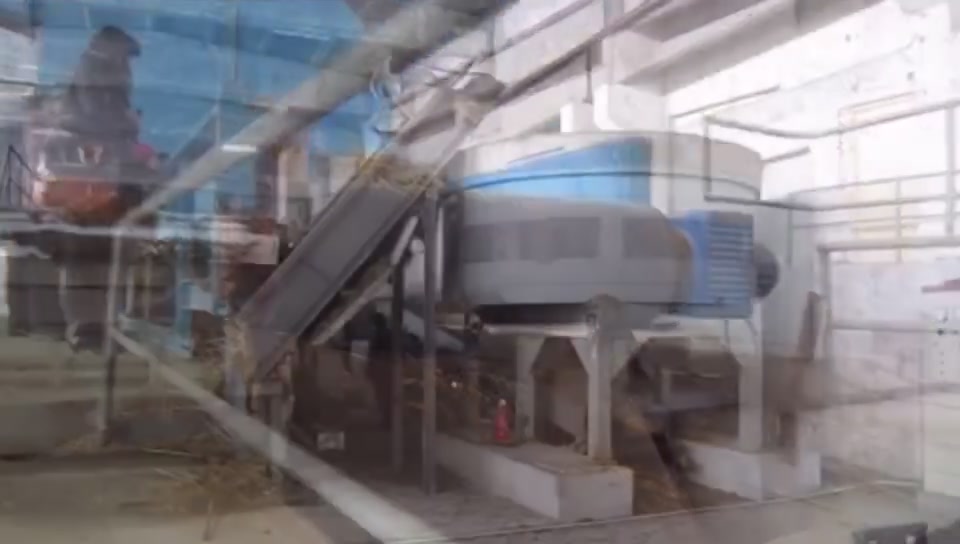
Straw, Bagasse & Agricultural Fibre to Pulp / Paperboard
Feed inspection, cleaning, size reduction, pulping, washing, screening and paper or board preparation.
 CHINA BENTEINDUSTRY GROUP
AGRICULTURAL WASTE · FEED INGREDIENTS
Raw materials: eligible, source-separated crop and food-processing residues only. Processing: inspection, foreign-material removal, hygienic preparation, drying, milling, mixing and pelletizing as required. Finished product: tested feed ingredients or pellets for the approved market. This route is separate from pulp and paper, biomass fuel, fertilizer, manure, wastewater sludge and slaughterhouse protein meals.
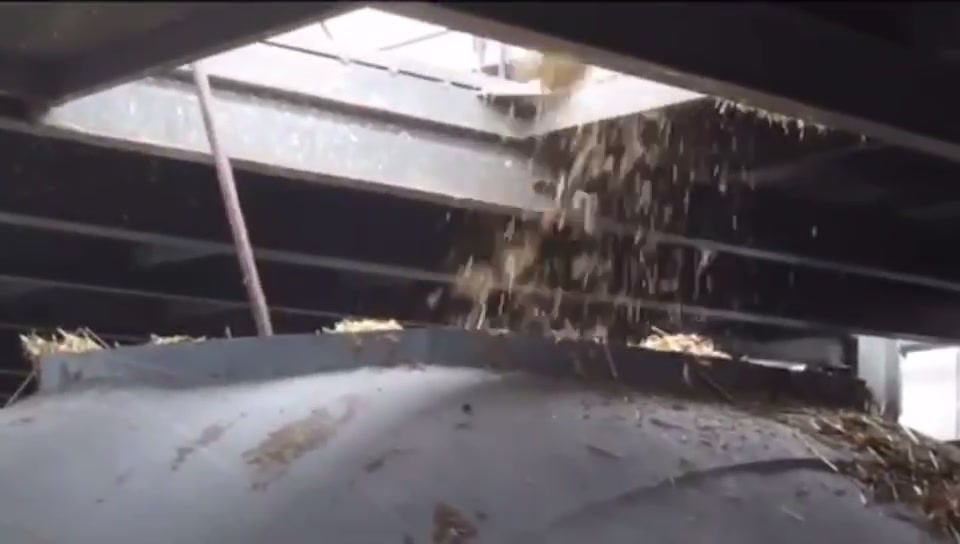
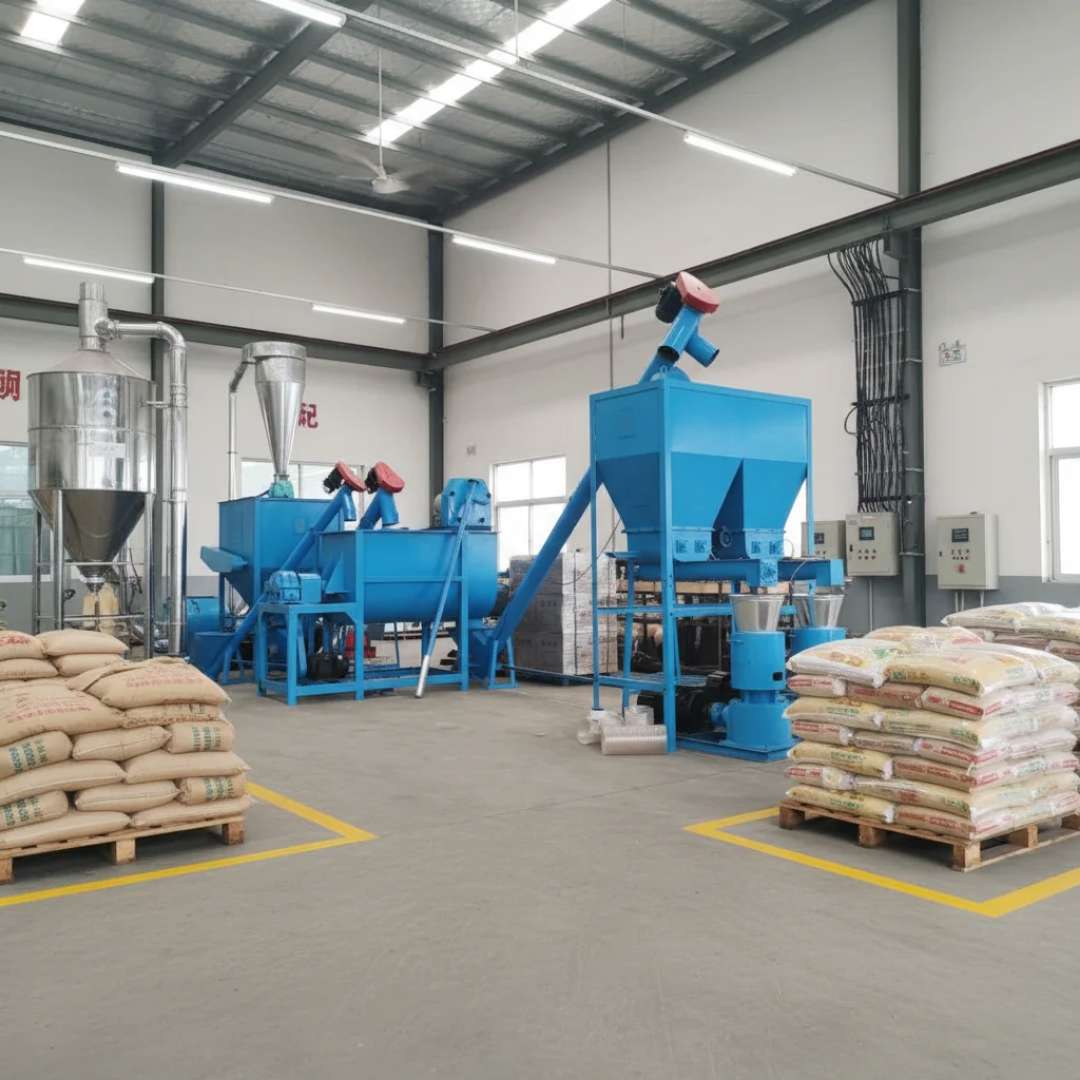
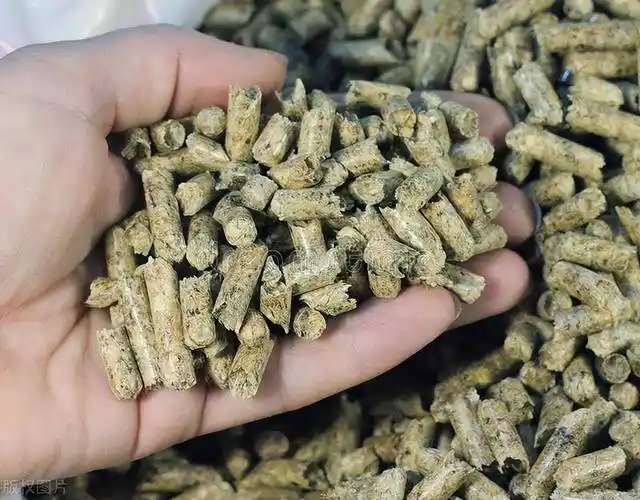
View the dedicated feed-ingredient route and separate slaughterhouse by-product route →
Raw materials: suitable crop straw, sugarcane bagasse and other verified plant fibers. Finished products: pulp, molded fiber, paper and paperboard, according to fiber tests and the selected production route. This is a dedicated agricultural-residue route, separate from fuel, fertilizer and feed production.
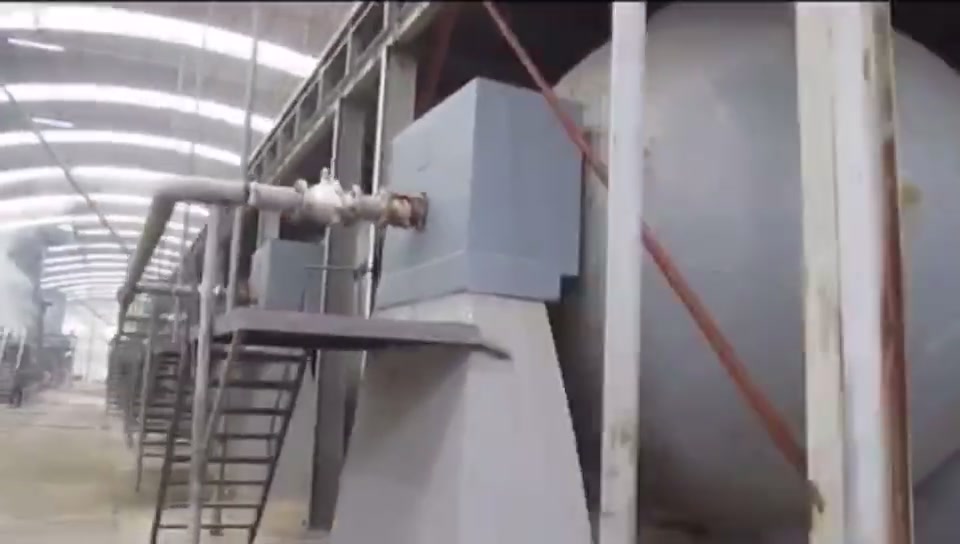
Preparation → Pulping → Washing & screening → Pulp preparation → Forming & drying, where paper or board production is included.
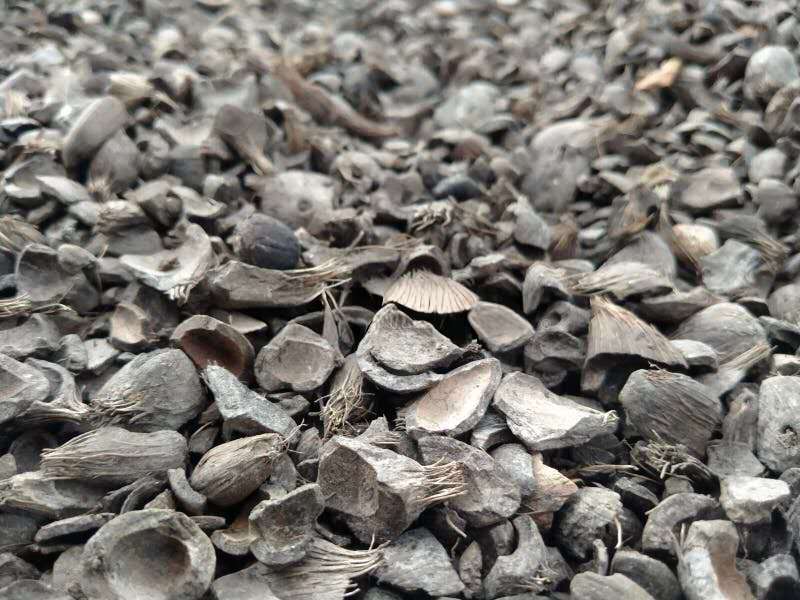
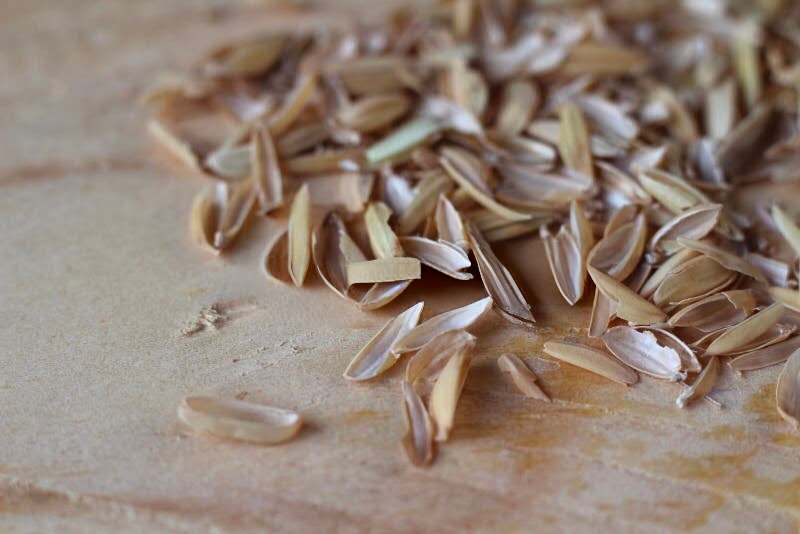
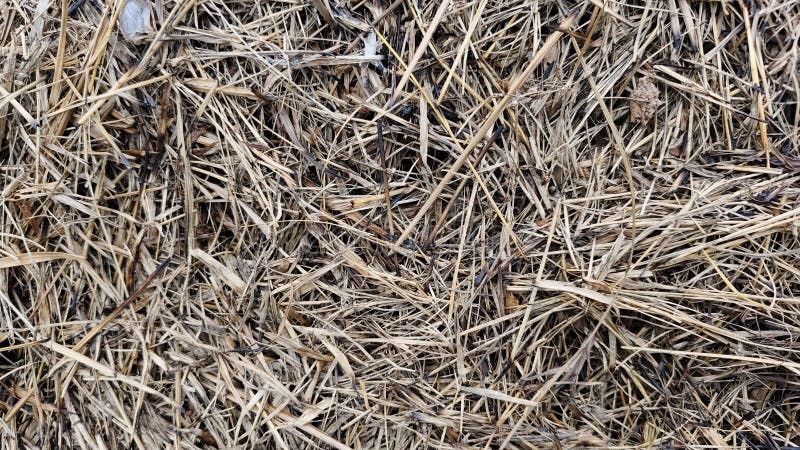
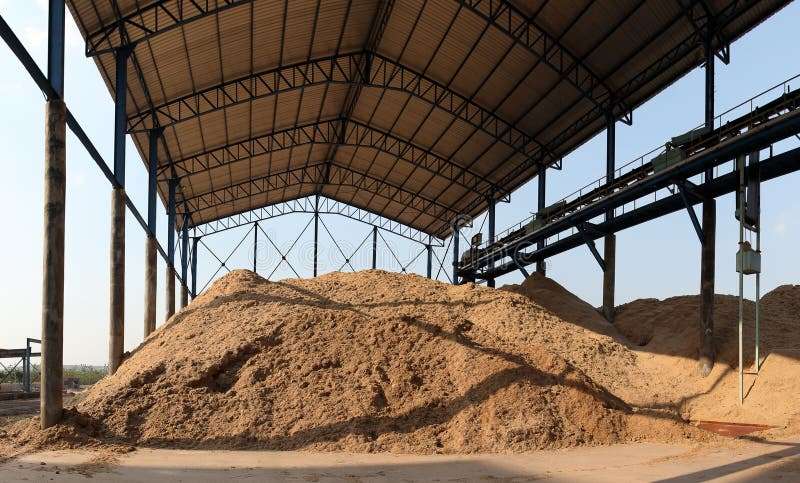
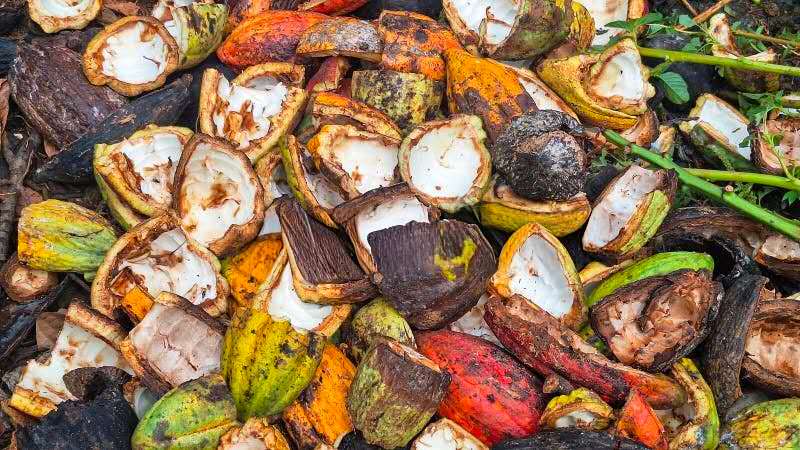
Choose the actual incoming material first, then its required product. Each row represents a separate process route with its own material balance, equipment and product acceptance requirements.
| Subcategory | Raw materials | Finished products | Processing route |
|---|---|---|---|
| Crop straw and bagasse | Corn, wheat, rice and sorghum straw; sugarcane bagasse | Prepared biomass, pellets or briquettes; pulp and paper where suitable | Sorting, chopping, drying and route-specific conversion |
| Agricultural-processing by-products | Rice husk, corn cobs, coffee husks, fruit pomace and oilseed-processing residues | Fuel, compost, biogas or eligible feed ingredients | Source inspection, cleaning, moisture adjustment and dedicated conversion |
| Fruit shells and plant fibers | EFB, PKS, coconut shells and coir; banana stems and pineapple leaves | Biochar, charcoal, activated carbon, cocopeat or recovered fibers | Size reduction, drying, carbonization/activation or fiber/coir processing |
| Livestock manure | Separately collected cattle, poultry and sheep manure | Compost, organic fertilizer, biogas and managed digestate | Screening, mixing and aerobic composting or anaerobic digestion |
| Pulp and paper | Verified straw, bagasse and suitable plant fibers | Pulp, molded fiber, paper and board | Cleaning, chopping, pulping, screening, forming and drying |
| Plant-based feed ingredients | Eligible source-separated crop and food-processing by-products | Tested dried, milled, fermented or blended feed ingredients | Foreign-material removal, appropriate hygienic treatment, drying, milling and testing |
| Slaughterhouse by-products | Eligible blood, feathers, meat/bone residues and separated fat | Blood meal, hydrolyzed feather meal, meat-and-bone meal or rendered fat where permitted | Separate receiving, cooking/hydrolysis, pressing, fat separation, drying and product testing |
Feed eligibility and animal-by-product restrictions depend on the source, destination market and required product tests. Wastewater sludge has its own sludge-treatment category.
Separate routes: eligible meat and bone → meat-and-bone meal; blood → blood meal; feathers → hydrolyzed feather meal; separated fat → rendered fat. Manure follows a separate organic-fertilizer or biogas route. Wastewater sludge is not a feed ingredient.
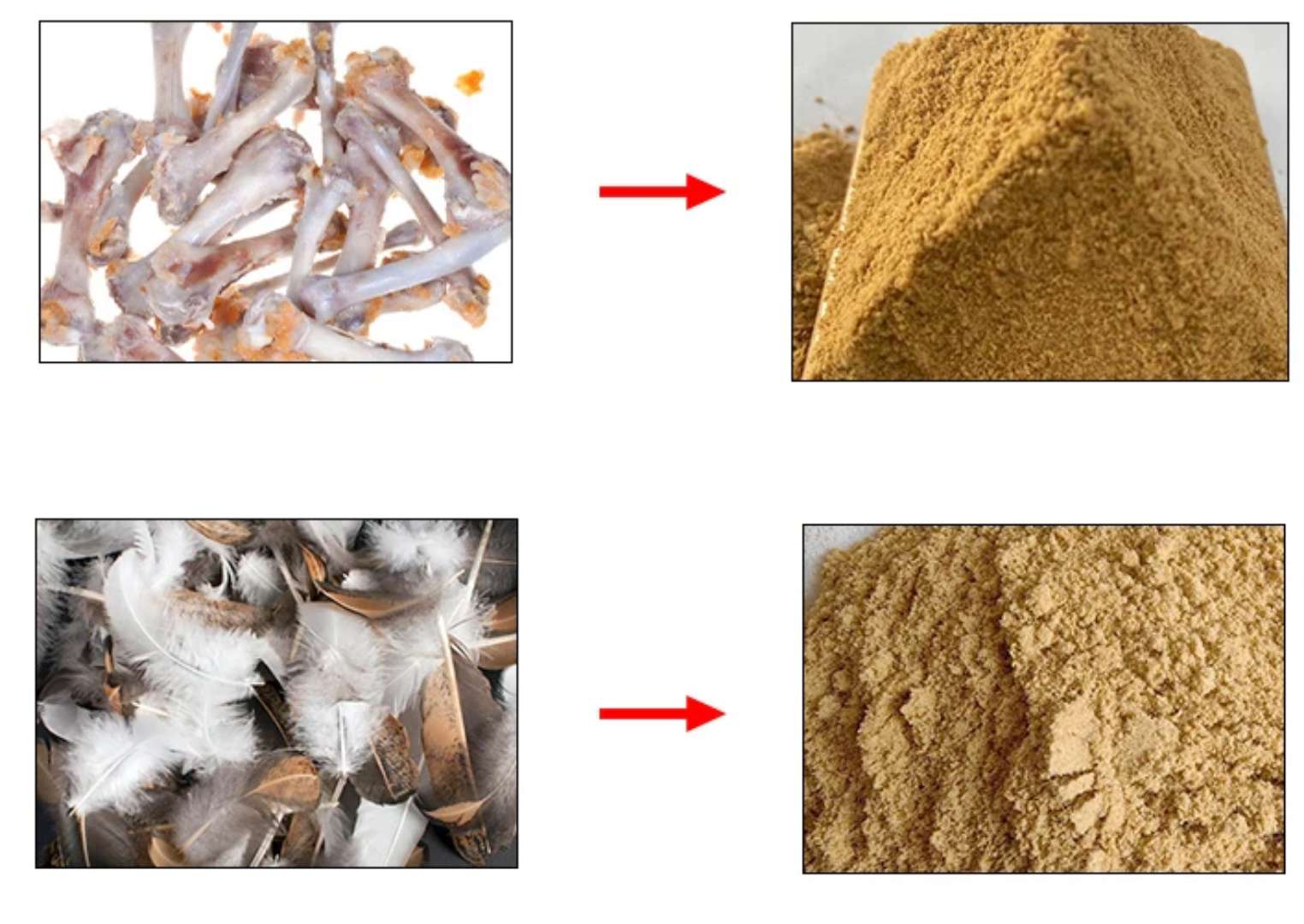
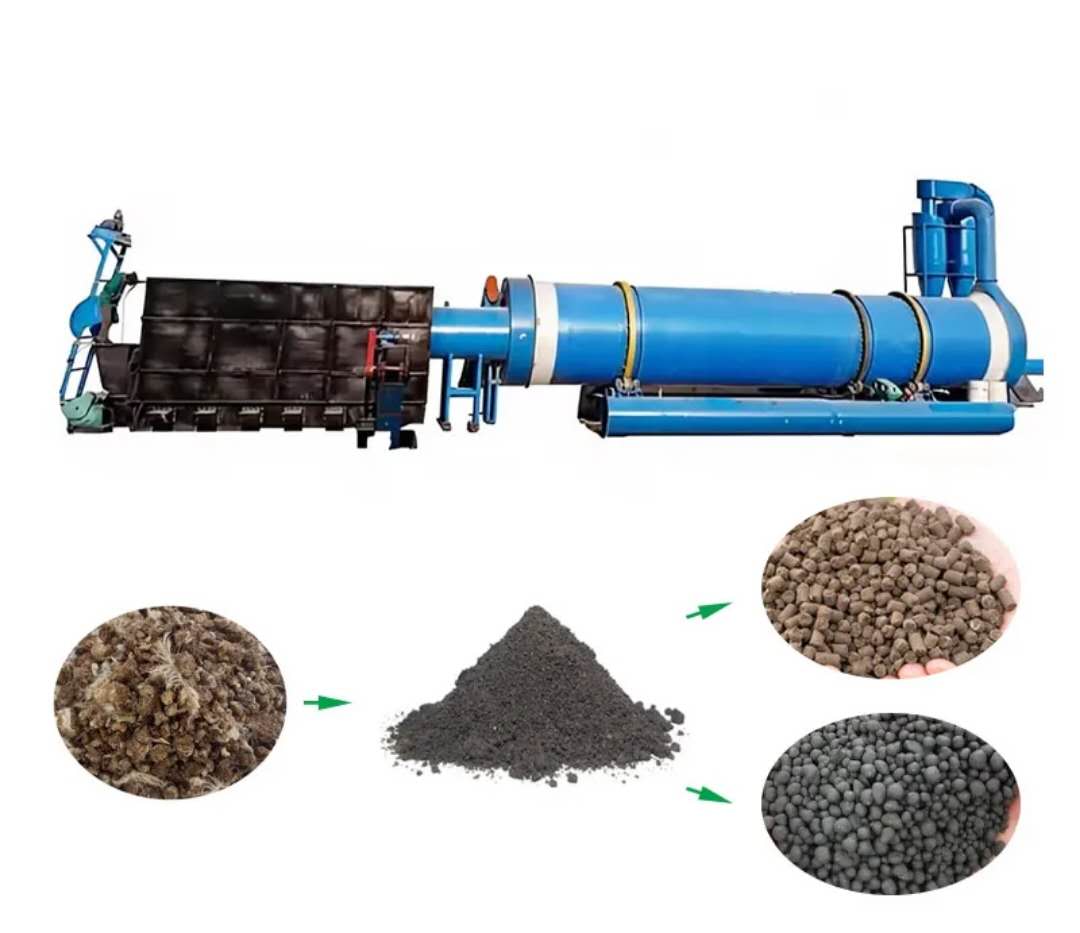
Agricultural residues, food-processing residues and slaughter by-products are classified before processing. Wastewater sludge remains in the separate sludge category.
Feed inspection, cleaning, size reduction, pulping, washing, screening and paper or board preparation.
Drying, sizing, carbonization, controlled cooling, activation and grading for charcoal or activated-carbon products.
Impurity removal, slurry preparation, anaerobic digestion, gas cleaning and the selected power, heat or biomethane route.
Sorting, removal of inerts, controlled size reduction, drying and fuel-quality control.
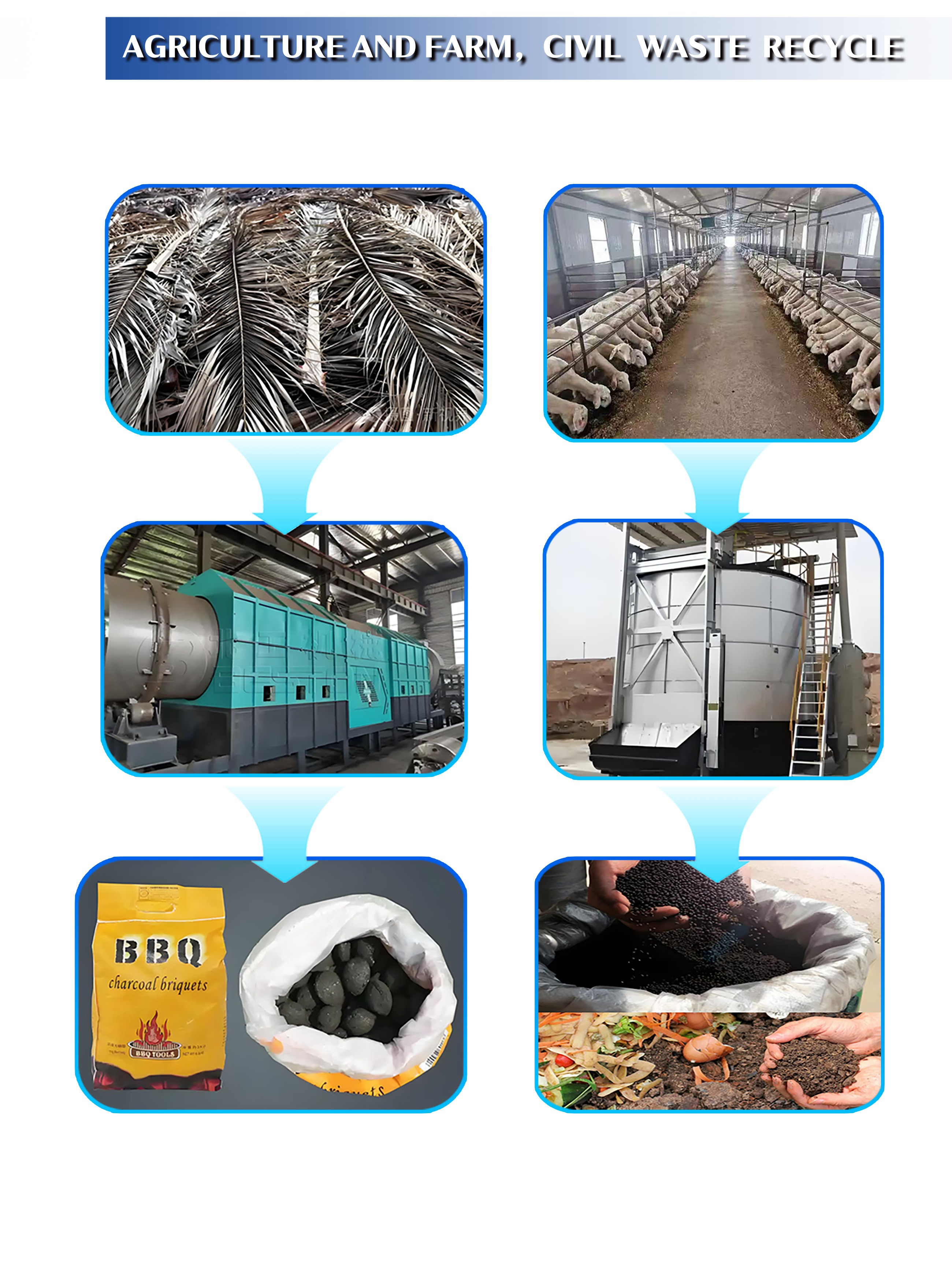
Eligible source-separated feathers, blood, meat and bone residues may follow hygienic cooking or hydrolysis, fat separation, pressing, drying, milling and regulated feed-ingredient testing. Slaughterhouse wastewater sludge is excluded.
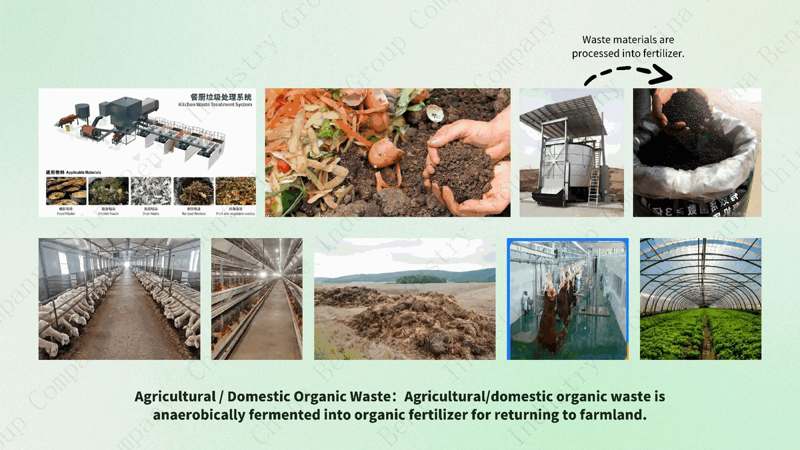
Enclosed receipt, depackaging, pulping, grit and oil removal, odor control and the approved biogas, compost or other recovery route.
| Typical configurable capacity | 5–300 t/day, selected separately for each pulp, carbon, biogas, RDF, fertilizer or feed route |
|---|---|
| Feed basis | Material identity, moisture, ash, contaminants, biodegradability, fiber and seasonal availability |
| Typical outputs | Pulp, charcoal/activated carbon, biogas, biomass fuel/RDF, fertilizer or permitted feed ingredient |
| Key utilities | Power, water, heat/steam and route-specific emission or wastewater treatment |
Required for quotation: representative photos and samples, minimum/normal/peak feed quantity, composition and contamination analysis, operating hours, desired products and sizes, local emission/discharge limits, utilities, plot plan and required automation.
Share representative waste characterization, throughput range, required outputs, utilities, site constraints and compliance requirements.
Start the engineering evaluation