
SLUDGE TREATMENT · SEPARATE ENGINEERING ROUTE
Organic Sludge & Slurry
Liquid, thickened or dewatered organic sludge from verified livestock, slaughterhouse and food-plant processes and wastewater treatment. Specify its actual source, solids, moisture, oil and contamination. Source-separated animal by-products and clean food residues retain their own agricultural or organic-by-product routes.
Additional Supplied Vessel and Material-Discharge Media
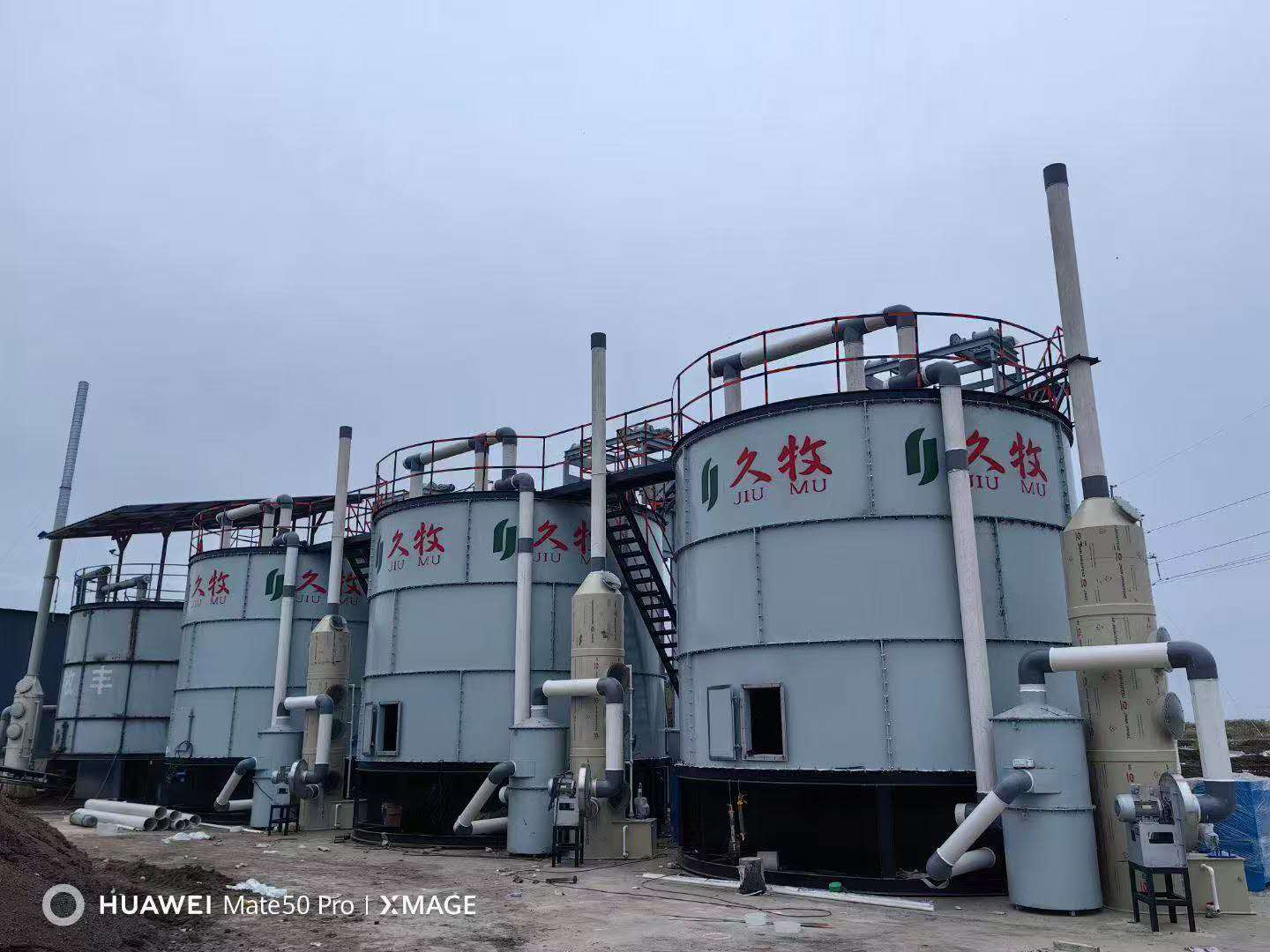
Supplied video: Material discharge and vessel exterior.
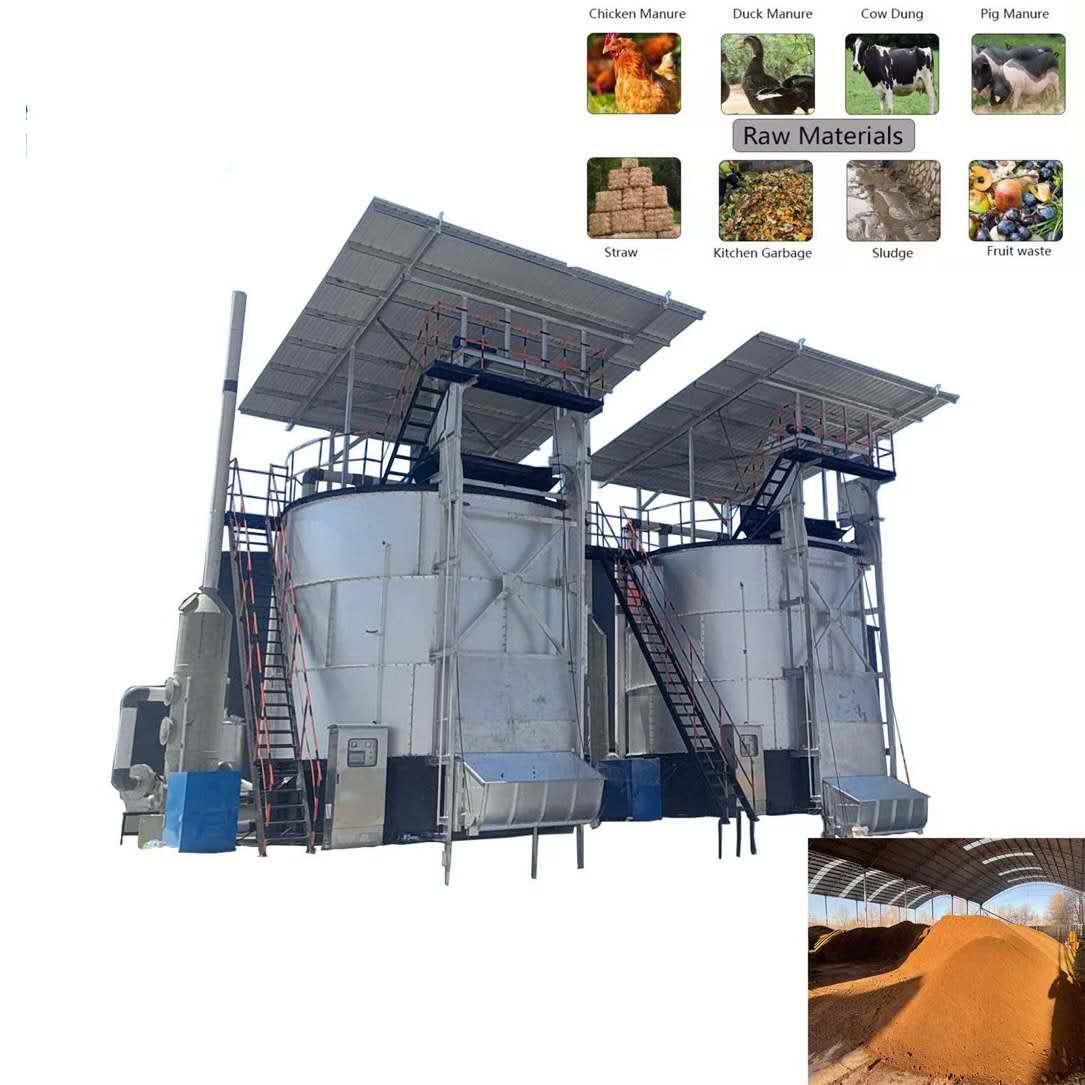
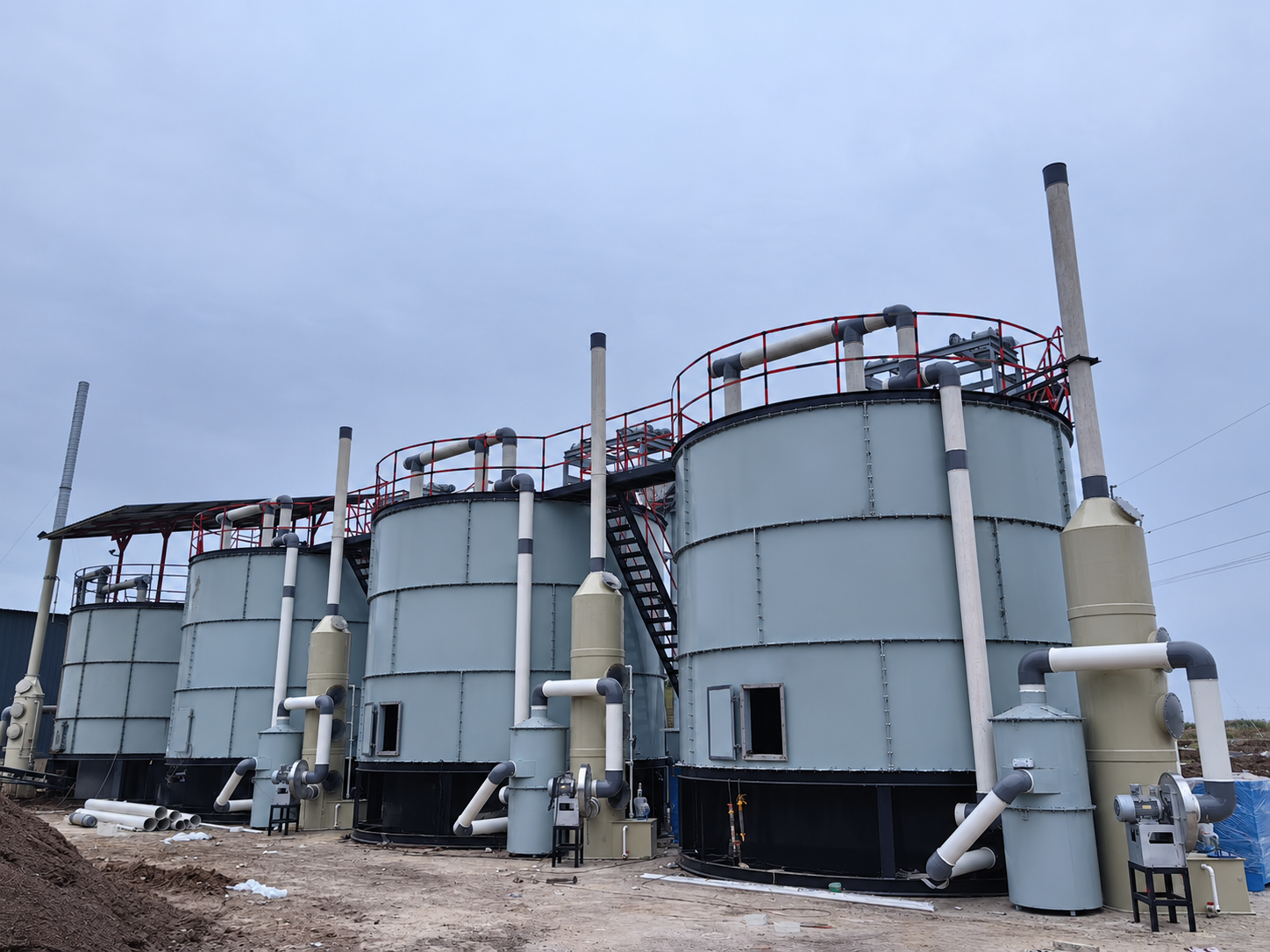
Real Feedstock and Equipment
Process Flow
Preliminary Capacity Range
| Configurable range | 5–200 wet t/day or 1–50 m³/h dewatering feed |
|---|---|
| Final sizing basis | Representative samples, minimum / normal / peak flow, operating hours, dry-solids load, required cake moisture, utilities and final output route. |
Engineering Boundary
Required analyses include dry solids, volatile solids, oil and grease, grit, pathogens, salinity, nitrogen, phosphorus, metals, dewaterability and any cleaning-chemical contamination. No feed claim is allowed. Fertilizer or soil-use routes require testing and local approval.
Back to the four sludge categories Request a Project Evaluation
Preliminary Capacity & Technical Specification Range
| Typical configurable capacity | 5–200 wet t/day or 1–50 m³/h dewatering feed |
|---|---|
| Feed basis | Sludge origin, dry solids, oil, salts, metals, pathogens, particle size and dewaterability |
| Typical outputs | Dewatered cake, dried solids, recovered oil/water where applicable, or compliant residue |
| Key utilities | Power, polymer/conditioning chemicals, wash water, thermal energy where drying is included |
Required for quotation: representative photos and samples, minimum/normal/peak feed quantity, composition and contamination analysis, operating hours, desired products and sizes, local emission/discharge limits, utilities, plot plan and required automation.