
Egypt Upgrade: Complete Before & After Gallery
Before Upgrade — 4 Photographs
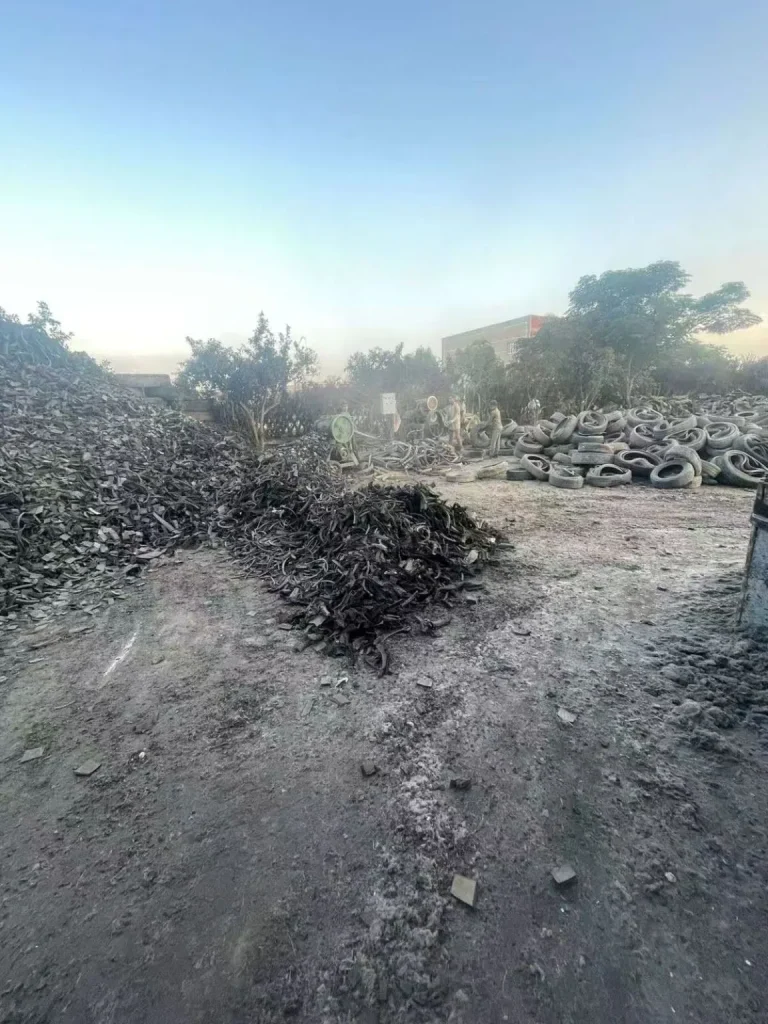
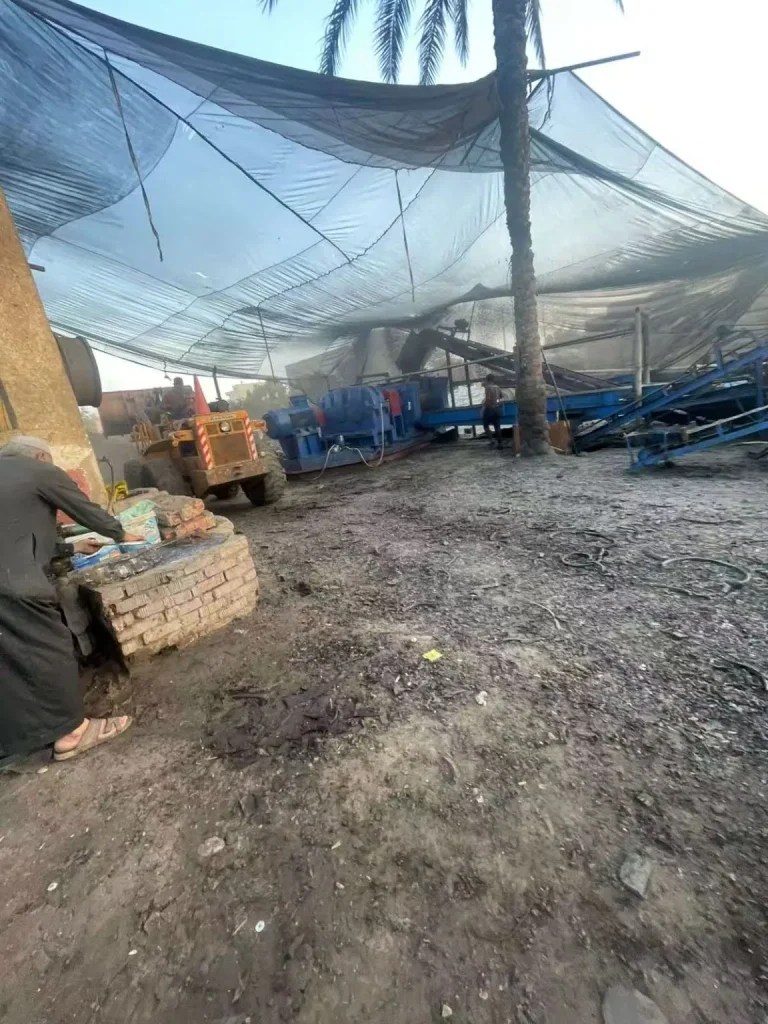
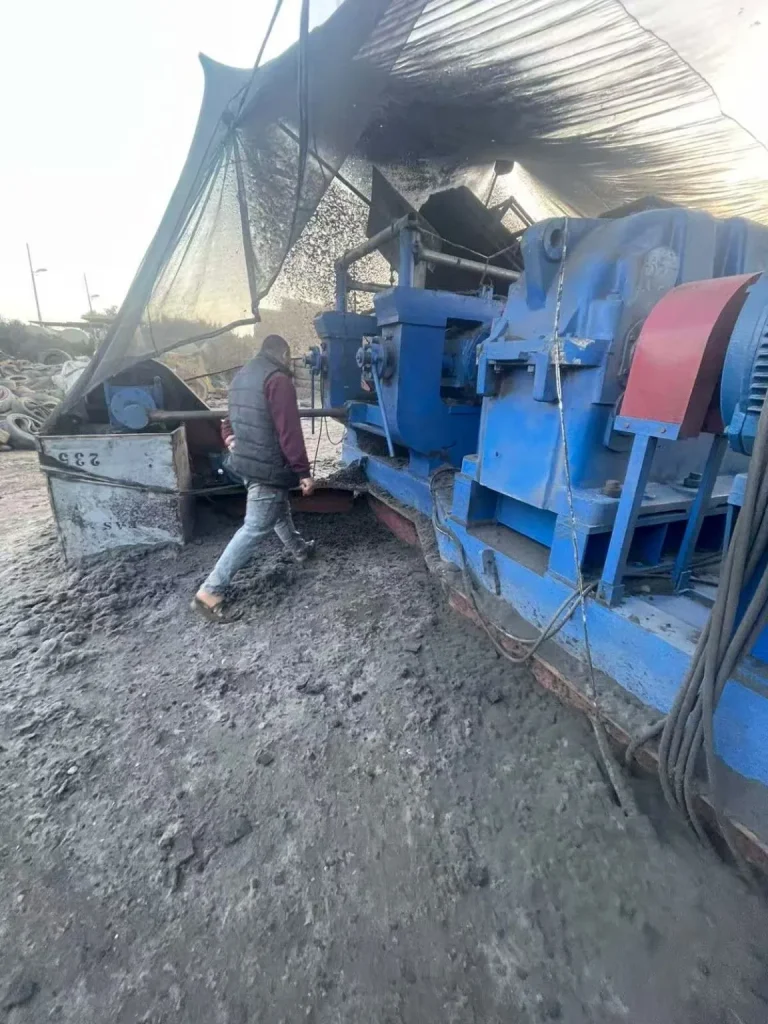
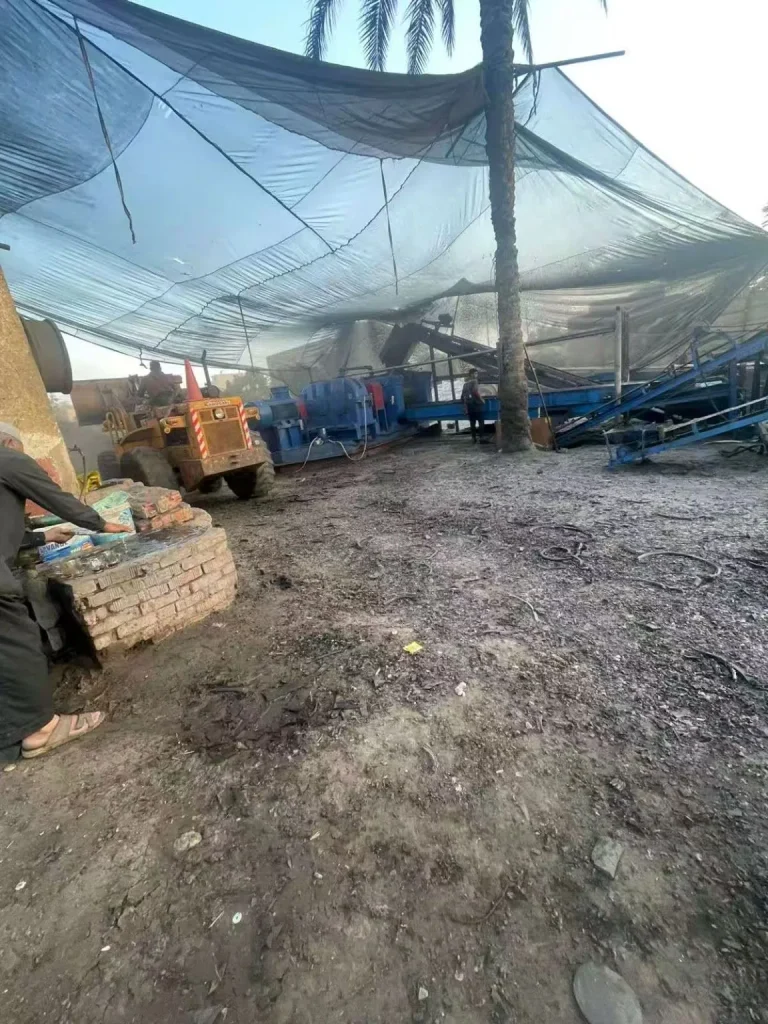
After Upgrade — 5 Photographs
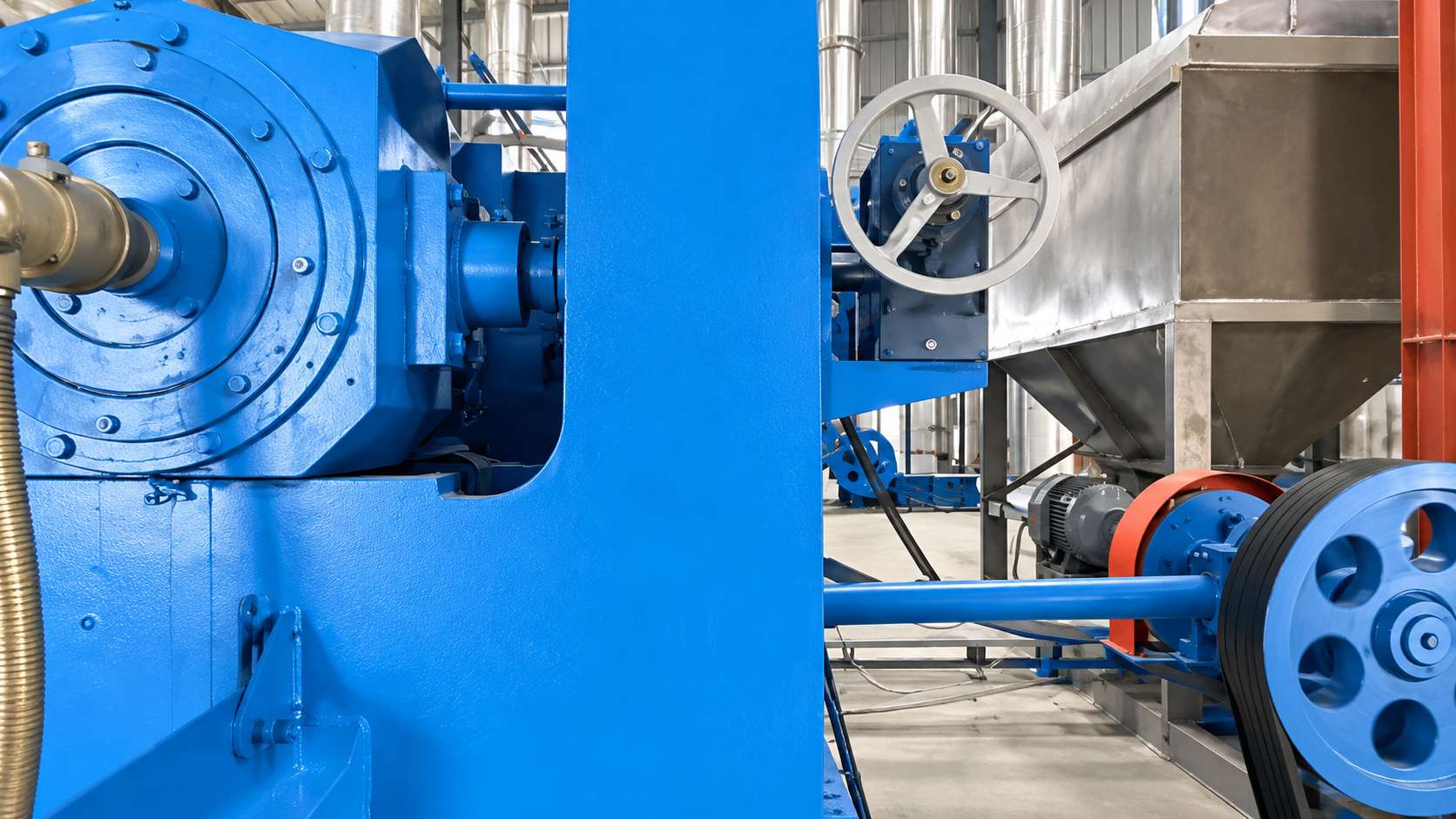
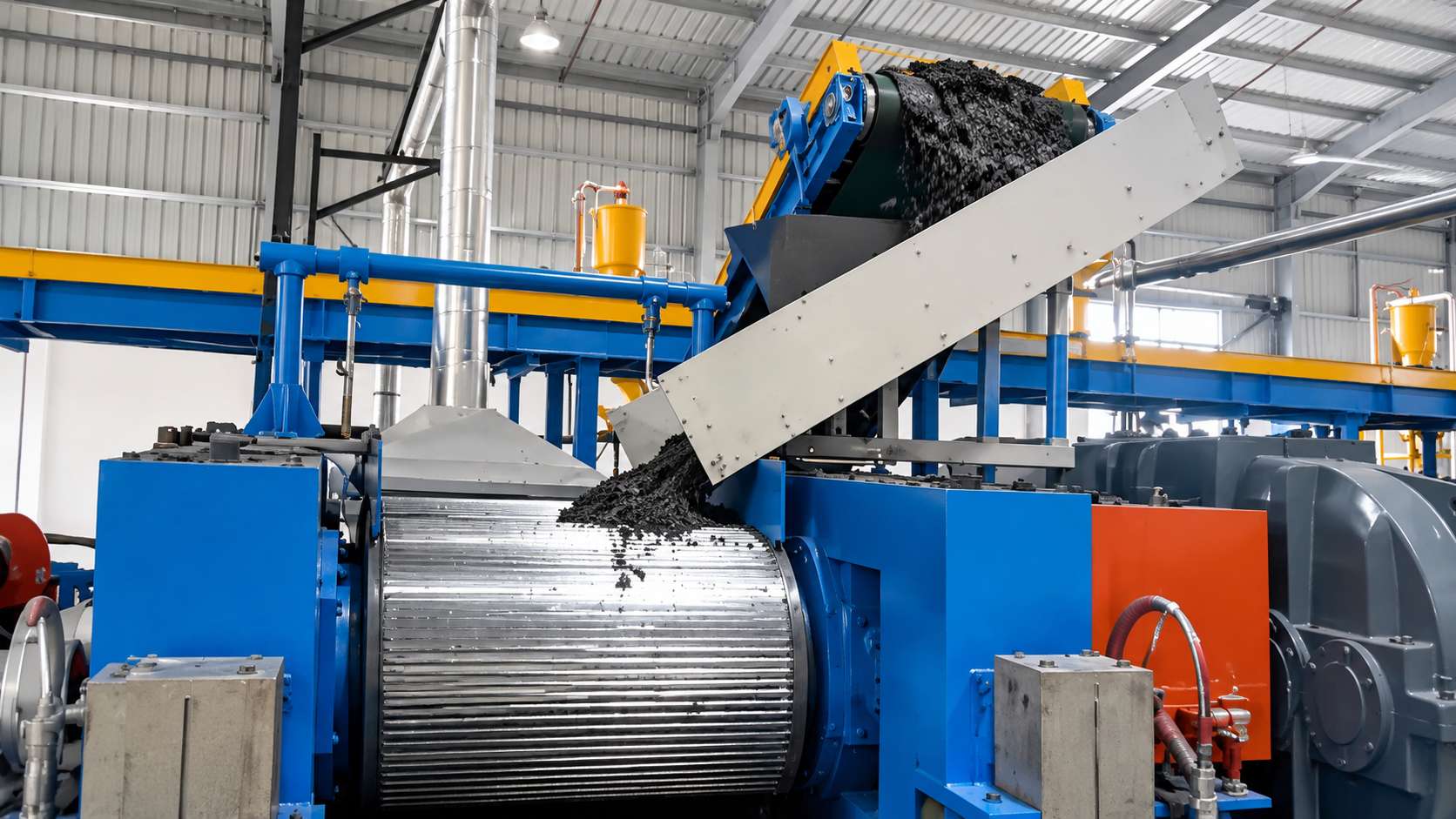
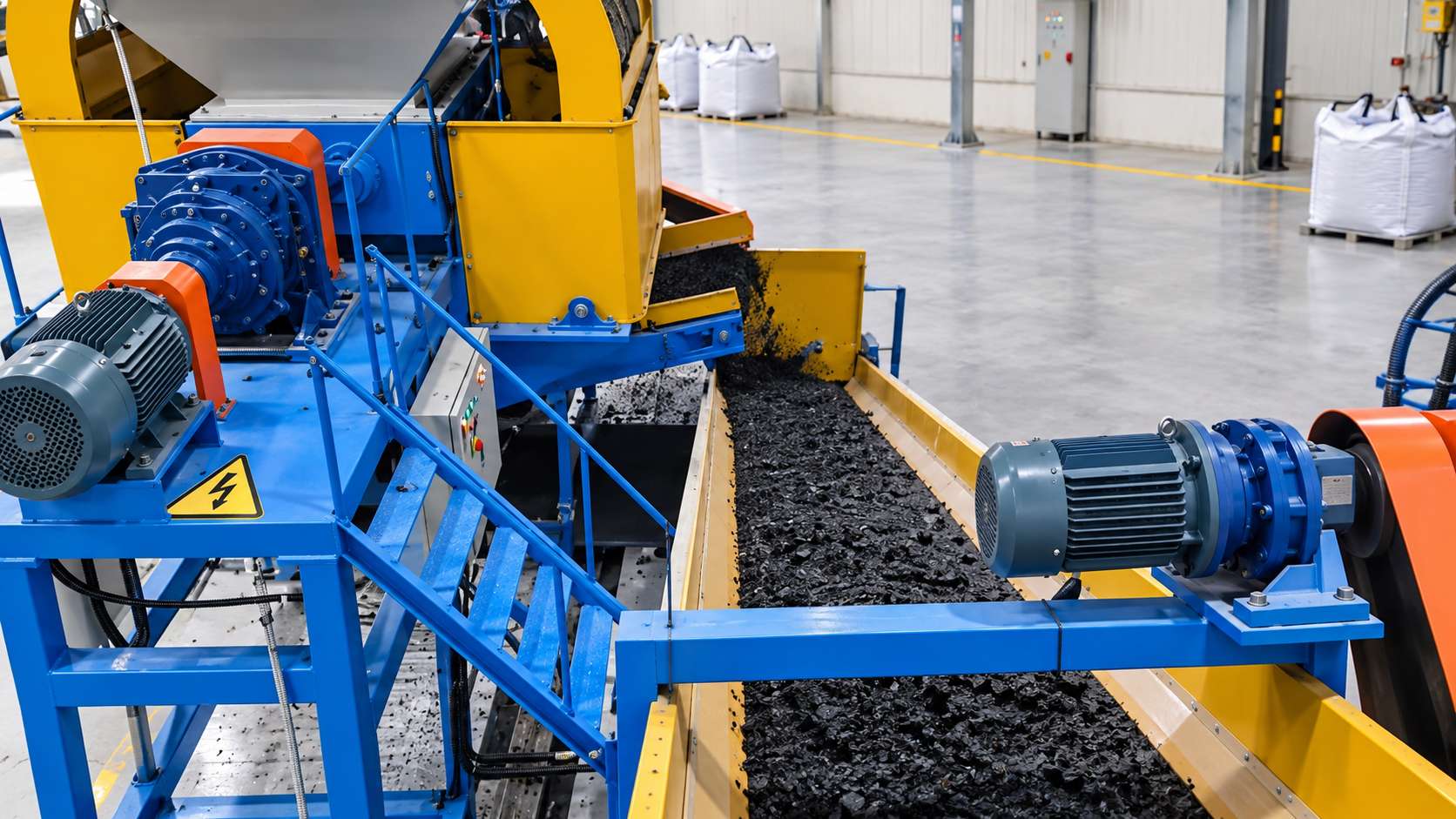
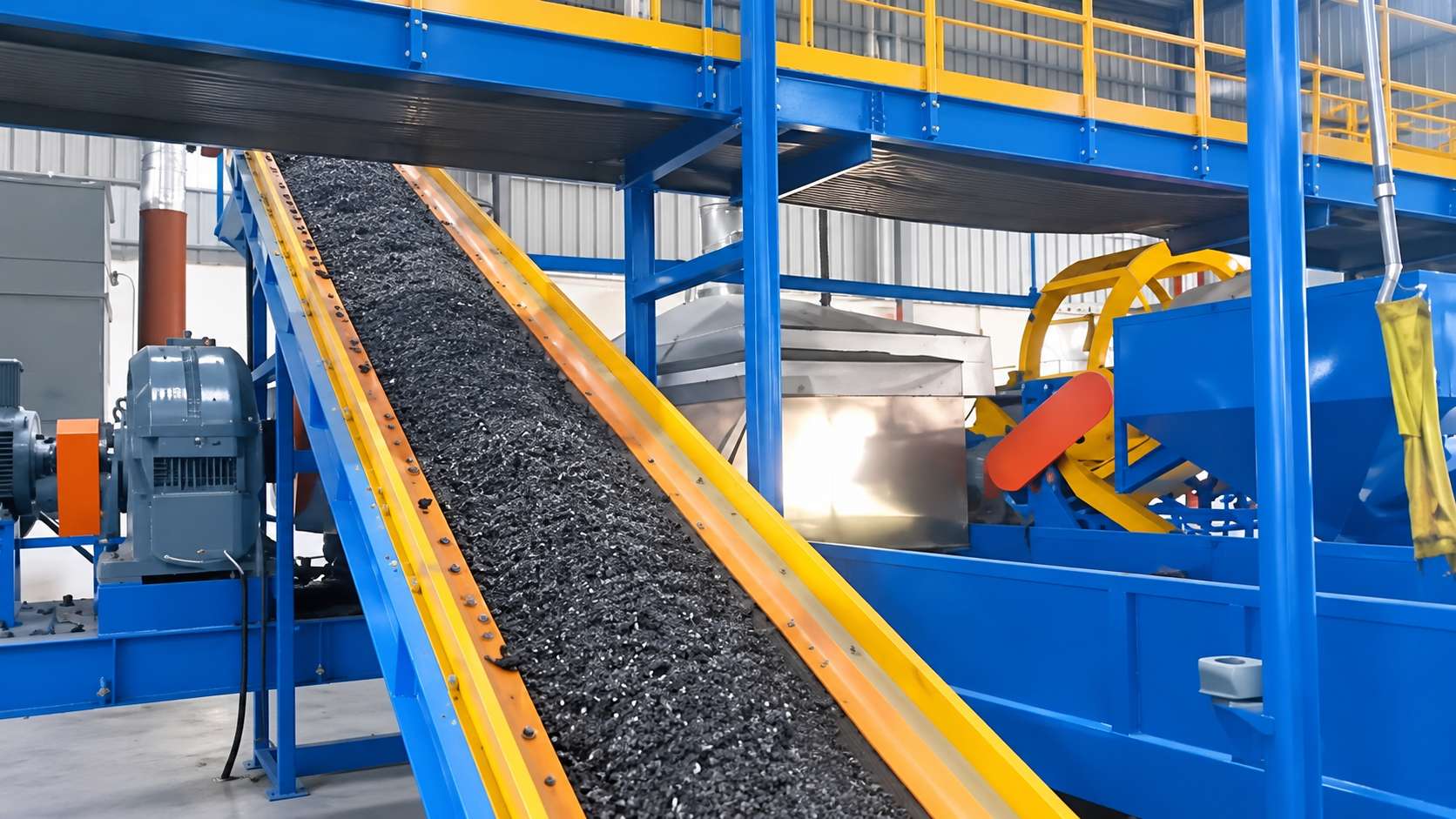
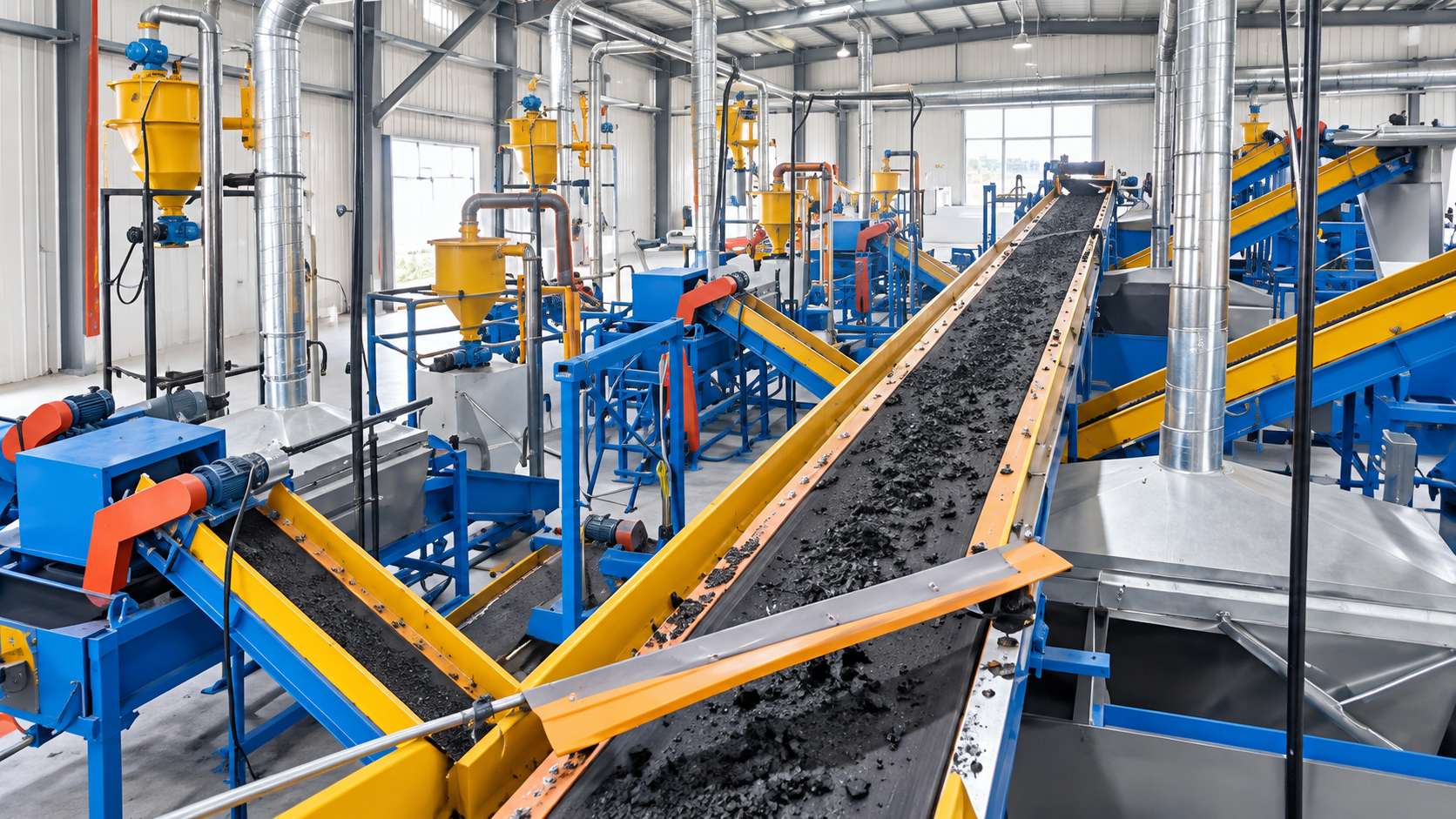
Direct Project Summary
Project status: COMPLETED. This Egypt project is a brownfield modernization and retrofit of an existing 20 t/day production line. The work is presented as verified upgrade evidence, not as a greenfield EPC project. Existing real project photographs document conditions before the upgrade and the completed installation after the work.
The final scope for any comparable factory modernization depends on verified existing-equipment condition, utilities, production requirements, site access and the available shutdown window.
Country / Location: Egypt
Capacity / Scale: 20 t/day
Project Status: COMPLETED
Related Solution: Factory Modernization & Industrial Upgrade
Hero image: After Upgrade / Completed Installation. This is an approved real project image from the completed installation.
Verified Project Evidence
This completed Egypt factory upgrade and retrofit is presented with approved real Before Upgrade / Existing Condition and After Upgrade / Completed Installation evidence.
Verified Scope
Public scope and technical description are limited to approved project evidence.
Application Context
Factory Modernization & Industrial Upgrade
Project Background
The project addressed an operating factory environment in which existing assets, interfaces and production constraints had to be considered before new equipment could be integrated. Brownfield modernization begins with an evidence-based survey of what can be retained, what must be modified and what must be replaced.
Existing-Plant / Brownfield Challenge
Unlike a new factory, a retrofit must work around installed equipment, available floor space, existing utilities and live operating interfaces. The verified Egypt evidence demonstrates an upgrade context; it does not support invented claims about output improvement, energy savings or return on investment.
Upgrade Objectives
The engineering objective was to upgrade the existing 20 t/day production line while integrating retained and new plant elements. For similar projects, objectives must be confirmed against required product, capacity, quality, automation and maintainability criteria before detailed design.
Engineering Scope
Typical engineering scope for this type of modernization includes an existing-condition survey, interface register, equipment and layout review, utility checks, controls review, installation planning, commissioning and acceptance planning. The precise Egypt scope is limited to the verified information and images already published on this page.
Existing Equipment / New Equipment Integration
Integration starts by confirming equipment condition, elevations, connection points, control signals and safe isolation requirements. Reusable equipment should be retained only when its condition and duty are compatible with the upgraded line. Final scope depends on verified existing-equipment condition, utilities and production requirements.
Layout / Interface Constraints
Brownfield layouts must account for access, maintenance clearances, material flow, structural support and installation routes. Site dimensions and interface locations require field verification before fabrication or installation planning.
Utilities / Electrical / Automation Interfaces
Electrical supply, connected load, compressed air, water, drainage, ventilation and network or control interfaces should be checked against the proposed equipment. Existing PLC, HMI or field devices may be retained, upgraded or replaced only after compatibility and lifecycle review.
Installation and Changeover Strategy
A changeover plan should define isolation, removal, installation, tie-ins, testing and restart activities. The shutdown window, temporary production arrangements and responsibility matrix must be agreed before site work begins.
Commissioning / Startup
Commissioning normally progresses from inspection and dry checks to utility tests, interlock verification, controlled startup and production trials. Actual acceptance points must be agreed for the specific project and should not be inferred from general guidance.
Acceptance Approach
Acceptance should use an agreed checklist covering installed scope, safety functions, interfaces, operating documentation and trial conditions. Performance figures are included only when supported by verified records; no unverified before-and-after performance numbers are claimed here.
Lessons for Similar Factory Upgrades
- Survey the installed plant before fixing the retrofit boundary.
- Record every mechanical, electrical, utility and control interface.
- Separate verified existing conditions from assumptions requiring confirmation.
- Plan shutdown, installation and restart as one coordinated sequence.
- Define acceptance criteria before procurement and site execution.
Customer Inputs Required for Similar Projects
Useful inputs include current layouts, equipment lists, operating data, utility information, control architecture, product requirements, target capacity, maintenance records, available shutdown windows and site photographs. China Bente reviews these inputs before recommending an upgrade scope.
Related China Bente Capability
FAQ
What is factory modernization?
Factory modernization upgrades an existing production facility by improving selected equipment, controls, layouts or utilities while working with retained plant assets and operating constraints.
When is retrofit preferable to replacing a full plant?
Retrofit may be suitable when usable assets can be retained and the required capacity, quality or automation objectives can be achieved within the available site and shutdown constraints. A condition and interface survey is required before deciding.
What information is needed before upgrade design?
Design normally requires current layouts, equipment data, utility information, operating conditions, target production requirements, control details, maintenance history, site access information and the available shutdown window.
How is existing equipment integrated?
Engineers verify condition, duty, dimensions, connection points, electrical loads, control signals and safety interfaces, then define which equipment can be retained and how new equipment will connect to it.
How is shutdown and changeover planned?
The plan sequences isolation, removal, installation, tie-ins, testing and restart around the agreed shutdown window, with responsibilities and contingency steps defined before site work.
Can automation be upgraded without replacing all equipment?
Sometimes. Existing PLCs, HMIs, drives and field devices must be checked for compatibility, condition, available interfaces and lifecycle support before a partial controls upgrade is selected.
How are utilities checked?
Available electrical capacity, compressed air, water, drainage, ventilation and communication interfaces are compared with the proposed equipment loads and operating requirements.
How is commissioning handled?
Commissioning normally includes installation inspection, dry checks, utility tests, safety and interlock verification, controlled startup and agreed production trials.
What affects retrofit CAPEX?
CAPEX depends on retained-equipment condition, replacement scope, interface complexity, site access, utility upgrades, controls work, shutdown requirements and the agreed testing and documentation scope.
What affects the retrofit schedule?
The schedule is influenced by survey completeness, engineering approvals, long-lead equipment, fabrication, shutdown availability, site access, tie-in complexity and commissioning requirements.