
Process Flow
Equipment / System Architecture
Classification comes before treatment
Infectious waste, sharps, pathological waste, pharmaceuticals and chemical waste require separate traceability and treatment decisions. Depending on the waste class and local rules, the route may use autoclaving, high-temperature incineration or another approved method.
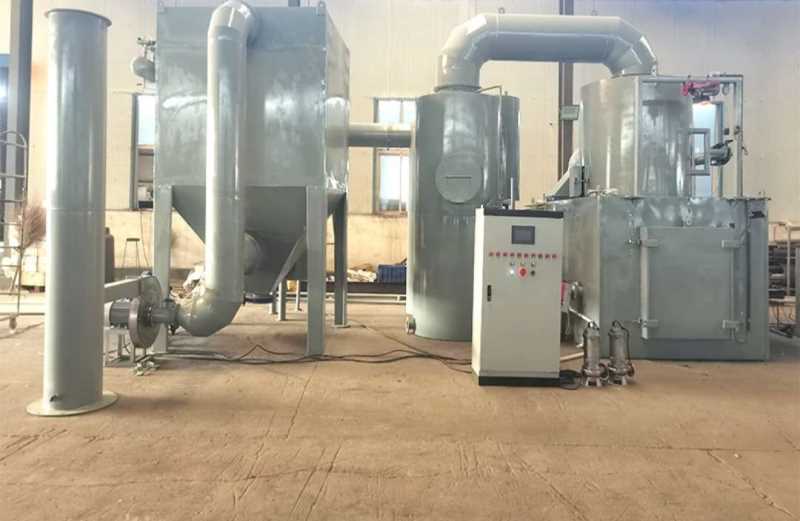
Incineration and flue-gas treatment route
Controlled feed → primary combustion → secondary combustion → rapid cooling where required → acid-gas removal → particulate capture → induced-draft fan and stack monitoring. Fly ash, bottom ash, scrubber liquid and wastewater remain controlled hazardous outputs until accepted by a licensed outlet.
Preliminary Capacity & Technical Specification Range
| Typical configurable capacity | 0.1–5 t/h or 5–100 t/day, divided by waste class and treatment route |
|---|---|
| Feed basis | Infectious, sharps, pathological, pharmaceutical and chemical waste must be quantified separately |
| Typical outputs | Sterilized/shredded residue or incinerator bottom/fly ash and controlled effluent, according to the approved route |
| Key utilities | Power, steam or fuel, water, complete flue-gas treatment and effluent treatment |
Required for quotation: representative photos and samples, minimum/normal/peak feed quantity, composition and contamination analysis, operating hours, desired products and sizes, local emission/discharge limits, utilities, plot plan and required automation.
Medical Waste Treatment Route References
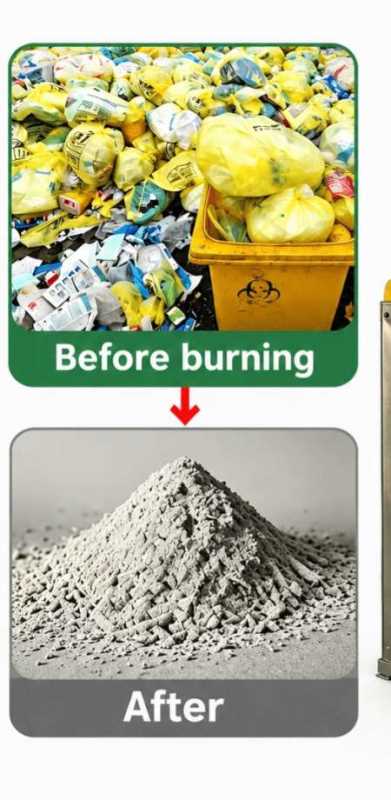
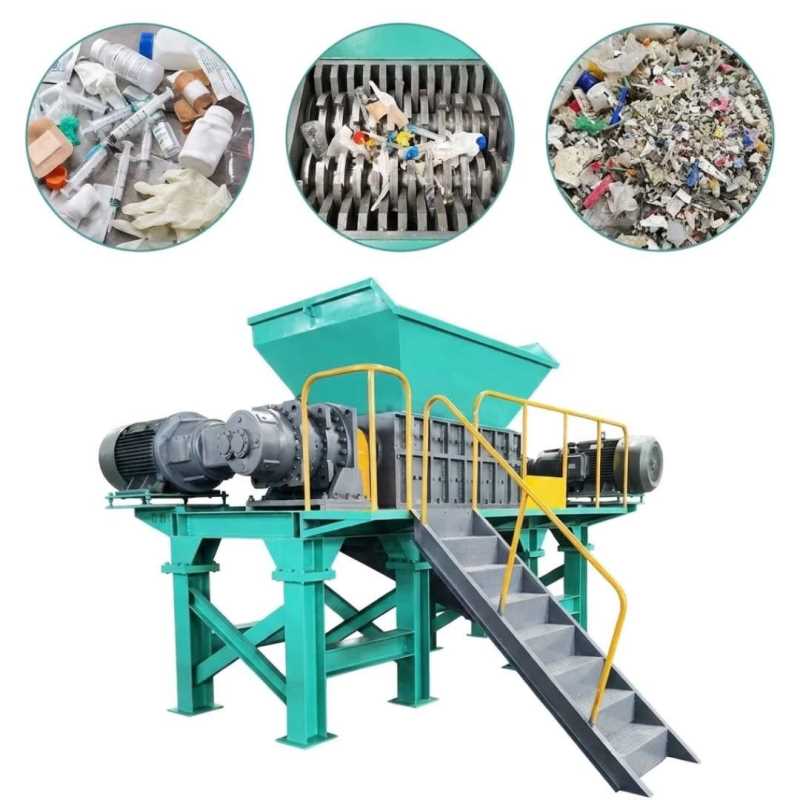
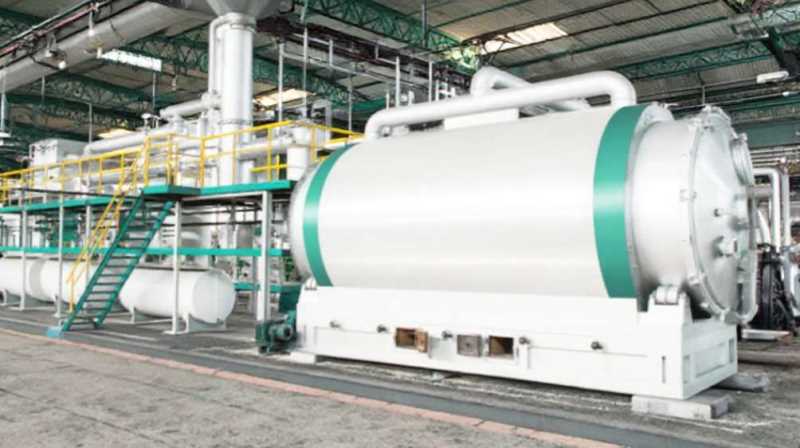
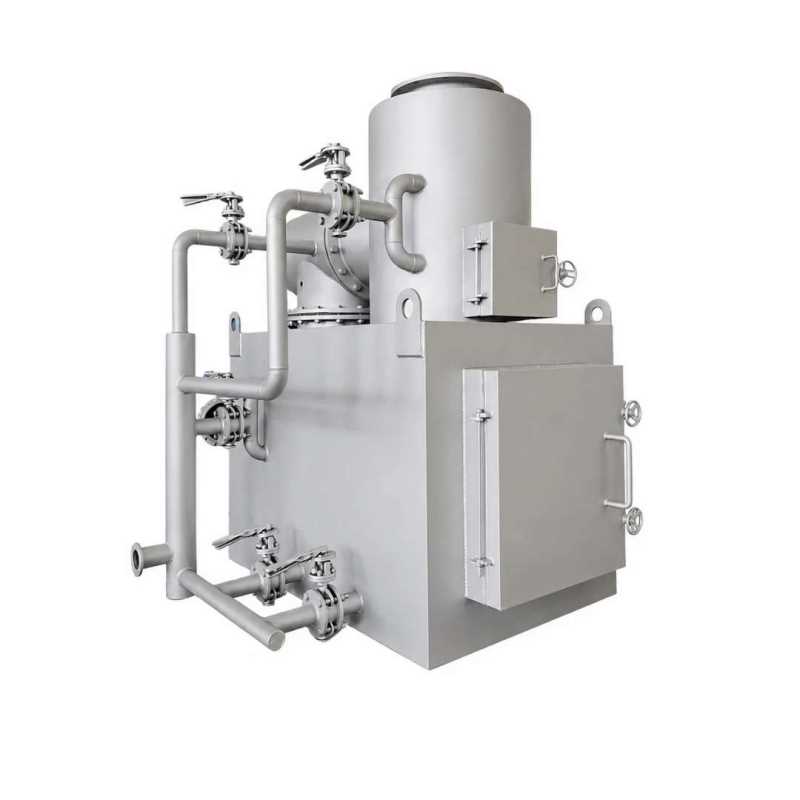
Medical waste is classified before route selection. These references show separate mechanical sterilization and shredding, pyrolysis or thermal treatment, and incineration options; the applicable route, capacity and emissions controls must be confirmed against the waste class and local permit.
Request a Project Evaluation
Share representative waste characterization, throughput range, required outputs, utilities, site constraints and compliance requirements.
Start the engineering evaluation