
Construction Waste: Feedstock, Equipment & Products
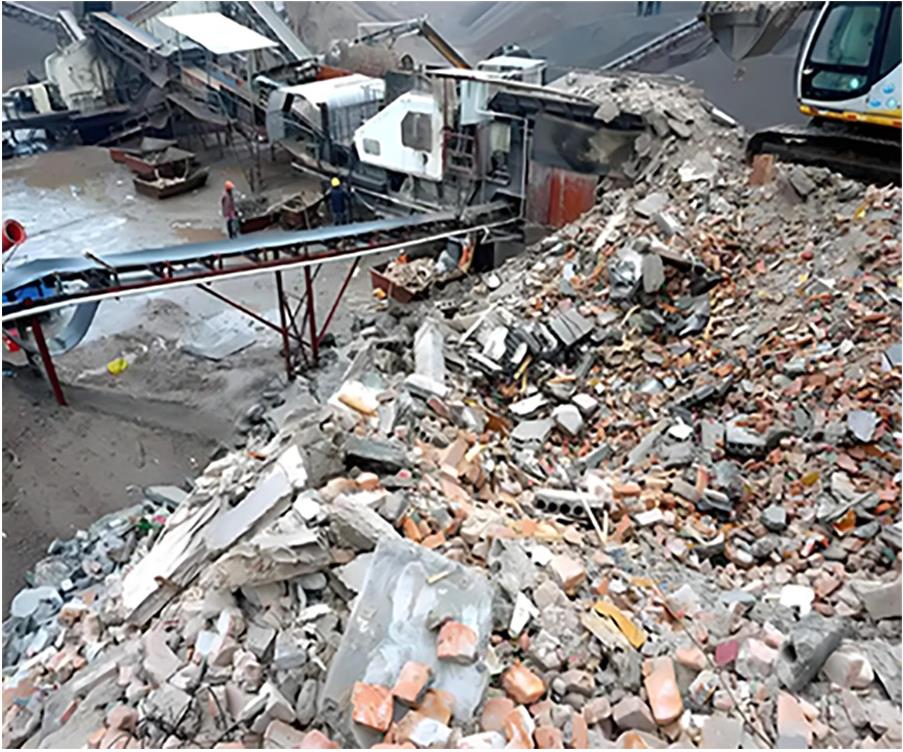
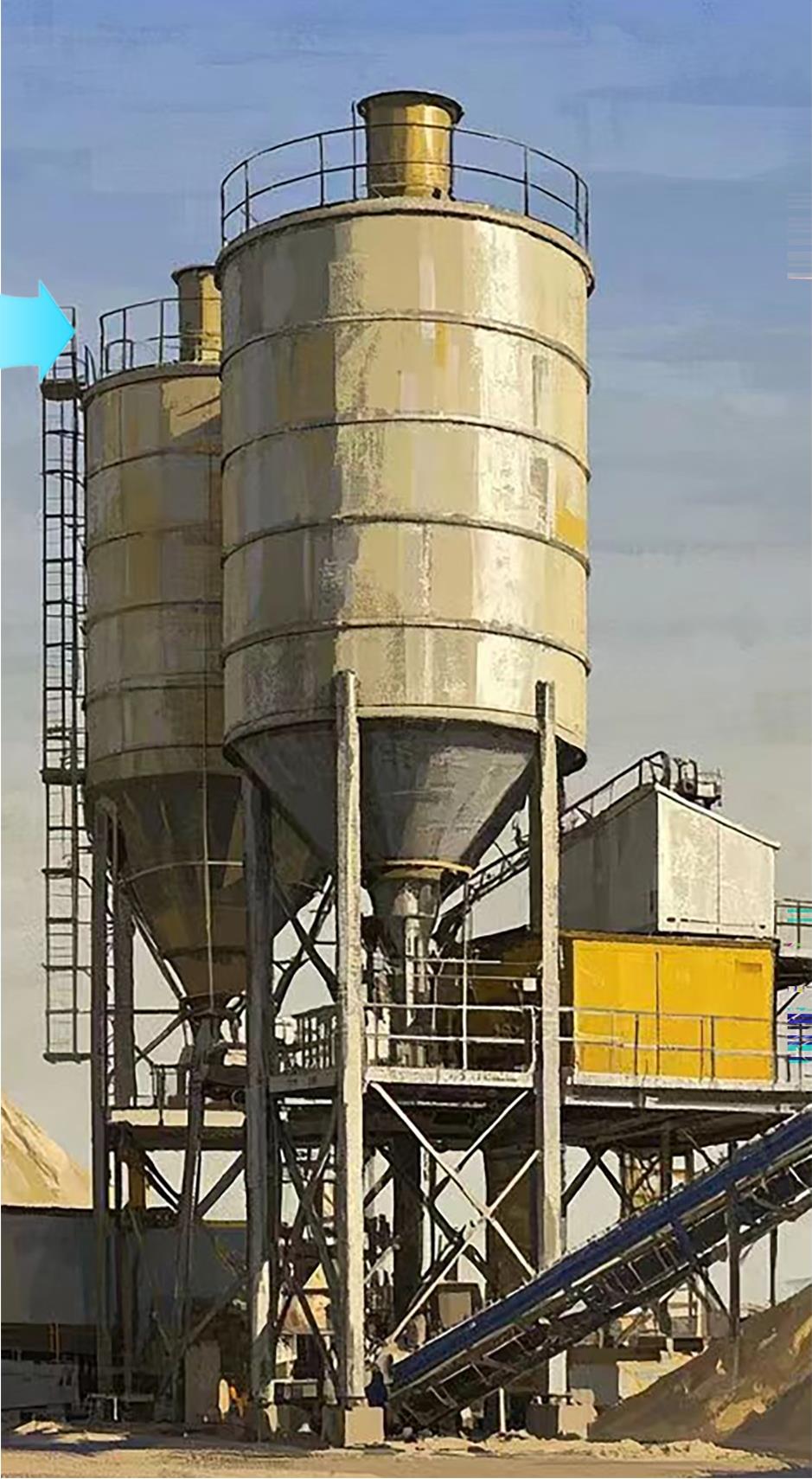
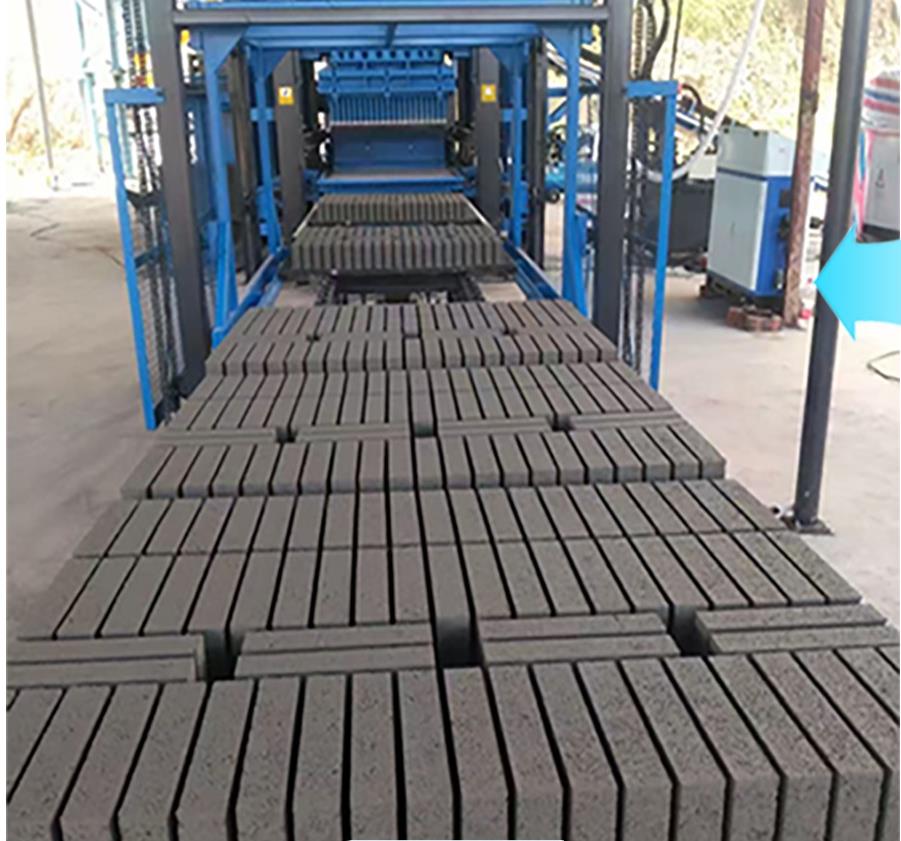
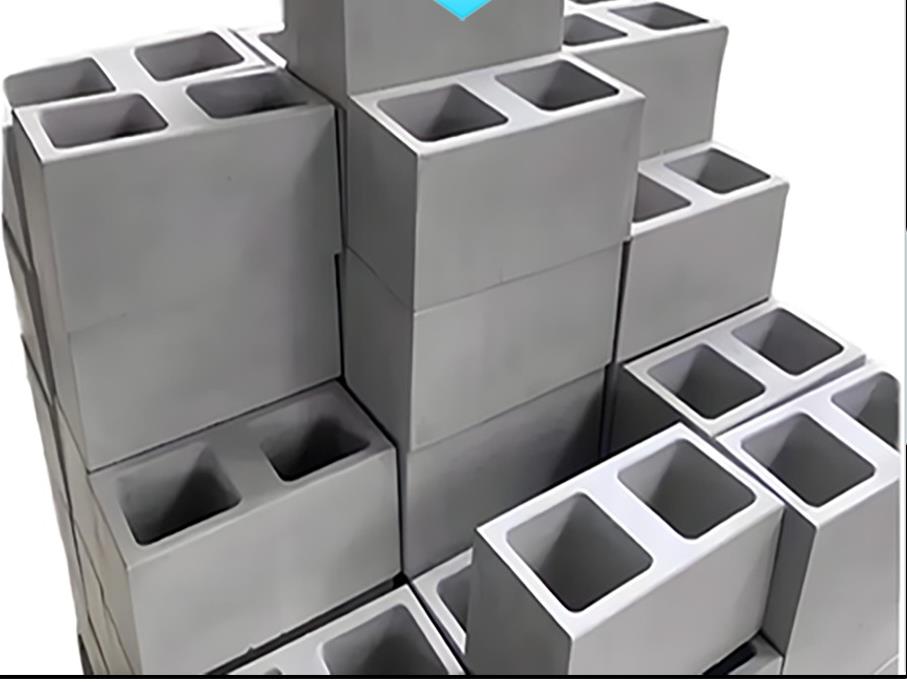
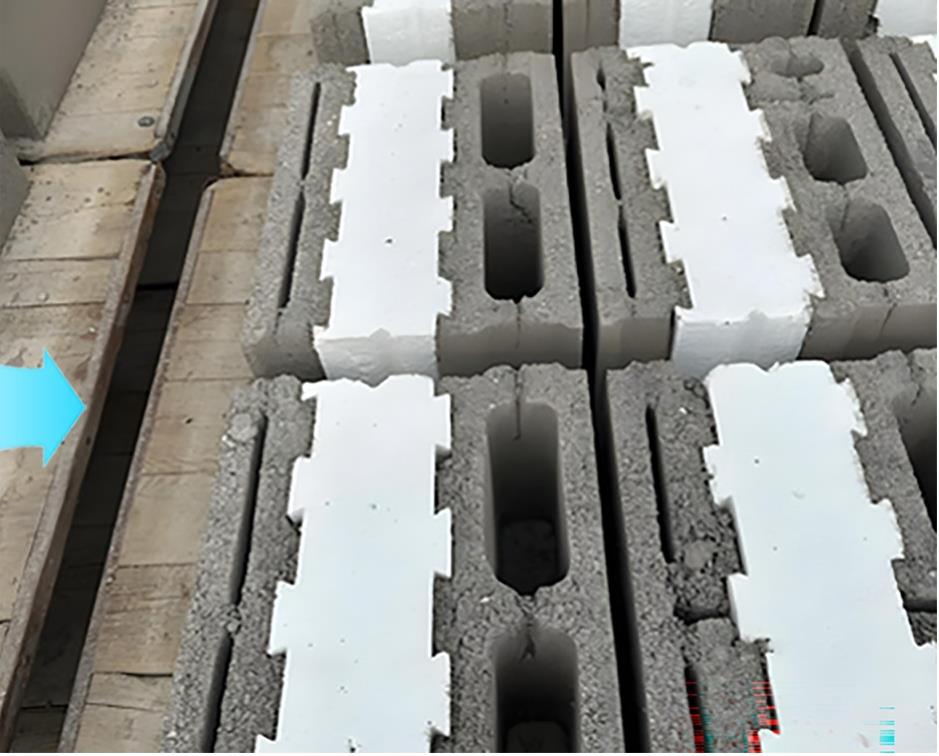
Process Flow
Equipment / System Architecture
What It Is
Construction and demolition waste recycling separates concrete, masonry, asphalt, metals, wood, gypsum and other fractions so suitable mineral material can be processed into defined recycled aggregate or backfill products. Feed sources, demolition practice, hazardous-material controls and local aggregate standards determine the route.
Applications and Feedstock Boundaries
Applications include demolition concrete, masonry, mixed C&D loads, road materials and source-separated site waste. Asbestos, contaminated soil, chemicals and other hazardous materials remain outside the line unless a specific licensed route is designed.
Main Equipment and System Architecture
Typical equipment includes weighbridge and inspection area, excavator attachments, grizzly and feeder, jaw or impact crusher, screens, magnets, air separator, picking station, dust suppression, stockpile conveyors and laboratory sampling tools.
The layout considers truck and mobile-equipment traffic, dust and noise boundaries, stockpile drainage, heavy foundations, maintenance access and separation of untested from approved product.
Capacity and Design Basis
Capacity is governed by maximum feed size, concrete/masonry split, reinforcement, moisture, fines, contamination, target grading, crusher recirculation and stockpile/dispatch logistics.
| Feed characterization | Representative surveys identify concrete, brick, asphalt, soil, wood, gypsum, plastics, metals, glass, fines and hazardous exclusions. |
|---|---|
| Minimum / normal / peak basis | Receipt profile, operating hours, storage autonomy and the slowest processing or outlet interface are established from verified data. |
| Products and residues | Recycled aggregate and fill products require project-specific grading, contamination, durability or leaching criteria and an approved use; no universal construction approval is assumed. |
| Unverified values | Recovery, purity, yield, price, performance and disposal assumptions remain TBC until testing and outlet confirmation. |
Utilities and Infrastructure
Electricity or fuel, process or dust-suppression water, drainage, roads, lighting, fire protection, wheel wash, laboratory and product/reject stockpile space are required.
Required Customer Engineering Inputs
Customers provide source types, monthly/peak loads, size and composition studies, hazardous-material procedure, target products and standards, site/topographic data, utilities, noise/dust limits and product outlets.
Automation, Monitoring and Quality Control
Crusher load, metal removal, screen status, recirculation and dust systems are interlocked. Sampling plans, stockpile identification and hold-release procedures maintain product traceability.
CAPEX and OPEX Drivers
CAPEX depends on feed size, mobile versus fixed layout, crushing stages, sorting depth, dust/noise controls and civil works. OPEX includes wear parts, fuel/power, water, labor, testing, mobile equipment and reject disposal.
Safety, Environmental and Compliance
Controls cover unknown loads, silica dust, asbestos exclusion, falling material, mobile plant, noise, vibration, guarding, fire and contaminated runoff.
Outputs and Acceptance Basis
Acceptance can include defined feed trials, throughput, grading and contamination testing, metal removal, dust controls, product traceability, utility use, interlocks, documentation and training.
Implementation and Commissioning
Execution includes source and market study, sampling, product-standard review, process trials where needed, layout and permitting, equipment and civil delivery, dry tests, material trials and controlled ramp-up.
Project Evidence
No verified completed-project claim or guaranteed recovery is attached to this page. Comparable evidence, if approved, will be identified during project evaluation. The process diagram is an engineering illustration, not a client-project photograph.
Frequently Asked Questions
Can mixed demolition waste be used directly?
It requires inspection and usually pre-sorting; hazardous and product-damaging materials must be removed.
Is recycled aggregate suitable for structural concrete?
Only when the specific product meets the applicable standard and approved mix/use requirements; it is not assumed.
How is reinforcement removed?
Pre-processing, crusher design and staged magnetic separation are selected for the actual concrete and steel content.
How is silica dust controlled?
Enclosure, extraction or suppression, housekeeping, traffic controls and worker protection are designed to the site limits.
Can asphalt be processed with concrete?
Only if the product route accepts it; separate processing is often required to control quality.
What happens to fines?
They are characterized and matched to an approved use or disposal route rather than counted automatically as product.
How is product quality verified?
By documented sampling and testing against the agreed grading, contamination and other application criteria.
What is required for concept design?
Composition and size study, quantities, target products, standards, site, utilities and outlet information are needed.
Related Engineering Links
Waste Recycling & Resource Recovery Systems overview · E-waste Recycling · End-of-Life Vehicle Recycling · Projects & Cases · Request a Project Evaluation
Request a Project Evaluation
Provide quantity history, representative analyses or samples, contamination, site and utilities, target outputs, compliance limits and confirmed outlet constraints. Unknown information may remain TBC.
Preliminary Capacity & Technical Specification Range
| Typical configurable capacity | 50–500 t/h |
|---|---|
| Feed basis | Concrete/brick/asphalt ratio, reinforced steel, maximum lump size, fines, soil, gypsum and hazardous inclusions |
| Typical outputs | Defined recycled aggregate sizes, recovered metal and controlled light/reject fractions |
| Key utilities | Power, dust suppression and water-recirculation system where washing is included |
Required for quotation: representative photos and samples, minimum/normal/peak feed quantity, composition and contamination analysis, operating hours, desired products and sizes, local emission/discharge limits, utilities, plot plan and required automation.
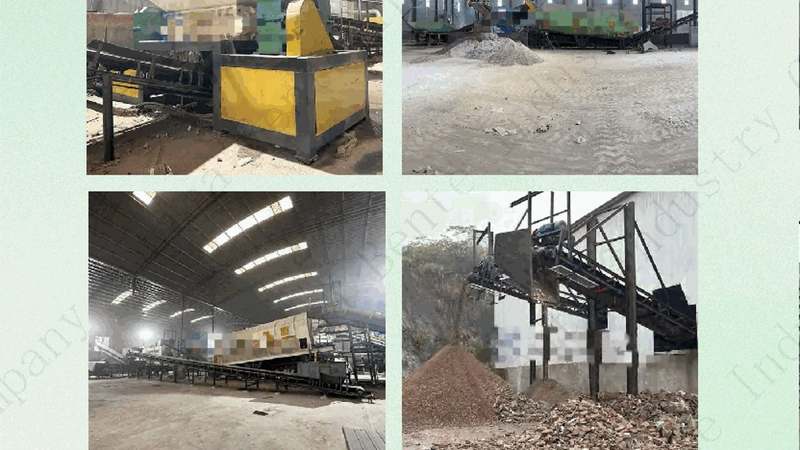
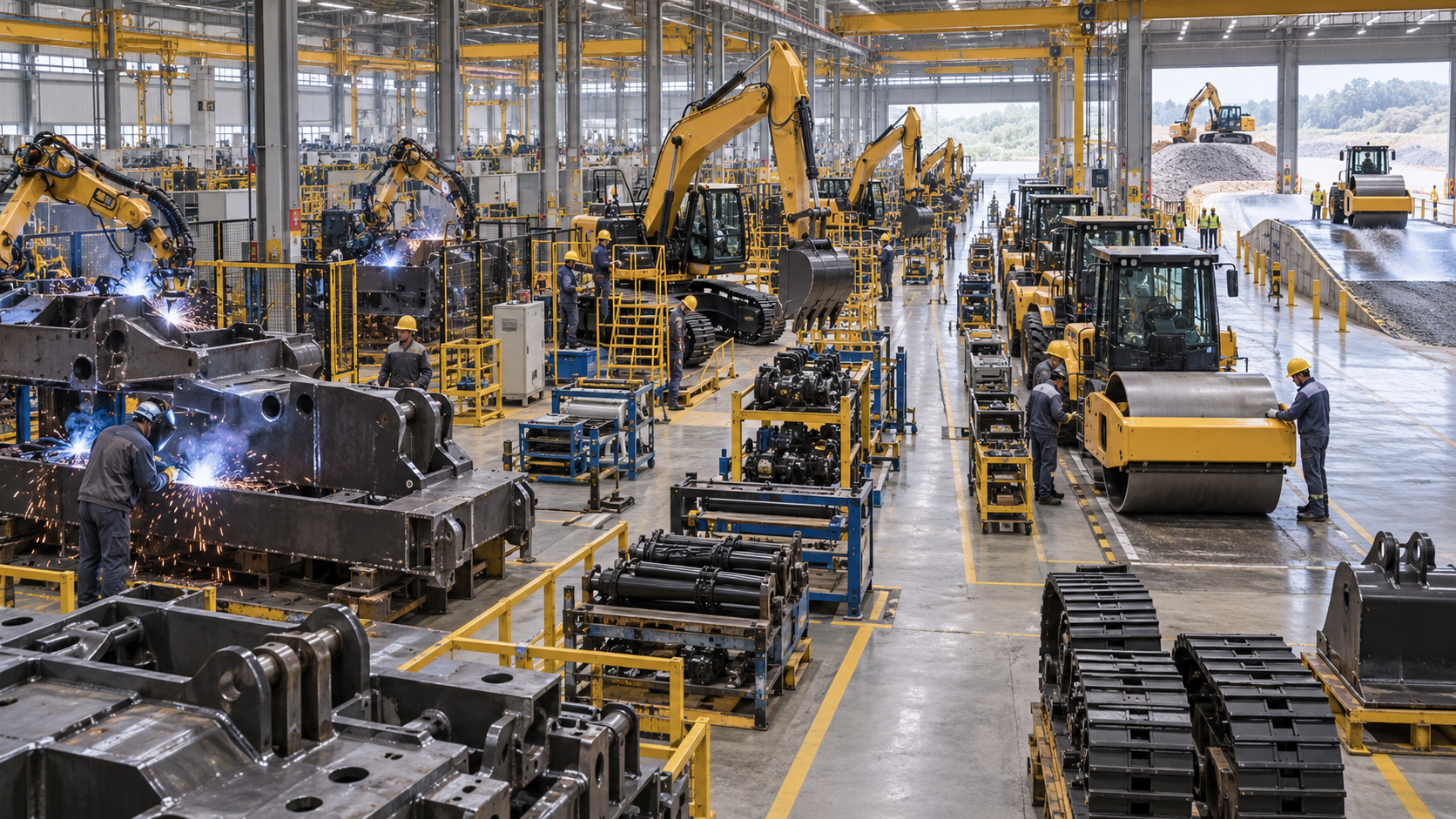
Construction Waste, Processing Equipment and Recovered Products
Request a Project Evaluation
Share representative waste characterization, throughput range, required outputs, utilities, site constraints and compliance requirements.
Start the engineering evaluation