
A completed 150–200 t/day scrap-metal crushing and recycling line in Saudi Arabia. Approved real project images are preserved; the case study does not publish unsupported output-purity or recovery-rate figures.
- Country / Location
- Saudi Arabia
- Capacity / Scale
- 150–200 t/day
- Project Status
- COMPLETED
- Related Solution
- Waste Recycling / Waste Treatment & Resource Recovery
Project Background and Engineering Challenge
Scrap-metal feed can vary greatly in dimensions, density, attachments and contamination. The line must protect size-reduction equipment, control surges and direct ferrous, non-ferrous and residual streams without relying on a single assumed scrap specification.
Feed / Input Conditions
A project-specific feed envelope should state accepted scrap categories, maximum dimensions and thickness, loose contamination, prohibited items and expected mix. Receiving and pre-sorting rules are part of the engineered system.
Process / System Architecture
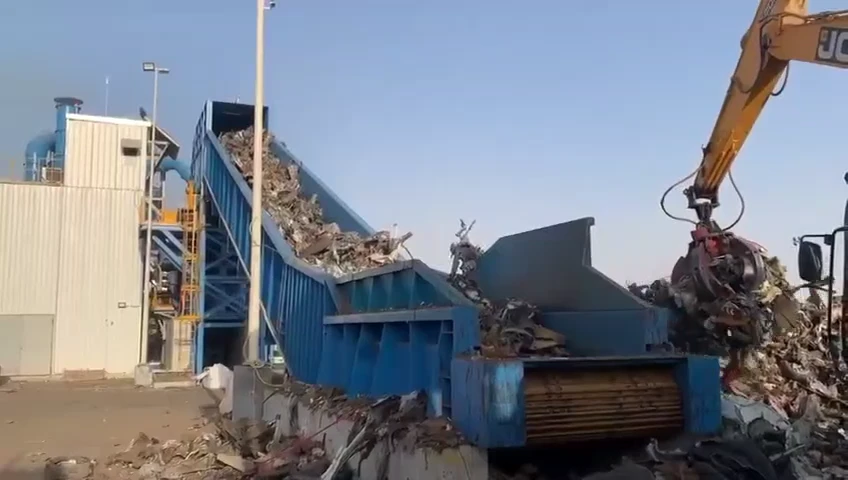
- Receiving, inspection and preparation according to the accepted scrap specification
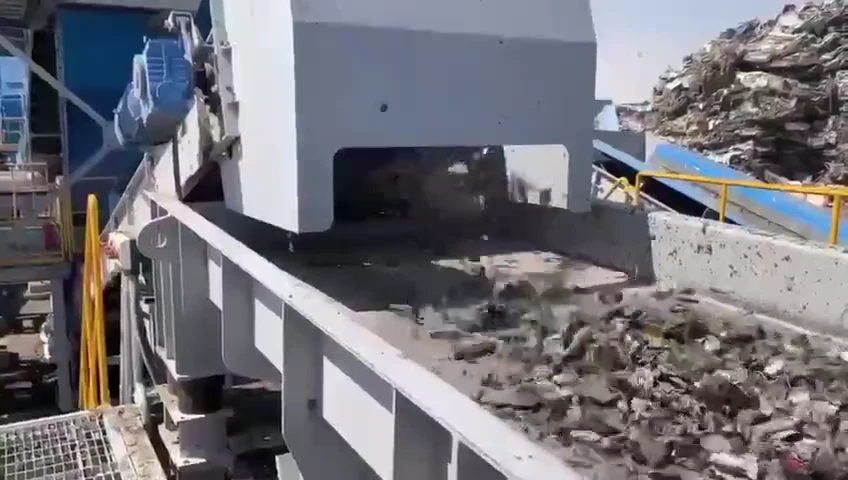
- Metered feeding into crushing or shredding for controlled size reduction
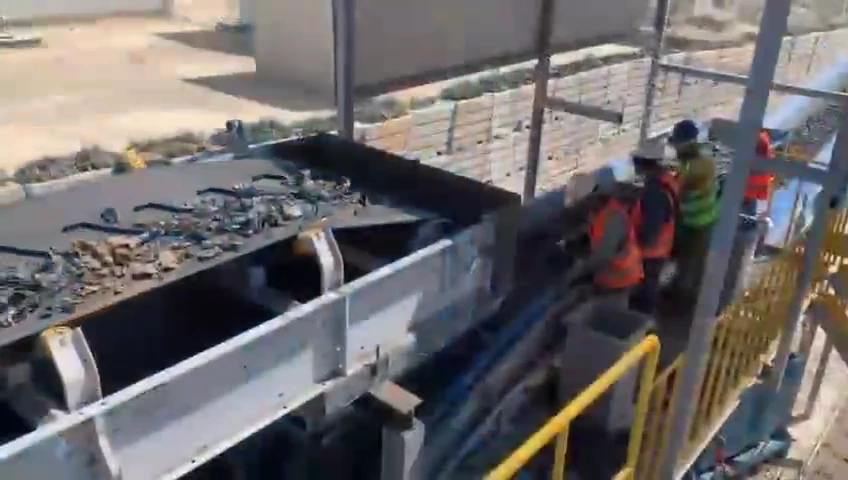
- Ferrous separation followed by handling of non-ferrous and residual fractions
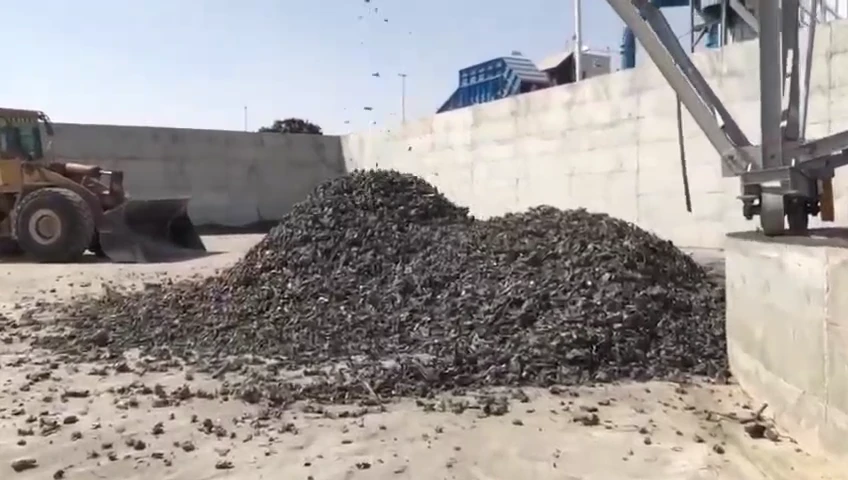
- Discharge, stockpiling or container interfaces matched to the buyer's logistics
Equipment, Utilities, Controls and Interfaces
- Dust capture and enclosure interfaces at impact and transfer points
- Fire prevention, hot-work rules and isolation for suspect incoming material
- Overload protection, interlocks and monitored operating states
- Wear-part access, lifting provision and service clearances for maintainability
Operating Considerations
Feed inspection, steady loading, temperature awareness and housekeeping reduce avoidable trips and fire risk. Planned inspection of liners, hammers or cutters, bearings and conveyors supports predictable maintenance.
Installation, Commissioning and Acceptance
Commissioning should verify rotation, lubrication, guarding, interlocks and sequential starts before representative-feed trials. Acceptance should confirm stable performance against the agreed 150–200 t/day range and correct stream routing without unverified purity claims.
Project Evidence
Verified public evidence confirms Saudi Arabia, COMPLETED status and 150–200 t/day. Four approved real project images remain attached.
Verified Project Gallery
Engineering Lessons
The accepted-feed envelope and maintenance strategy should be agreed together; more variable or heavier scrap changes protection, wear and access requirements.
Customer Inputs for Similar Projects
- Scrap categories and representative dimensions
- Contamination and prohibited-item limits
- Required output streams and form
- Operating hours, storage and loading method
- Utilities, dust, fire and maintenance requirements
Related China Bente Capability
Related Projects
Frequently Asked Questions
What capacity range is verified?
The approved capacity is 150–200 t/day.
Where was the project completed?
The line is in Saudi Arabia.
Which scrap types can be accepted?
The public record does not define every grade; a similar project requires an agreed feed envelope and representative samples.
Why is controlled feeding necessary?
It limits surges, protects size-reduction equipment and keeps downstream separation stable.
How are output streams organized?
Ferrous separation is followed by defined handling for non-ferrous and residual fractions, according to the agreed process.
What drives wear-part planning?
Feed size, density, attachments, contamination, operating hours and the selected crusher determine wear exposure.
Which safety topics are central?
Incoming-item inspection, fire prevention, guarding, interlocks, isolation and safe maintenance access are central.
How is acceptance structured?
Acceptance should verify safe sequential operation, stable material flow against the agreed daily basis and correct discharge routing.
Are purity and recovery figures published?
No. The approved evidence does not support those figures.