
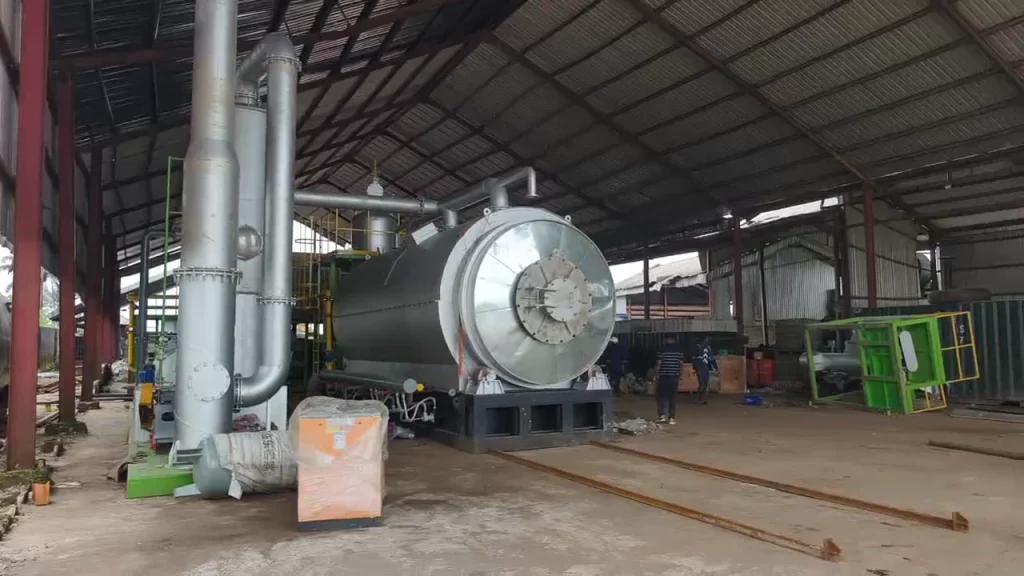
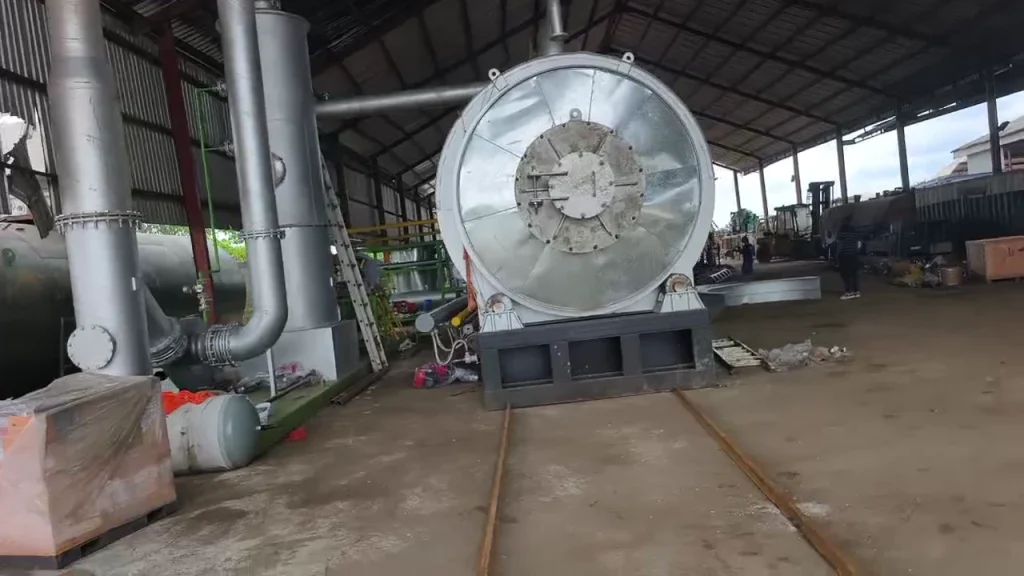
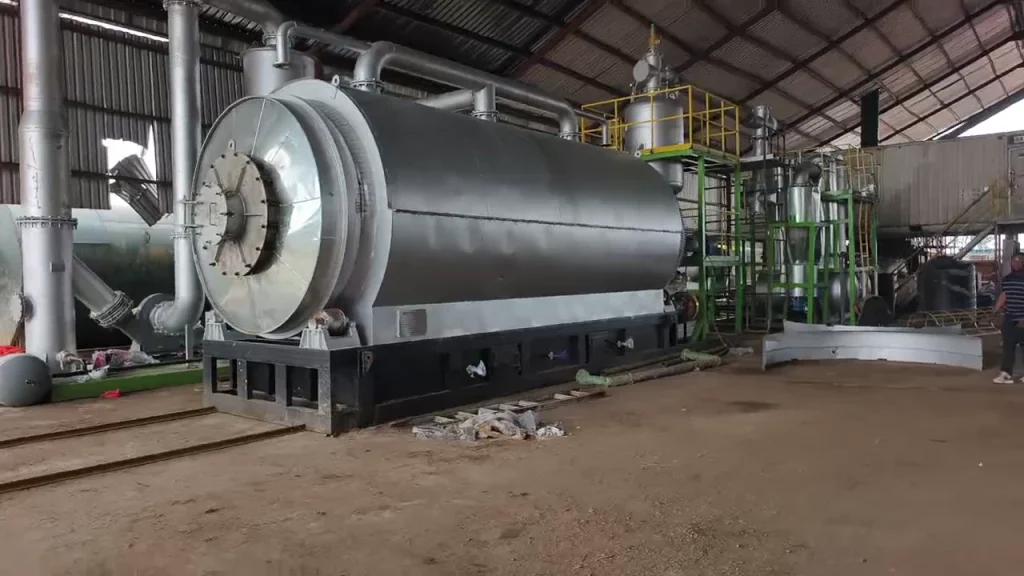
A completed oily-sludge thermal desorption and oil-recovery system in Nigeria with the verified public capacity wording 30 TON. The unit is preserved exactly; it is not converted into an hourly, daily or batch rate.
- Country / Location
- Nigeria
- Capacity / Scale
- 30 TON
- Project Status
- COMPLETED
- Related Solution
- Waste Recycling / Waste Treatment & Resource Recovery
Project Background and Engineering Challenge
Oily sludge can combine hydrocarbons, water, solids and variable contaminants. Thermal treatment design depends on representative characterization, controlled heating, vapor containment and safe management of recovered liquid, gas and treated solids.
Feed / Input Conditions
Required analysis includes oil, water and solids fractions, volatility range, particle size, salts or metals where relevant, and hazardous properties. These values are customer inputs or laboratory results and are not inferred from the 30 TON designation.
Process / System Architecture
- Prepared feed introduced into the thermal desorption unit under controlled conditions
- Heating drives volatile components from the solids without a published efficiency claim
- Vapors routed through enclosed handling and condensation stages
- Recovered liquid, non-condensable gas and treated solids directed to defined downstream handling
Equipment, Utilities, Controls and Interfaces
- Heating-system, fuel or energy interface based on the final equipment configuration
- Vapor seals, condensation, gas handling and pressure/temperature monitoring
- Emissions-control interfaces selected from feed data and local requirements
- Containment, drainage, fire protection and safe access around hot equipment
Operating Considerations
Operation requires feed testing, controlled loading, monitored temperatures and pressures, leak checks and defined handling for condensate, non-condensable gas and solids. Residue classification must follow actual test results and local rules.
Installation, Commissioning and Acceptance
Commissioning should verify rotation, heating controls, instruments, trips, vapor routing and emergency procedures before controlled feed trials. Acceptance must use agreed feed and sampling methods; this page publishes no recovery, efficiency, energy or emissions guarantee.
Project Evidence
Verified public evidence confirms Nigeria, COMPLETED status and exactly 30 TON. Three approved real equipment and fabrication images remain attached.
Verified Project Gallery
Engineering Lessons
Feed characterization and vapor-management boundaries control the thermal-desorption design. The capacity label alone cannot define cycle time, recovery or emissions performance.
Customer Inputs for Similar Projects
- Representative sludge analysis and hazardous classification
- Oil, water and solids fractions from verified testing
- Required handling routes for oil, gas and treated solids
- Available utilities and heating-energy conditions
- Local emissions, fire and residue-management requirements
Related China Bente Capability
Related Projects
Frequently Asked Questions
What capacity wording is verified?
The verified public capacity is exactly 30 TON.
Does 30 TON mean per hour or per day?
No time basis is verified, so it is not presented as t/h, t/day, TPD or batch capacity.
Where is the project?
The completed system is in Nigeria.
What does thermal desorption do?
It applies controlled heating to drive volatile components from sludge solids for enclosed vapor handling and downstream condensation.
What feed tests are needed?
Representative testing should characterize oil, water, solids, volatility and any hazardous constituents relevant to design and permits.
How is recovered oil handled?
Condensed liquid follows a defined collection and downstream handling route based on its measured properties; no recovery percentage is claimed.
What happens to non-condensable gas?
It requires a project-specific controlled handling route selected from gas characteristics, equipment design and local requirements.
Can treated solids be declared non-hazardous?
Not from this page. Classification requires representative testing against applicable local criteria.
Are efficiency, energy or emissions guarantees published?
No. The approved evidence does not support those values or guarantees.
What should acceptance cover?
Acceptance should cover safe controls, vapor routing, instruments, trips and agreed feed trials with defined sampling methods.