
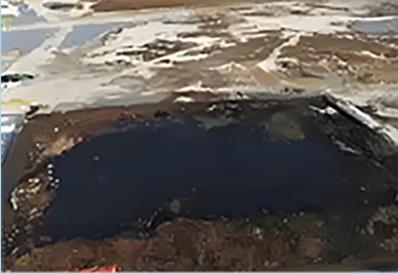
1. Oil-Sludge Sources & Feedstock
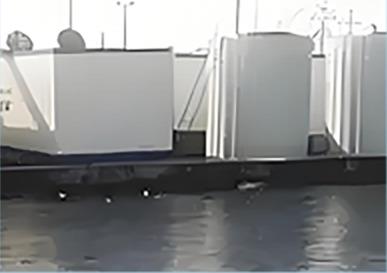
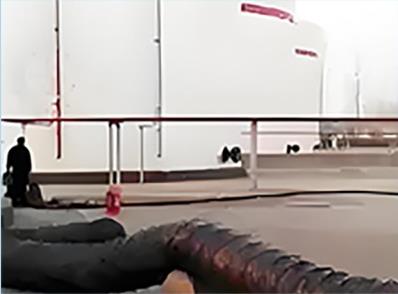
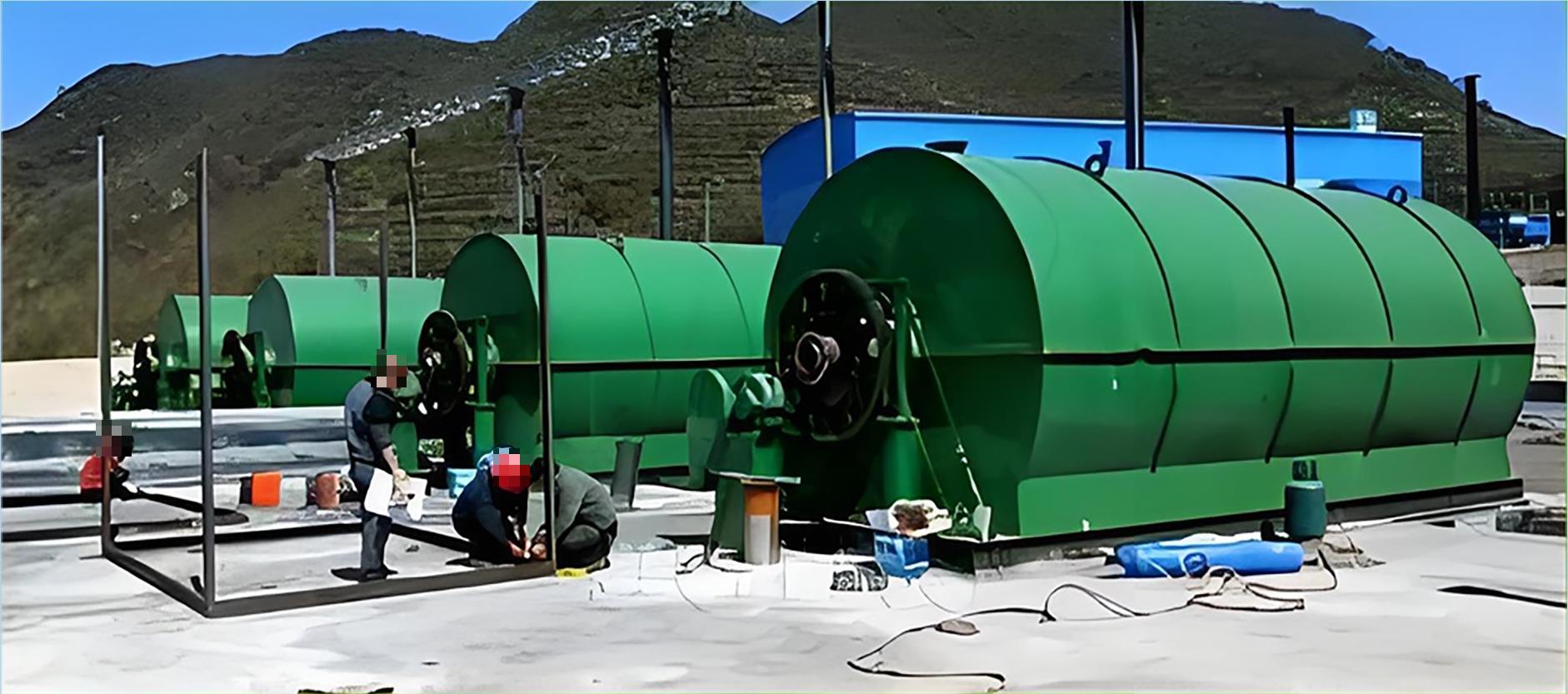
2. Oil-Sludge Treatment Equipment
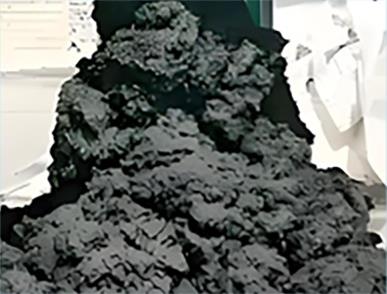
3. Separated Sand / Solids, Oil & Water
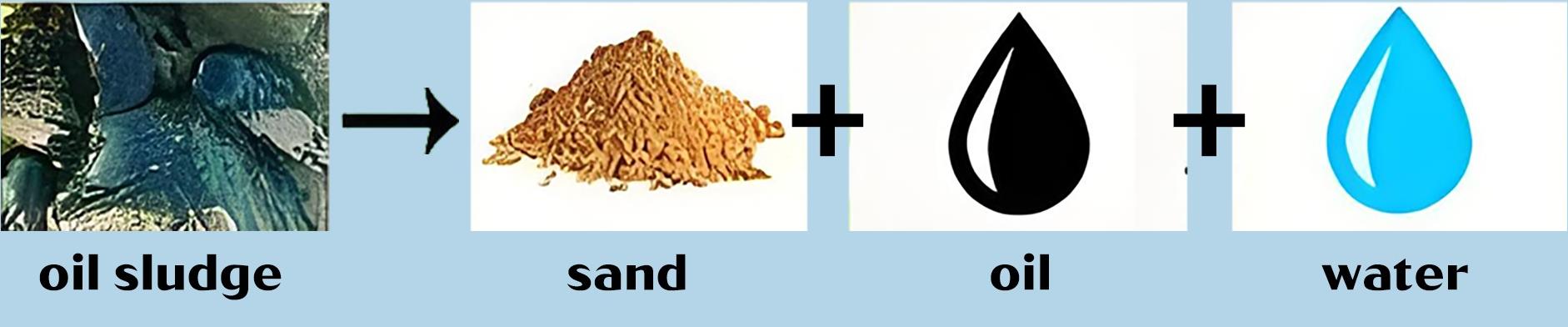
Recovered oil, water and solids are tested before reuse or disposal.
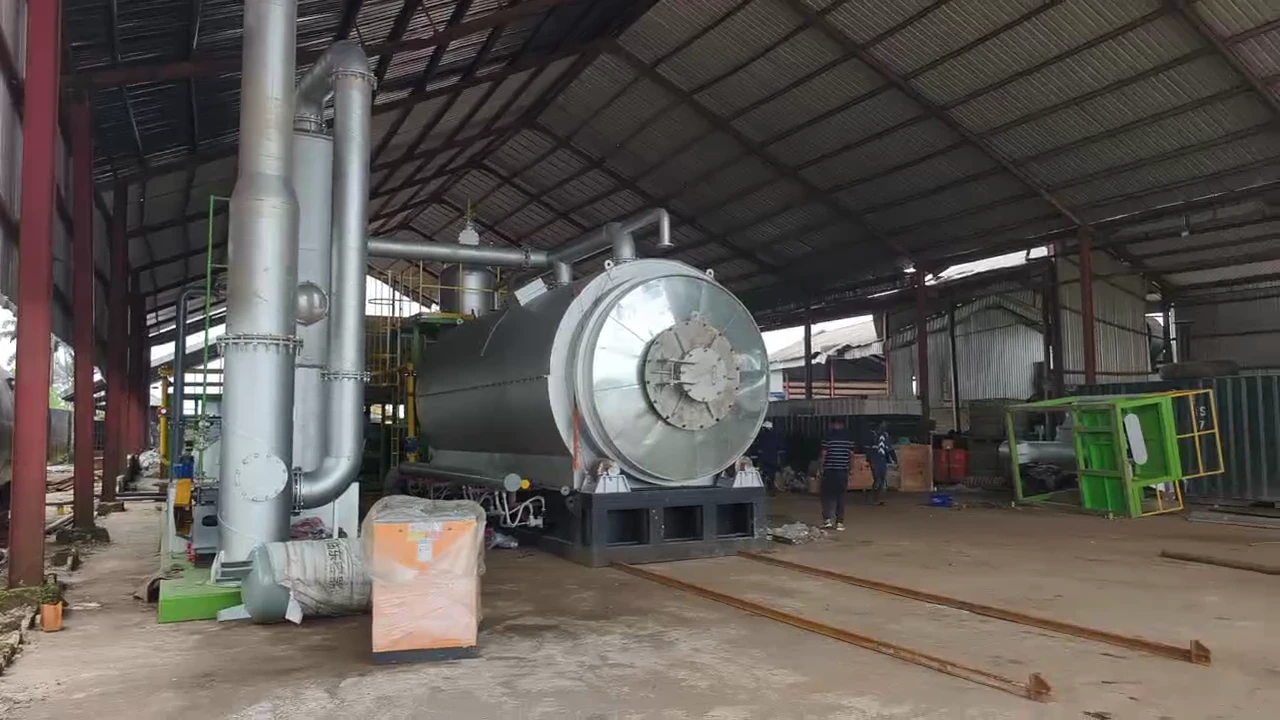
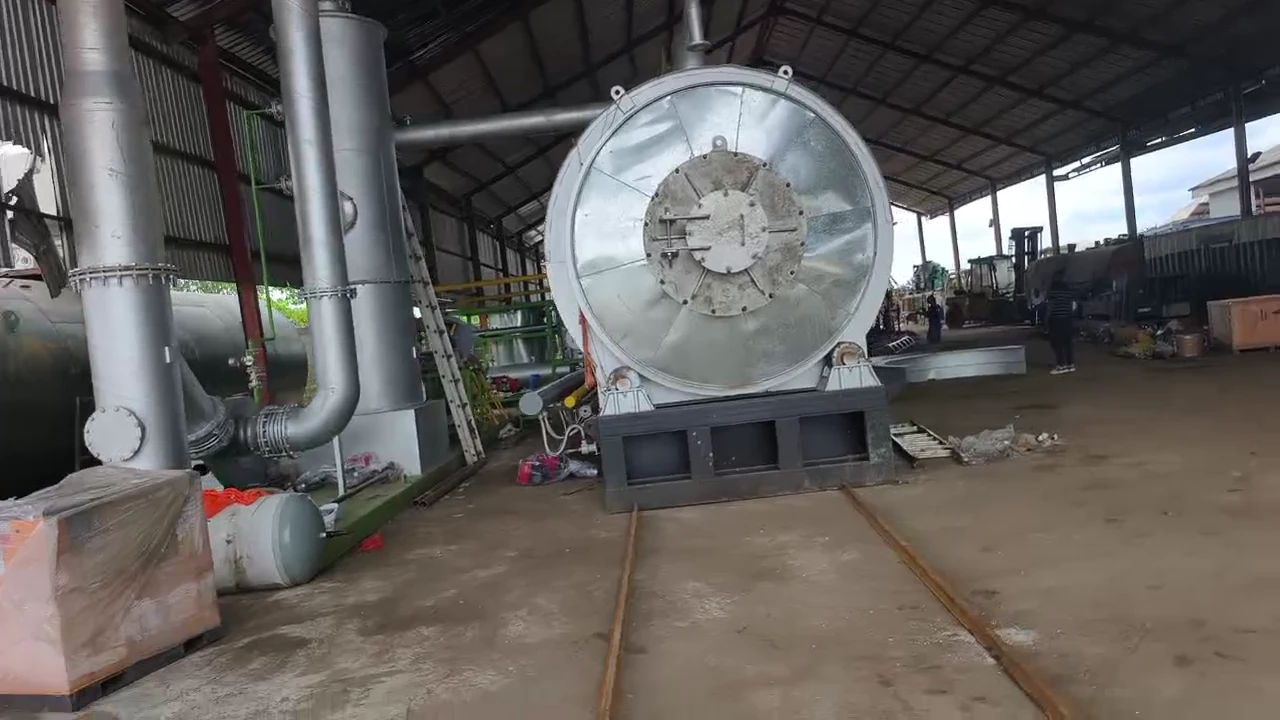
Nigeria Oil-Sludge Project Equipment
Process Flow
Equipment / System Architecture
Related project: Nigeria Oily Sludge TDU Treatment & Oil Recovery
Treatment systems to separate recoverable hydrocarbons, water and solids from tank-bottom, refinery and oilfield sludges.
Main Equipment
- Enclosed tanks, screens and transfer pumps
- Heating, mixing and dosing skids
- Decanter/centrifuge and oil-water separators
- Oil polishing, water interface and residue handling
Utilities and Environmental Interfaces
Electrical power, steam or thermal oil, nitrogen where necessary, water, ventilation and hazardous-area systems are defined by feed flashpoint and composition.
Vapor control, explosion protection, spill containment, recovered-oil quality, water discharge and residual hydrocarbon levels are key design constraints.
Customer Inputs Required
Oil/water/solids split, viscosity, flashpoint, salts, metals, solids size, emulsion stability, capacity and required recovered-oil specification.
EPC Delivery Scope
Concept and feasibility alignment, process and layout engineering, equipment integration, procurement coordination, installation supervision, commissioning support, operator training and handover documentation. Final battery limits are confirmed in the project proposal.
Frequently Asked Questions
What information is required to define a Oily Sludge Treatment & Recovery project?
Target products, capacity, raw-material specification, site conditions, utilities, local codes and desired automation level are required before concept engineering.
Can the Oily Sludge Treatment & Recovery plant be configured in phases?
Yes. The layout and utility backbone can be planned for staged capacity, subject to site and process constraints.
How is the sludge treatment process selected?
Selection is based on feed and product specifications, capacity, energy balance, environmental requirements and lifecycle cost.
Which utilities must the customer confirm for Oily Sludge Treatment & Recovery?
Available electricity, water, fuel, steam or thermal oil, compressed air, drainage and communications should be confirmed for the selected process.
Which environmental controls apply to Oily Sludge Treatment & Recovery?
Collection and treatment interfaces for dust, fumes, wastewater, noise and solid residues are defined according to the process and applicable local standards.
What is included in Oily Sludge Treatment & Recovery commissioning?
Commissioning scope can include dry tests, utility checks, interlock tests, trial production, performance verification and operator training.
Can local equipment and civil contractors be integrated into Oily Sludge Treatment & Recovery?
Yes. A responsibility matrix can divide imported packages, locally sourced equipment, civil works and installation while preserving interface control.
How are Oily Sludge Treatment & Recovery schedule and performance guarantees finalized?
They are set only after feed data, product specification, battery limits, site inputs and acceptance criteria are jointly confirmed.
Preliminary Capacity & Technical Specification Range
| Typical configurable capacity | 5–200 wet t/day or 1–50 m³/h dewatering feed |
|---|---|
| Feed basis | Sludge origin, dry solids, oil, salts, metals, pathogens, particle size and dewaterability |
| Typical outputs | Dewatered cake, dried solids, recovered oil/water where applicable, or compliant residue |
| Key utilities | Power, polymer/conditioning chemicals, wash water, thermal energy where drying is included |
Required for quotation: representative photos and samples, minimum/normal/peak feed quantity, composition and contamination analysis, operating hours, desired products and sizes, local emission/discharge limits, utilities, plot plan and required automation.
Request a Project Evaluation
Share representative waste characterization, throughput range, required outputs, utilities, site constraints and compliance requirements.
Start the engineering evaluation