
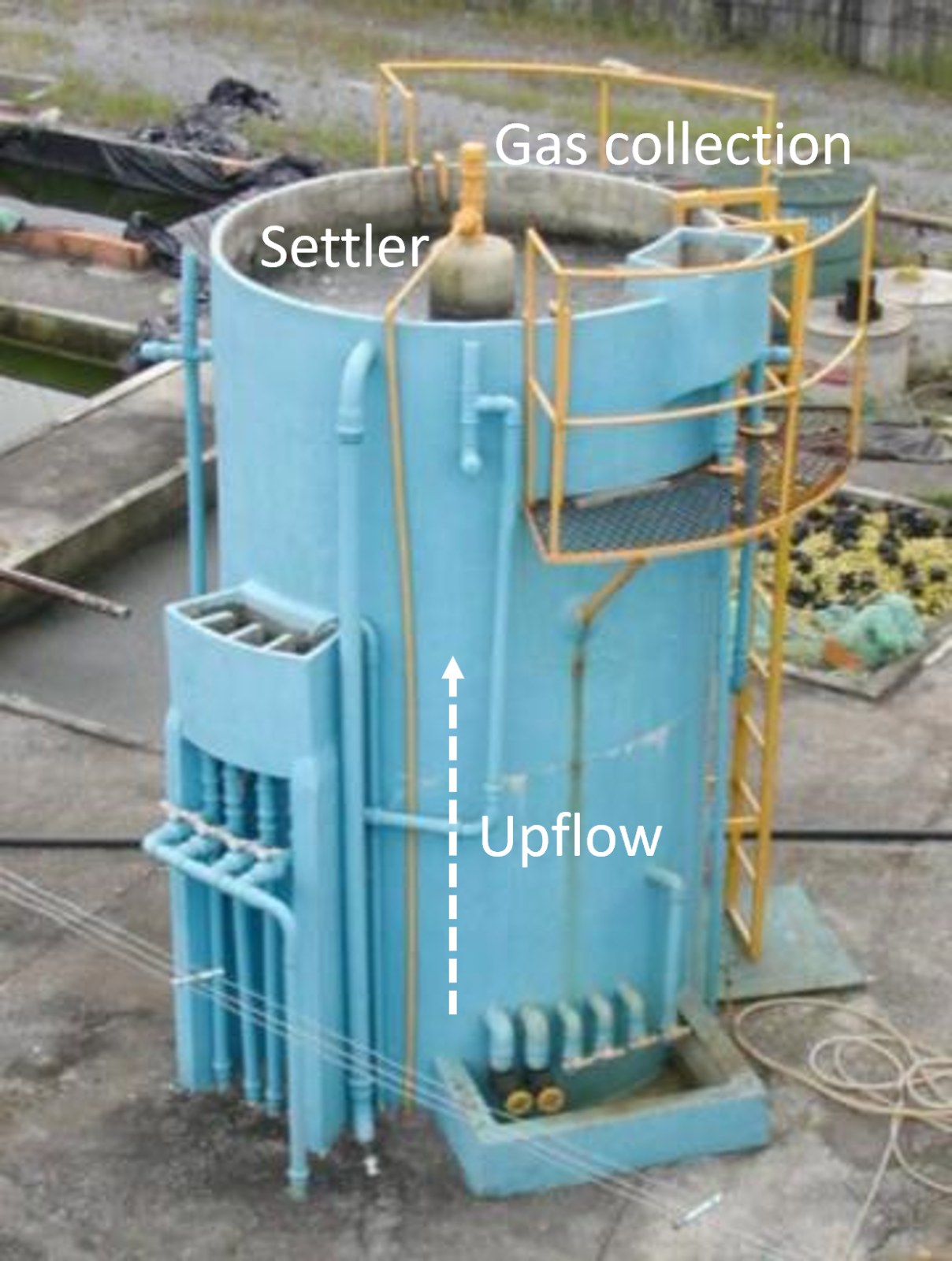
Engineering route for concentrated organics, variable biodegradability and possible inhibitory compounds. Final configuration is based on representative sampling, treatability evidence and the agreed discharge or reuse target.
Organic Load, Biodegradability and Reactor Sizing
| Design item | Unit / reference | Engineering basis |
|---|---|---|
| Hydraulic and production schedule | m³/hour; m³/day; batch timing | Record daily flow, production hours, peak discharge and each concentrated batch. Biological capacity is checked against kilograms of biodegradable COD per day, as well as hydraulic flow. |
| Feed analysis | Laboratory units and named test methods | Total and soluble COD, BOD5, TOC, pH, temperature, TDS, nitrogen, phosphorus and inhibition or respirometry results. |
| Organic loading | kg COD/day; kg COD/m³ reactor/day | Calculate soluble and particulate loads separately; reactor volume follows treatability-tested loading. |
| Biodegradability | BOD5/COD; respirometry | Separate readily biodegradable material from inhibitory or persistent COD. |
| Shock load | m³/batch; kg COD/batch; hours | Meter batch transfer into equalization; retain off-spec feed for controlled treatment. |
| Biological condition | pH; °C; alkalinity; dissolved oxygen | Select anaerobic, aerobic or combined treatment from actual inhibition and temperature data. |
| Downstream polishing | COD, TOC, color; mg/L | Measure the residual refractory fraction after biological treatment before choosing oxidation or carbon. |
Capacity calculation and design boundary
Worked sizing example: 100 m³/day at 20,000 mg/L COD carries 2,000 kg COD/day. This illustrates an influent load calculation; reactor loading and the final outlet require testing.
Outlet and acceptance schedule
Specify COD and BOD5 separately, together with the applicable nitrogen, solids and toxicity criteria. The agreed outlet depends on the receiving sewer, surface-water permit or reuse duty.
What It Is / Wastewater Characteristics
Concentrated organics, variable biodegradability and possible inhibitory compounds. The design basis must describe normal, peak and upset conditions rather than a single grab sample.
Typical Sources and Applications
Relevant process drains, production washwater, utility blowdown and segregated side streams are mapped at source before combining treatment duties.
Required Influent Data and Sampling Basis
Provide hourly and daily flow, peaks, pH, temperature, COD/TOC and biodegradability, suspended solids, conductivity/TDS, priority pollutants, toxicity indicators, production cycles and current chemical use. Composite and event samples should cover normal and upset operation.
Process Selection Logic
Selection begins with source segregation and treatability tests, then balances biological, physicochemical, membrane and thermal boundaries against residue outlets and acceptance requirements.
Wastewater-Specific Process Flow

- 1. Segregation
- 2. Equalization
- 3. Toxicity control
- 4. Anaerobic treatment
- 5. Aerobic polishing
- 6. Advanced oxidation
System and Equipment Architecture

Main equipment: Equalization, nutrient/pH dosing, anaerobic reactor, aerobic bioreactor, clarification, oxidation and polishing systems.
Residues, Utilities and Environmental Interfaces
Biogas, excess biomass, chemical sludge, odor and off-gas are incorporated into the selected route.
Power, air, water, thermal utilities, chemical storage and consumption are calculated from the agreed flow and quality envelope. Off-gas, odor and ventilation controls are incorporated where the selected process requires them.
Monitoring and Operating Records
Trend flow, pH, temperature, soluble COD/TOC where applicable, alkalinity and biological activity; anaerobic gas and aerobic dissolved oxygen require different instrumentation.
CAPEX / OPEX Drivers
Major drivers include contaminant load and variability, materials of construction, footprint, redundancy, chemical and energy duties, sludge/concentrate outlet, automation level and the required discharge or reuse quality.
Customer Engineering Inputs and Acceptance
Customer inputs include verified analyses, process inventory, site layout, utility conditions, hazardous-area requirements, local codes and the acceptance sampling protocol. Outputs are agreed as treated water, recovered materials and managed residues at defined battery limits.
Related capabilities: Turnkey process plants, factory modernization, residue recovery, renewable energy and SMART monitoring.
Frequently Asked Questions
Which feed analyses are needed for high-COD wastewater?
Total and soluble COD, BOD5, TOC, pH, temperature, TDS, nitrogen, phosphorus and inhibition or respirometry results.
How is high-COD wastewater treatment capacity sized?
Record daily flow, production hours, peak discharge and each concentrated batch. Biological capacity is checked against kilograms of biodegradable COD per day, as well as hydraulic flow.
Does a high COD result automatically justify an anaerobic reactor?
No. Biodegradability, toxicants, salinity, sulfate, temperature and the stability of the organic load must support anaerobic treatment. A high total COD can include material that microorganisms cannot readily use.
Should all high-COD streams be combined?
Recover product and solvents where possible and segregate inhibitory or intermittent concentrated streams. Controlled blending is evaluated only after compatibility and inhibition testing.
What residues must a high-COD wastewater project handle?
Quantify biological sludge, captured solids, spent carbon and any anaerobic gas treatment duty; include gas handling and the selected sludge outlet in the battery limits.
Which operating records matter for high-COD wastewater?
Trend flow, pH, temperature, soluble COD/TOC where applicable, alkalinity and biological activity; anaerobic gas and aerobic dissolved oxygen require different instrumentation.
How does the worked sizing example for high-COD wastewater apply?
Worked sizing example: 100 m³/day at 20,000 mg/L COD carries 2,000 kg COD/day. This illustrates an influent load calculation; reactor loading and the final outlet require testing.
What outlet quality must be agreed for high-COD wastewater?
Specify COD and BOD5 separately, together with the applicable nitrogen, solids and toxicity criteria. The agreed outlet depends on the receiving sewer, surface-water permit or reuse duty.