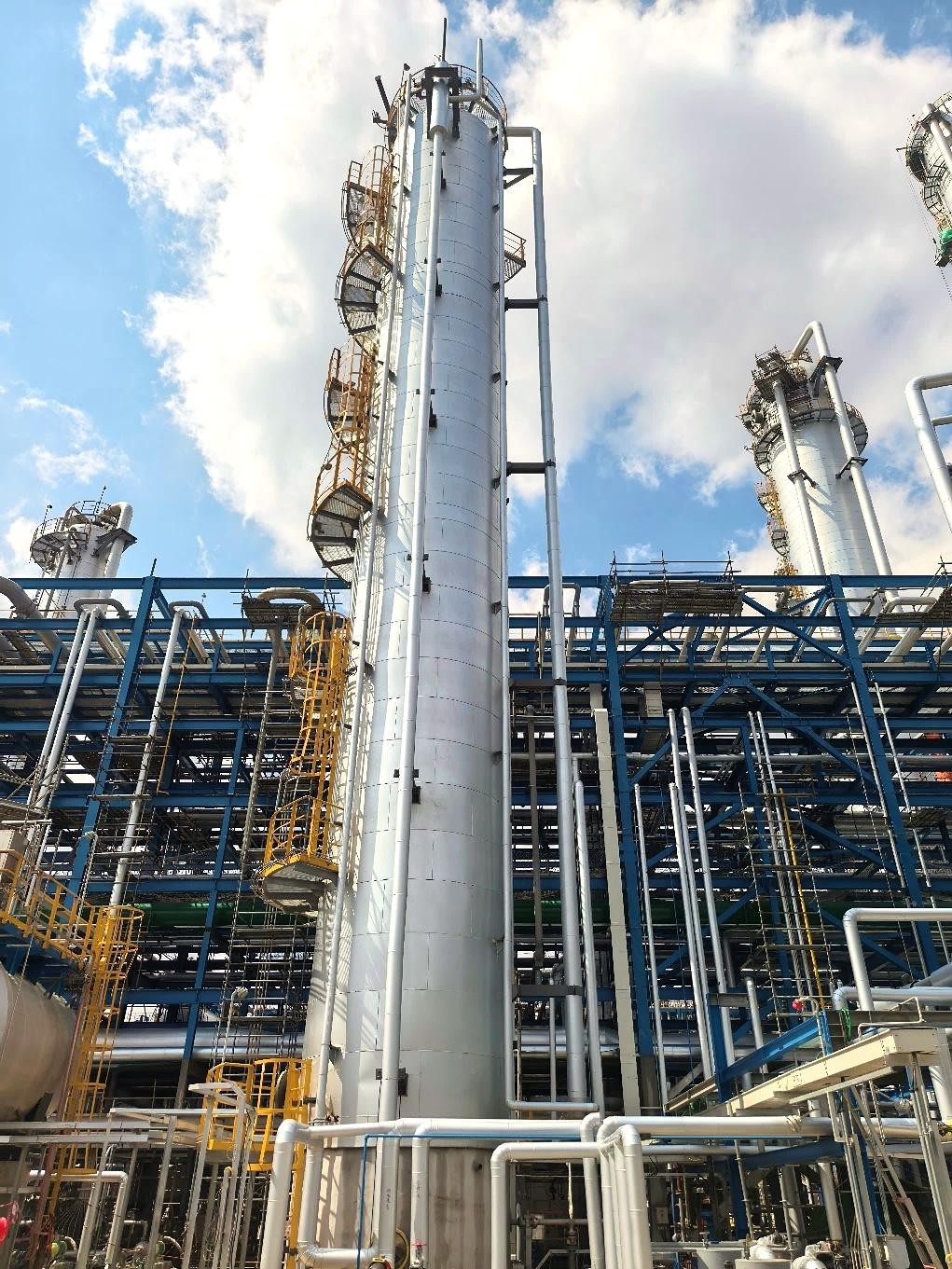
Ethylene & Petrochemical Wastewater Treatment
Ethylene and petrochemical spent-caustic wastewater treatment with documented capacity, influent, operating and treated-water ranges.
Explore treatment route → CHINA BENTEINDUSTRY GROUP
SPECIAL ENVIRONMENTAL & DIFFICULT WASTEWATER
China Bente supports integrated treatment of high-COD, oily, saline and difficult industrial wastewater. Priority support includes ethylene and petrochemical wastewater with coordinated pretreatment, biological treatment, advanced treatment, water reuse, sludge and off-gas control.
These categories are representative engineering challenges, not a limit on the industries or streams that can be evaluated.
Ethylene and petrochemical spent-caustic wastewater treatment with documented capacity, influent, operating and treated-water ranges.
Explore treatment route →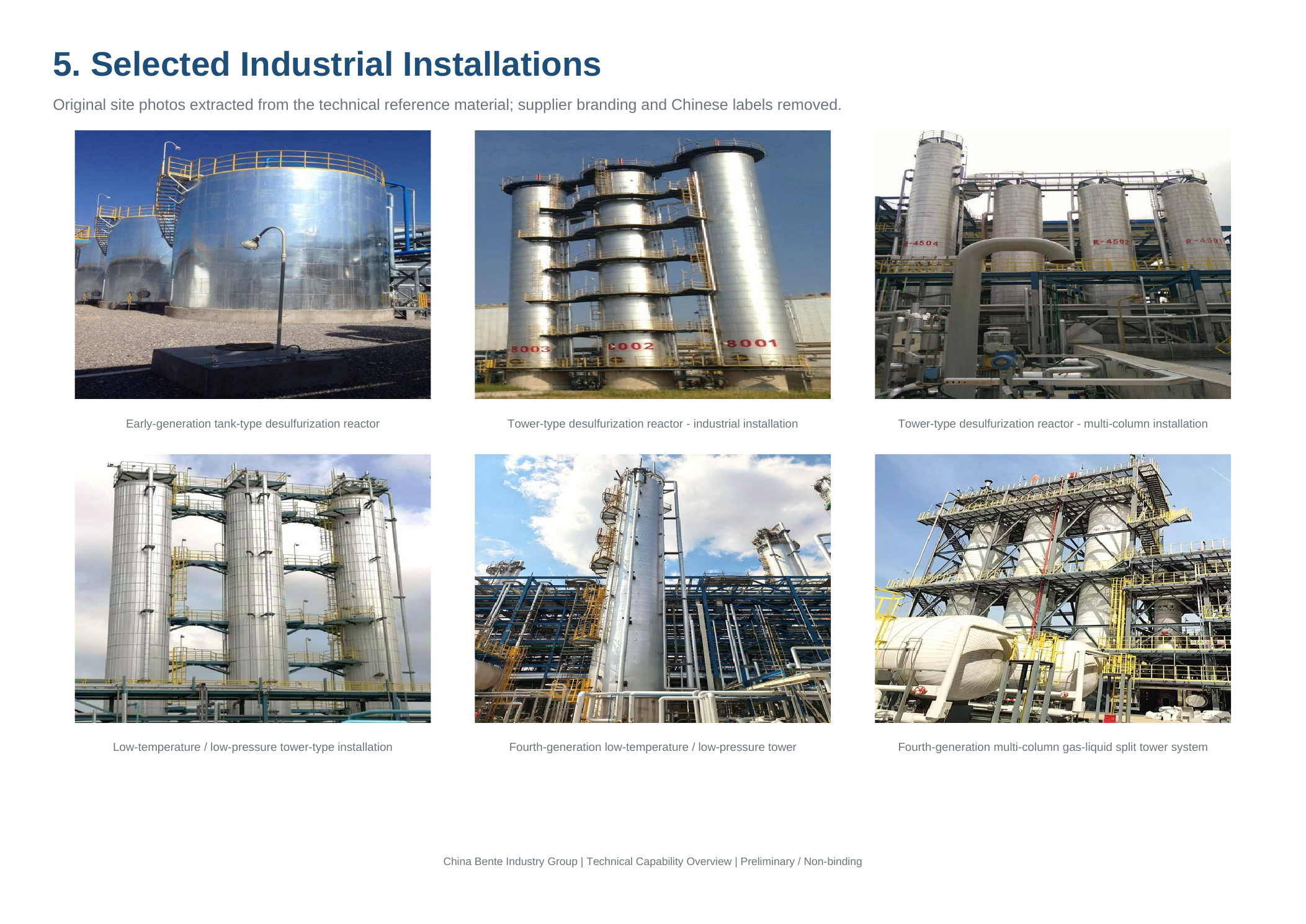
Refinery and petrochemical wastewater engineering with stream segregation, oil recovery, sulfide control, capacity references and residue interfaces.
Explore treatment route →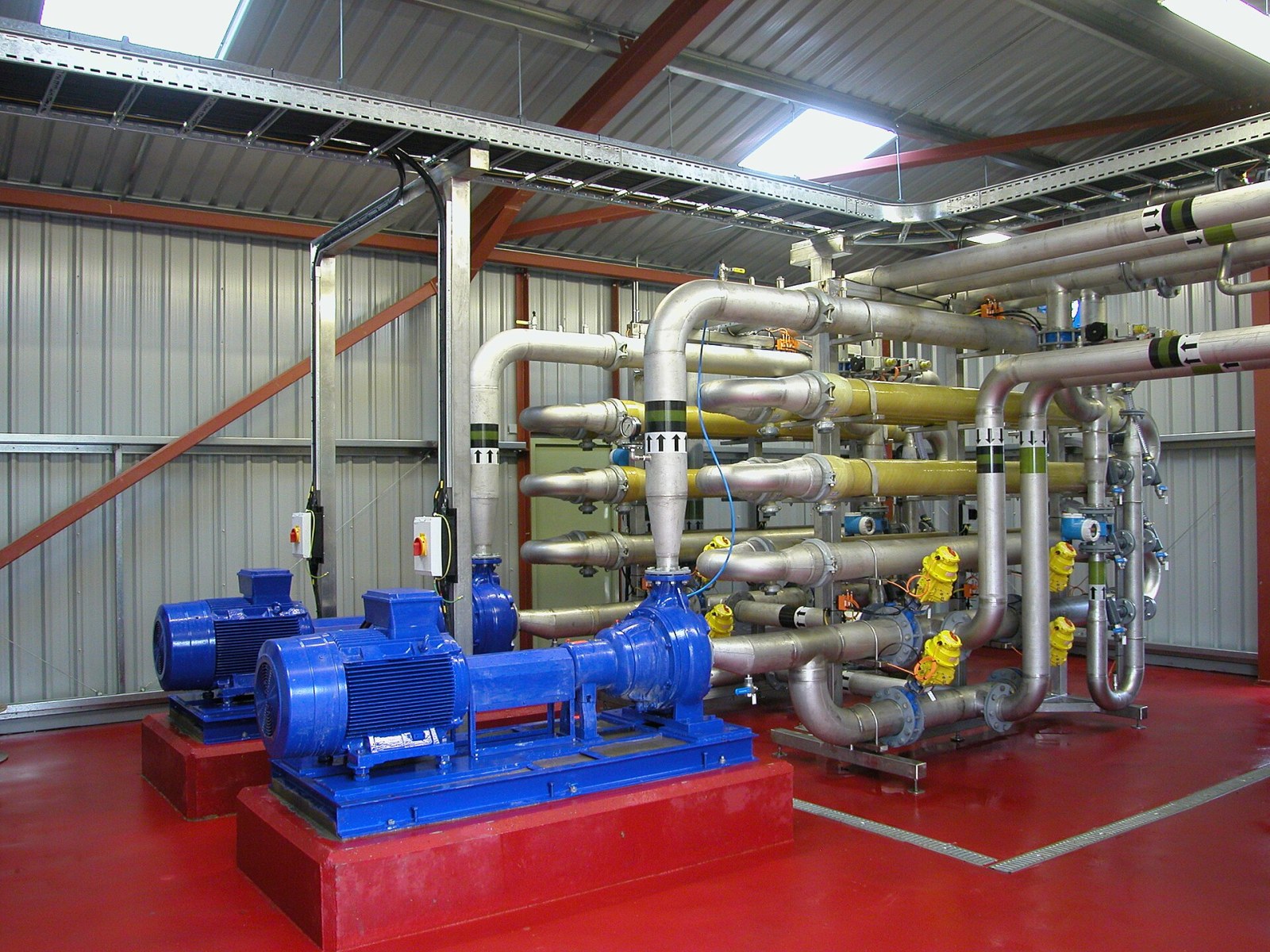
Engineering treatment for complex organics, solvents, apis, toxicity and batch-to-batch variation.
Explore treatment route →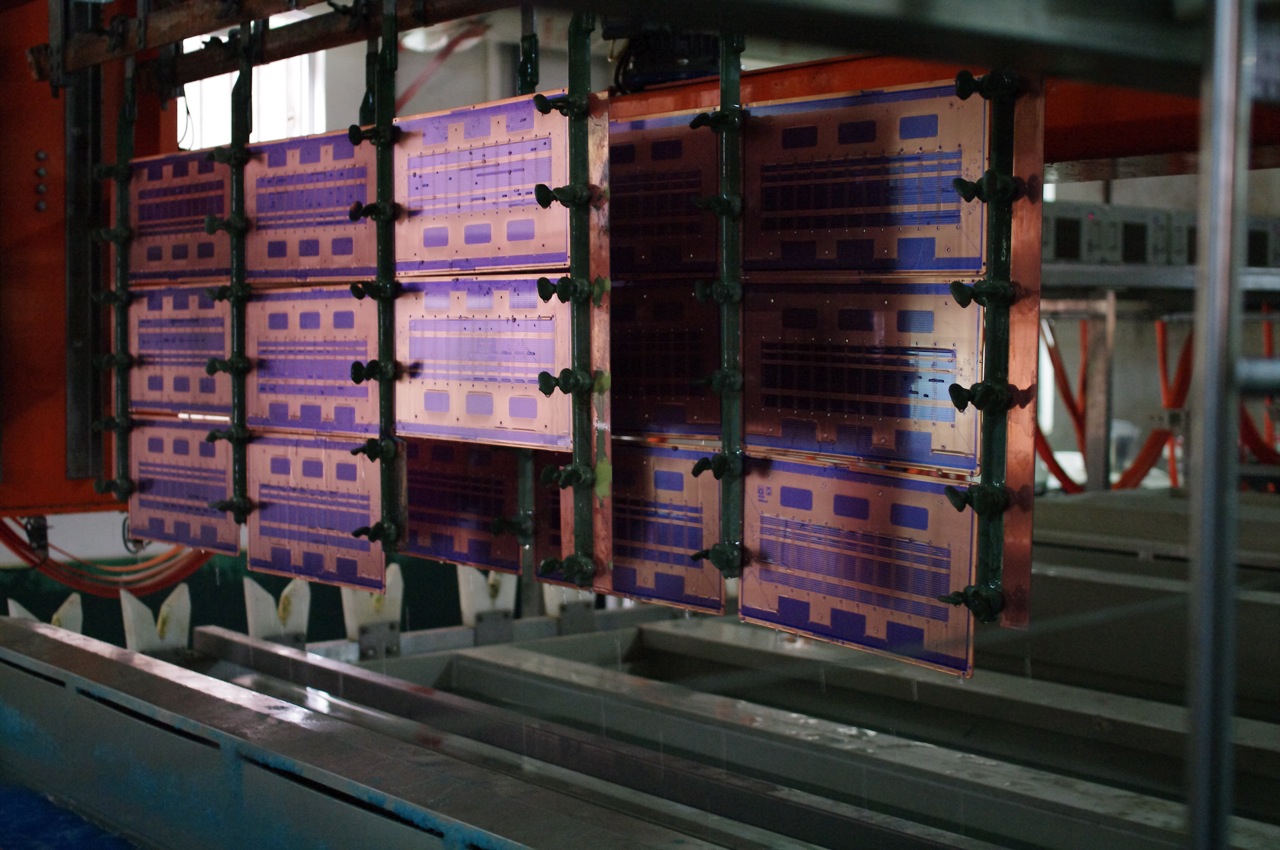
Electroplating and metal-finishing wastewater treatment with source segregation, chromium/cyanide control, metal precipitation, polishing and sludge dewatering.
Explore treatment route →
Engineering treatment for dissolved metals, complexing agents, variable ph and hazardous metal-bearing sludge.
Explore treatment route →
Engineering treatment for concentrated organics, variable biodegradability and possible inhibitory compounds.
Explore treatment route →
Engineering treatment for osmotic stress, scaling, corrosion and difficult concentrate management.
Explore treatment route →
Engineering treatment for residual cod, suspended solids, nutrients, pathogens and reuse-specific contaminants.
Explore treatment route →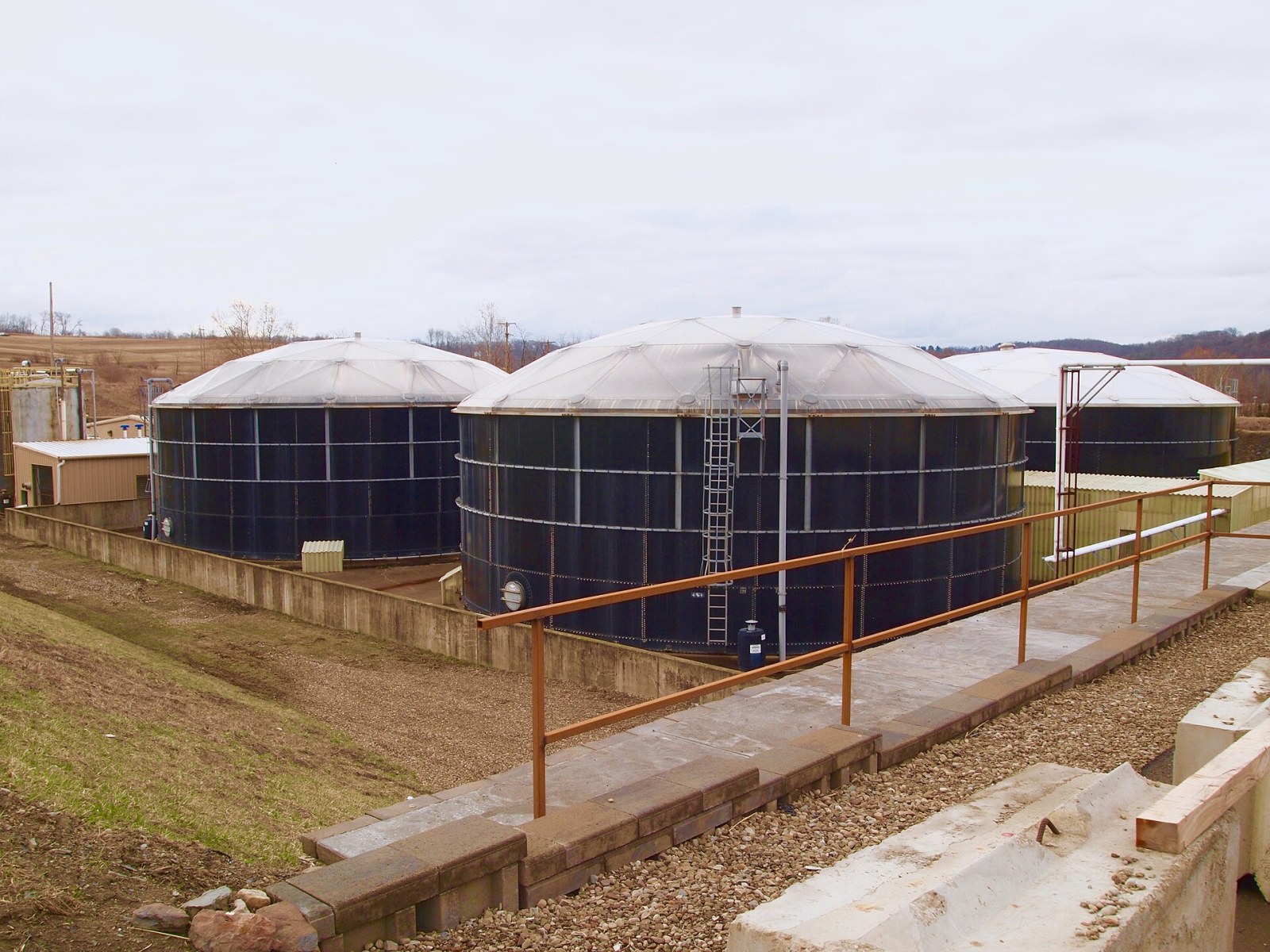
Engineering treatment for ammonia, refractory cod, color, salinity and age-dependent variability.
Explore treatment route →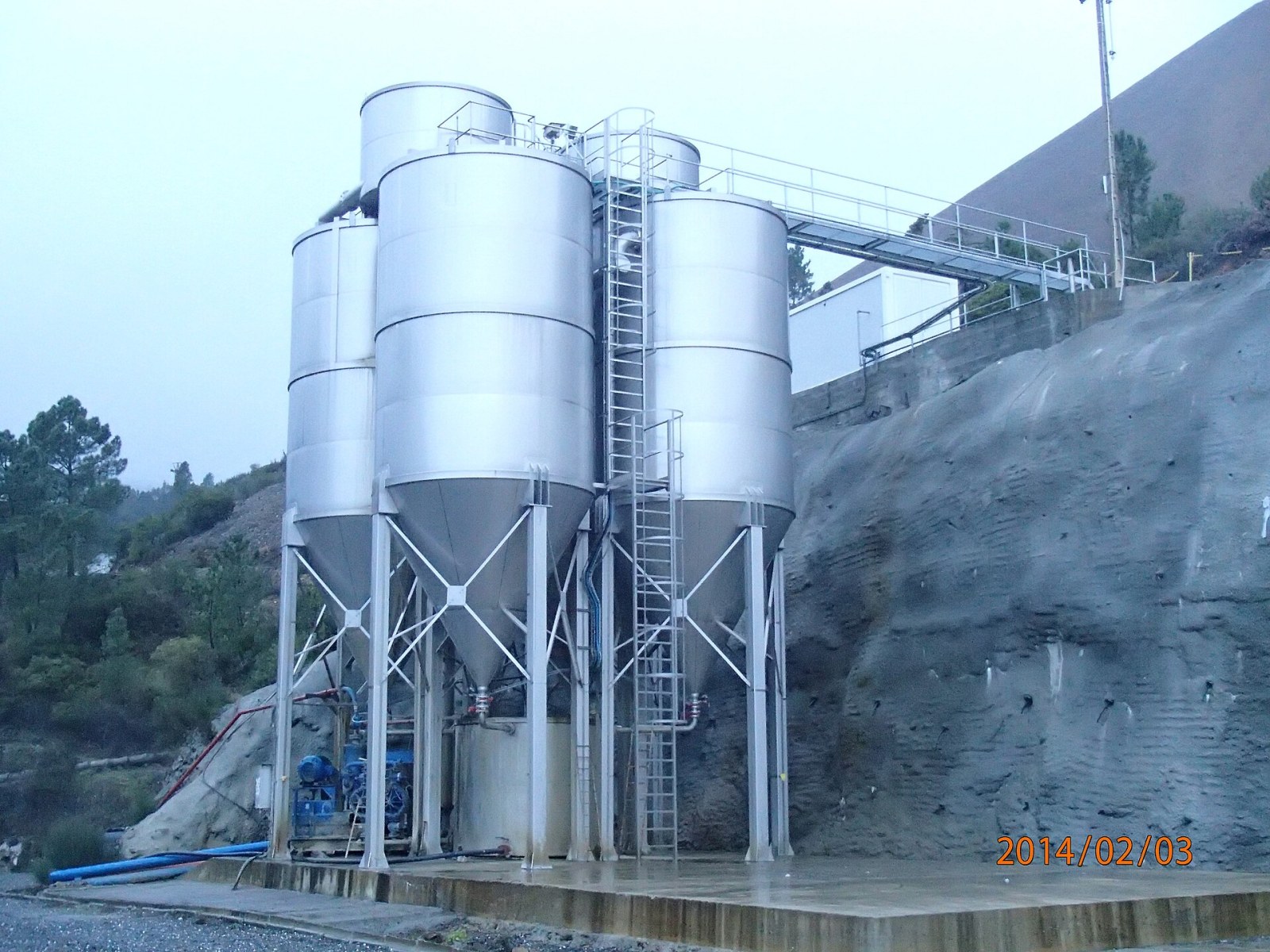
Engineering treatment for suspended mineral solids, acidity/alkalinity, metals, reagents and variable mine water.
Explore treatment route →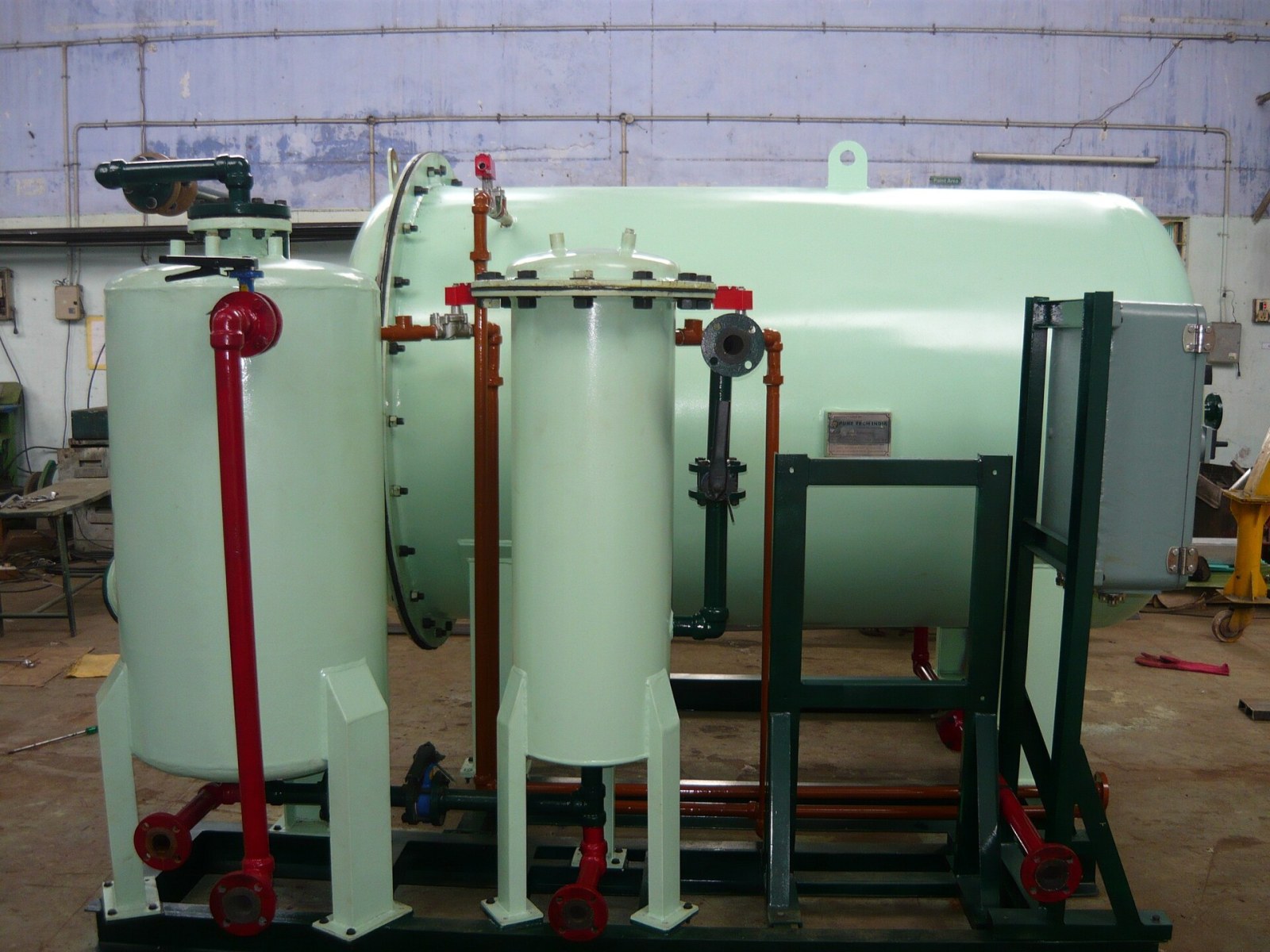
Oily and emulsified industrial wastewater treatment with separated free-oil recovery, emulsion breaking, DAF, polishing and sludge-management duties.
Explore treatment route →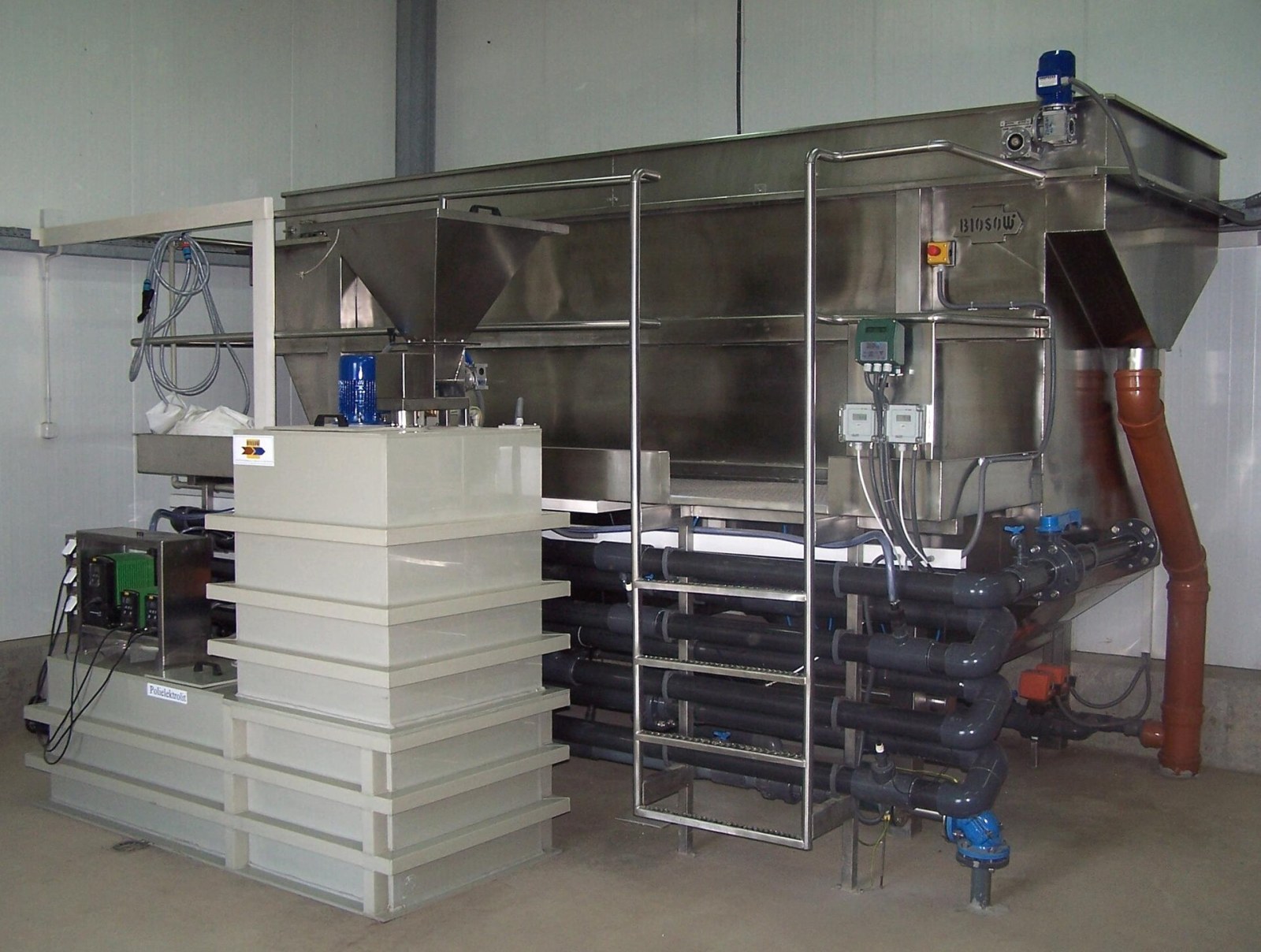
Engineering treatment for high biodegradable cod, fats, proteins, suspended solids and nutrient loads.
Explore treatment route →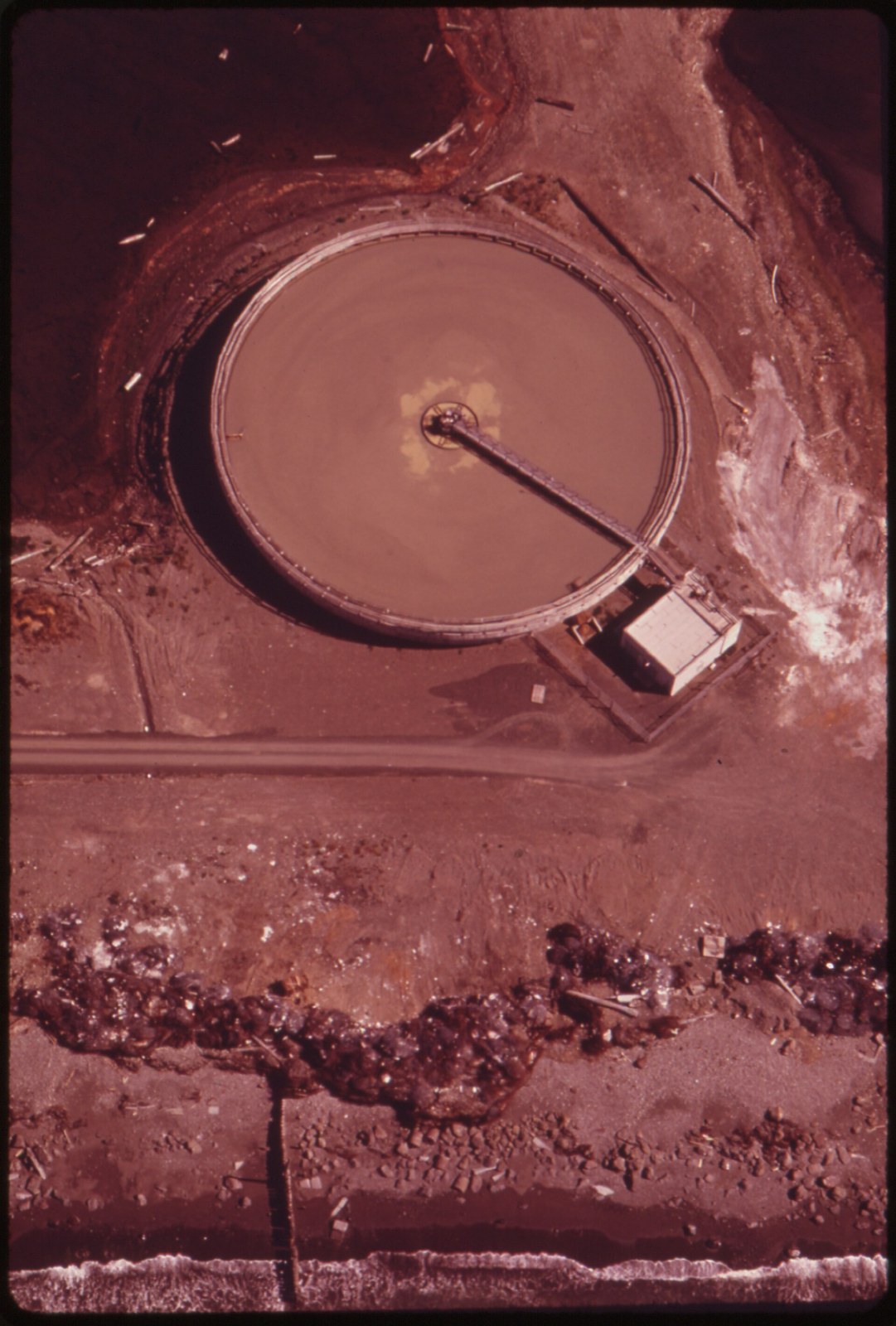
Engineering treatment for fibers, suspended solids, color, lignin compounds and high organic load.
Explore treatment route →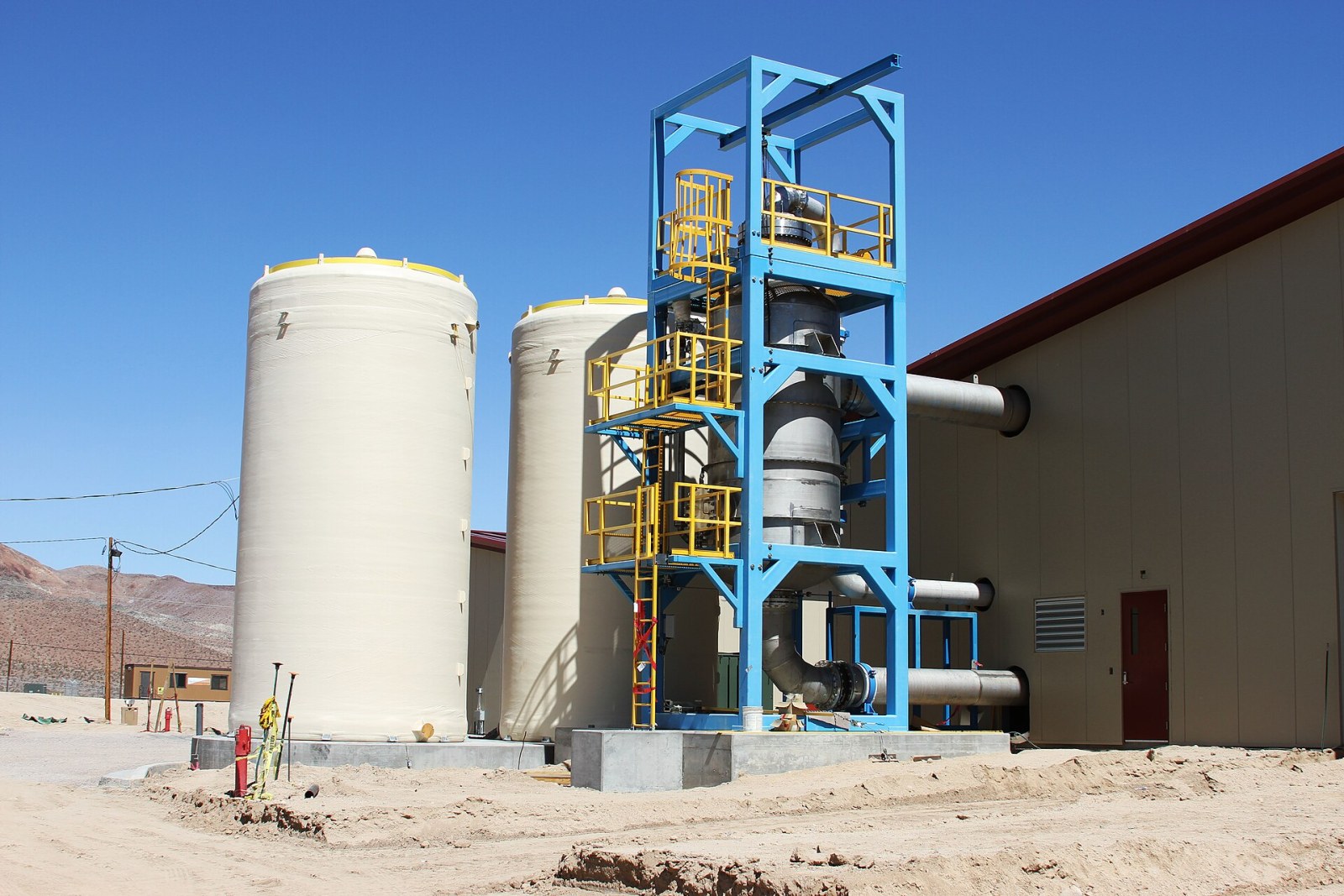
Engineering treatment for concentrated salts, scaling species, refractory organics and uncertain disposal outlet.
Explore treatment route →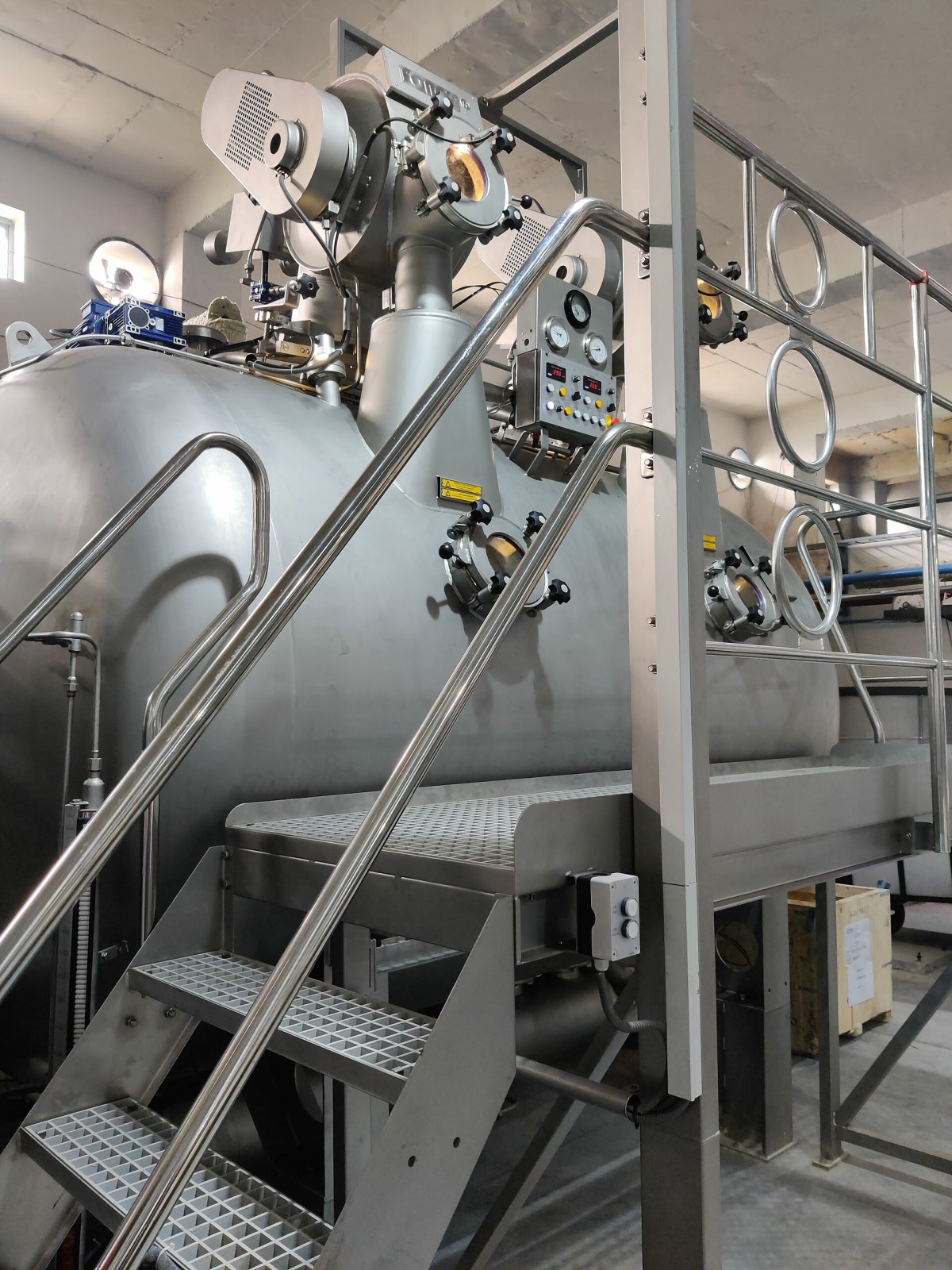
Engineering treatment for color, dyes, sizing agents, surfactants, salts and variable ph.
Explore treatment route →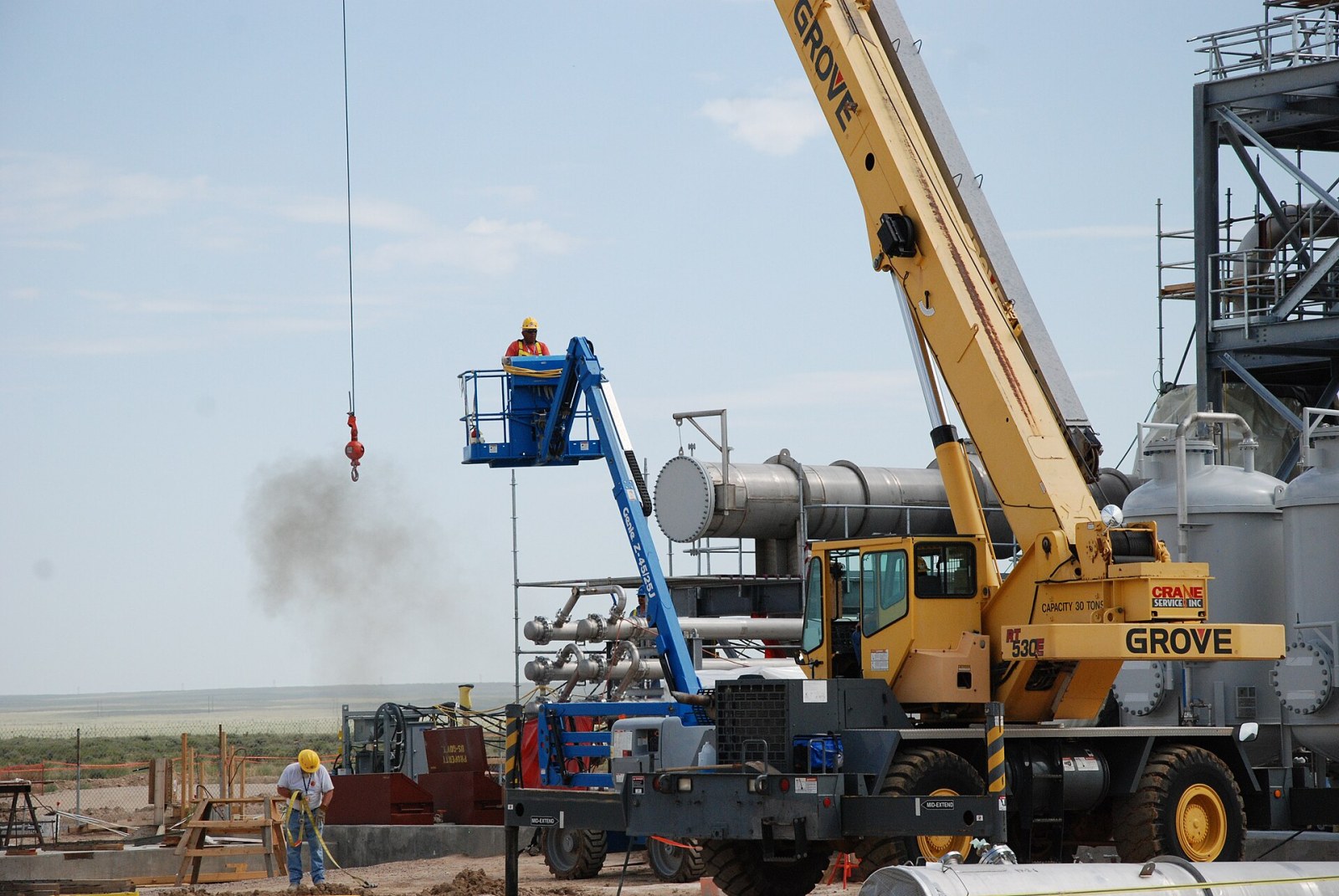
Engineering treatment for high dissolved solids, scaling, heat-transfer limits and variable salt chemistry.
Explore treatment route →
Special environmental and difficult industrial wastewater requires treatment designed from the actual feed and the required outlet, reuse or discharge target. China Bente integrates characterization, process selection, pretreatment, oxidation, separation, biological or physicochemical treatment, membranes, residue handling and plant controls.
There is no universal treatment train. Feed composition, variability, toxicity, salinity, oil, sulphide, COD and TOC, suspended solids, temperature and the required final water quality must determine the process sequence and safeguards.
Saudi Ethylene Spent Caustic / Industrial Wastewater Treatment — In Development. This is a development-stage engineering reference and is not described as completed.
High or variable COD and TOC, sulphide, oil, salinity, toxicity, refractory compounds, temperature, solids and biological inhibition can make conventional treatment unreliable.
No. The train must be derived from representative feed ranges, variability, treatability evidence and the required reuse or discharge target.
Typical data include flow, COD, TOC, BOD, sulphide, oil, TDS, TSS, pH, alkalinity, metals, temperature, toxicity and process chemicals.
Segregation, equalization, controlled transfer, monitoring and upset storage may be required before downstream treatment.
Treatment depends on sulphide, alkalinity, organics, salts and safety constraints and may include controlled oxidation, separation and polishing.
Gravity separation, coalescing, flotation, coagulation, clarification and filtration are selected according to oil form and particle behavior.
AOP may be evaluated for refractory organics or toxicity reduction after testing confirms performance, reagent demand and by-product control.
It may be used when biodegradable loading and inhibition are understood and suitable equalization, nutrient control and pretreatment are provided.
UF and RO may support reuse or polishing when pretreatment controls fouling and a viable concentrate-management route exists.
Options may include segregation, recovery, selective treatment, membranes, evaporation or controlled disposal depending on salt composition.
Yes. A retrofit begins with hydraulic, loading, equipment, control, sludge and compliance bottlenecks and identifies staged improvements.
Yes, where capacity, transport, access, utilities and process risks support modular delivery.
Flow, contaminant load, materials, redundancy and civil scope drive CAPEX; power, reagents, membranes, sludge, labor and disposal drive OPEX.
Representative analyses, flow ranges, batch patterns, outlet requirements, utilities, site data, drawings, residue routes and acceptance criteria are required.