
Waste Tires: Feedstock, Real Processing Equipment and Rubber Products


Process Flow
Equipment / System Architecture
Waste-tire recycling is engineered around actual tire feedstock, target recovered products, emissions controls, safe handling and confirmed offtake requirements.
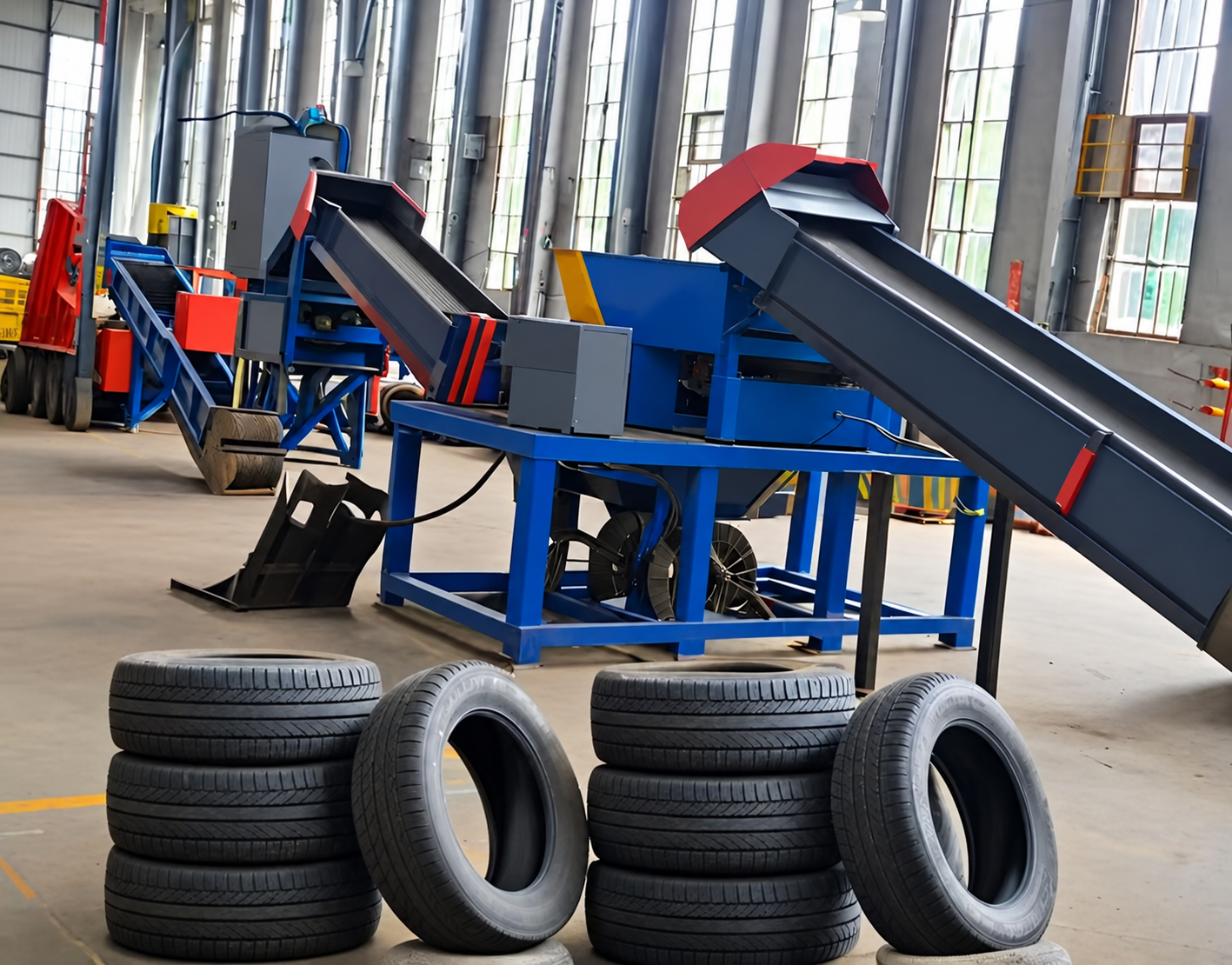
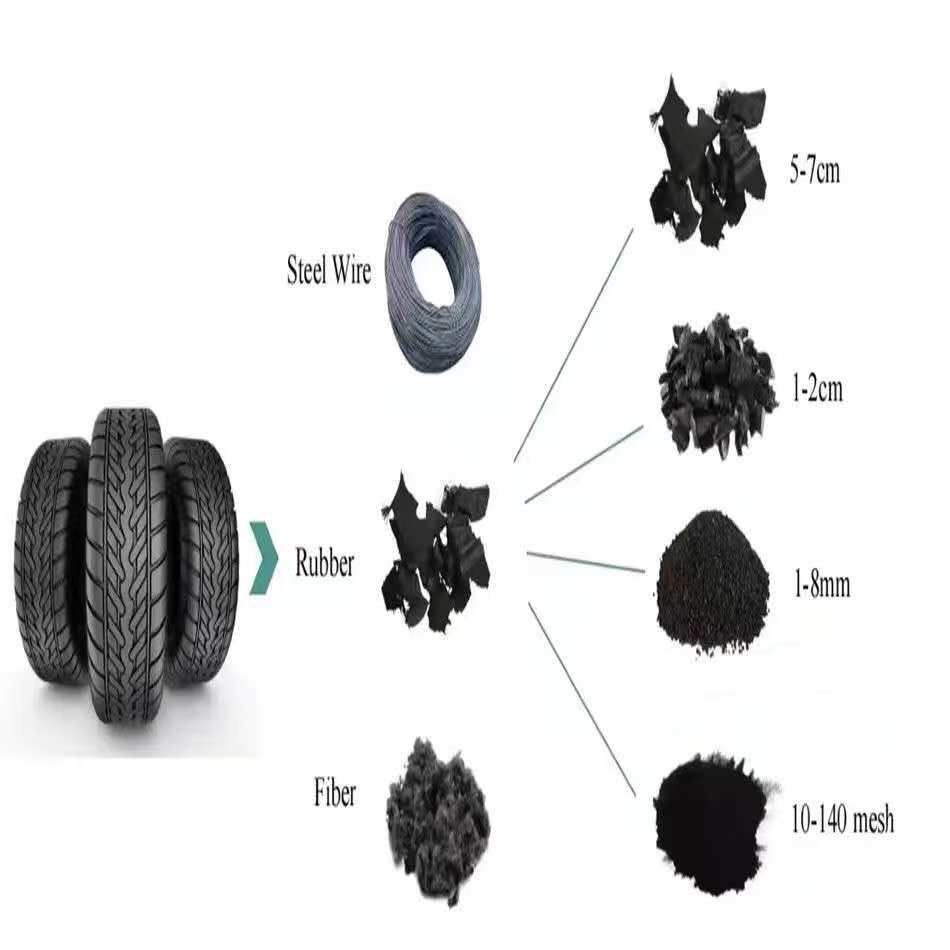
A waste-tire recycling facility receives end-of-life tires and converts them through defined mechanical size-reduction and separation steps into recovered rubber fractions, steel and textile fractions, or feeds a further approved process. The suitable route depends on whole-tire/passenger/truck mix, contamination, moisture, target particle size and commercial outlet.
Typical applications
- Mechanical tire shredding and rubber granulation
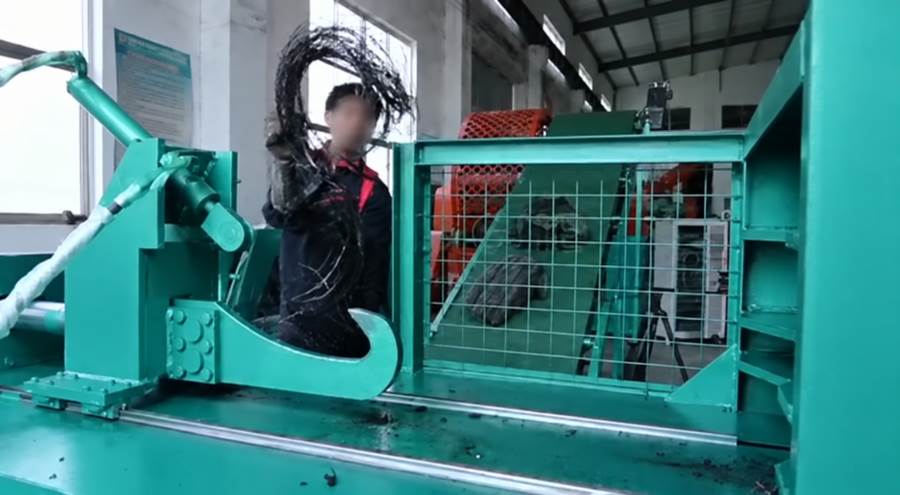
- Steel and textile separation from end-of-life tires
- Pre-processing for approved downstream recovery routes
- Regional collection and material-recovery facilities
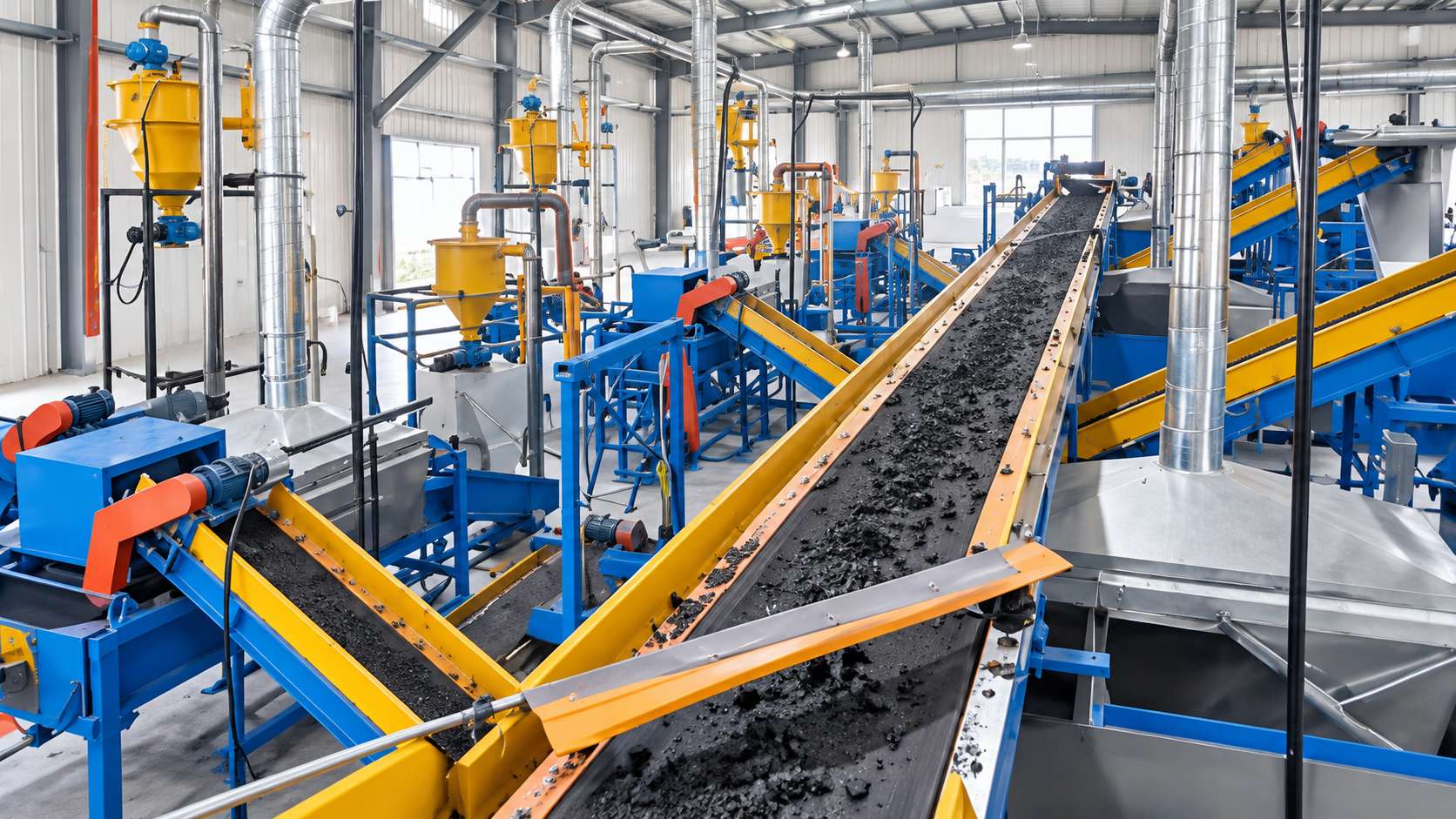
Main equipment and system architecture
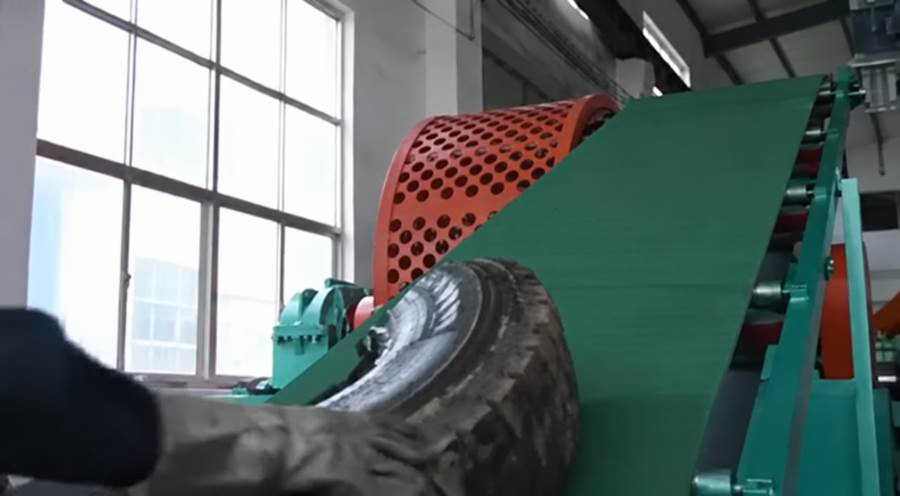
- Controlled tire receiving, fire-separated storage and feed handling
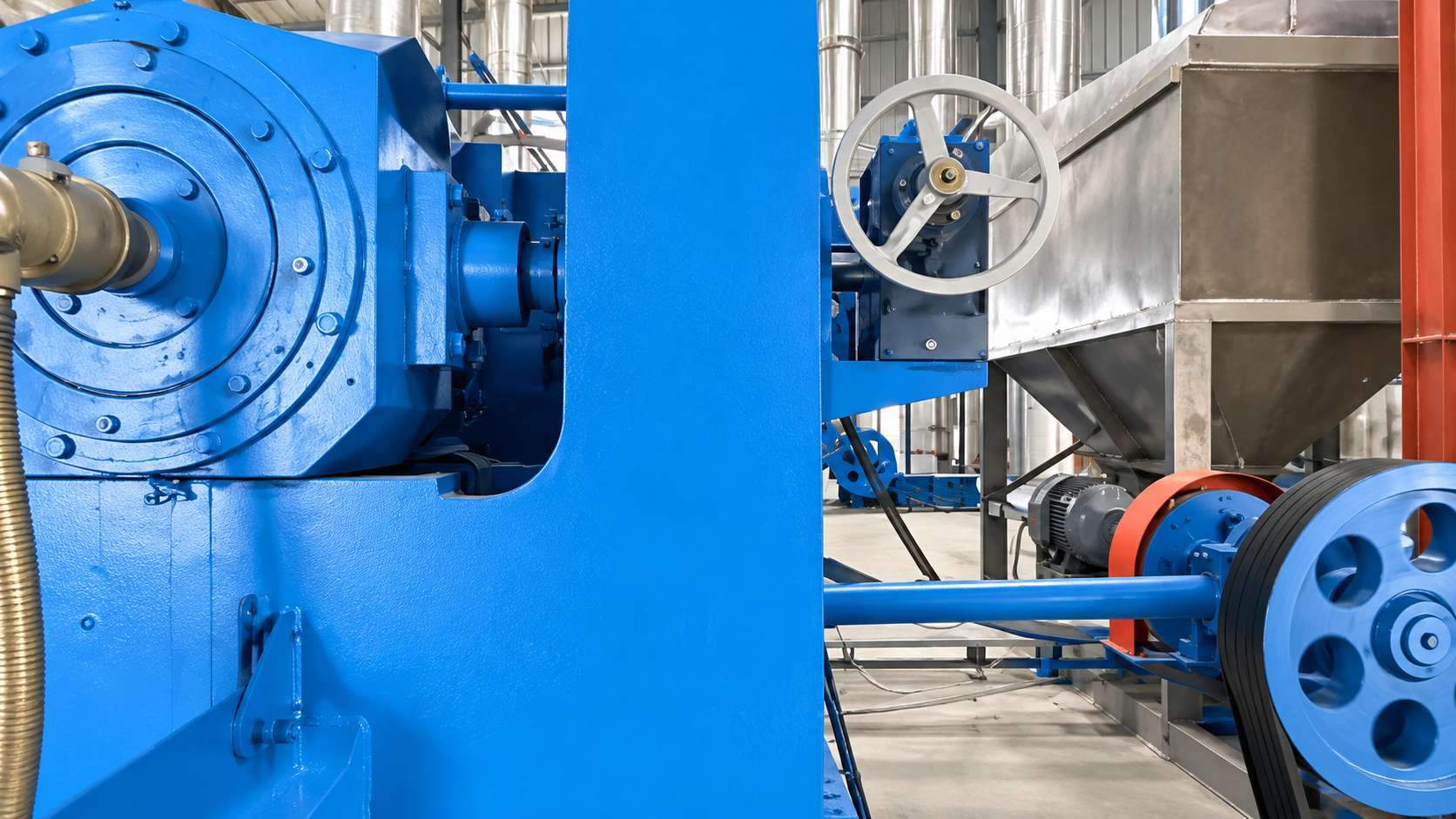
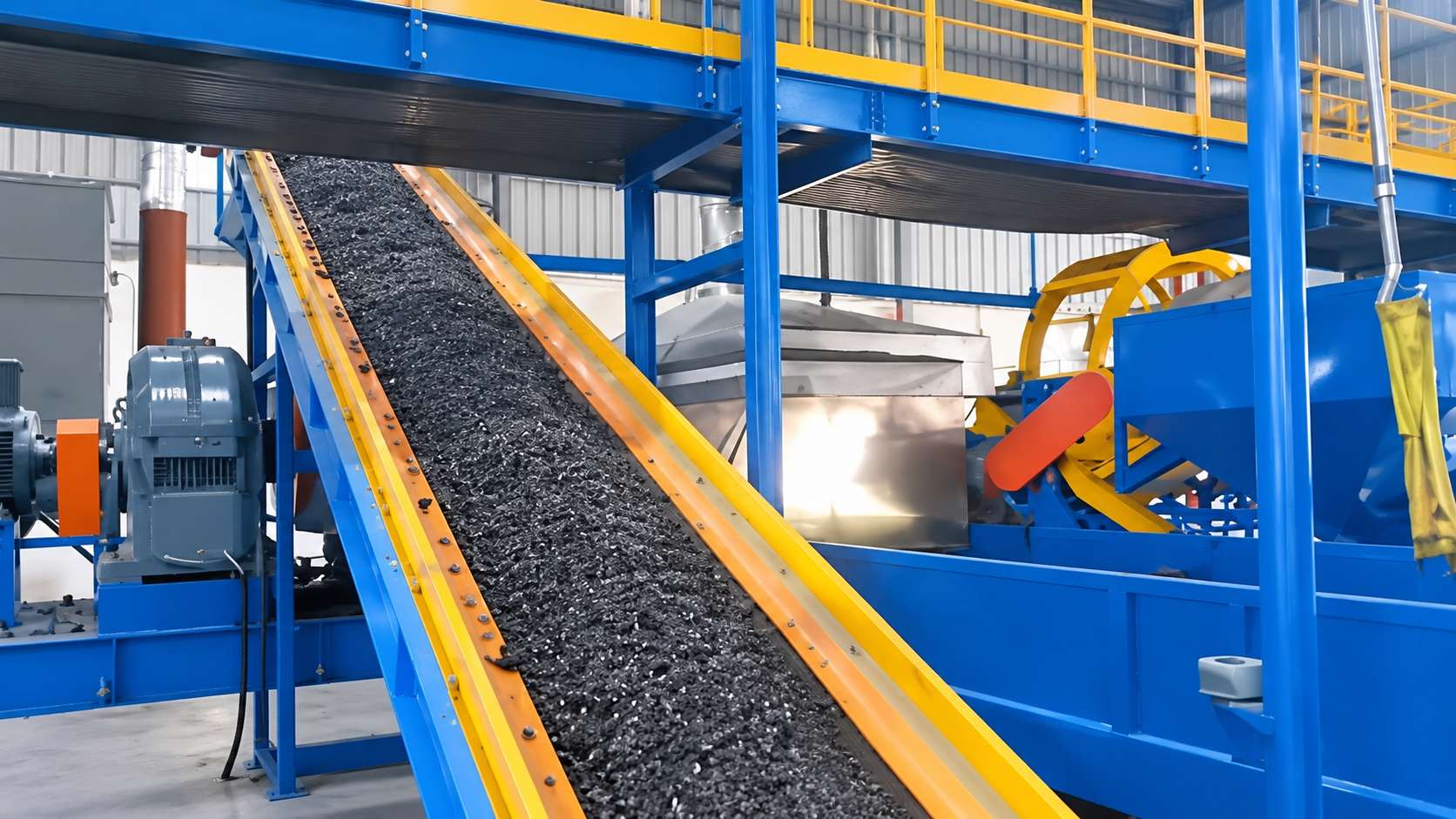
- Primary shredder and conveying sized to verified tire mix
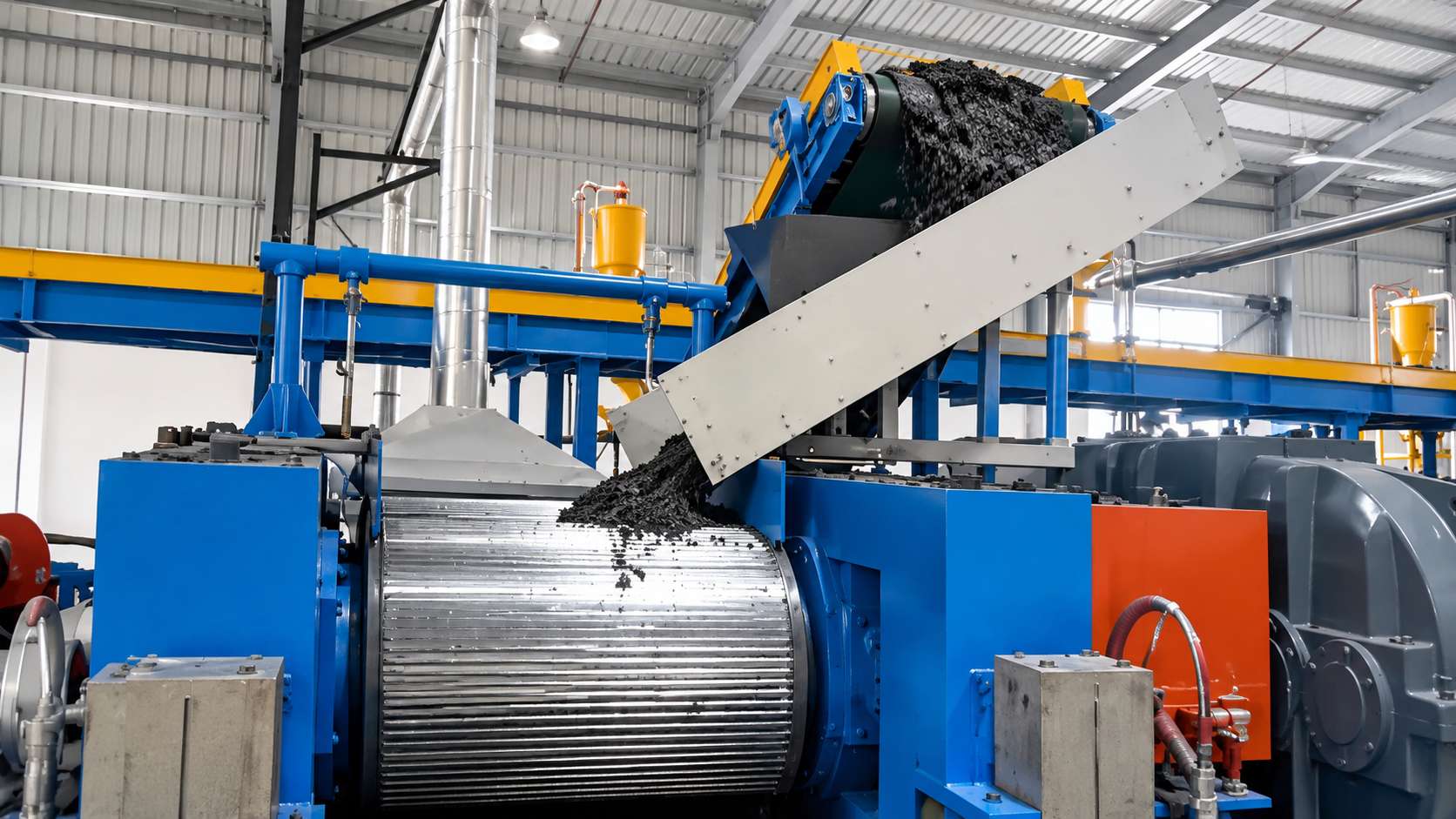
- Secondary granulation or refining appropriate to target fraction
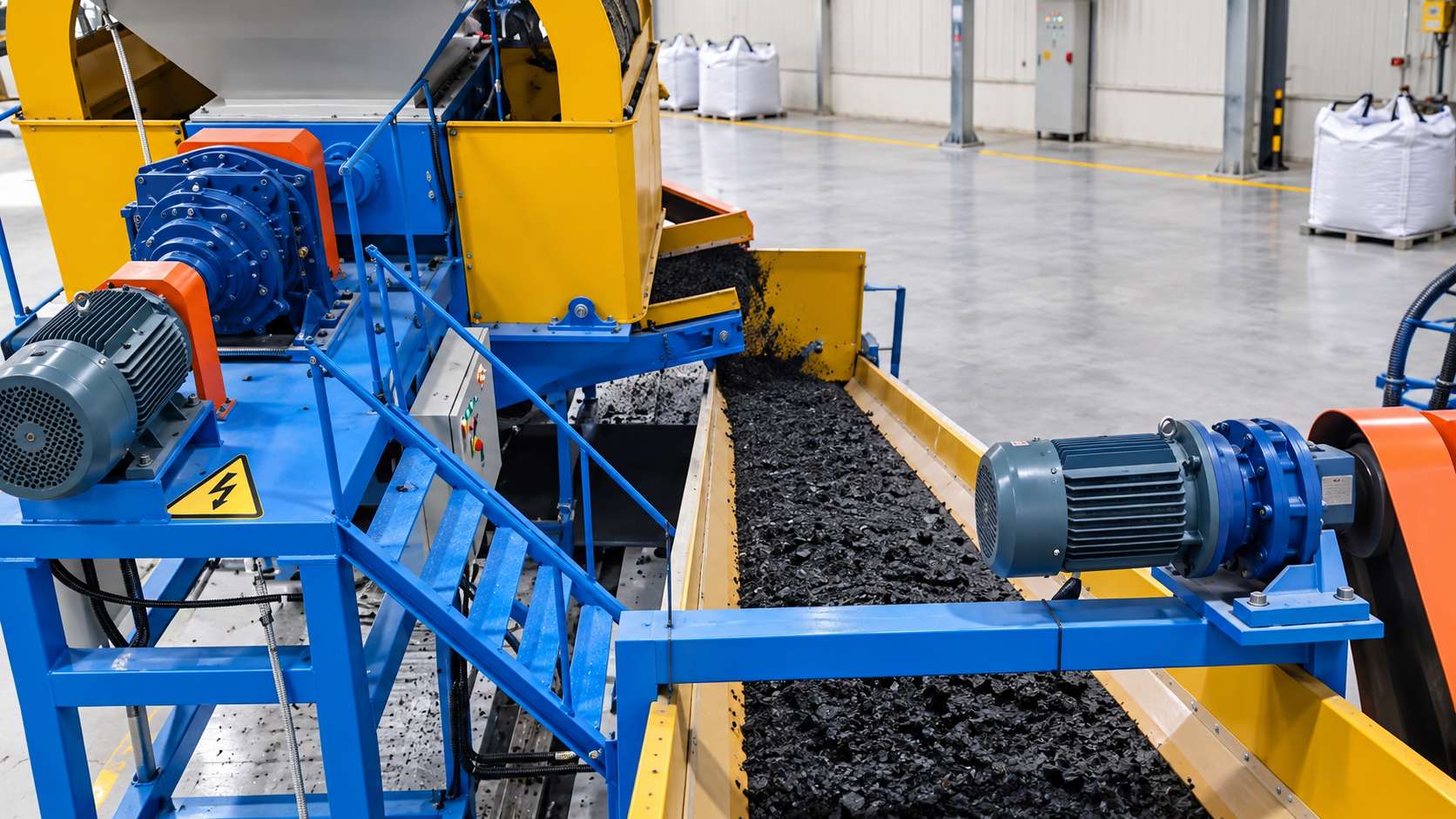
- Magnetic separation and fiber-removal systems
- Screening, classification, dust extraction and material storage
- Controls, guarding and fire-detection interfaces
Capacity and design basis
Design capacity is based on verified annual and daily intake, tire types and dimensions, contamination rate, operating hours, planned maintenance, storage limits and required output fractions. A nameplate value is not used until the feedstock and operating basis are confirmed.
Utilities and infrastructure
- Electrical supply and protection sized to high-torque shredding duty
- Dust extraction and filtration appropriate to size reduction
- Fire detection, suppression interfaces and emergency access
- Drainage and stormwater management for tire storage areas
- Vehicle circulation, weighbridge and loading arrangements where required
Customer engineering inputs
- Tire mix by source, size, construction and contamination
- Expected intake profile, seasonal variation and storage constraints
- Required recovered-rubber fraction, steel quality and fiber handling
- Site plan, permits, fire authority conditions and available utilities
- Confirmed offtake specifications and commercial handling requirements
CAPEX and OPEX drivers
CAPEX is affected by intake/storage works, shredding duty, number of reduction stages, separation quality, dust/fire controls, automation and civil works. OPEX is driven by electricity, wear parts, cutter maintenance, labor, transport, residue disposal and output quality.
Safety, environmental and compliance considerations
The project must manage fire risk, trapped energy, rotating equipment, dust, noise, vehicle movement, storage pile configuration, emergency response and any local waste-management and air-emission obligations.
Outputs and acceptance basis
Acceptance is based on agreed feedstock trials, safe operation, specified output size/classification, separation performance where defined, controls and interlocks, documented commissioning and agreed material-handling demonstration.
Related project evidence
The website does not currently publish a verified completed waste-tire recycling case. This page does not claim a tire-project reference; verified published evidence remains available via Projects & Cases.
Frequently asked questions
What tire types can be processed?
The process can be engineered for confirmed passenger, truck, OTR or mixed tire streams, but size, steel content, contamination and storage conditions must be defined first.
What products can mechanical recycling produce?
Depending on the approved process, outputs may include rubber fractions, recovered steel and textile-rich fractions. Their specification is agreed with the intended offtake route.
Is a tire sample required?
Representative feedstock information and, where practical, samples help validate the proposed size-reduction, separation and wear assumptions.
How is tire-storage fire risk handled?
Storage layout, pile limits, access, detection, suppression interfaces, isolation and emergency response are designed against site and authority requirements.
Can the plant process whole tires?
Whole tires may be accepted if the receiving, feed and primary shredding design is matched to their dimensions and the approved operating basis.
How is steel separated from rubber?
Magnetic separation is typically applied after defined size-reduction stages; the position and number of stages depend on target purity and material behavior.
What affects shredder maintenance cost?
Feedstock condition, tire construction, contaminants, cutter material, throughput, operating practice and maintenance access are the main drivers.
Can tire recycling be phased?
Yes. Intake, utilities and layout can be planned for approved future stages, while the first phase remains based on verified current feedstock and offtake.
Request a Project Evaluation
Provide feedstock samples or composition data, expected volume, site constraints, permits and intended recovered-material offtake. Open technical items remain marked TBC until confirmed.
Preliminary Capacity & Technical Specification Range
| Typical configurable capacity | 0.5–10 t/h |
|---|---|
| Feed basis | Passenger/truck/OTR tire mix, maximum tire size, retained steel/fiber and target rubber size |
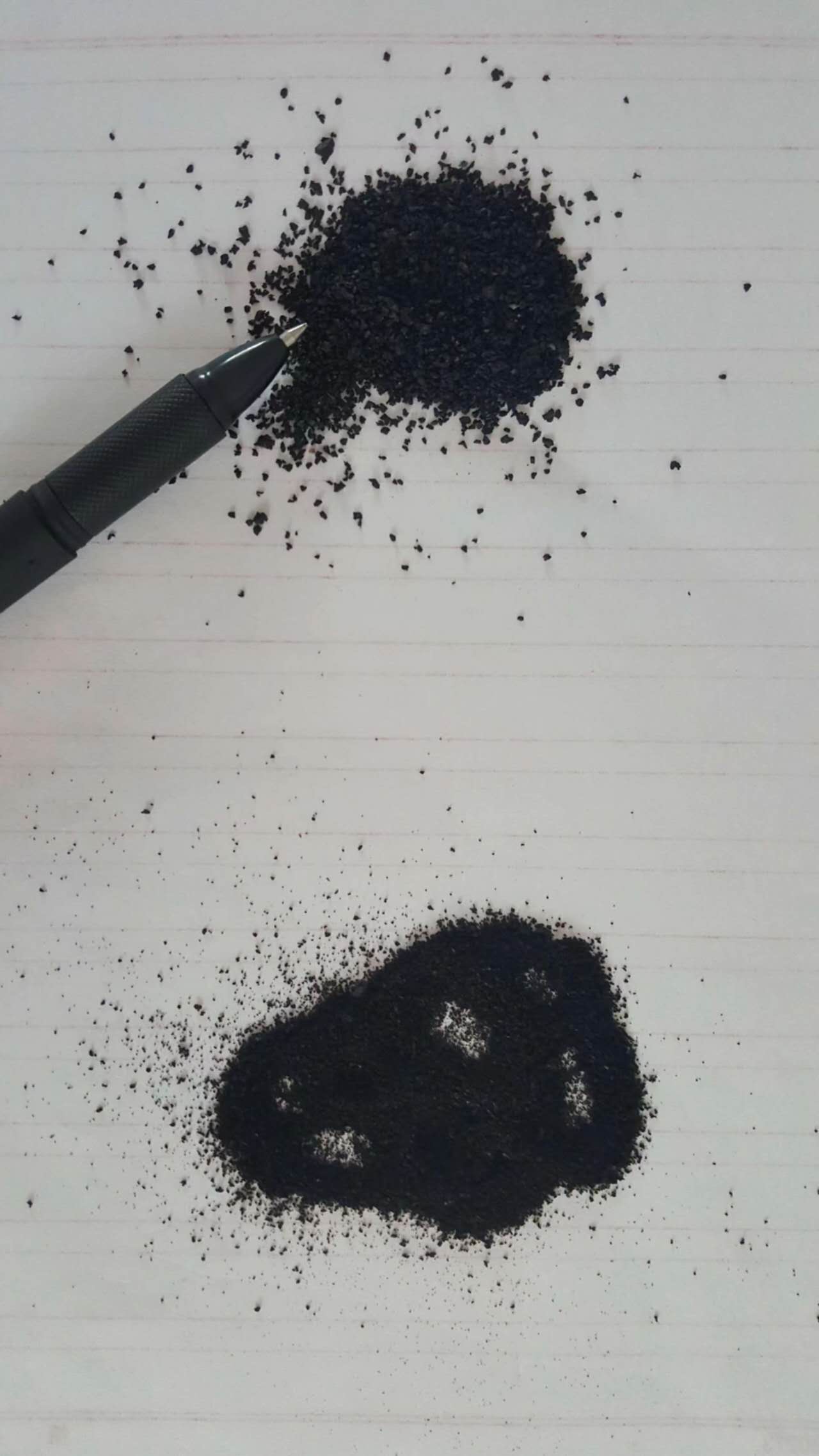
| Typical outputs | 50–150 mm chips, 10–30 mm chips, 1–8 mm granules or finer powder; recovered steel and fiber |
| Key utilities | Power, dust extraction, cooling where required and fire protection |
Required for quotation: representative photos and samples, minimum/normal/peak feed quantity, composition and contamination analysis, operating hours, desired products and sizes, local emission/discharge limits, utilities, plot plan and required automation.
Request a Project Evaluation
Share representative waste characterization, throughput range, required outputs, utilities, site constraints and compliance requirements.
Start the engineering evaluation