Fresh and chilled products
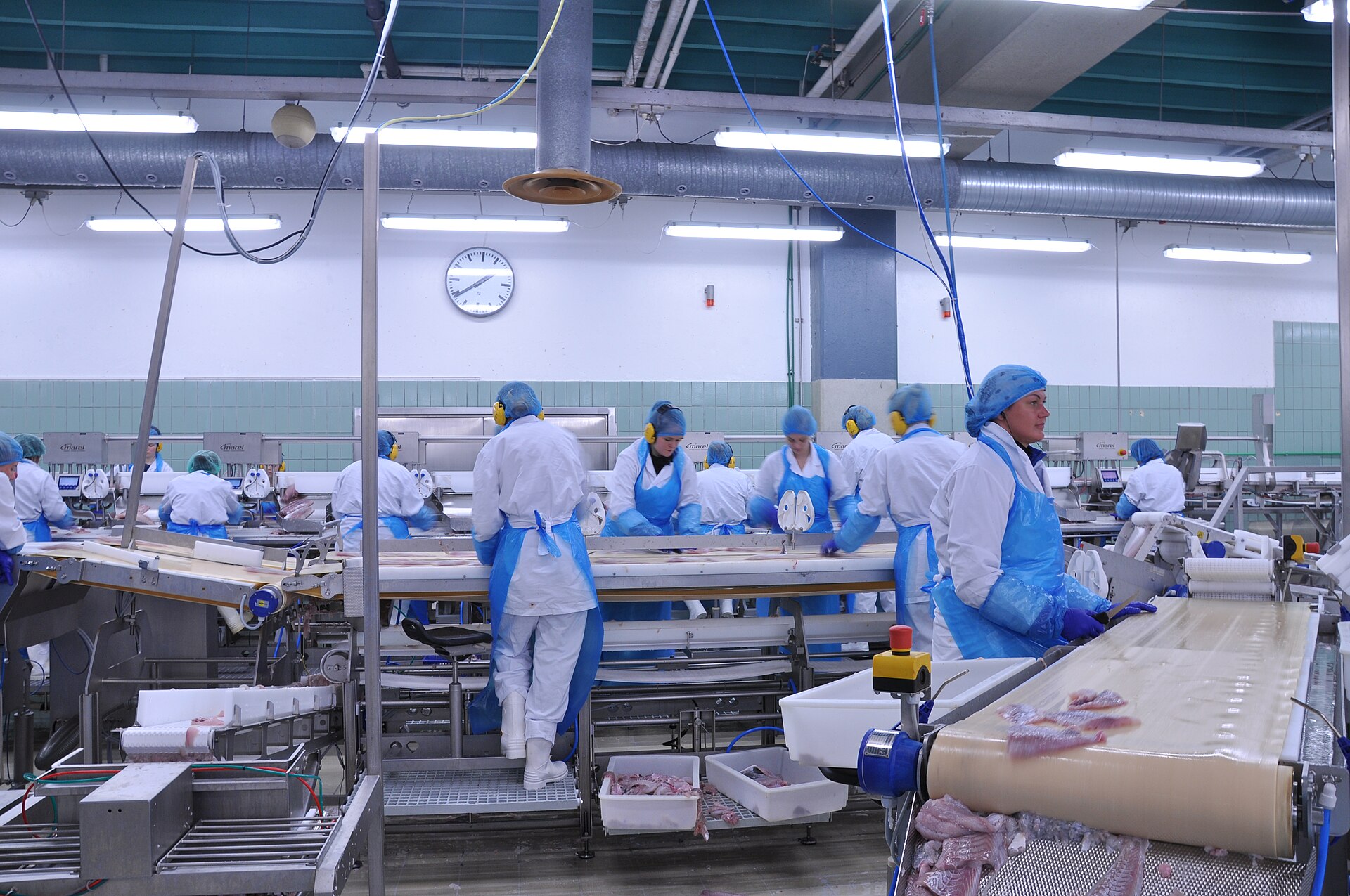
Receiving, washing, grading, heading/gutting, filleting, chilling, inspection and retail or bulk packing.
 CHINA BENTEINDUSTRY GROUP
Hygienic seafood processing and controlled timber-processing solutions with product-specific material flow and storage.
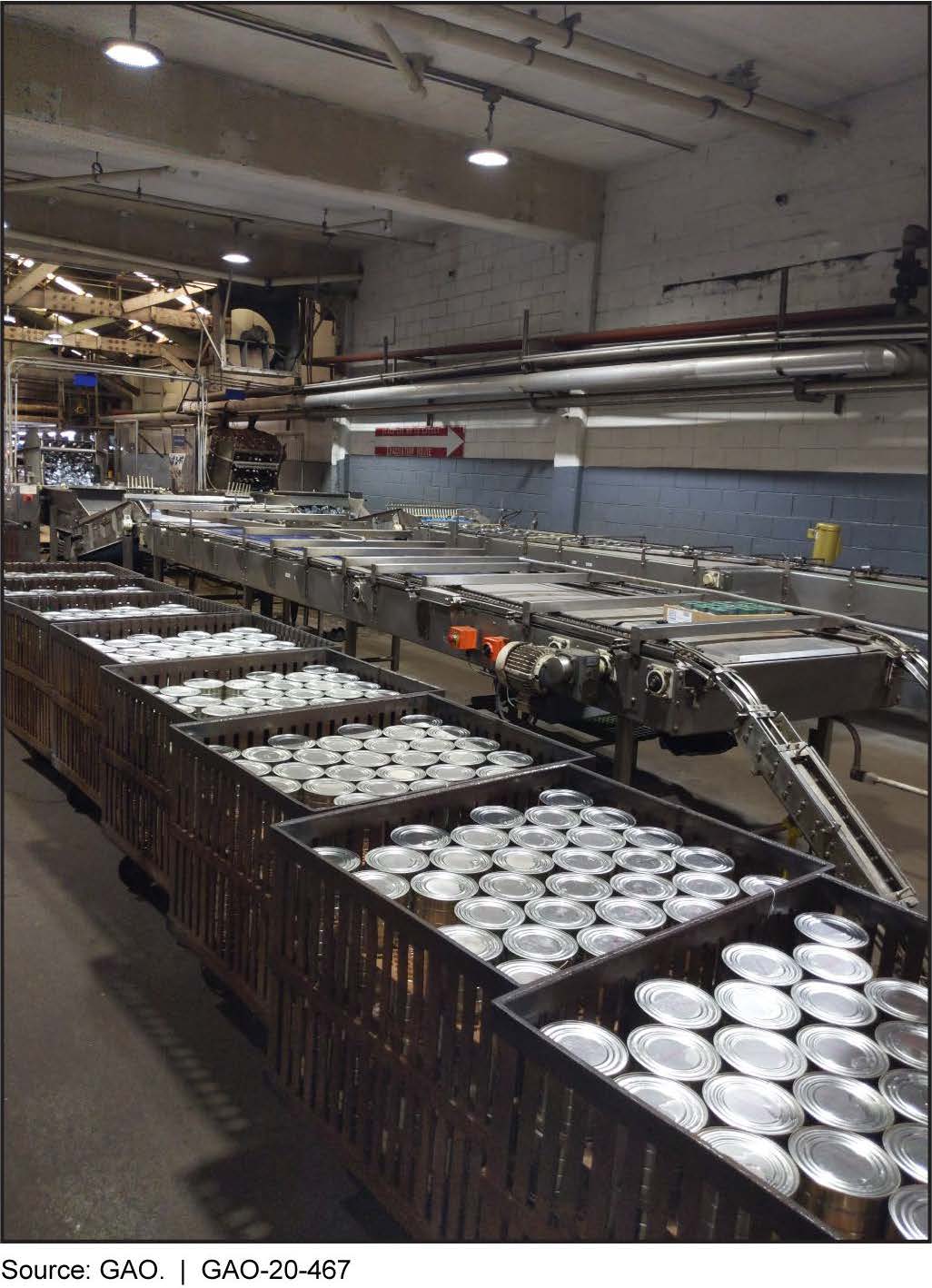
This plant family covers fresh and chilled fish, fillets, IQF or block-frozen seafood, canned fish and complete cold-chain packing. Hygienic processing, refrigeration, retort safety, traceability and by-product handling are engineered as one coordinated system.
Receiving, washing, grading, heading/gutting, filleting, chilling, inspection and retail or bulk packing.
IQF, plate or block freezing with glazing, checkweighing, metal detection and freezer-grade packing.
Preparation, pre-cooking, filling, oil/sauce dosing, seaming, retort sterilisation, cooling and cartoning.
Ice, chilled buffers, blast freezers, cold stores, reefer dispatch and approved recovery of usable trimmings.
Preliminary selection range only. Raw species, average size, product yield, seasonality, packaging format, storage days and local food rules determine final design.
| Production route | Compact | Standard | High-output | Selection basis |
|---|---|---|---|---|
| Fresh / chilled fillet line | 5–20 t/day raw fish | 20–80 t/day | 80–200+ t/day | Species, size distribution, yield and trim standard |
| IQF / block-frozen seafood | 10–30 t/day | 30–100 t/day | 100–300+ t/day | Product core temperature, freezing time and glazing |
| Canned fish line | 5–20 t/day raw fish | 20–80 t/day | 80–250+ t/day | Can size, recipe, cooking and validated retort schedule |
| Cold-chain packing | 10–30 packs/min | 30–100 packs/min | 100–250+ packs/min | Pack style, weight range and inspection functions |
| Blast freezing | 5–20 t/day | 20–60 t/day | 60–150+ t/day | Inlet/core temperature, dwell time and refrigerant |
| Cold storage | 500–3,000 pallet positions | 3,000–15,000 | 15,000–50,000+ | SKU count, dwell time, temperature zones and dispatch profile |
Yes, with separated hygienic routes and shared receiving, utilities, laboratory and cold storage where the layout and food-safety plan permit.
The table uses raw-fish intake. Final cans/min and cases/shift are calculated from can size, yield, recipe and retort cycle.
Yes. Refrigeration, blast freezing, cold rooms, racking, docks and reefer dispatch can be included in one EPC scope.
The process and control system are designed around a validated thermal schedule and local food-safety requirements.
Subject to local rules and market outlets, clean trimmings may be routed to fishmeal, fish oil or pet-food ingredients.
Species, seasonal landing profile, average size, target products, packaging, storage days, utility availability and applicable standards.
Share species, landing volumes, product mix, pack formats and storage days for a balanced processing and refrigeration concept.
Where timber is included in the project scope, the route is engineered separately from food processing: log or sawn-timber receiving, grading, primary sizing, controlled drying, secondary machining, surface finishing where required, inspection, packing and dry storage. Species, incoming moisture, finished dimensions, target moisture, product grade and local forestry and emissions requirements govern the final configuration.
Required customer inputs include timber species and legal source, seasonal volume, incoming dimensions and moisture, finished products, grade and moisture targets, operating hours, site utilities and applicable environmental controls.