
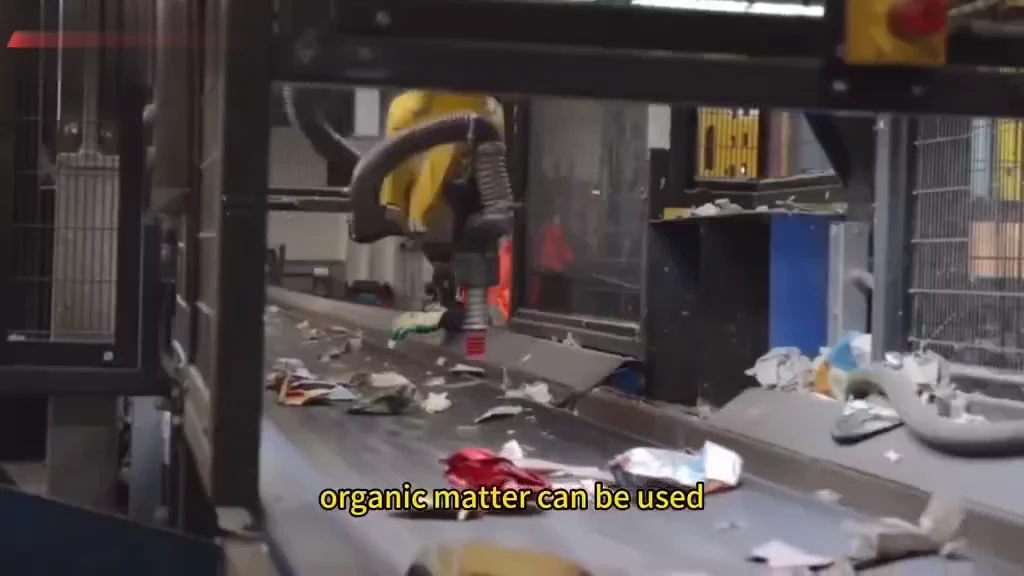
A completed 200 t/day municipal solid-waste sorting line in Venezuela. The case study describes the verified sorting and material-recovery purpose while avoiding unsupported waste-composition, purity, recovery-rate or landfill-diversion claims.
- Country / Location
- Venezuela
- Capacity / Scale
- 200 t/day
- Project Status
- COMPLETED
- Related Solution
- Waste Recycling / Waste Treatment & Resource Recovery
Project Background and Engineering Challenge
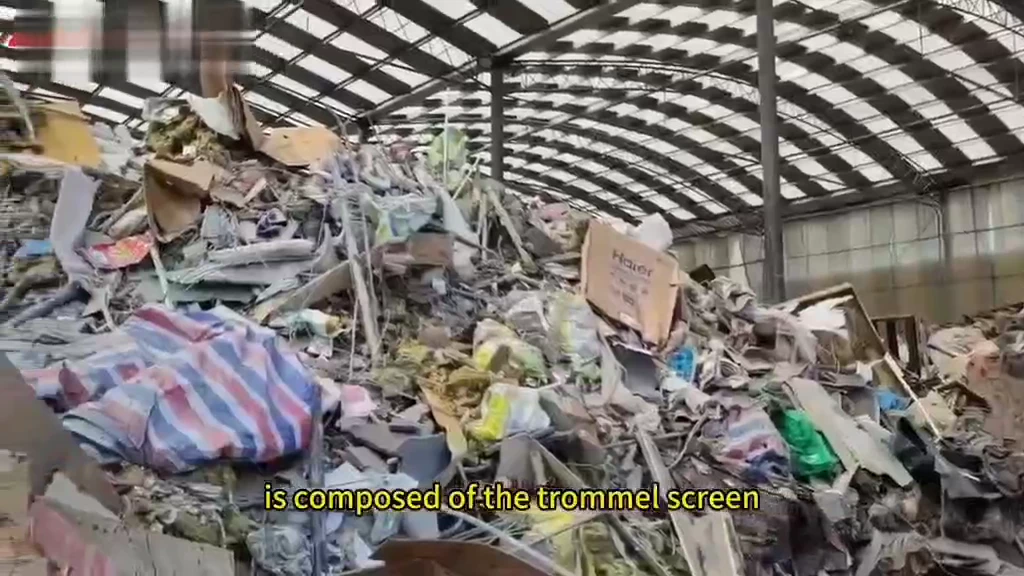
Municipal solid waste is variable in density, moisture, particle size and contamination. The line must receive inconsistent loads, meter them safely and create manageable material streams without assuming a fixed local composition.
Feed / Input Conditions
Representative composition studies, seasonal variation, bagging, bulky items, moisture and prohibited materials are essential inputs. Daily tonnage must also be translated into operating hours and peak receiving conditions.
Process / System Architecture
- Receiving and controlled feeding to buffer irregular collection loads
- Opening, screening or size-based preparation selected from verified waste data
- Separation stages arranged around the agreed target recyclable streams
- Dedicated residue handling that keeps rejects moving through the plant
Equipment, Utilities, Controls and Interfaces
- Dust, odor and housekeeping controls developed from actual feed conditions
- Fire detection, isolation and emergency access coordinated with the site plan
- Conveyors, screens and separators interlocked through a common control philosophy
- Staffing stations and safe manual access provided where sorting requires operators
Operating Considerations
Operating procedures should address load inspection, hazardous or hot items, wrap-prone material, blocked screens, housekeeping and residue removal. Staffing depends on the chosen separation architecture and incoming composition.
For connected collection and logistics coordination, see the smart waste dispatch platform.
Installation, Commissioning and Acceptance
Commissioning should start by proving each transfer path and safety circuit, then introduce representative loads. Acceptance should confirm stable operation against the 200 t/day basis, target stream routing and safe residue handling under an agreed test plan.
Project Evidence
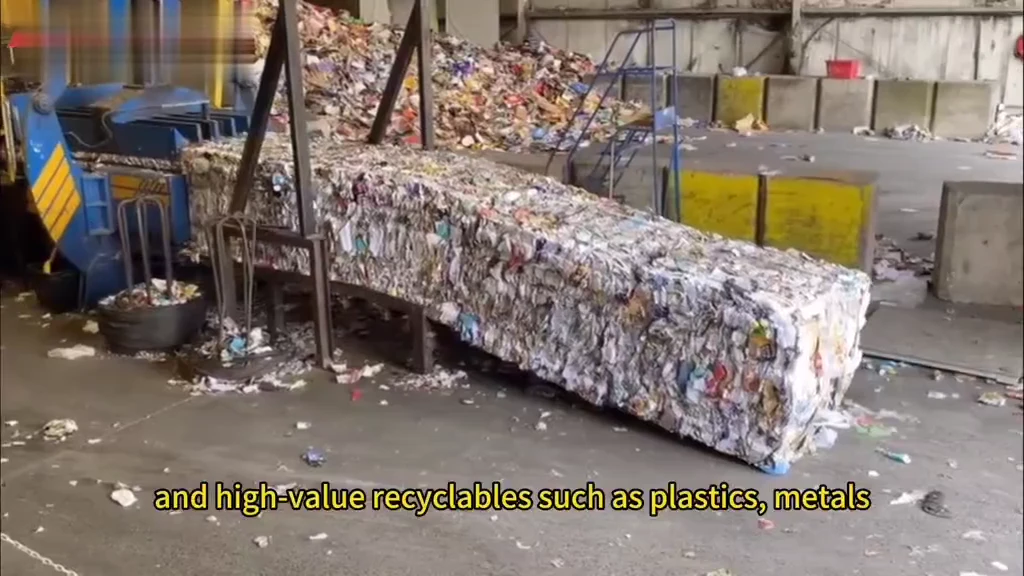
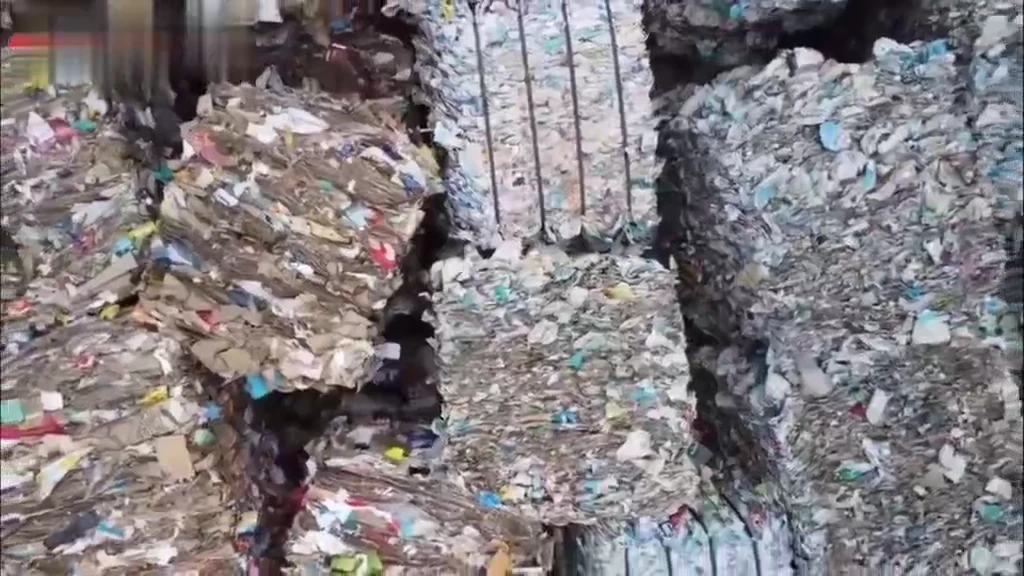
Verified public evidence confirms Venezuela, COMPLETED status and 200 t/day. Four approved real project images are retained. No recovery or diversion percentage is published.
Verified Project Gallery
Engineering Lessons
A credible MSW design begins with local composition and collection patterns. Equipment selection without representative data can shift bottlenecks rather than solve them.
Customer Inputs for Similar Projects
- Representative composition and seasonal data
- Operating hours and peak delivery pattern
- Target recyclable and residue streams
- Available footprint, storage and haulage plan
- Local dust, odor, fire and labor requirements
Related China Bente Capability
Related Projects
Frequently Asked Questions
What capacity is confirmed?
The verified project capacity is 200 t/day.
Where is the project located?
The completed project is in Venezuela.
What waste composition is assumed?
None is invented here. A similar project requires representative local composition data.
How is irregular receiving handled?
Receiving space and controlled feeding should buffer delivery peaks before screening and separation.
What happens to residue?
The process must provide a defined, continuous residue route and storage plan; no diversion percentage is claimed.
Which environmental controls may be needed?
Dust, odor, drainage and housekeeping measures depend on actual waste condition and local requirements.
Why is fire planning important?
Mixed waste can contain hot, reactive or prohibited items, so detection, isolation and emergency access must be addressed.
How is staffing determined?
Staffing follows the selected sorting architecture, manual stations, maintenance plan and operating schedule.
Does this page claim a recovery rate?
No. The approved evidence does not verify a recovery rate or material purity.