
Process Flow
Equipment / System Architecture
Related project: Venezuela Municipal Solid Waste Sorting Project
What It Is
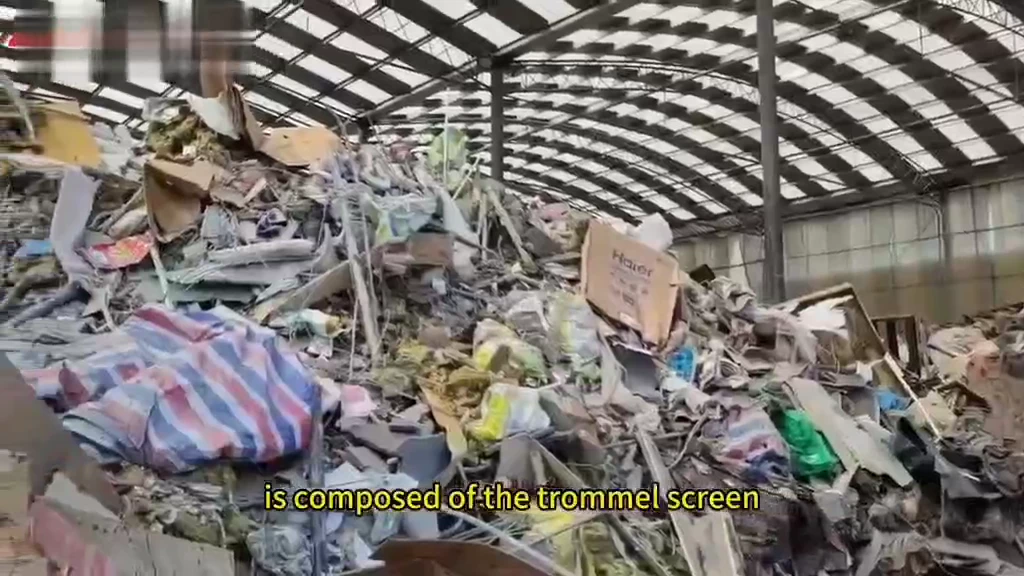
Municipal solid waste sorting and treatment facilities separate recoverable materials, organics, combustible fractions and rejects from a variable household or commercial waste stream. The process must reflect collection method, source separation, climate, moisture, informal recovery, daily and seasonal peaks and available downstream outlets.
Applications and Feedstock Boundaries
- Mixed municipal solid waste
- Source-separated dry recyclable streams
- Commercial and institutional waste
- Organic-rich municipal waste
- Residual fraction preparation for RDF/SRF or disposal
Main Equipment and System Architecture
- Weighbridge, reception hall, pits or bunker and odor control
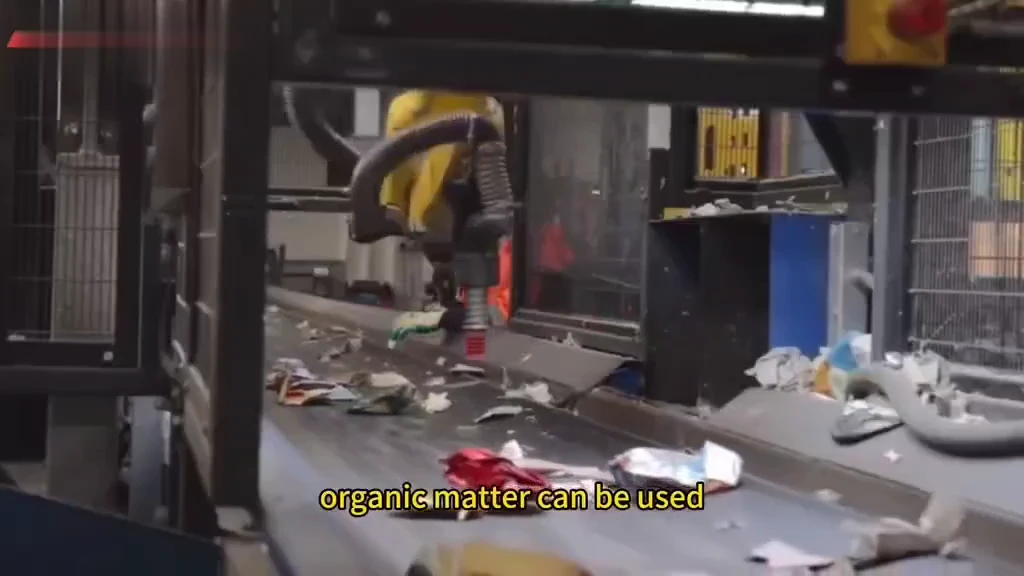
- Bag opener, trommel or disc screens and conveyors
- Magnetic and eddy-current separators
- Air classifier, ballistic or optical sorters where justified
- Manual quality-control cabins
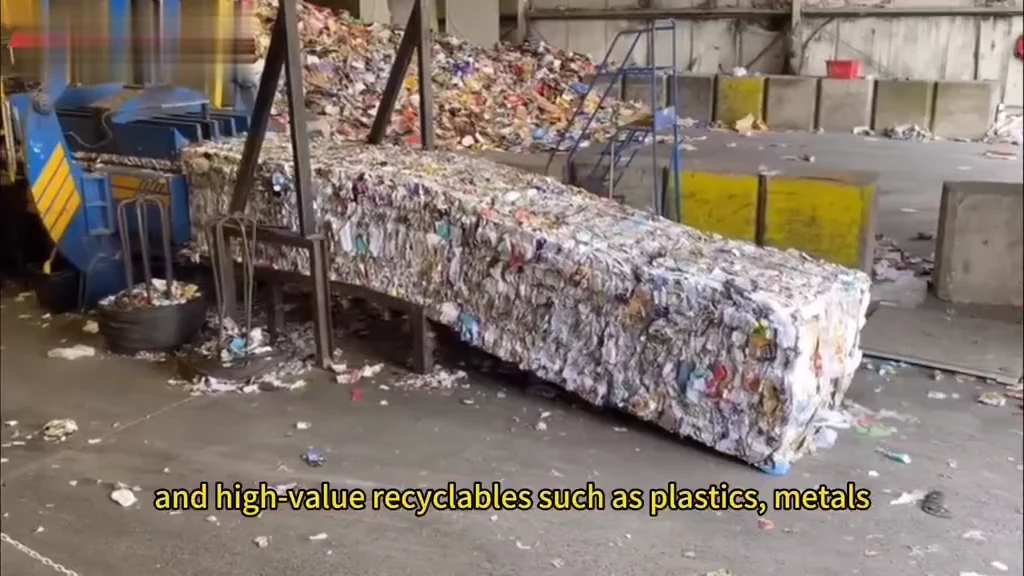
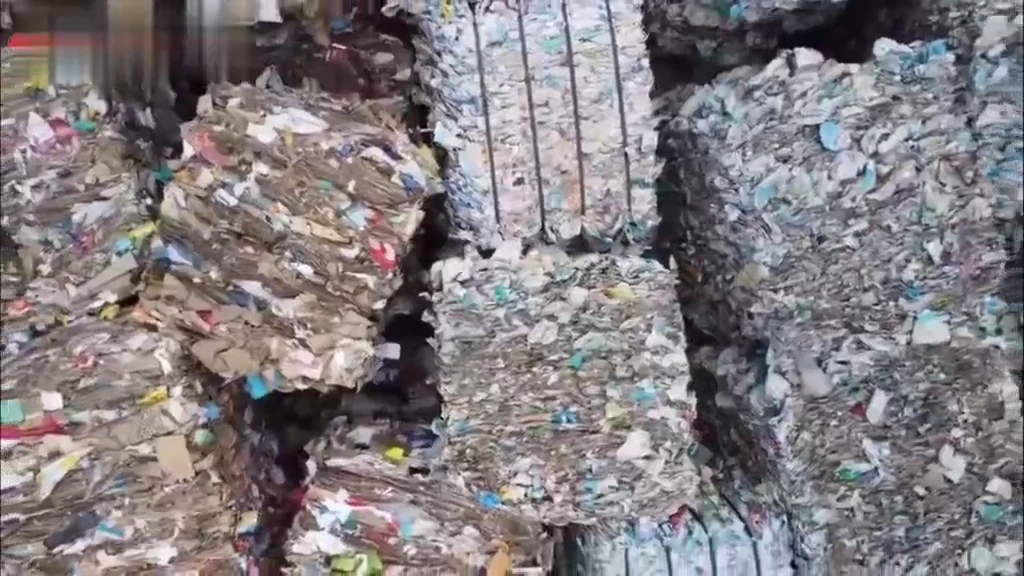
- Baler, compactors and product storage
- Organic treatment or RDF interfaces, fire detection and plant SCADA
Layout separates public traffic, collection vehicles, mobile equipment, personnel and product storage while allowing bypass, cleaning and fire compartmentation.
Capacity and Design Basis
Capacity uses peak daily delivery profile, vehicle turnaround, bulk density, composition, moisture, operating shifts, storage autonomy and planned maintenance. Seasonal sampling is essential.
| Feed envelope | Waste characterization covers food and green organics, paper, plastics by type, metals, glass, fines, textiles, bulky and prohibited items, moisture and density. |
|---|---|
| Capacity logic | Minimum, normal and peak receipt rates, storage autonomy, operating hours and downstream bottlenecks are defined from verified records. |
| Product basis | Recovered materials, organic feed, RDF/SRF and rejects each require agreed contamination, moisture, size or acceptance criteria and confirmed outlets. |
| Unknowns | Unverified composition, recovery, yield, purity, price and disposal route remain TBC; no fixed performance is invented. |
Utilities and Infrastructure
Electricity, water and drainage, firewater, ventilation, odor extraction, compressed air, roads, washdown, leachate management, workshop and product/reject storage are included.
Required Customer Engineering Inputs
Collection maps, tonnage history, hourly arrivals, seasonal waste studies, vehicle data, existing contracts, product outlets, landfill or treatment constraints, emission/odor rules, site survey and utilities are required.
Automation, Sorting and Quality Control
Weighbridge data, conveyor loads, sorter settings, equipment status, fire detection and output weights are integrated. Sampling plans verify product quality and reconcile the plant mass balance.
CAPEX and OPEX Drivers
CAPEX is affected by building enclosure, sorting automation, odor/fire systems, civil works and downstream treatment. OPEX includes labor, power, wear parts, cleaning, residue disposal, consumables and product transport.
Safety, Environmental and Compliance
Key risks are fire, batteries, aerosols, needles, bioaerosols, mobile equipment, entanglement, odor and leachate. Reception inspection, isolation, fire strategy, ventilation, PPE and hygiene facilities are required.
Outputs and Acceptance Basis
Testing covers vehicle handling, throughput under defined composition, sorter operation, product sampling, mass balance, odor and dust controls, fire systems, downtime response, documentation and training.
Implementation and Commissioning
Implementation includes seasonal characterization, outlet verification, concept and traffic study, permitting, detailed layout, staged procurement, building and process installation, dry tests, waste trials and controlled ramp-up.
Project Evidence
No completed-client claim, guaranteed recovery or product value is stated without approved evidence. Relevant references, if available, will be identified during project evaluation; this page uses an engineering process diagram rather than a claimed project photograph.
Frequently Asked Questions
Can one plant handle every municipal waste stream?
No. Collection, composition, climate and downstream outlets determine the correct configuration.
How is plant capacity selected?
Peak receipt profile, operating shifts, density, storage, maintenance and downstream bottlenecks are considered, not annual tonnage alone.
Are recyclables guaranteed to have buyers?
No. Product specifications and offtake routes must be verified during project development.
How are batteries and hazardous items controlled?
Reception inspection, pre-sort removal, staff procedures and fire detection are designed around the local waste stream.
Can RDF be produced from all rejects?
Only qualified combustible material meeting the selected user specification can enter RDF or SRF production.
How is odor managed?
By rapid material turnover, enclosure, ventilation, negative pressure where needed, cleaning and selected odor treatment.
What happens to the organic fraction?
It may go to composting, digestion, biological stabilization or another approved route after contamination and outlet checks.
What data is required?
Seasonal composition, hourly deliveries, collection system, product and residue outlets, site and compliance requirements are essential.
Related Engineering Links
Waste Recycling & Resource Recovery Systems overview · Construction & Demolition Waste Recycling · E-waste Recycling · Projects & Cases · Request a Project Evaluation
Request a Project Evaluation
Provide feedstock samples or analyses, quantity history, contamination, existing layout, target products, utilities, compliance limits and local outlet or disposal requirements. Unknown information may remain TBC.
Request a Project Evaluation View Waste Recycling & Resource Recovery
Preliminary Capacity & Technical Specification Range
| Typical configurable capacity | 50–1,000 t/day |
|---|---|
| Feed basis | Seasonal composition study, bulk density, moisture, bag size, recyclables, organics, glass and inert fraction |
| Typical outputs | Recovered metals, plastics/paper fractions, organic/fine fraction, RDF/SRF where approved, and controlled residue |
| Key utilities | Power, process/cleaning water, odor extraction, leachate treatment and fire protection |
Required for quotation: representative photos and samples, minimum/normal/peak feed quantity, composition and contamination analysis, operating hours, desired products and sizes, local emission/discharge limits, utilities, plot plan and required automation.
Municipal Waste Feedstock and Sorting Project Equipment
Request a Project Evaluation
Share representative waste characterization, throughput range, required outputs, utilities, site constraints and compliance requirements.
Start the engineering evaluation