
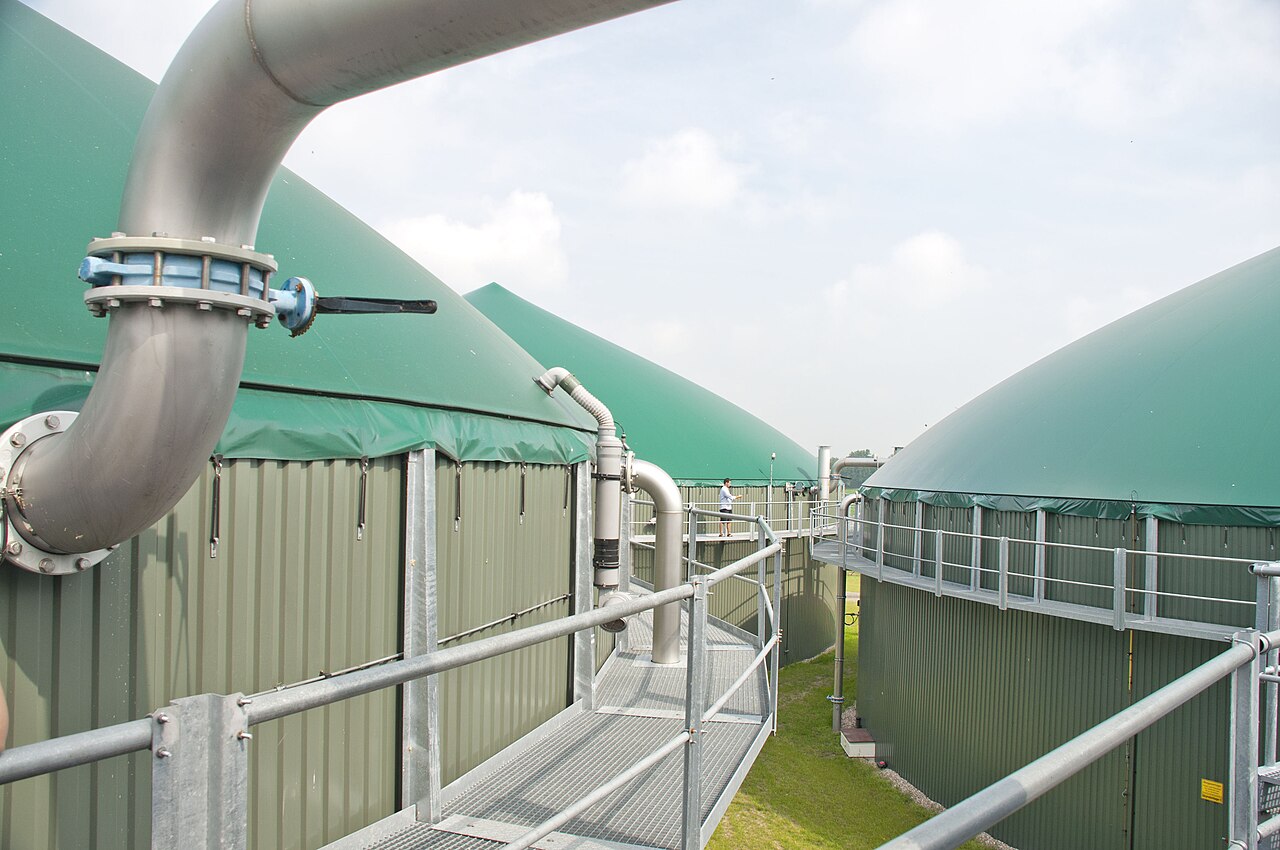
Waste-to-energy engineering chain: review organic-waste preparation and resource recovery under Waste Recycling / Waste Treatment & Resource Recovery.
What It Is
This plant converts suitable biodegradable feedstocks into biogas through anaerobic digestion, then directs the gas to power generation, upgraded biomethane, compressed gas or liquefied Bio-LNG according to feedstock quality, product demand, utility conditions and local regulation. Digestate management is designed as an integral part of the plant rather than an afterthought.
Feedstock-Specific Engineering
Agricultural residues and crop waste
Fibrous residues may require shredding, contaminant removal, controlled mixing and retention-time review. Seasonal supply, lignocellulosic content and storage losses affect the design.
Livestock manure and poultry waste
Manure characteristics vary with bedding, dilution water, grit, sand, nutrients and veterinary residues. Reception, pumping, mixing, ammonia risk and digestate use must be evaluated.
Food-processing waste
High-strength, rapidly degradable materials may have variable fat, protein, sugar, salt, cleaning chemicals and packaging contamination. Equalization and controlled feeding help protect digester stability.
Kitchen, food and market waste
These streams require robust sorting, depackaging and removal of plastics, metals, glass, grit and unsuitable materials before slurry preparation.
Organic fraction of municipal solid waste
The route depends heavily on source separation and contamination. Mechanical pretreatment, screening, pulping and reject handling can be major parts of the facility.
Sewage sludge and suitable organic sludge
Thickening, contamination, pathogens, dewaterability and final digestate route determine whether digestion is technically and legally appropriate.
Feedstocks are not interchangeable. Total solids, moisture, C/N ratio, biodegradability, sulfur, ammonia, salts, inhibitors, pathogens and physical contamination influence pretreatment, digester loading and gas-cleaning requirements.
Complete Process Flow
Feedstock reception → sorting and impurity removal → size reduction → mixing / slurry preparation → anaerobic digestion → biogas collection → desulfurization → dehydration → CO₂ removal / gas upgrading → product-route selection.
Digestate route: digester discharge → separation or dewatering → liquid and solid management → compliant fertilizer/soil-product route, further treatment or approved disposal according to analysis and local regulation.
Route A — Biogas Power Generation / CHP
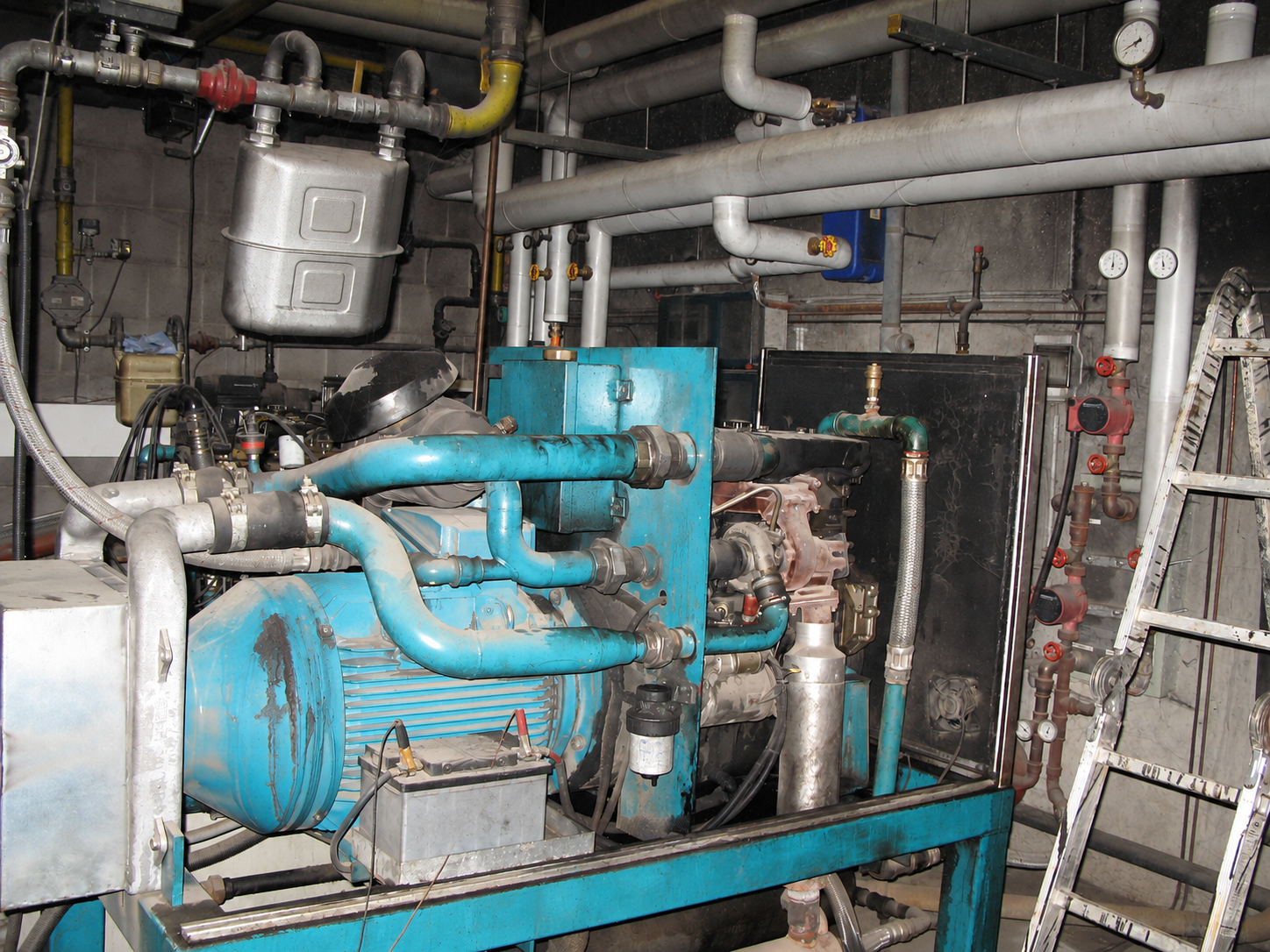
Cleaned biogas passes through a buffer gas holder to a gas engine-generator. Electricity can supply plant loads or connect to the grid under the approved protection scheme. Jacket-water and exhaust heat can support the digester, hot-water network, dryer or another stable thermal load.
CHP equipment chain
H₂S removal → condensate separation and drying → gas holder → blower and gas train → engine-generator → synchronizing/protection panel → plant bus or grid → jacket-water and exhaust heat recovery.
| Parameter | Unit / basis | Engineering requirement |
|---|---|---|
| Raw/clean gas flow | Nm³/h | State reference pressure, temperature, moisture and operating range. |
| Gas quality | CH₄, H₂S, moisture, siloxanes | Meet the selected engine limits after gas cleaning and polishing. |
| Electrical output | kWe / MWe | Separate gross output, auxiliary load and net export or self-use. |
| Recoverable heat | kWth / MWth | Define jacket-water and exhaust recovery plus the usable heat sink. |
| Electrical interface | V, Hz, power factor | Confirm transformer, switchgear, synchronization, protection and grid-code requirements. |
| Gas buffer / flare | m³; operating pressure | Size for gas-production variability, safe shutdown and emergency management. |
| Acceptance | approved test boundary | Verify gas basis, stable output, auxiliary consumption, emissions, heat recovery and safety interlocks. |
Route B — Relocatable Bio-CNG Mother Station, Mobile Daughter Station and Virtual Pipeline
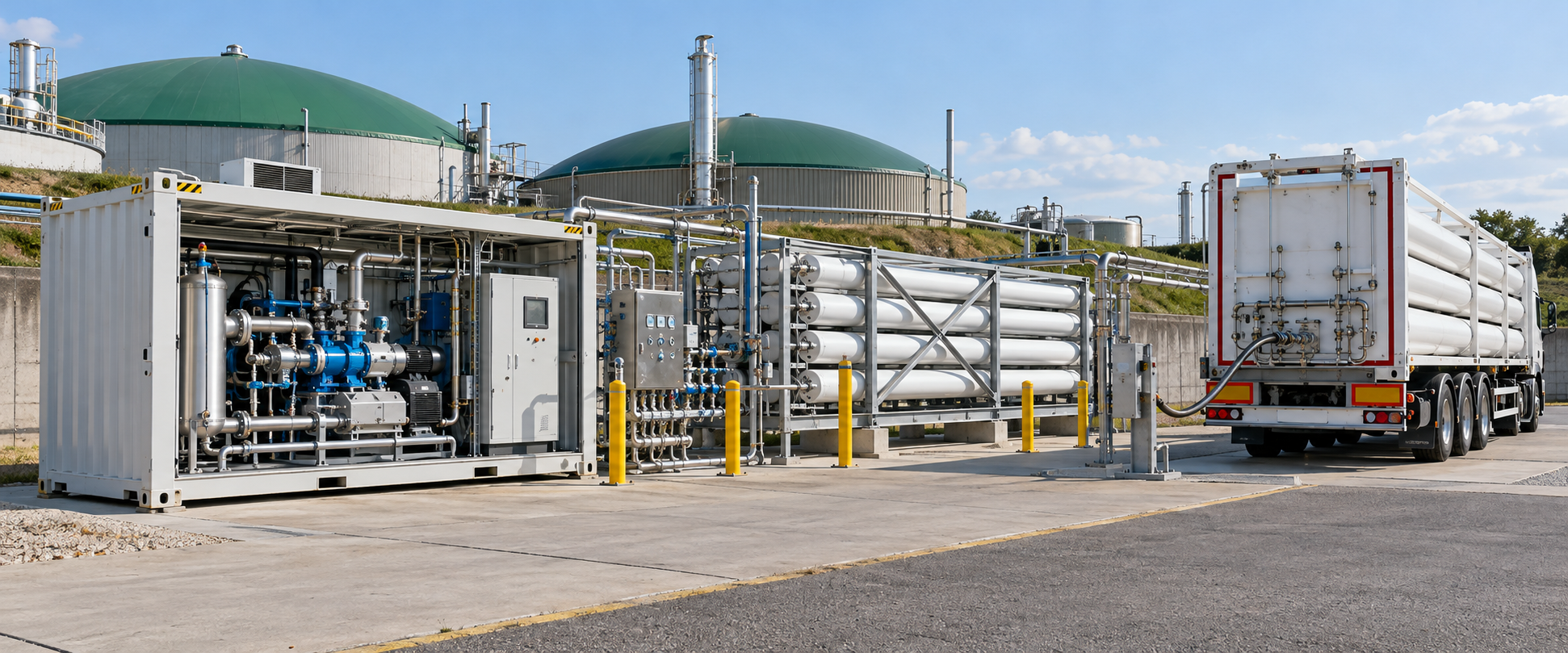
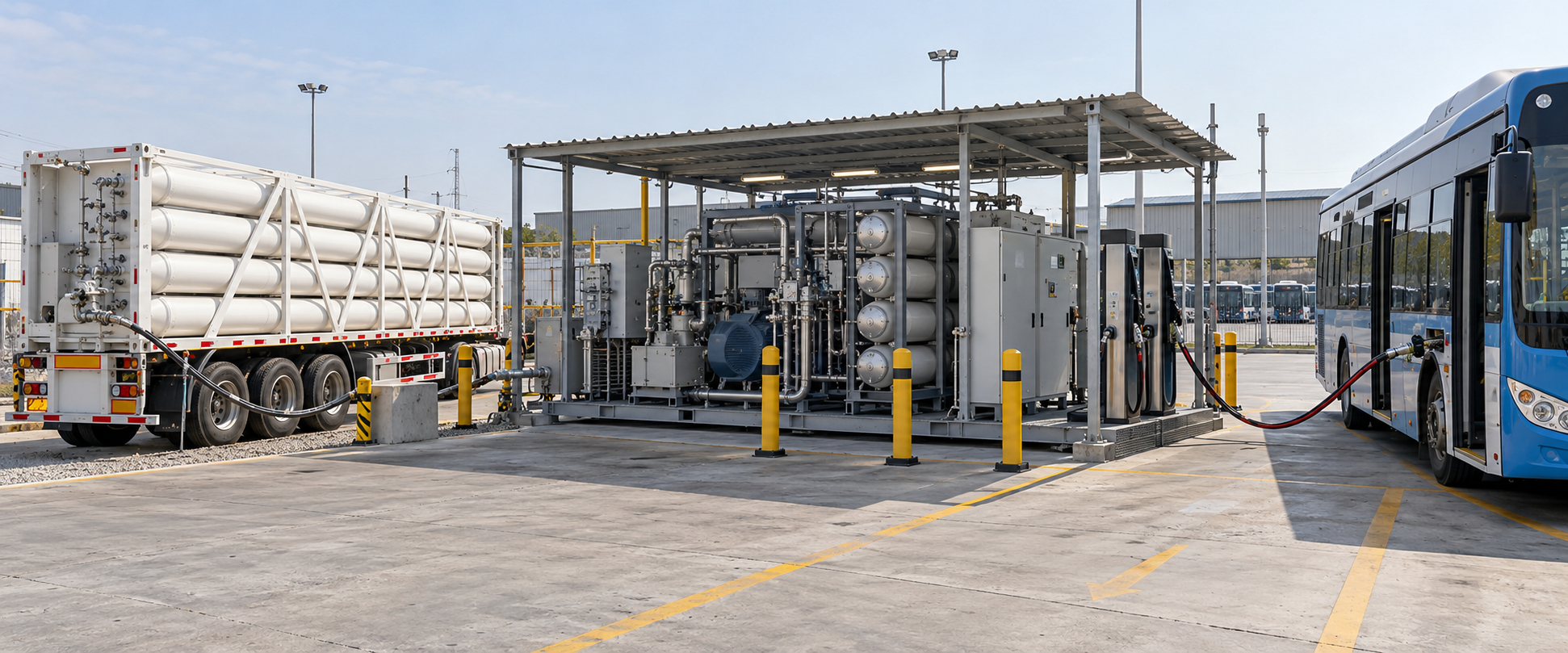
This route is designed for upgraded biomethane that must reach vehicle fleets, industrial users or regional receiving stations beyond the gas plant. The digestion and gas-upgrading plant remains fixed. The compression and loading package can be supplied as skid-mounted or containerized modules that can be lifted and relocated, but it operates on a prepared foundation with permanent power, earthing, fire protection, ventilation and safety separation.
Mother station and daughter station are different systems
| System | Gas source | Main function | Deployment |
|---|---|---|---|
| Relocatable mother station | Pipeline-quality biomethane from the upgrading plant | Final polishing and analysis, high-pressure compression, priority control, cascade storage and tube-trailer or module loading | Installed at the production site; crane/truck relocatable, but stationary during operation |
| Mobile daughter station / MRU | Tube trailer or transportable CNG module | Gas receiving, controlled unloading, booster compression where required, buffer storage, metering and dispensing | Deployed near fleets, industrial parks or regional users and moved as demand develops |
Typical EPC delivery chain
Feedstock receiving and pre-treatment → anaerobic digestion → desulfurization and upgrading → gas-quality verification → relocatable mother station → tube trailer or transportable cylinder module → daughter/receiving station → vehicle fuel, industrial heat or local gas network.
Design inputs include daily biomethane production, delivery distance, trailer turnaround time, vehicle or industrial demand profile, required filling pressure, electrical supply, ambient conditions, hazardous-area classification, fire separation, local pressure-vessel rules and gas-quality limits. Ordinary LPG cylinders are not used for this Bio-CNG route.
Route C — Bio-LNG Liquefaction, Bulk Storage and Tanker Loading
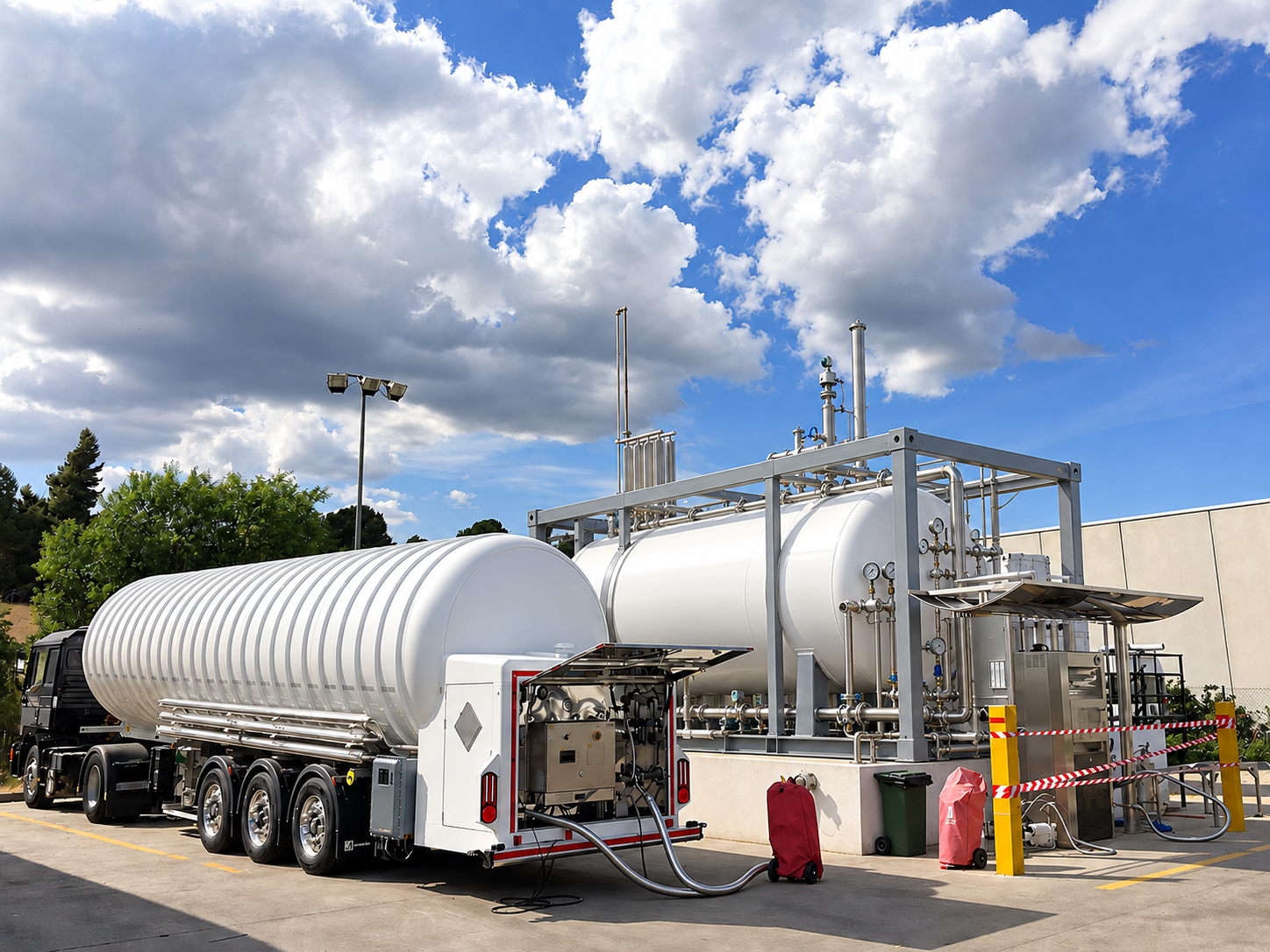
Upgraded biomethane receives deep purification and cryogenic liquefaction before entering insulated bulk storage. Product dispatch uses an approved Bio-LNG tanker or another certified bulk cryogenic system. This is not a household LPG-bottle filling route.
Bio-LNG EPC chain
Final gas polishing → deep dehydration and impurity control → liquefaction cold box → cryogenic bulk storage → boil-off-gas management → cryogenic pump → metering and tanker-loading skid → approved bulk user or fuel station.
| Design item | Required basis |
|---|---|
| Liquefied product | Bio-LNG composition, production rate, temperature, pressure and applicable product specification. |
| Bulk storage | Net working volume, insulation, pressure control, relief and boil-off-gas route. |
| Transfer system | Cryogenic pump duty, insulated piping, flexible connection, purge and emergency isolation. |
| Tanker loading | Loading rate, metering, custody-transfer boundary, overfill protection and vehicle interface. |
| Safety | Gas detection, ventilation, bonding, separation distance, emergency shutdown, spill control and fire protection. |
Bio-CNG and Bio-LNG are different distribution systems
Bio-CNG remains a high-pressure gas carried in certified modules or tube trailers. Bio-LNG is a cryogenic liquid carried in insulated bulk tanks and tankers. Neither product uses ordinary household LPG cylinders.
Main Equipment
- Reception pits, hoppers and depackaging/sorting equipment
- Shredders, screens, grit removal, pulpers and mixers
- Slurry tanks, pumps, heat exchangers and hygienization where required
- Anaerobic digesters, agitators, heating and process instrumentation
- Gas holders, flare, pressure protection and condensate management
- H₂S removal, dryers, activated-carbon polishing and gas analyzers
- Membrane, PSA, water-scrubbing or other selected CO₂-removal system
- CHP gas engine-generator and heat-recovery equipment
- Biomethane compressors, storage and metering
- Liquefaction unit, cryogenic storage and transfer equipment for Bio-LNG
- Certified CNG module or tube-trailer loading interfaces, plus receiving pressure-reduction systems where included
- Digestate separation, dewatering and downstream treatment
- PLC/SCADA, laboratory instruments and emissions/safety monitoring
Technical parameters and capacity basis
| Parameter | Unit / basis | Design requirement |
|---|---|---|
| Feedstock | t/day; seasonal t/year | Separate agricultural residue, manure, food waste and suitable sludge inputs. |
| Feed composition | TS/VS %; contaminants | State analytical basis; test biodegradability, sulfur, salts and inhibitors. |
| Digestion duty | m³; °C; days | Derive working volume, temperature, hydraulic retention and loading from the process study. |
| Biogas flow and quality | Nm³/h; CH₄ %; H₂S | State reference temperature/pressure, moisture basis, variability and gas-cleaning needs. |
| CHP | kWe; kWth | Confirm gas-engine quality limits, net/auxiliary boundary and useful heat demand. |
| Biomethane product | CH₄ %; CO₂; H₂S; water | Match the destination specification, measurement method and upgrading route. |
| Compressed gas | bar; Nm³/h | Specify compressor duty, certified CNG module or tube-trailer loading pressure, turnaround and safety. |
| Bio-LNG | kg/h or t/day; cryogenic duty | Specify final purification, liquefier conditions, storage and boil-off management. |
| Digestate | t/day; solids % | Confirm separation, water treatment and approved reuse/disposal route. |
Feedstock tests and a documented mass/energy balance determine the proposed ratings. Raw biogas flow, biomethane flow, electrical output and liquefied product rate are separate quantities.
Customer Engineering Inputs
Required inputs include feedstock sources, daily/seasonal quantities, representative laboratory analysis, contamination, collection method, storage limits, land, water and power availability, product route, grid or fuel-market interface, digestate outlet, emissions rules, hazardous-area standards and local approvals. Unknown or unverified values remain TBC or Critical TBC.
Utilities and Infrastructure
The facility may require process water, heating during startup and operation, electrical power, standby supply, compressed air, drainage, odor control, firewater, laboratory facilities, roads, weighbridge, feedstock storage and digestate storage. Net export is calculated only after internal parasitic loads are established.
CAPEX/OPEX Drivers
Drivers include contamination and pretreatment complexity, digester type and retention time, heating demand, gas sulfur and siloxanes, upgrading technology, methane-recovery target, gas compression or liquefaction, storage volume, CHP scope, digestate treatment, odor control, civil works, hazardous-area design, automation, consumables and residue disposal.
Safety, Environmental and Compliance
Design addresses combustible gas, confined spaces, H₂S toxicity, pressure systems, biological exposure, odor, digestate contamination, flare operation, methane leakage, hazardous-area classification, fire and explosion protection, emergency isolation and safe loading and offloading operations. Product quality and use require compliance with the destination market's rules.
Outputs and Acceptance Basis
Potential outputs include cleaned biogas, electricity, recoverable heat, biomethane, compressed biomethane, Bio-LNG and treated digestate products where permitted. Acceptance is based on the approved design basis, verified feedstock, mass/energy balance, gas-quality tests, equipment performance, safety interlocks, emissions limits and product specifications—not on generic yield claims.
Cross-Business Engineering Links
- Waste Recycling: feedstock reception, contaminant removal, organic-waste preparation and digestate/residue handling
- Renewable & Clean Energy: gas utilization, CHP, biomethane, Bio-LNG, electrical integration and energy management
- SMART Solutions: PLC/SCADA, gas-quality monitoring, production reporting and remote support
- Project inquiry: confirm feedstock, product route, local fuel regulations and required capacity basis
Frequently asked questions
Can different organic wastes be mixed in one digester?
Potentially, but compatibility depends on solids, C/N ratio, degradability, ammonia, salts, inhibitors, contamination and seasonal availability. Laboratory and process evaluation are required.
How is gas production estimated?
It is estimated from representative feedstock analysis, biodegradability testing, loading assumptions, retention time and a documented mass balance. Generic internet yield values are not used as guarantees.
What is the difference between biogas and biomethane?
Raw biogas contains methane, CO₂, moisture and trace contaminants. Biomethane is upgraded and polished to meet the selected product specification.
Can the gas generate electricity for the plant?
Yes, if gas quantity and quality support a gas engine or CHP system. Internal loads, heat demand, grid conditions and backup requirements must be included.
Can biomethane be liquefied into Bio-LNG?
Yes, after sufficient upgrading and polishing. Liquefaction, cryogenic storage, transfer, safety and product quality form a separate engineered system.
Can biomethane be filled into ordinary household LPG cylinders?
No. Bio-CNG uses certified high-pressure CNG modules or tube trailers, while Bio-LNG uses insulated cryogenic bulk tanks and tankers. Ordinary household LPG cylinders are not suitable for either route.
What happens to digestate?
Digestate may be separated and treated for an approved fertilizer or soil-product route, further processed, or disposed of compliantly. The route depends on feedstock contamination, analysis and local regulation.
How are sulfur and moisture removed?
The selected process may combine biological or chemical desulfurization, adsorption, cooling, condensation and drying according to the inlet gas and product specification.
Is a flare still required when gas is used productively?
A safe relief or emergency gas-management arrangement is normally required. Its final configuration follows plant safety studies and local rules.
What must the customer provide first?
Feedstock quantities and analysis, contamination data, desired product route, site and utility information, digestate outlet, local gas-quality, transport and distribution standards and required operating schedule.
Request a Project Evaluation
Share the site, load or feedstock data currently available. Missing values may remain UNKNOWN / TBC until verified during engineering.