
A completed 150 kg/h waste-plastic recycling and crushing line in Uganda. The page preserves approved real project media while avoiding assumptions about polymer type, moisture, purity, recovery rate or unverified washing and drying stages.
Verified Project Photo Gallery
Uganda 150 kg/h waste-plastic recycling and crushing line.
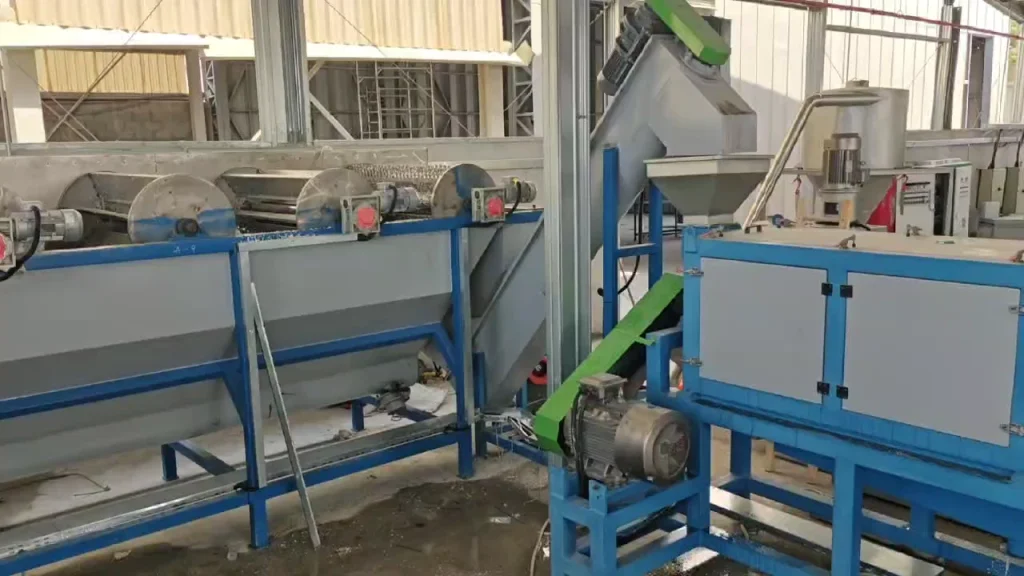

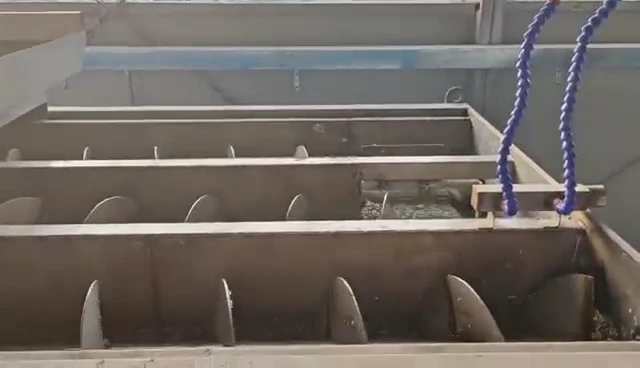
- Country / Location
- Uganda
- Capacity / Scale
- 150 kg/h
- Project Status
- COMPLETED
- Related Solution
- Waste Recycling / Waste Treatment & Resource Recovery
Project Background and Engineering Challenge
Waste plastic can vary in shape, bulk density, contamination and embedded foreign material. Stable size reduction depends on defined sorting, controlled feeding and protection of the crusher from unsuitable objects.
Feed / Input Conditions
A similar system requires representative samples and an agreed list of accepted plastics, dimensions, contamination types and excluded materials. Polymer composition, moisture and target flake specification must be supplied by the customer rather than inferred from the capacity.
Process / System Architecture
- Receiving and manual or mechanical sorting according to the agreed feed specification
- Controlled feeding to prevent surges at the crusher
- Size reduction with screen or discharge settings selected for the target output
- Collection and transfer of crushed material without claiming unverified washing or drying
Equipment, Utilities, Controls and Interfaces
- Electrical load, dust or fines collection and service access around the crusher
- Metal removal or detection where required by the actual contamination risk
- Guarding, emergency stops and lockout points for cleaning and blade service
- Downstream bagging, storage or further processing defined by the buyer
Operating Considerations
Operators should monitor feed consistency, reject unsuitable pieces, avoid overloads and inspect blades, screens and bearings on a planned schedule. Cleaning and changeover procedures depend on the actual material range.
Installation, Commissioning and Acceptance
No-load checks should be followed by controlled trials using representative feed. Acceptance should confirm safe operation, stable processing against the agreed 150 kg/h basis, output-size control and maintainable cleaning access.
Project Evidence
Verified public evidence confirms Uganda, COMPLETED status and 150 kg/h. Three approved real project images remain attached. No polymer, purity or recovery figure is asserted.
Verified Project Gallery
Engineering Lessons
For low-to-medium throughput recycling lines, accurate feed definition and disciplined sorting often matter more than adding unverified process stages.
Customer Inputs for Similar Projects
- Representative waste-plastic samples
- Accepted and excluded materials
- Maximum feed dimensions and contamination
- Target output size and downstream use
- Utilities, working hours and local operating conditions
Related China Bente Capability
Related Projects
Frequently Asked Questions
What capacity is verified?
The approved capacity is 150 kg/h.
Where is the line?
The completed project is in Uganda.
Which polymer does it process?
The public evidence does not verify a polymer type, so this page does not assign one.
Does the project include washing and drying?
Those stages are not confirmed in the approved record and are not presented as delivered scope.
Why is feed sorting important?
Sorting removes unsuitable items and reduces the risk of crusher damage, contamination and unstable output.
What determines crushed output size?
Feed shape, rotor and blade arrangement, screen or discharge settings and operating condition all affect output size.
What utility data is required?
A similar project needs confirmed electrical supply, service conditions, dust-management needs and downstream handling requirements.
How should commissioning be performed?
Commissioning should verify rotation, guards, interlocks and controlled representative-feed trials before sustained operation.
Are purity or recovery rates guaranteed here?
No. No verified purity or recovery rate is published for this project.