
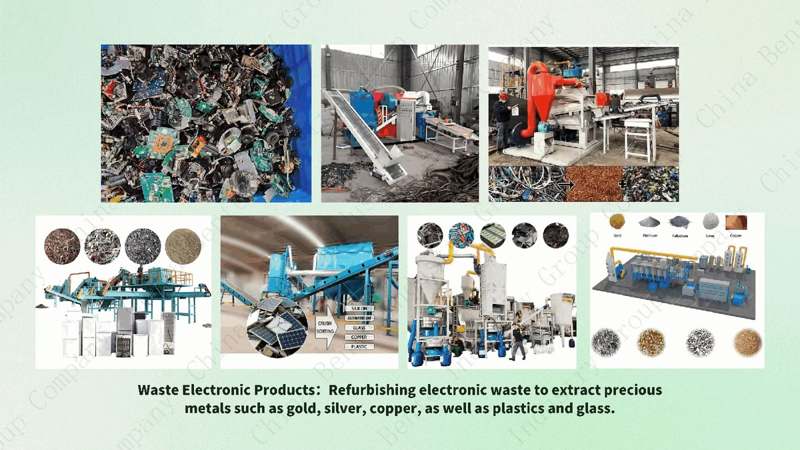
Process Flow
Equipment / System Architecture
E-waste recycling requires controlled material identification, safe dismantling, hazardous-fraction segregation and traceable routing—not undifferentiated shredding.
An e-waste recycling facility manages electrical and electronic equipment through receiving, identification, manual or assisted dismantling, component segregation, controlled size reduction where appropriate, material separation and documented downstream routing. The process must distinguish data-bearing devices, batteries, lamps, refrigerants, printed circuit boards and other regulated fractions.
Typical applications
- IT equipment and office-electronics dismantling
- Consumer appliance and small-equipment processing
- Controlled collection and segregation of electronic waste streams
- Pre-processing before approved specialist downstream recovery
Main equipment and system architecture
- Receiving and quarantine zones with item identification
- Manual dismantling benches, tooling and ergonomic handling aids
- Battery, lamp, refrigerant or data-bearing-device segregation areas as required
- Enclosed size-reduction and extraction equipment where appropriate
- Magnetic, eddy-current, screening or optical separation selected by feed
- Secure storage, weighing, traceability and dispatch controls
Capacity and design basis
Design capacity is derived from equipment categories, item size, dismantling depth, hazardous-content proportion, manual task time, storage limits, downstream routing and confirmed operating hours. Mixed e-waste should not be assigned a single generic recovery yield.
Utilities and infrastructure
- Electrical supply for tools, ventilation and approved mechanical separation
- Local extraction, filtration and housekeeping systems
- Secure access, controlled storage and data-handling interfaces where required
- Fire detection and response provisions for batteries and stored materials
- Drainage and spill controls appropriate to the regulated material inventory
Customer engineering inputs
- Incoming equipment categories, volumes and condition
- Data-security obligations and chain-of-custody requirements
- Battery, lamp, refrigerant and other hazardous-item profiles
- Target dismantling depth and approved downstream processors
- Applicable e-waste permits, site layout and logistics constraints
CAPEX and OPEX drivers
CAPEX is influenced by segregation scope, security level, manual stations, enclosed mechanical processing, extraction, fire controls and traceability systems. OPEX is driven by labor, downstream treatment fees, security and documentation requirements, consumables, electricity and revenue sensitivity to sorted material quality.
Safety, environmental and compliance considerations
The system must address lithium-battery fire risk, hazardous components, sharp edges, dust, noise, manual handling, electrical safety, data security, spill response and all applicable e-waste controls.
Outputs and acceptance basis
Acceptance is established through approved material-routing procedures, segregation and traceability demonstration, safe operating trials, controls testing, documentation and the agreed output condition for each routed fraction.
Related project evidence
No verified completed e-waste recycling case is currently published on this website. Accordingly, this page makes no project-performance claim; see Projects & Cases for current published references.
Implementation and Commissioning
Implementation begins with feed inventory and hazardous-component rules, then process trials, depollution and dismantling layout, separation and ventilation design, downstream receiver verification, equipment procurement, installation, dry tests and controlled device trials. Ramp-up uses documented batch genealogy, battery and refrigerant handling, dust and fire controls, material-balance reconciliation, product sampling, staff competency assessment and final handover of compliance and operating procedures.
Frequently asked questions
Why is e-waste characterization needed before processing?
Different devices may contain batteries, data media, lamps, refrigerants or regulated components that require separate handling and downstream routes.
Can data-bearing devices be processed?
Yes, where a documented chain of custody and approved data-destruction or secure-routing protocol is defined with the customer.
Are batteries removed before shredding?
Battery segregation should be defined before any mechanical size reduction whenever the incoming material profile indicates batteries may be present.
What is the role of manual dismantling?
Manual dismantling can safely recover high-value or regulated components and improve material sorting before any approved mechanical stage.
Can the facility accept mixed electronic waste?
It may accept a defined mixed stream only with a characterization, sorting and storage plan that meets the applicable safety and regulatory requirements.
How are hazardous fractions managed?
They are identified, segregated, labeled, securely stored and routed through approved handling or downstream processes as required.
What determines the use of mechanical separation?
Feed composition, target materials, permitted process scope, required quality, dust controls and downstream specifications determine the appropriate separation route.
Can the design support traceability?
Yes. Receipt records, weighing, material IDs, storage locations and dispatch documentation can be configured to the agreed chain-of-custody level.
Request a Project Evaluation
Provide feedstock samples or composition data, expected volume, site constraints, permits and intended recovered-material offtake. Open technical items remain marked TBC until confirmed.
Preliminary Capacity & Technical Specification Range
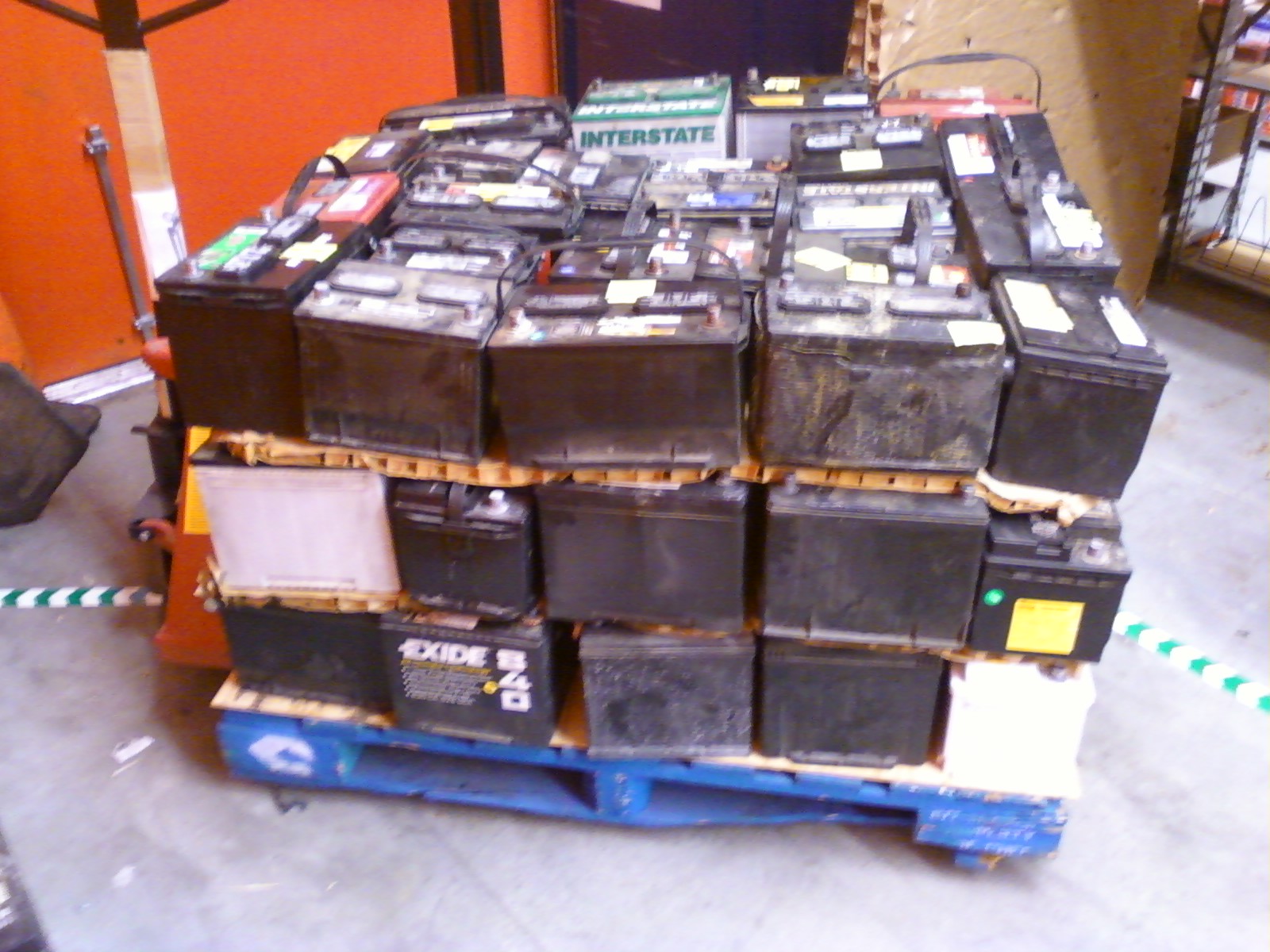
| Typical configurable capacity | Waste cable 0.3–5 t/h; PCB 0.2–3 t/h; PV panels 0.5–5 t/h; general batteries 0.2–5 t/h; lead-acid batteries 1–10 t/h |
|---|---|
| Feed basis | Separate inventory by device/battery chemistry, dimensions, hazardous components, valuable-metal targets and permitted downstream refinery |
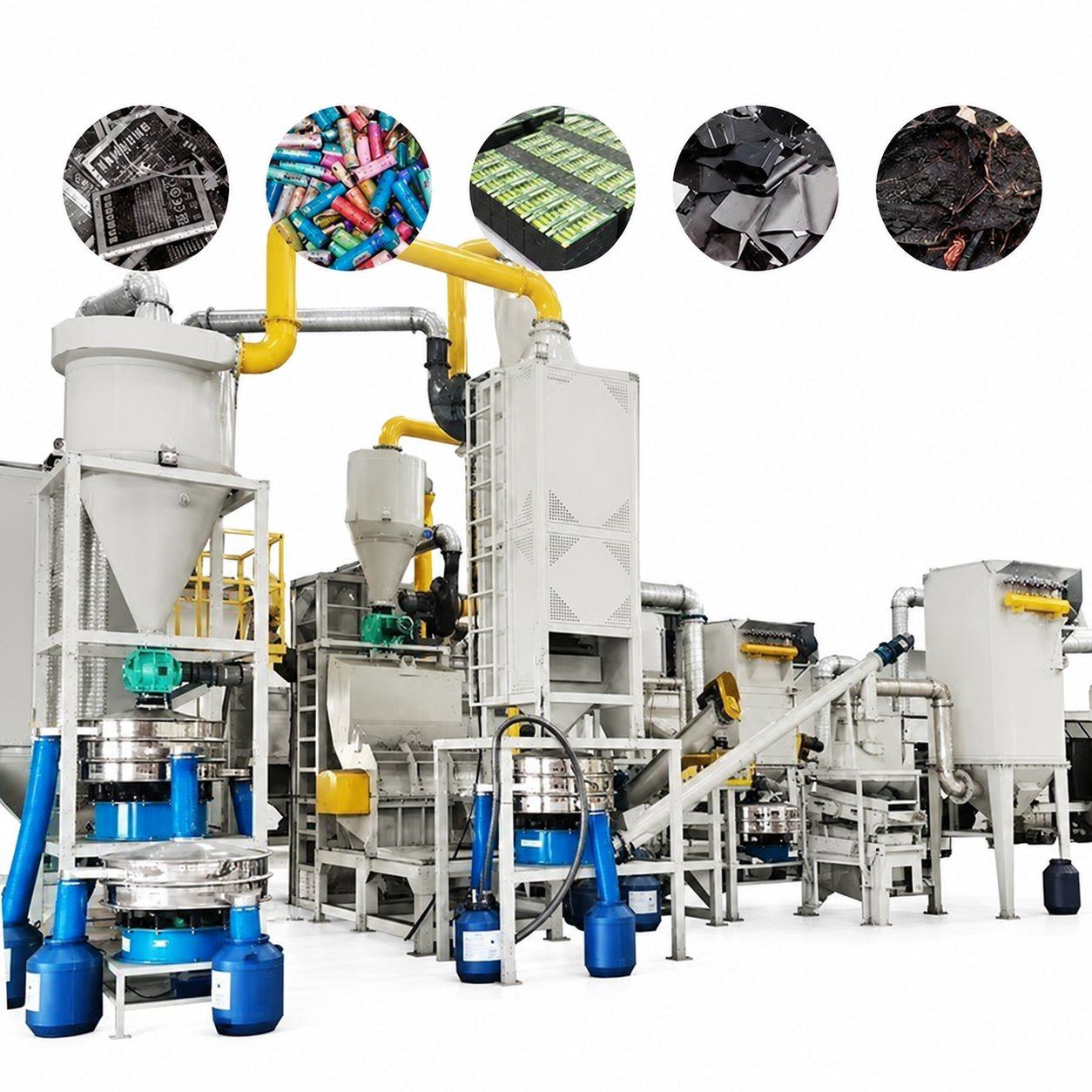
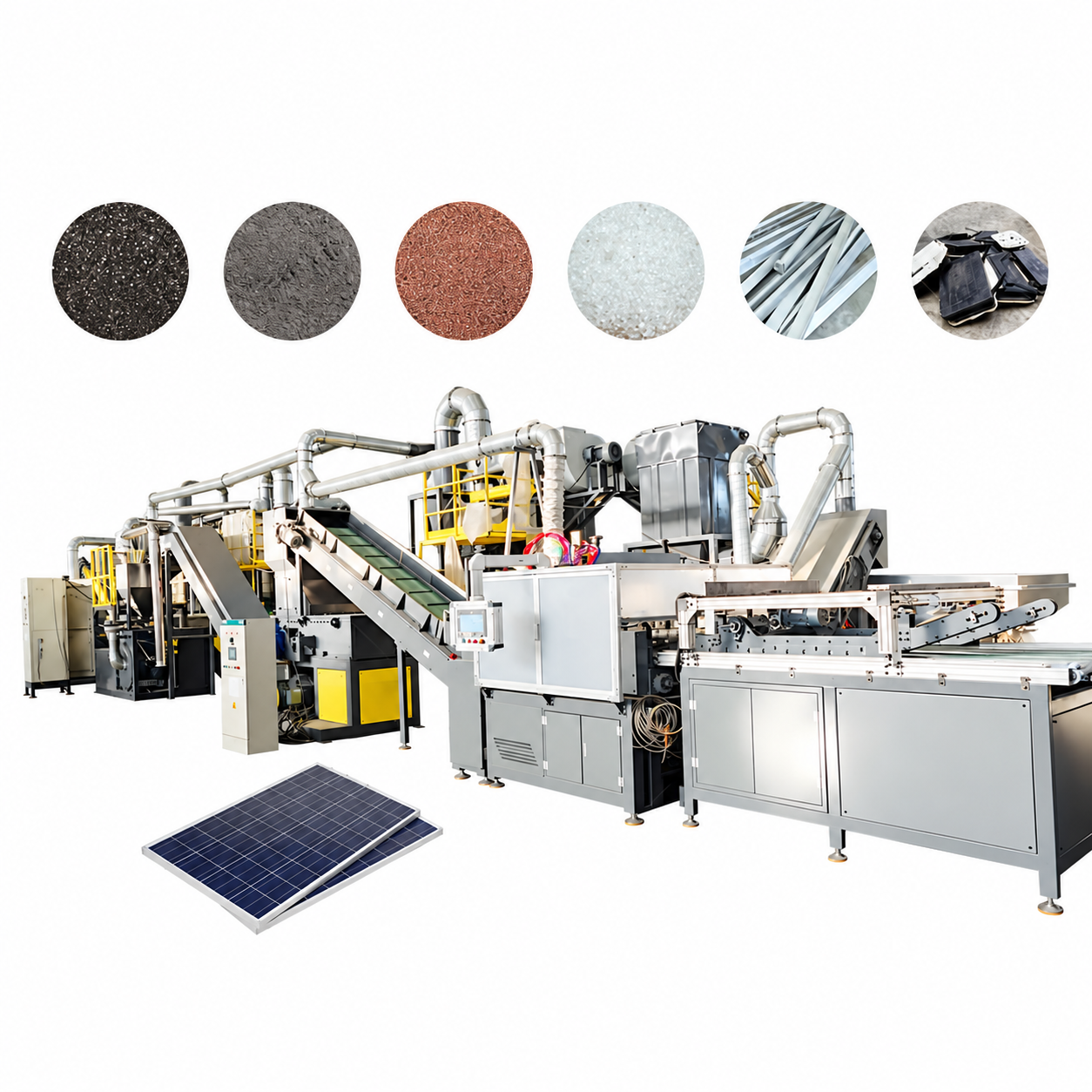
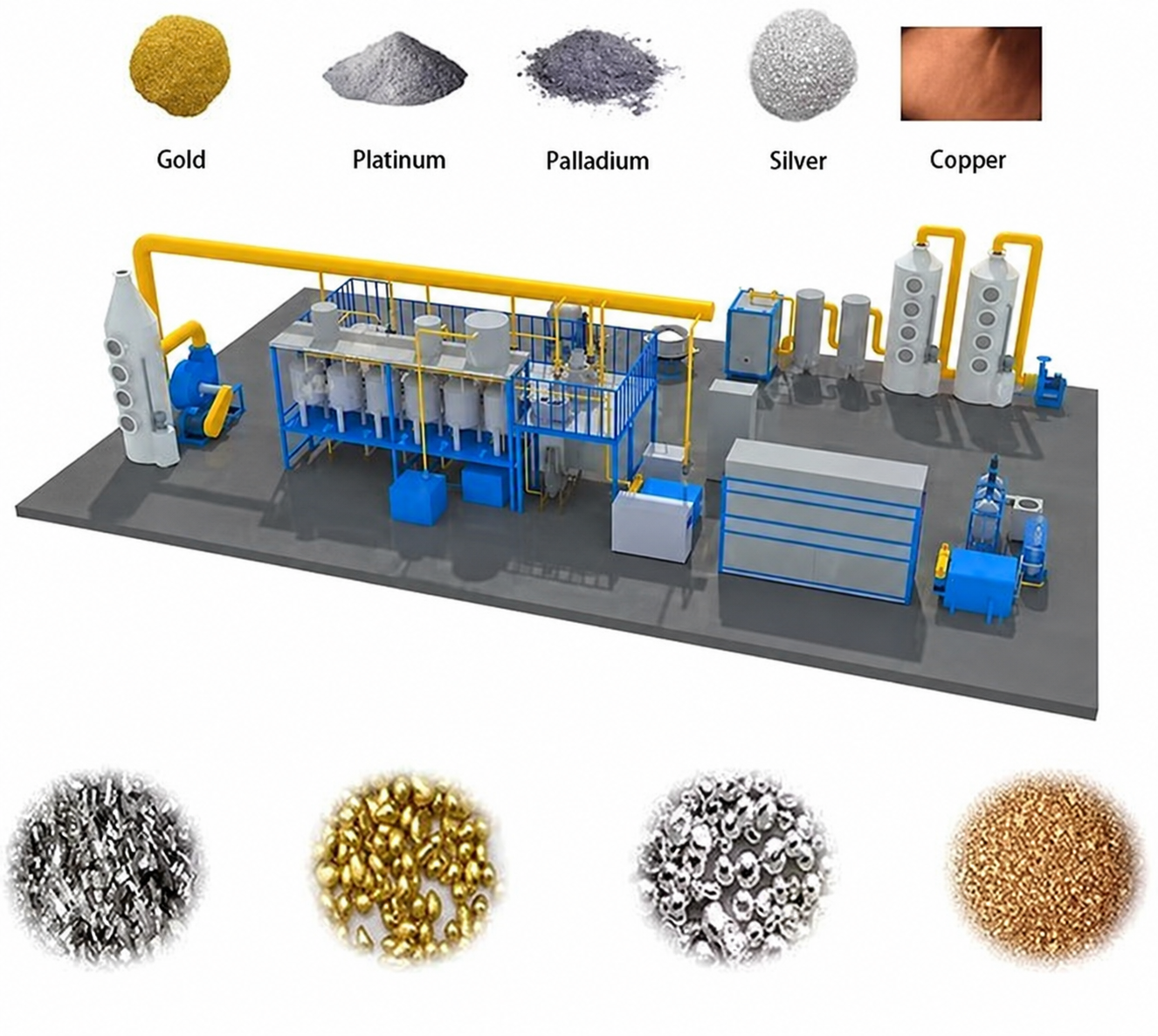
| Typical outputs | Copper, aluminum, ferrous metal, plastics, glass, PCB concentrates and chemistry-specific battery fractions |
| Key utilities | Power, negative-pressure dust collection, fire/gas detection, wastewater treatment where wet separation is used |
Required for quotation: representative photos and samples, minimum/normal/peak feed quantity, composition and contamination analysis, operating hours, desired products and sizes, local emission/discharge limits, utilities, plot plan and required automation.
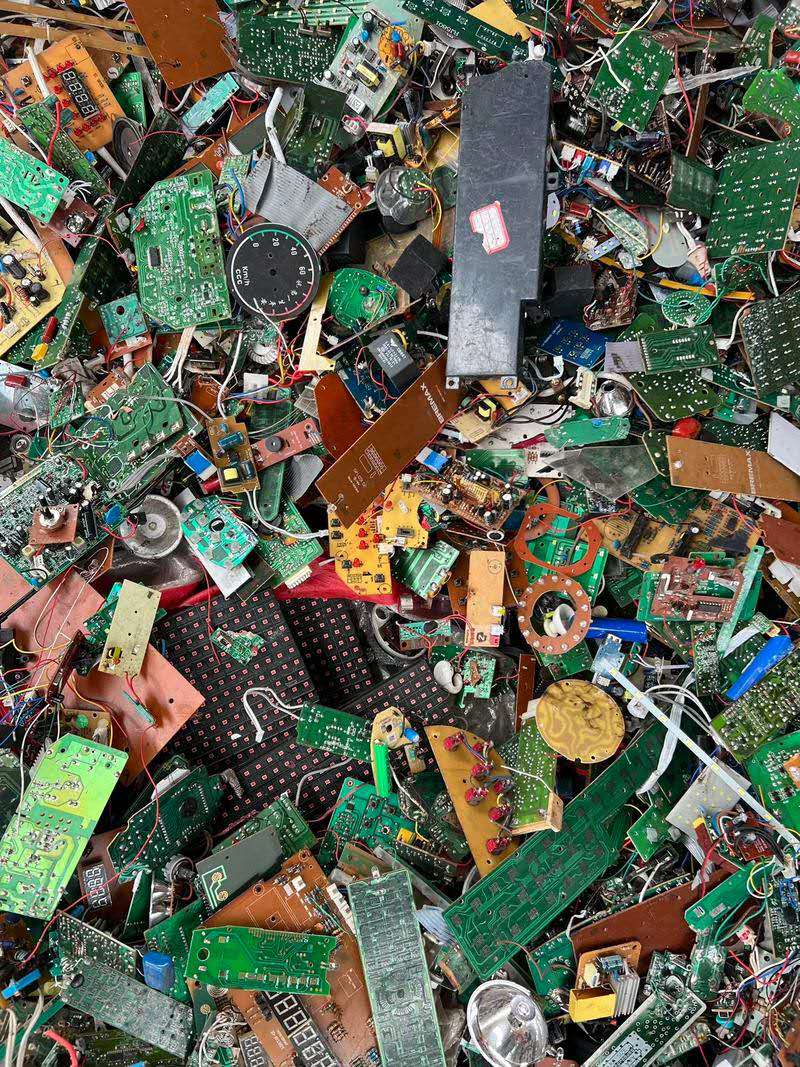
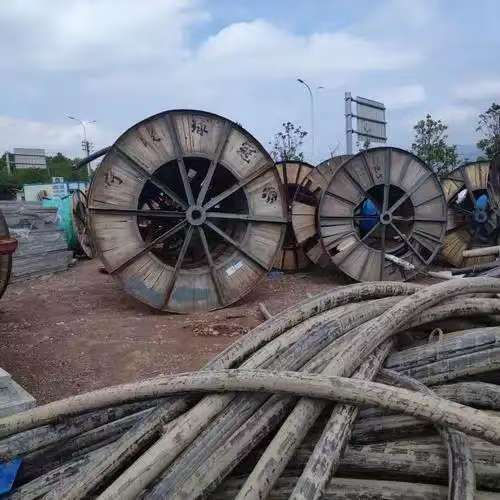
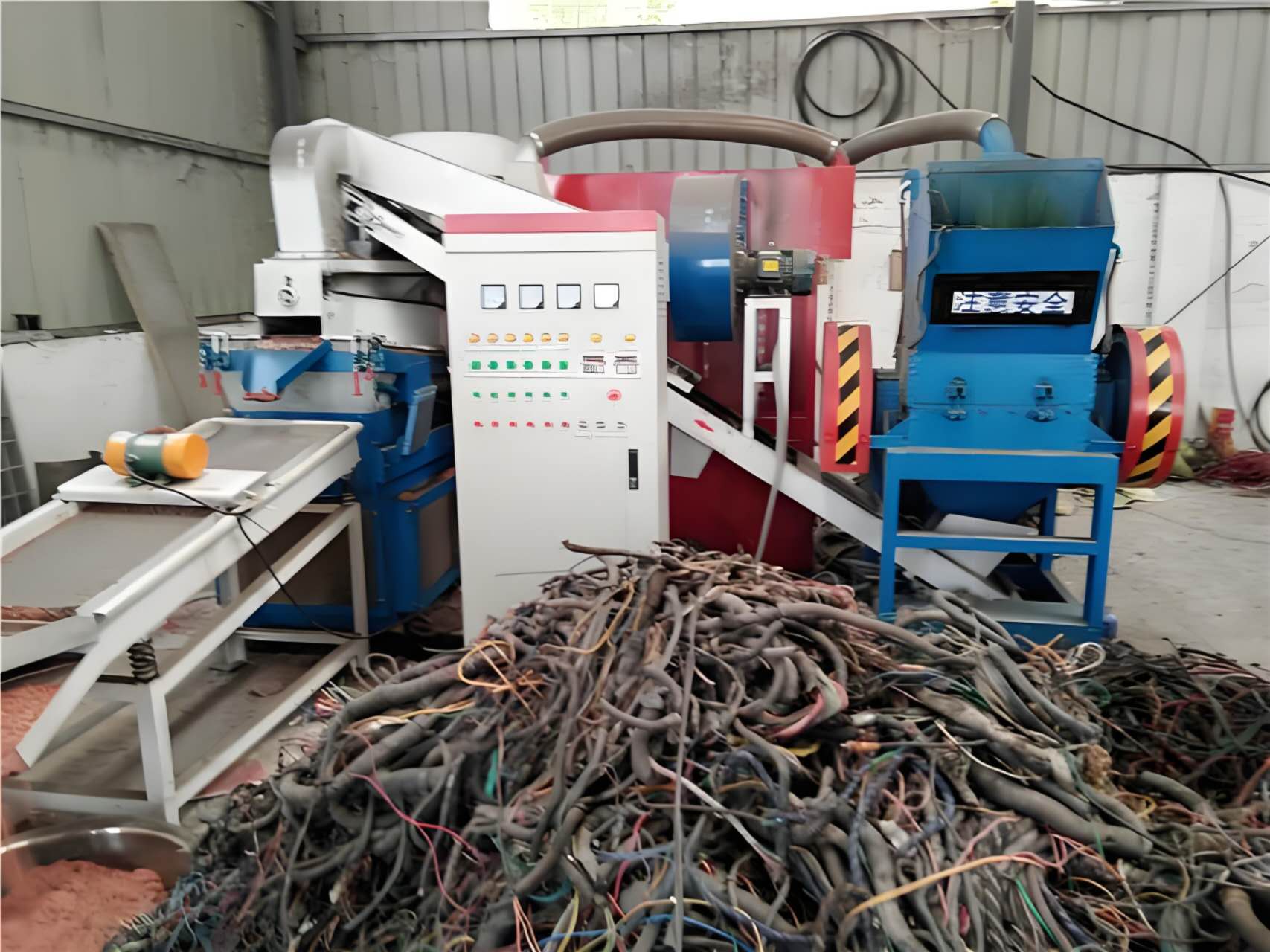
Electronic Waste Feedstocks, Equipment and Recovered Materials
Waste cable, photovoltaic panels, printed circuit boards, batteries and lead-acid batteries are shown on one comprehensive e-waste page, while each feedstock follows its own depollution, safety and separation route.
Request a Project Evaluation
Share representative waste characterization, throughput range, required outputs, utilities, site constraints and compliance requirements.
Start the engineering evaluation