
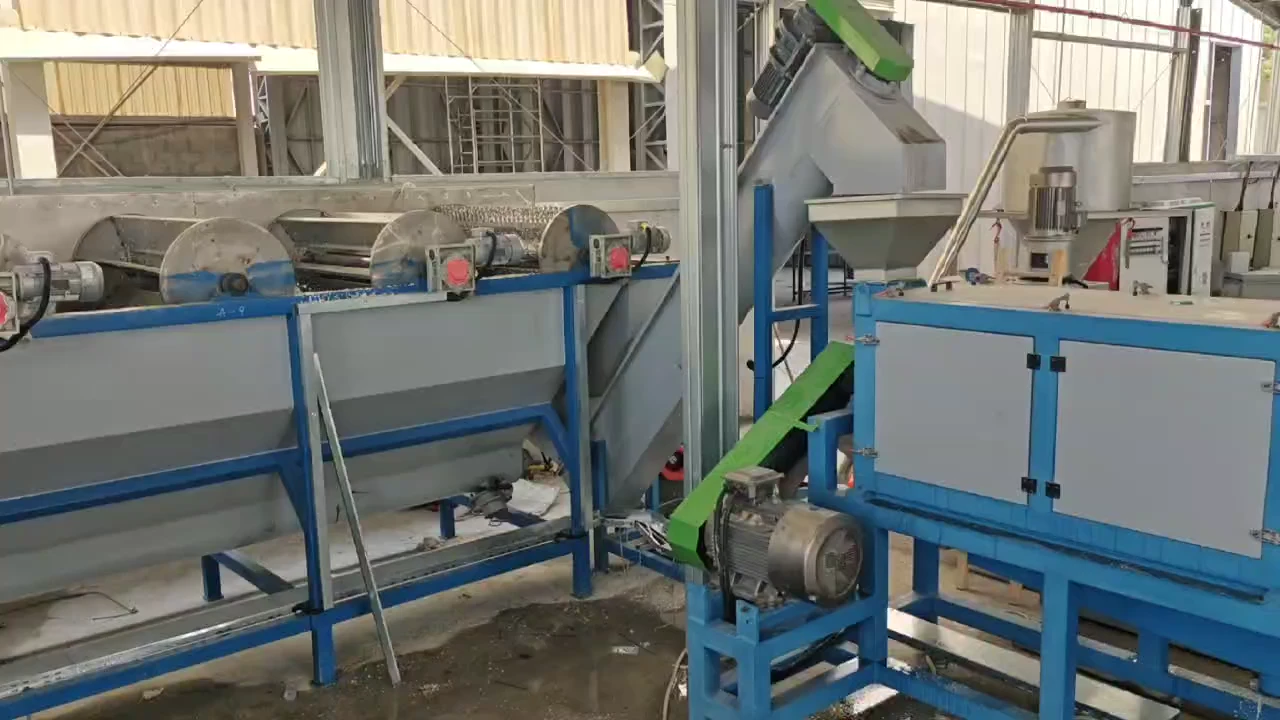
Process Flow
Equipment / System Architecture
Related project: Uganda Waste Plastic Recycling & Crushing Project
What It Is
Waste-plastic recycling converts selected post-industrial or post-consumer plastic into reusable flakes, pellets or prepared feed. The route must be matched to polymer family, color, additives, food or non-food origin, labels, metals, moisture, dirt and incompatible materials. A mixed-plastic tonnage alone cannot define the plant.
Applications and Feedstock Boundaries
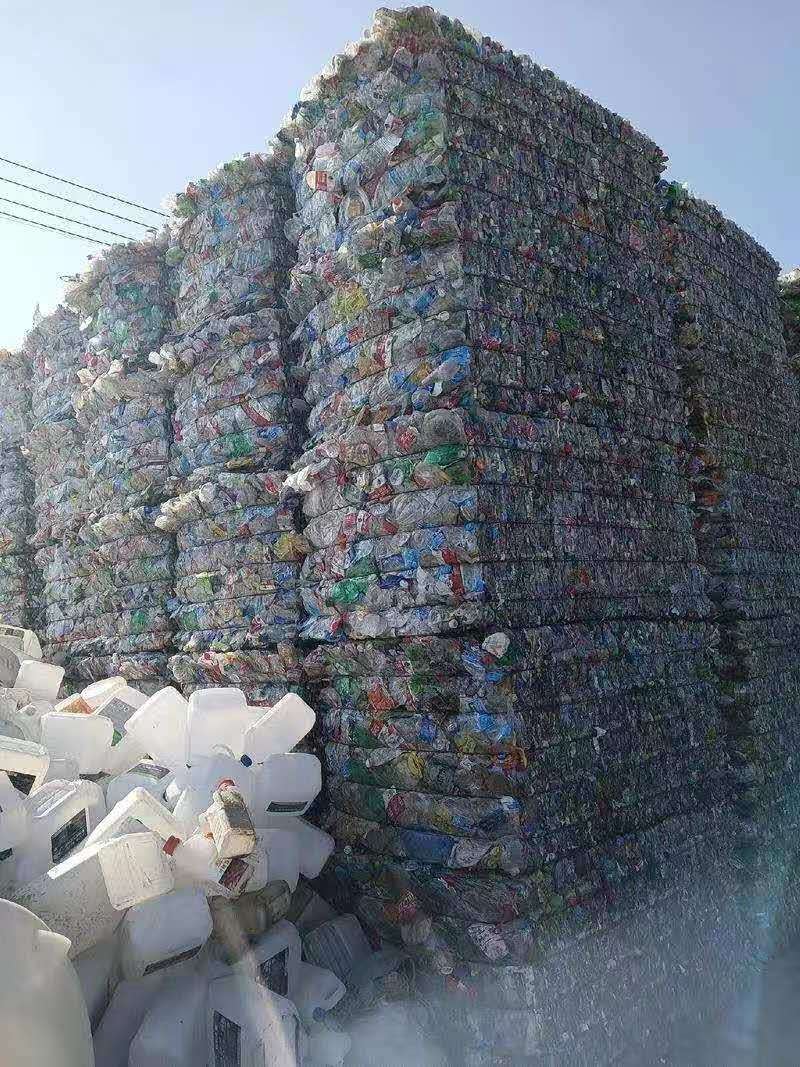
- Rigid HDPE and PP containers
- PET bottle streams
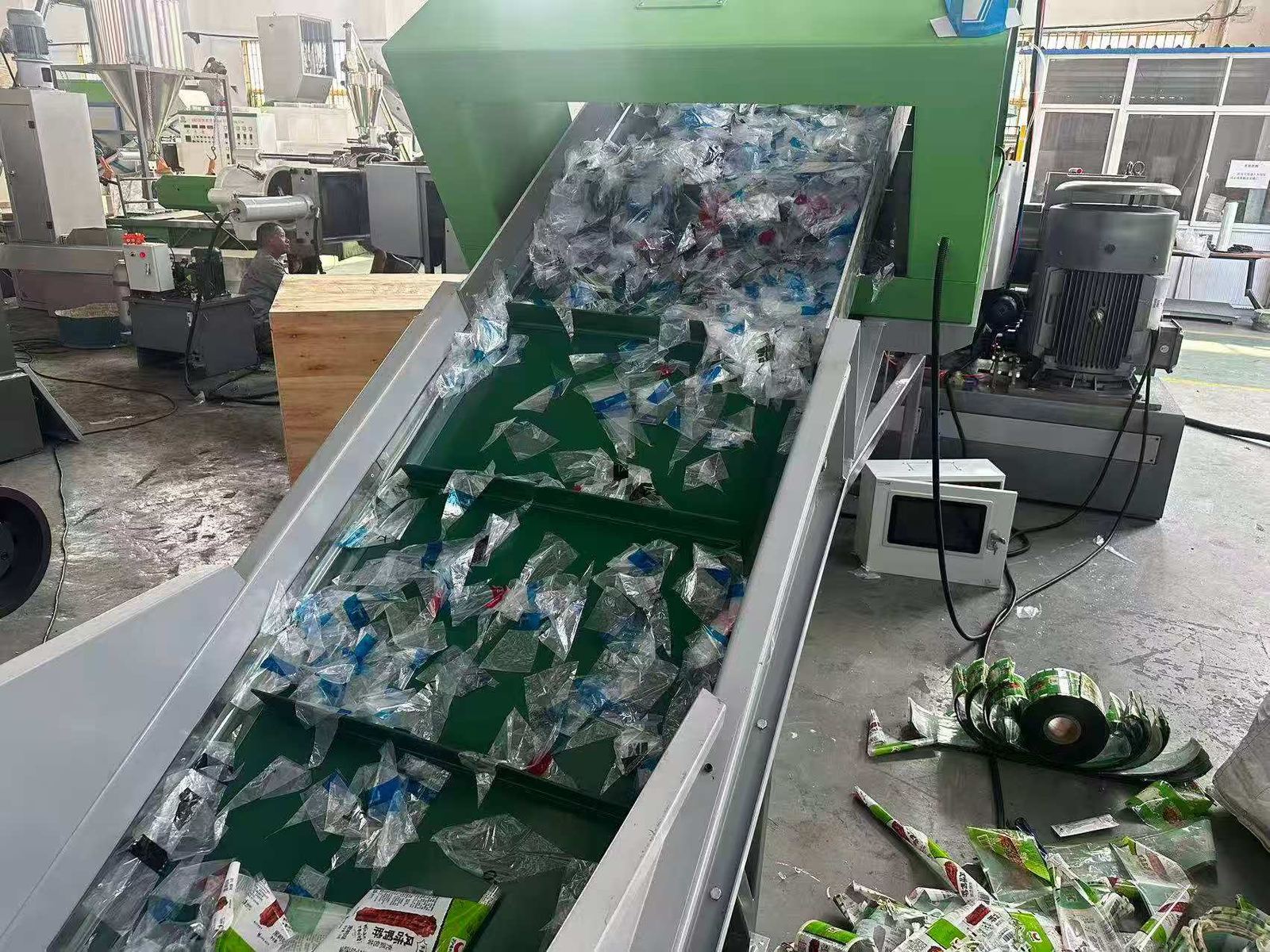
- Film and flexible packaging where technically suitable
- Production scrap and offcuts
- Defined mixed-plastic streams requiring sorting before recovery
Main Equipment and System Architecture
- Feed conveyors, bale breaker and inspection stations
- Magnetic, eddy-current, optical or density separation as justified
- Shredder, granulator and dust control
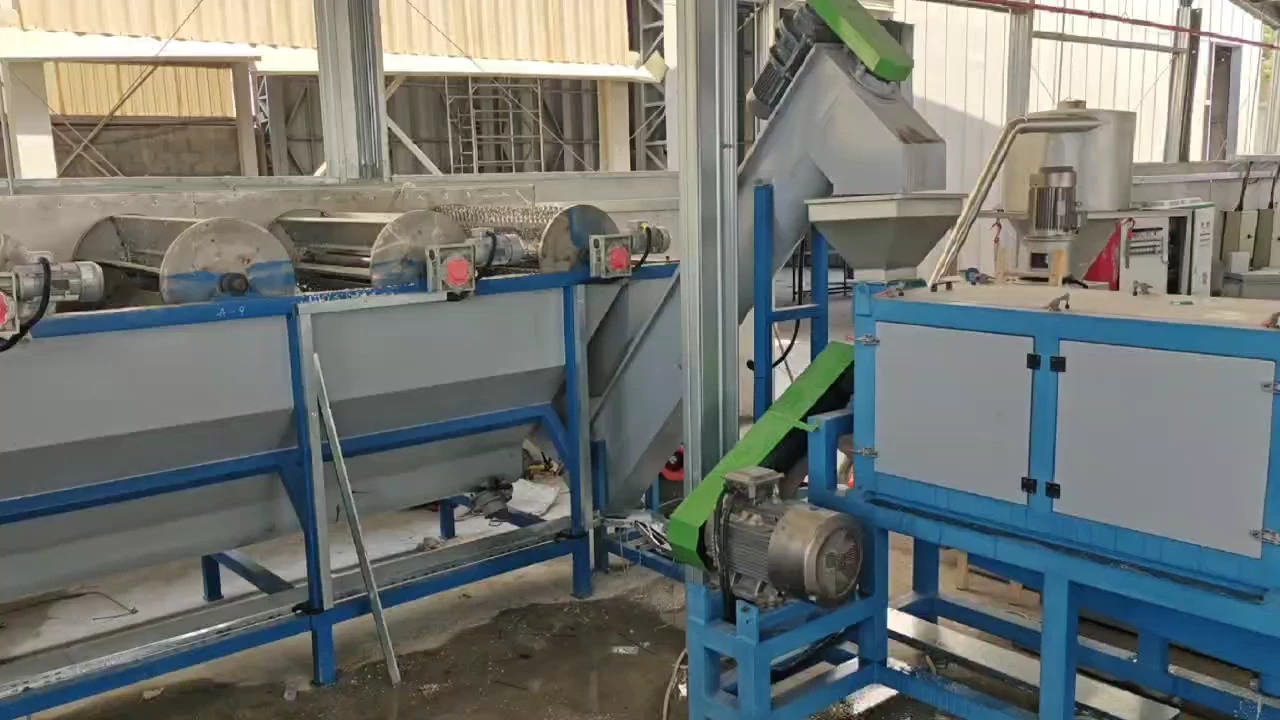
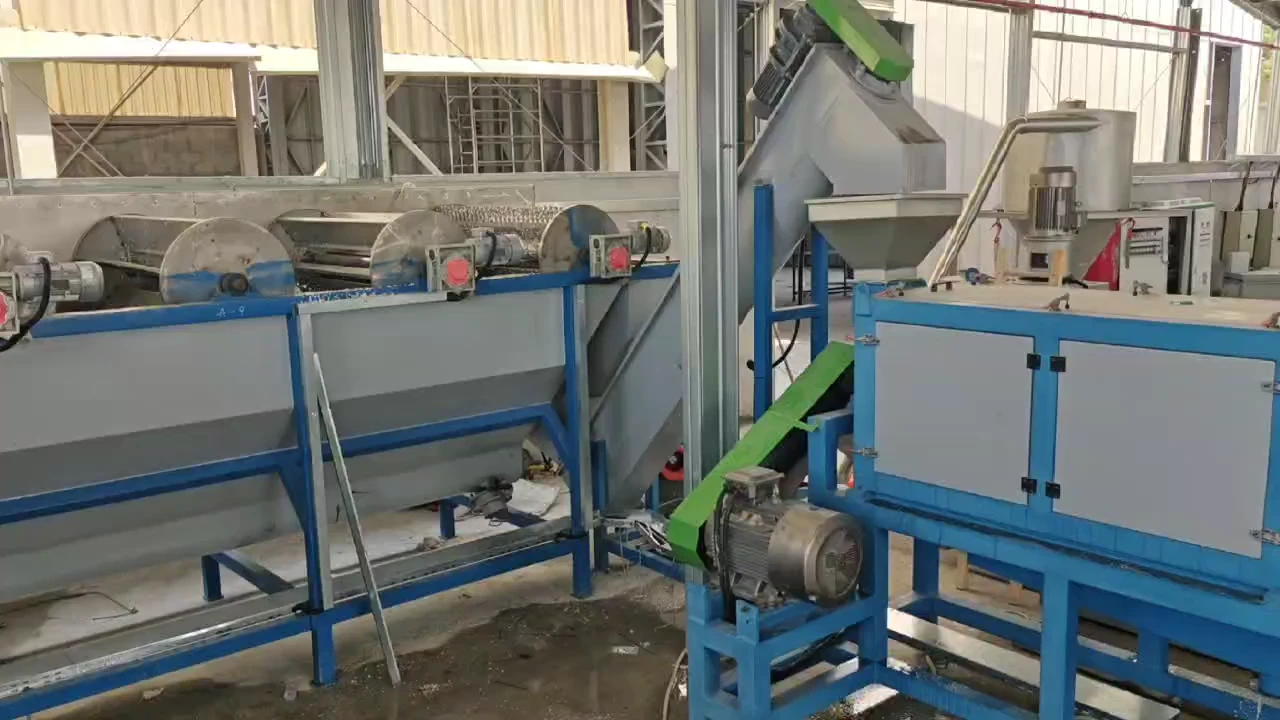
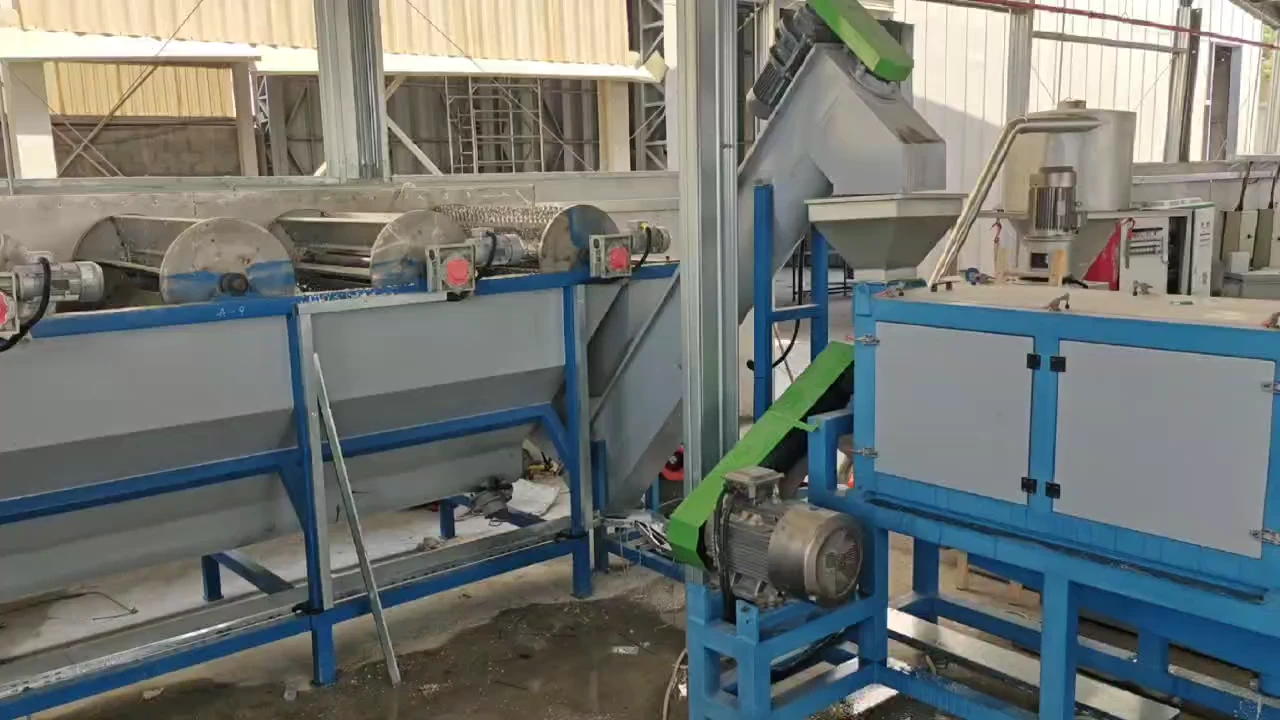
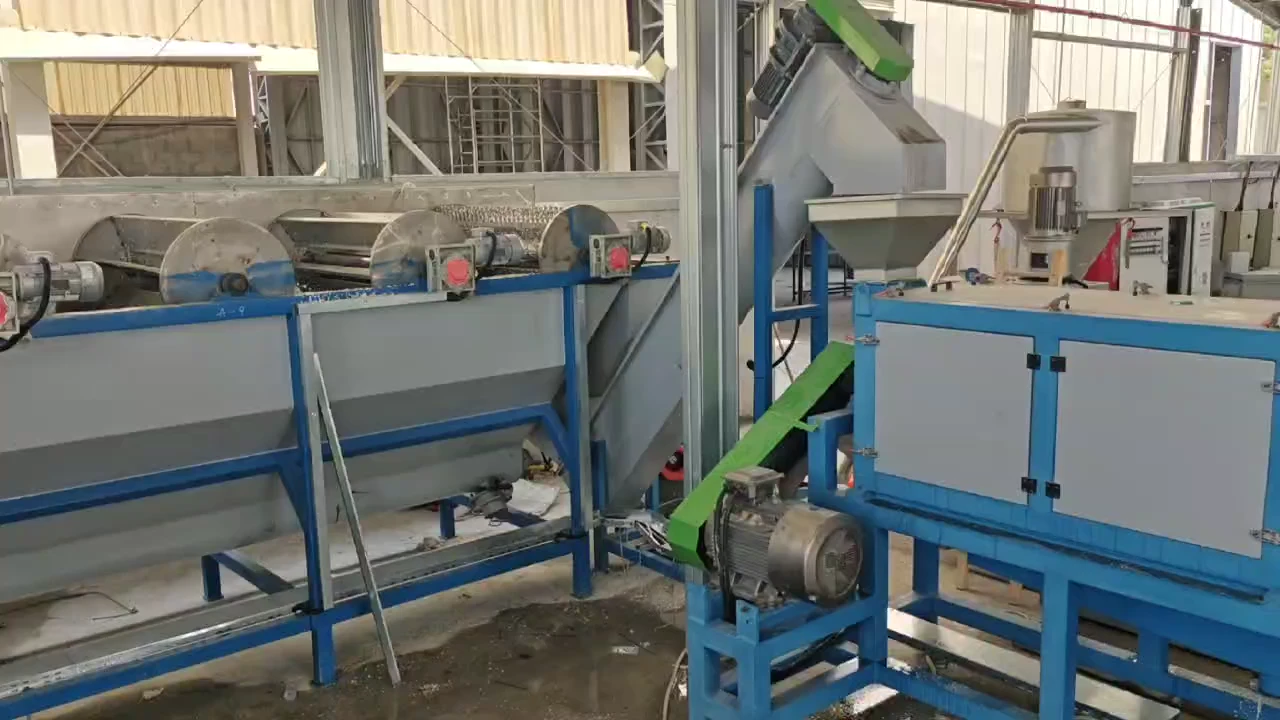
- Pre-wash, friction wash, float-sink and rinse stages
- Mechanical dryer, thermal dryer and air classification
- Extrusion, melt filtration, degassing and pelletizing where included
- Wash-water treatment, recirculation, sludge handling and PLC controls
The line separates dirty and clean zones, protects high-speed equipment from metal, provides maintenance access and records feed, product, reject and water balances.
Capacity and Design Basis
Design capacity follows bulk density, bale condition, polymer split, contamination and moisture as well as the slowest washing, drying or extrusion stage. Product-grade trials may be required before equipment guarantees.
| Feed envelope | Representative samples identify polymer types, colors, multilayer content, PVC or PET cross-contamination, labels, metals, organics, dirt and moisture. |
|---|---|
| Capacity logic | Minimum, normal and peak receipt rates, storage autonomy, operating hours and downstream bottlenecks are defined from verified records. |
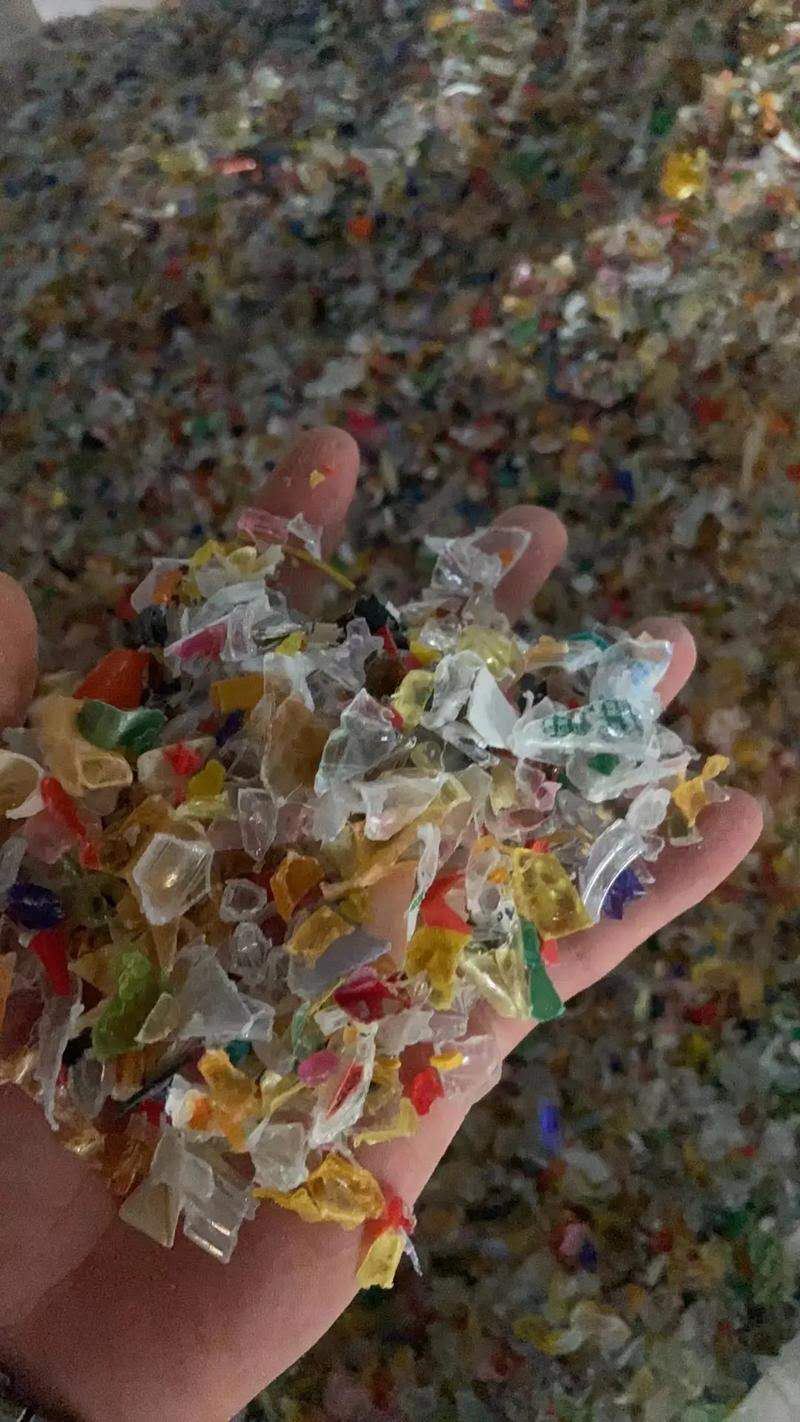
| Product basis | Flake or pellet criteria may include polymer, color, size, moisture, bulk density, contamination and melt-related properties; every value is project-specific. |
| Unknowns | Unverified composition, recovery, yield, purity, price and disposal route remain TBC; no fixed performance is invented. |
Utilities and Infrastructure
Power, process and hot water, heating fuel or steam, compressed air, drainage, ventilation, fire protection, laboratory space and residue storage are coordinated with water reuse and discharge limits.
Required Customer Engineering Inputs
Customers provide source and quantity records, samples and laboratory data, bale or loose condition, product targets and buyers, site plan, water limits, utility availability, operating hours and required environmental permits.
Automation, Sorting and Quality Control
Interlocks protect shredders and conveyors; sorting settings, temperatures, water quality, moisture and melt filtration are monitored. Sampling and hold-release rules prevent off-spec material entering the final product silo.
CAPEX and OPEX Drivers
CAPEX depends on sorting accuracy, washing severity, water treatment, drying, extrusion and civil scope. OPEX is driven by power, heat, water, chemicals, screens and filters, labor, maintenance, rejects and wastewater sludge.
Safety, Environmental and Compliance
Risks include fire, dust, sharp contaminants, rotating equipment, hot washing, extrusion pressure and fumes. Fire zoning, guarding, isolation, ventilation, housekeeping and wastewater compliance are part of the design.
Outputs and Acceptance Basis
Acceptance may cover feed envelope, stable throughput, product sampling, moisture and contamination, utility use, water balance, reject accounting, interlocks, documentation and training under agreed test conditions.
Implementation and Commissioning
Execution includes sampling and trials, process design, equipment qualification, layout, water-system integration, FAT, construction, dry commissioning, wet trials, product validation and ramp-up.
Project Evidence
No completed-client claim, guaranteed recovery or product value is stated without approved evidence. Relevant references, if available, will be identified during project evaluation; this page uses an engineering process diagram rather than a claimed project photograph.
Frequently Asked Questions
Can all plastic types run together?
Usually not. Polymer compatibility and product requirements determine what must be separated before washing or reprocessing.
Is washing always required?
No. Clean production scrap may need only size reduction, while post-consumer streams often require staged washing and water treatment.
How is PVC contamination controlled?
Source control, inspection and suitable sorting technology are selected from the polymer and product specification.
Can multilayer film be pelletized?
Only after trials confirm technical compatibility and an outlet; some multilayer structures remain difficult to recycle mechanically.
How much water is consumed?
It depends on contamination, washing sequence, reuse, evaporation and discharge limits and is established by a project water balance.
What product can be sold?
Flake, pellet or prepared feed must match a buyer specification verified during project development; market value is not assumed.
How are rejects handled?
Rejects are weighed, characterized and routed to approved recovery, treatment or disposal outlets.
What is needed for a budget concept?
Representative samples, monthly quantities, polymer composition, contamination, target product, utilities, site and environmental limits are required.
Related Engineering Links
Waste Recycling & Resource Recovery Systems overview · Construction & Demolition Waste Recycling · E-waste Recycling · Projects & Cases · Request a Project Evaluation
Request a Project Evaluation
Provide feedstock samples or analyses, quantity history, contamination, existing layout, target products, utilities, compliance limits and local outlet or disposal requirements. Unknown information may remain TBC.
Request a Project Evaluation View Waste Recycling & Resource Recovery
Preliminary Capacity & Technical Specification Range
| Typical configurable capacity | 0.3–10 t/h |
|---|---|
| Feed basis | Polymer type, rigid/film form, labels, dirt, metal, moisture and target flake/pellet quality |
| Typical outputs | Washed flakes or pellets by polymer and color specification |
| Key utilities | Power, washing water, thermal drying and wastewater-recirculation system |
Required for quotation: representative photos and samples, minimum/normal/peak feed quantity, composition and contamination analysis, operating hours, desired products and sizes, local emission/discharge limits, utilities, plot plan and required automation.
Waste Plastic Feedstock, Equipment and Product Handling
Request a Project Evaluation
Share representative waste characterization, throughput range, required outputs, utilities, site constraints and compliance requirements.
Start the engineering evaluation