
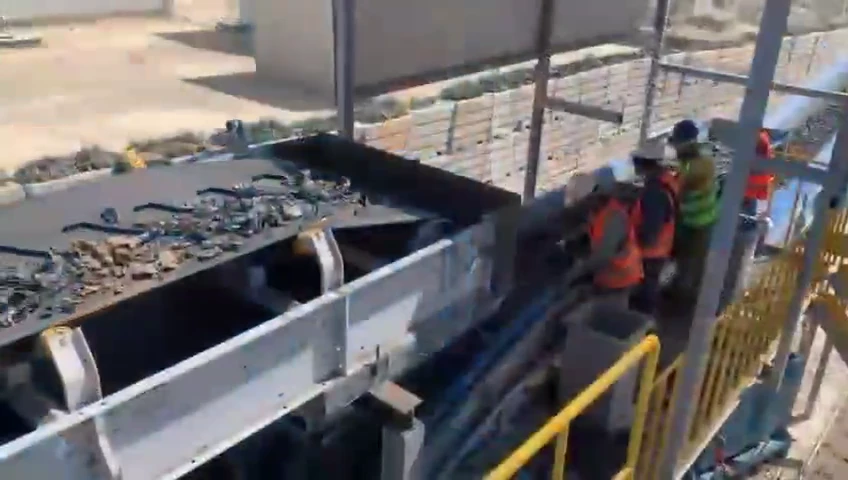
Process Flow
Equipment / System Architecture
Related project: Saudi Arabia Scrap Metal Crushing & Recycling Project
What It Is
Scrap-metal recycling prepares mixed or segregated metallic feed into saleable ferrous and non-ferrous grades. The plant route can include inspection, radiation monitoring, cutting, shearing, baling, shredding and sensor separation. Feed dimensions, contamination, sealed vessels and product specifications govern the design.
Applications and Feedstock Boundaries
- Industrial offcuts and production scrap
- Demolition and structural steel
- Appliances and mixed light iron after controlled removal
- Non-ferrous scrap streams
- Prepared furnace or foundry feed
Main Equipment and System Architecture
- Weighbridge, inspection and radiation monitoring
- Material handlers, cranes and mobile equipment
- Shear, baler and cutting stations
- Shredder and downstream air/density separation where justified
- Magnetic, eddy-current and sensor sorting
- Dust extraction, fire detection and drainage containment
- Product bunkers, laboratory tools and inventory system
Equipment selection matches maximum feed dimensions and density, while foundations, noise, vibration, firewater and maintenance lifting are integrated with the process.
Capacity and Design Basis
Capacity considers material mix, maximum pieces, bulk density, preparation route, product grades, operating hours, storage and receiving/dispatch logistics.
| Feed envelope | The feed specification identifies ferrous and non-ferrous categories, alloy risks, attachments, oil, dirt, sealed containers, radioactive-source controls and prohibited hazardous material. |
|---|---|
| Capacity logic | Minimum, normal and peak receipt rates, storage autonomy, operating hours and downstream bottlenecks are defined from verified records. |
| Product basis | Products require agreed grade, dimensions, density and contamination limits compatible with the receiving mill, foundry or trader. |
| Unknowns | Unverified composition, recovery, yield, purity, price and disposal route remain TBC; no fixed performance is invented. |
Utilities and Infrastructure
Electricity or fuel, hydraulic systems, compressed air, roads and heavy slabs, drainage, firewater, dust collection, lighting, workshops and safe storage are coordinated.
Required Customer Engineering Inputs
Required data includes scrap categories, quantities and peaks, maximum dimensions, photographs and samples, product grades and buyers, site geotechnical/layout, utilities, noise and environmental limits.
Automation, Sorting and Quality Control
Weighing, inventory, equipment loads, hydraulic conditions, bearing temperatures, fire detection and product dispatch are recorded. Grade segregation and sampling procedures control quality.
CAPEX and OPEX Drivers
CAPEX is influenced by heavy foundations, shear/baler/shredder duty, separation depth, cranes and environmental controls. OPEX includes power, fuel, wear metals, hydraulic maintenance, labor, fire prevention and residue disposal.
Safety, Environmental and Compliance
Critical controls address sealed vessels, cylinders, radiation, batteries, fuel tanks, sharp metal, suspended loads, hot work, high-pressure hydraulics, noise, dust and fire.
Outputs and Acceptance Basis
Testing covers defined feed handling, stable equipment duty, product dimensions and cleanliness, safety interlocks, dust/fire systems, weighing, documentation and operator competency.
Implementation and Commissioning
Delivery includes feed and product study, layout and traffic design, foundation and utility engineering, equipment procurement, installation, safety validation, controlled scrap trials and ramp-up.
Project Evidence
No completed-client claim, guaranteed recovery or product value is stated without approved evidence. Relevant references, if available, will be identified during project evaluation; this page uses an engineering process diagram rather than a claimed project photograph.
Frequently Asked Questions
Can sealed tanks or cylinders enter the process?
No. They require identification, isolation and an approved safe procedure before any cutting, shearing or shredding.
Is radiation monitoring necessary?
Requirements depend on jurisdiction and feed source, but monitoring and response procedures are commonly required for scrap receiving.
When is shredding needed?
It is considered for complex, light or mixed feed when product and separation benefits justify energy, wear and environmental controls.
How are alloys kept separate?
Source segregation, identification tools, dedicated storage, sensor sorting and documented grading prevent mixing.
What controls noise and vibration?
Equipment selection, foundations, enclosure, operating hours and site layout are evaluated against applicable limits.
How is product quality accepted?
By agreed grade, dimensions, density, cleanliness, sampling and calibrated weight records.
What drives wear cost?
Feed hardness, contamination, operating practice, throughput and the selected shear, shredder and separation equipment.
What information starts the design?
Feed categories, sizes, monthly/peak volume, product specifications, buyers, site and utility data are required.
Related Engineering Links
Waste Recycling & Resource Recovery Systems overview · Construction & Demolition Waste Recycling · E-waste Recycling · Projects & Cases · Request a Project Evaluation
Request a Project Evaluation
Provide feedstock samples or analyses, quantity history, contamination, existing layout, target products, utilities, compliance limits and local outlet or disposal requirements. Unknown information may remain TBC.
Request a Project Evaluation View Waste Recycling & Resource Recovery
Preliminary Capacity & Technical Specification Range
| Typical configurable capacity | 5–100 t/h |
|---|---|
| Feed basis | Ferrous/non-ferrous mix, density, maximum dimensions, attachments, enclosed items and target metal grades |
| Typical outputs | Prepared ferrous scrap, separated non-ferrous fractions and controlled residue |
| Key utilities | Power, dust extraction, fire protection and heavy-material handling |
Required for quotation: representative photos and samples, minimum/normal/peak feed quantity, composition and contamination analysis, operating hours, desired products and sizes, local emission/discharge limits, utilities, plot plan and required automation.
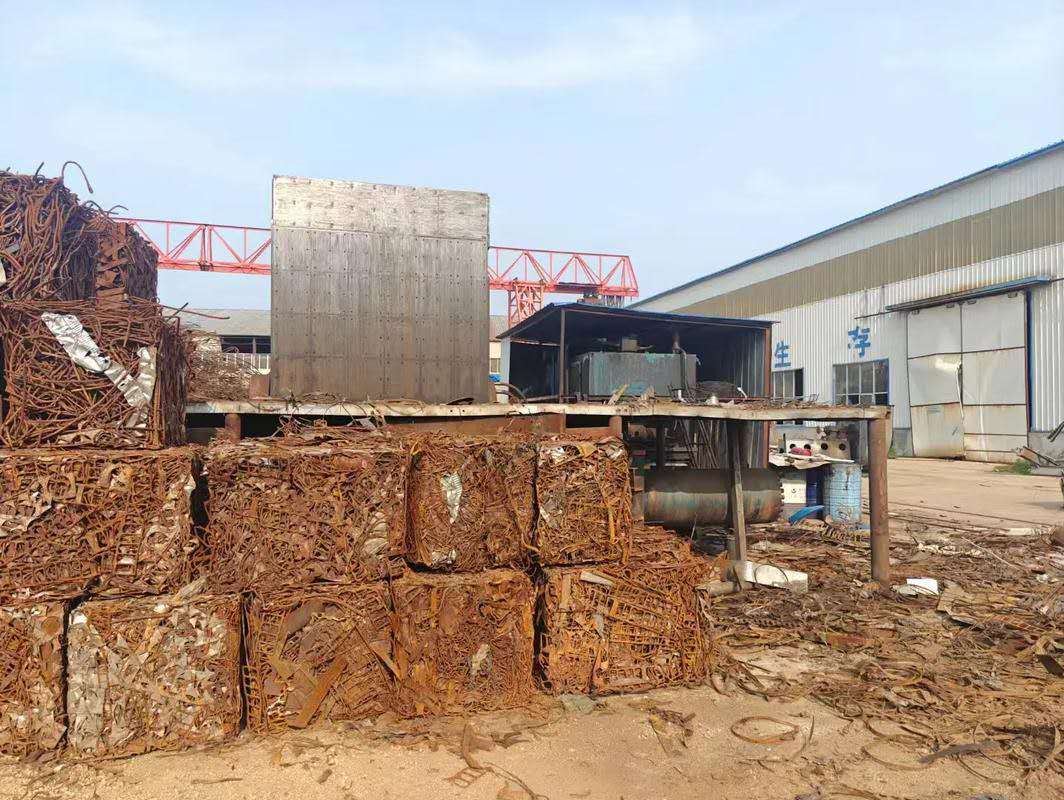
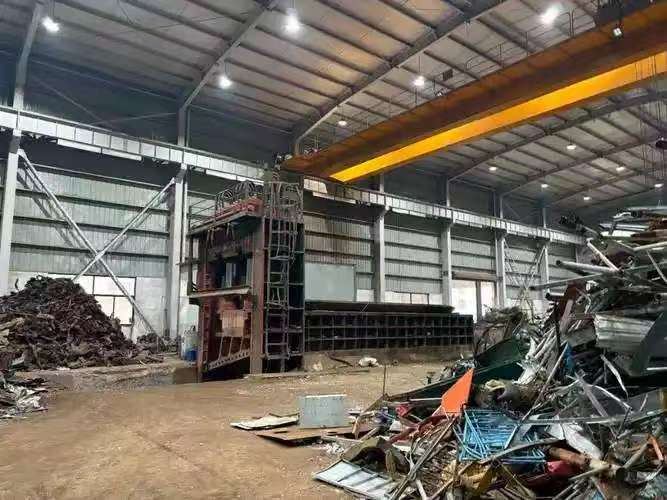
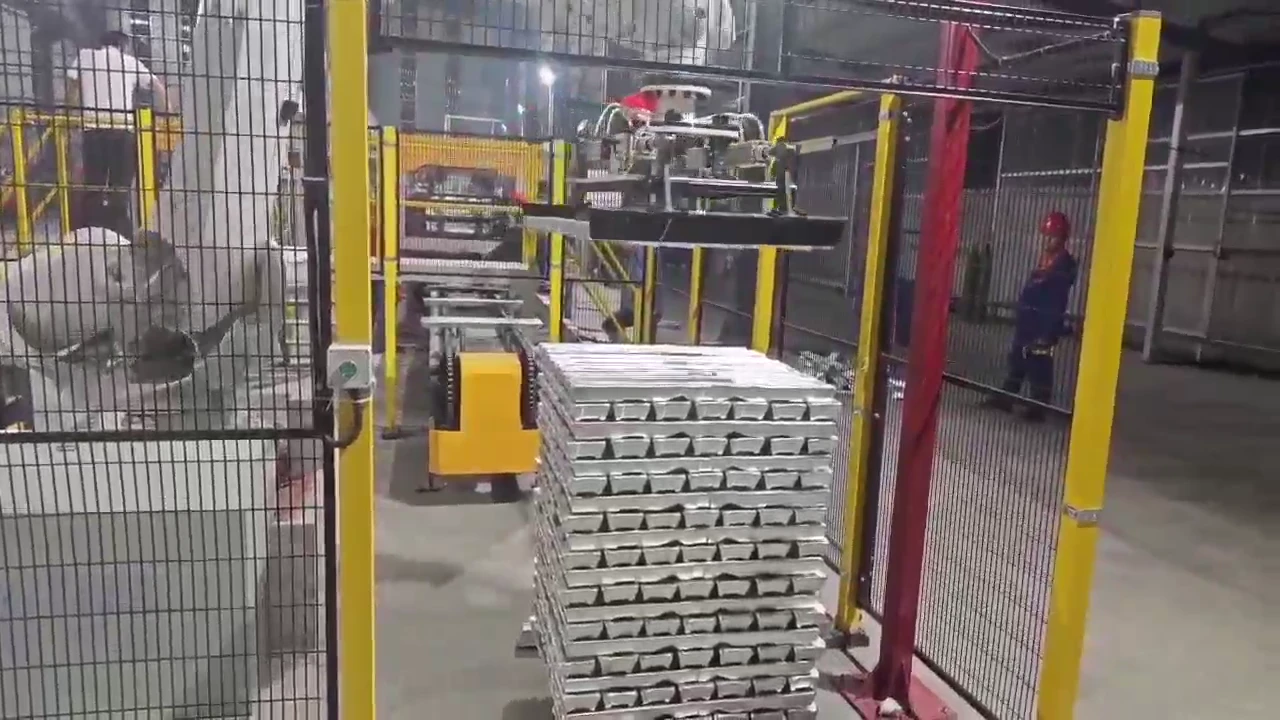
Scrap-Metal Feedstock, Equipment and Project Evidence
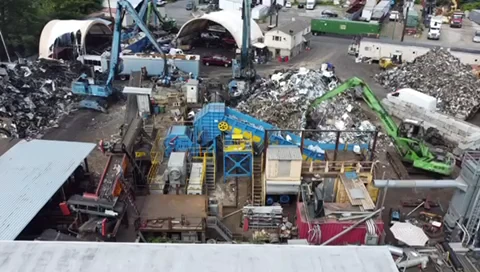
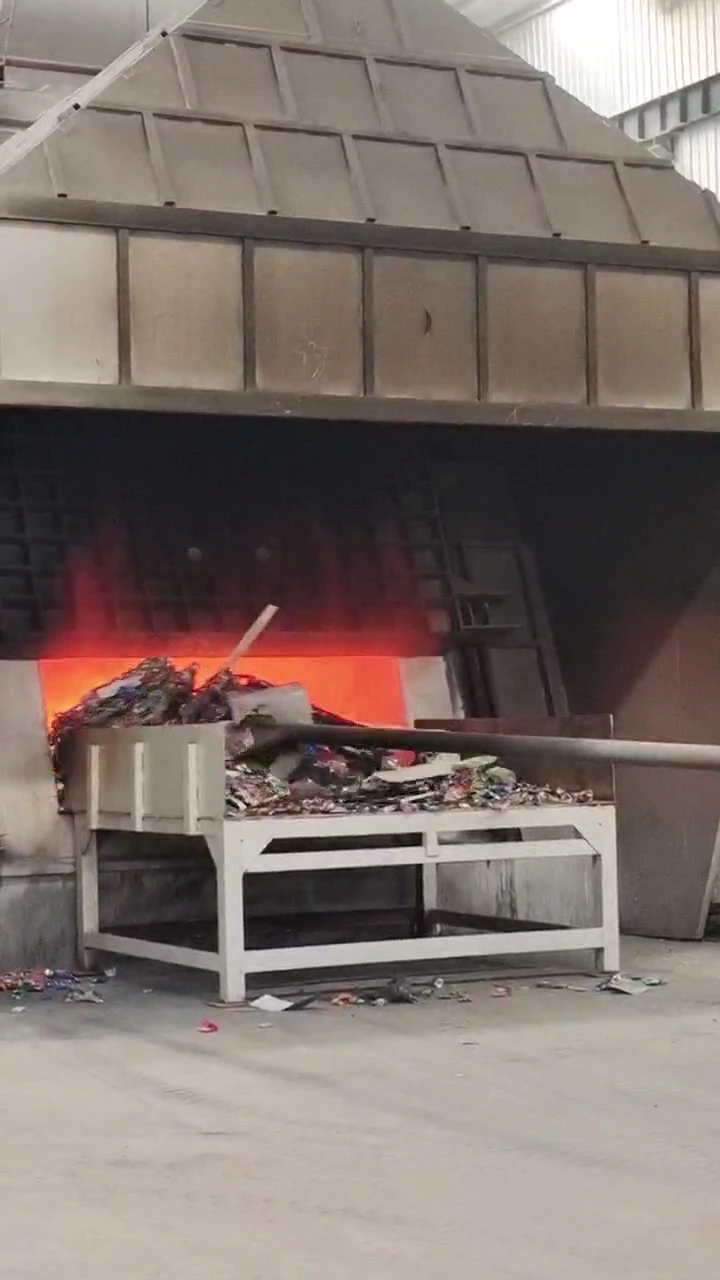
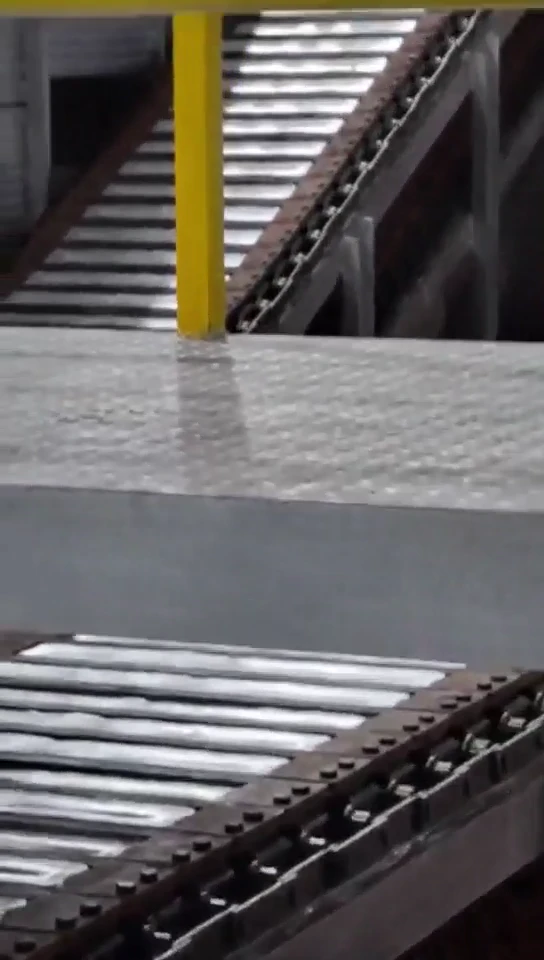
Ferrous and non-ferrous scrap are inspected and separated before processing. The Foshan photographs document a specific China Bente waste-aluminum and aluminum-ingot project and are not presented as universal performance evidence.
Request a Project Evaluation
Share representative waste characterization, throughput range, required outputs, utilities, site constraints and compliance requirements.
Start the engineering evaluation