
Use qualified bagasse and agricultural residues to supply factory steam, hot air or combined heat and power. Fuel preparation, combustion, heat recovery, emissions controls and ash handling are engineered as one system.
Biomass fuel and heat-generation equipment
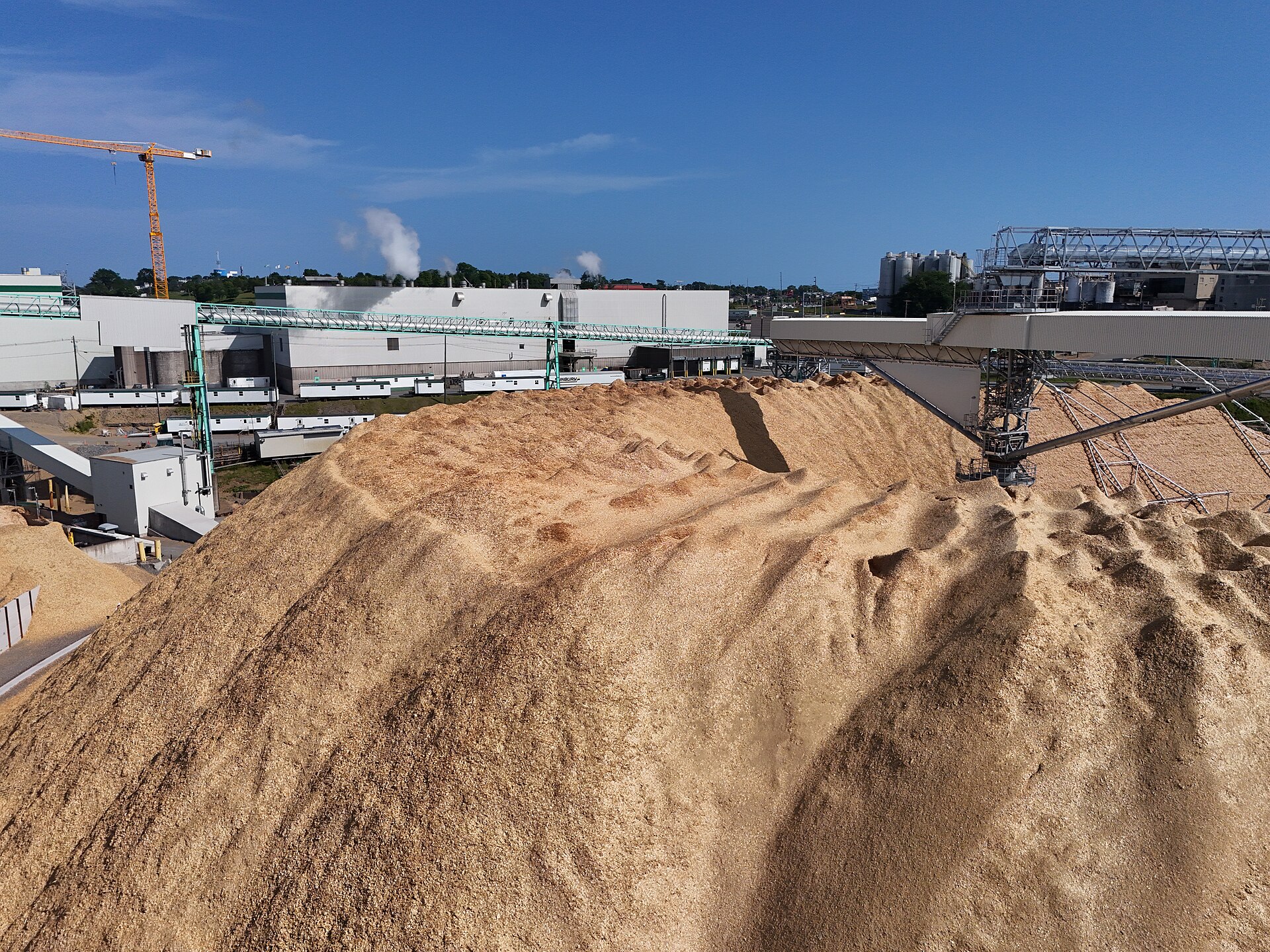
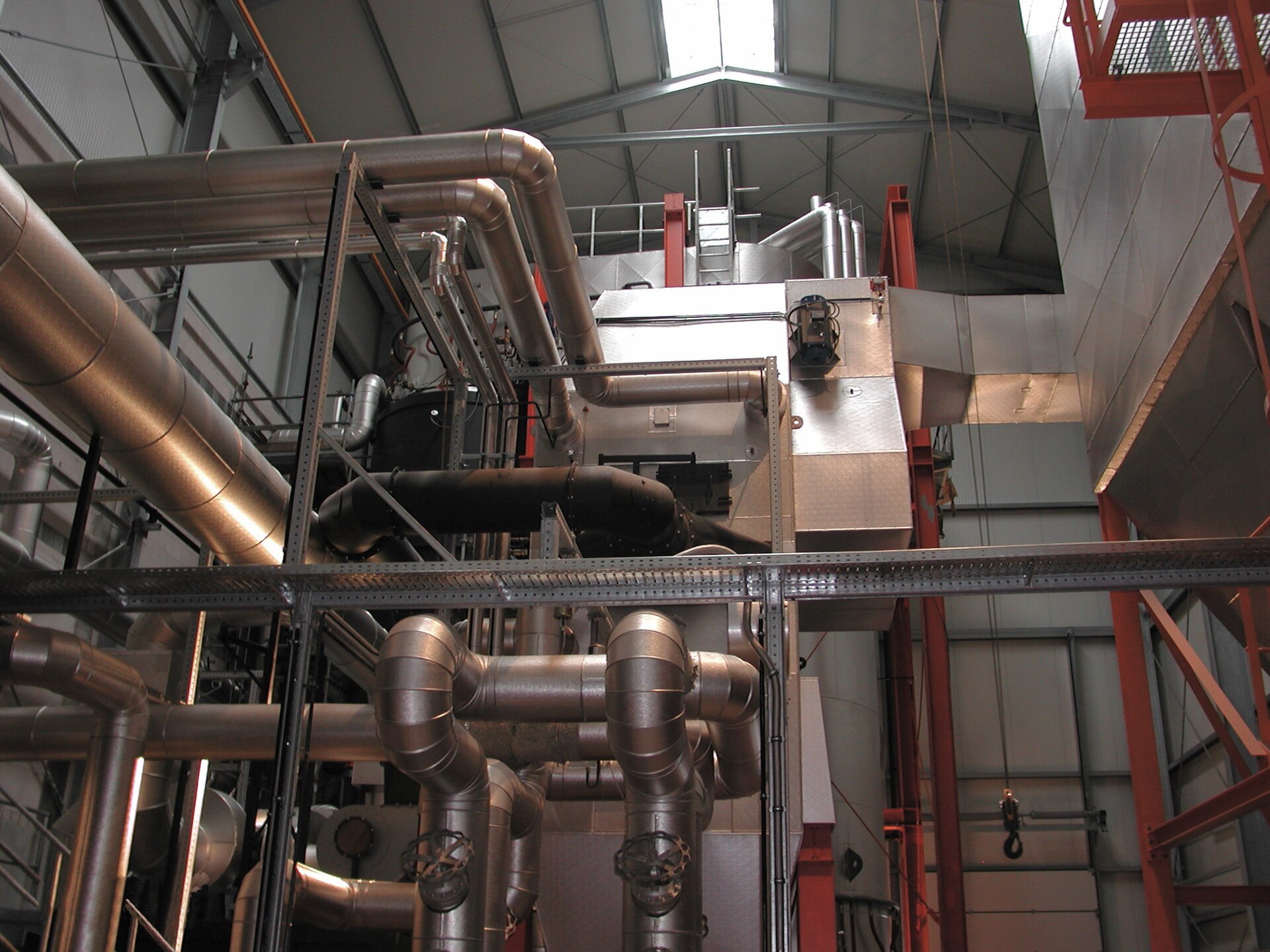
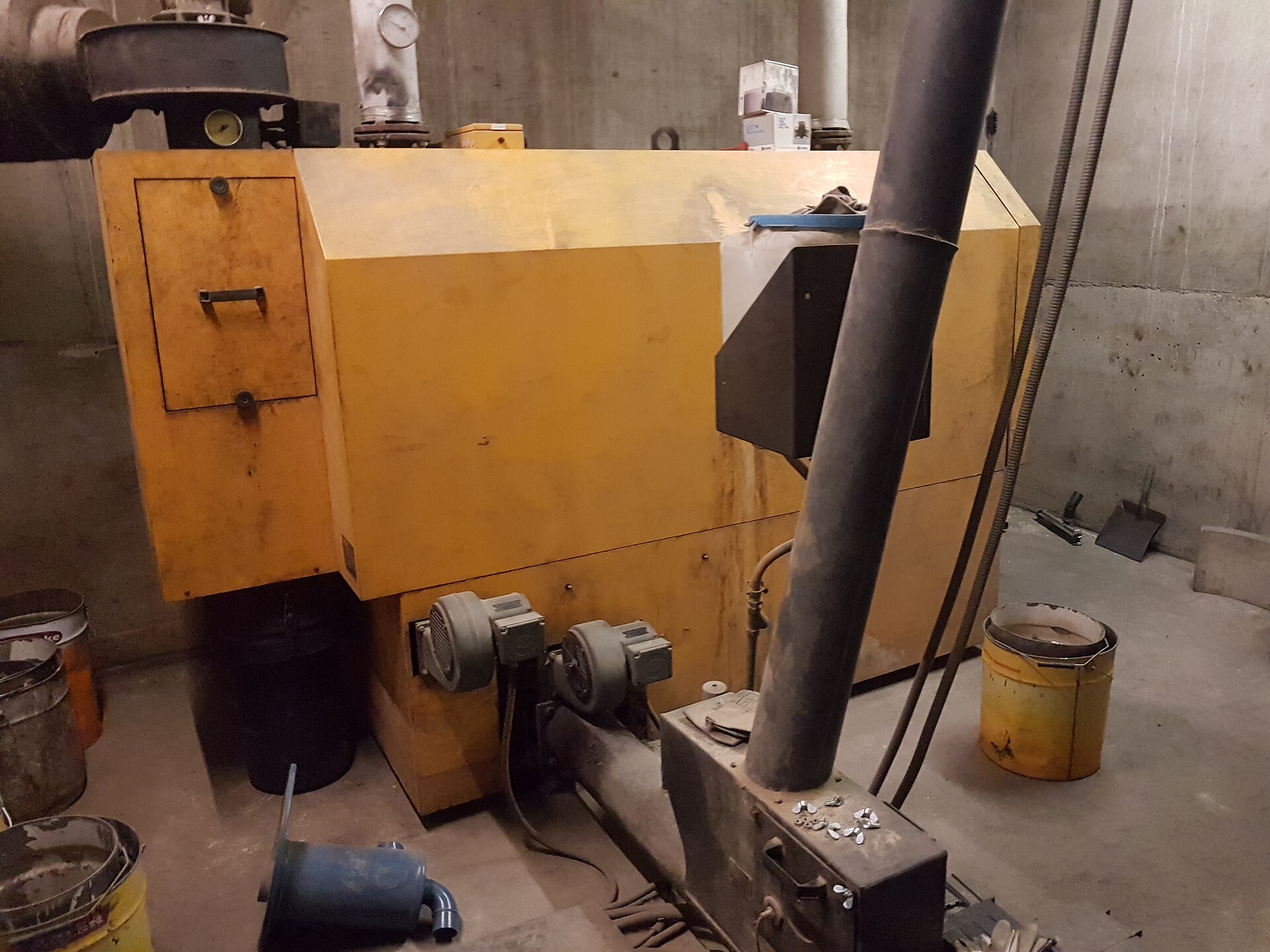
The plant layout must connect covered fuel receiving and storage, screening and metered conveying, furnace/boiler equipment, heat recovery, flue-gas treatment and ash removal. Bagasse, wood chips, husks and other agricultural residues require separate fuel analysis and handling design.
Process and equipment architecture
- Sample fuel and measure heat demand
- Prepare and store fuel
- Meter fuel to furnace
- Generate steam or hot air
- Recover useful heat / optional power
- Clean flue gas and handle ash
Main equipment and supply boundary
Receiving hopper, screening and metal separation, size reduction where required, covered fuel storage, conveyors, metered feeding, furnace/boiler, water treatment, fans, heat exchangers, flue-gas controls, ash handling, instrumentation and optional turbine-generator.
Technical parameters and capacity basis
| Parameter | Unit / basis | Design requirement |
|---|---|---|
| Fuel availability | t/day; t/year | Confirm seasonal supply, collection radius, storage and competing uses. |
| Fuel analysis | Moisture %; LHV MJ/kg | State wet/dry basis; analyze ash, chlorine, alkalis and contaminants. |
| Steam duty | t/h; bar; °C | Use the hourly process demand, startup duty and return-condensate condition. |
| Useful thermal output | kWth / MWth | Define the heat-transfer boundary and useful delivered heat. |
| Optional electrical output | kWe / MWe | Calculate from the steam cycle and remaining process-heat demand. |
| Efficiency / fuel use | %; kg/h | Agree test boundary, fuel basis and operating load. |
| Environmental controls | Permit-specific limits | Select dust/gas controls, sampling points and approved ash routes. |
Numerical equipment ratings and guaranteed values are established in the project datasheet after the operating inputs are verified; units shown here are not fixed product ratings.
Engineering inputs
Fuel samples and seasonal quantities; moisture and laboratory analysis; steam/hot-air demand profile; existing boilers; water and condensate data; site layout; grid conditions for CHP; emissions requirements and ash outlet.
Frequently asked questions
Can wet bagasse be used?
Potentially. Moisture, storage behavior, feeding and combustion design must be evaluated from representative fuel samples. Drying is not assumed necessary or unnecessary without a heat balance.
Can rice husks and straw use the same furnace?
Not automatically. Ash behavior, silica, alkalis, chlorine, bulk density and feeding characteristics affect grate/furnace selection and maintenance.
Should the project generate power or only steam?
Start with useful heat demand and fuel continuity. Add CHP only where the steam cycle, project scale, grid conditions and economics support it.
How is fuel consumption calculated?
Calculate from the useful heat demand, measured lower heating value, moisture basis and agreed system efficiency; do not apply a generic tonnes-per-hour ratio.
What emissions equipment is included?
The fuel analysis and applicable permit determine particulate and other gas controls, stack design, monitoring and ash handling. Biomass is not automatically emission-free.
Can an existing boiler house be retrofitted?
Evaluate steam headers, foundations, access, water treatment, fuel storage, stack and controls. Define shutdown windows and the retained equipment boundary.
Can ash be sold as fertilizer?
Only if testing and local approvals support that use. The design must also provide a compliant alternative handling/disposal route.
What is tested at acceptance?
Verify the agreed fuel basis, stable heat/steam duty, auxiliary demand, safety interlocks, emissions and any separately specified CHP output.