
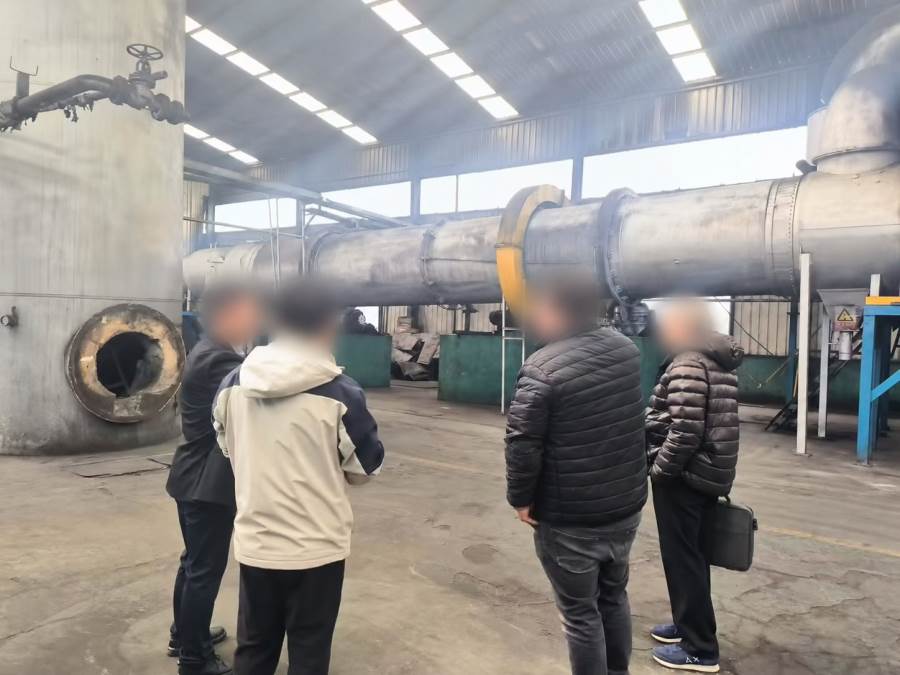
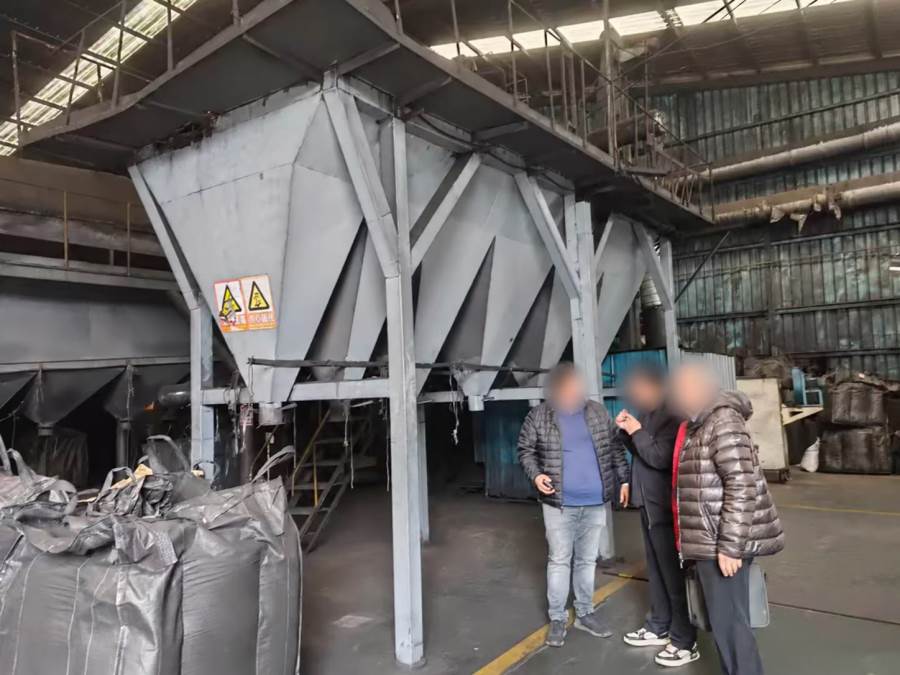
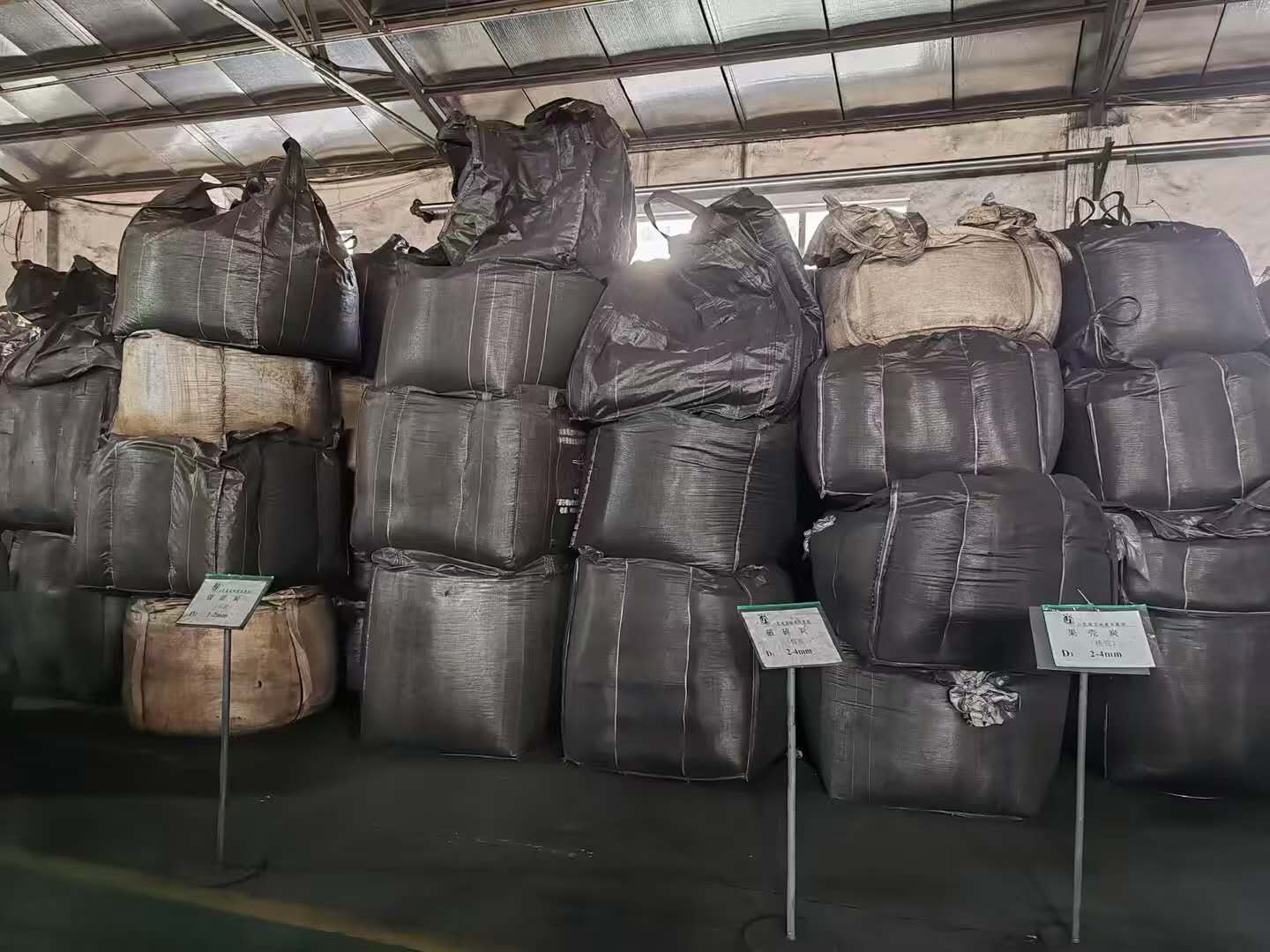
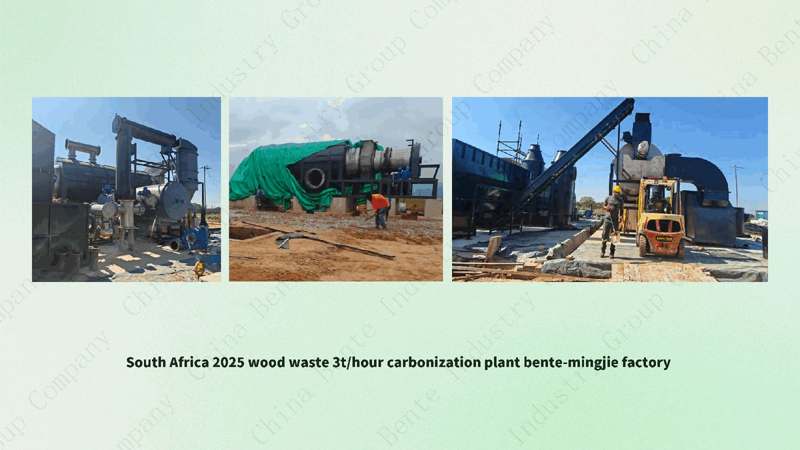
Activated Carbon: Factory Photographs and Finished Products
Process Flow
Equipment / System Architecture
Applications and Feedstock Boundary
Coconut shell, palm kernel shell, clean sawdust and suitable untreated wood-processing residues can support charcoal, briquette or activated-carbon routes. Treated, painted or contaminated timber is excluded unless separately proven acceptable.
Design Basis and Customer Inputs
Feed moisture, ash, dirt, particle size, bulk density, fixed-carbon potential, contamination, required product form and adsorption specification determine drying, kiln, activation and grading duties.
Utilities and Interfaces
Electrical load, thermal start-up energy, steam or approved activation chemicals, cooling, emission control, water and wastewater interfaces, product storage and packing are developed together.
Outputs, Cost Drivers and Acceptance
Outputs may include lump charcoal, briquettes, granular or powdered activated carbon. Cost drivers include feed preparation, dryer duty, kiln and gas treatment, activation method, washing, drying and quality testing. Acceptance depends on agreed feed and tested product properties.
Safety and Environmental Controls
Combustible dust, hot solids, carbon monoxide, process gas, controlled cooling, fire separation and emissions are addressed in the design.
Frequently Asked Questions
Which biomass feedstocks are suitable?
Coconut shell, palm kernel shell, clean sawdust and suitable untreated wood residues can be evaluated. Painted or chemically treated wood is not assumed acceptable.
What is the difference between charcoal and activated carbon?
Charcoal is the carbonized product. Activated carbon receives an additional controlled activation step to develop adsorption properties for a defined application.
Why is feedstock drying important?
Moisture affects heat duty, carbonization stability, gas handling and product consistency, so the inlet moisture range must be measured.
How are carbonization gases managed?
A sealed gas-recovery and controlled combustion or reuse system is selected to manage condensables, emissions and available process heat.
Which activation method is used?
Steam or an approved chemical route is selected from feedstock, required adsorption performance, utilities and wastewater-management constraints.
Can sawdust be made into briquettes?
Yes, when particle size, moisture and binding behavior support densification; final briquette form and strength remain test-dependent.
What product tests are required?
Typical tests may include moisture, ash, apparent density, hardness, particle size and application-specific adsorption performance.
What defines project acceptance?
Acceptance uses the agreed feed envelope, equipment operation, thermal and emission controls, safe cooling, product grading and tested quality criteria.
Request a Project Evaluation
Share representative waste characterization, throughput range, required outputs, utilities, site constraints and compliance requirements.
Start the engineering evaluation