
Industrial & Chemical Waste: Storage and Thermal-Treatment Equipment
Process Flow
Equipment / System Architecture
What It Is
Industrial solid waste treatment manages non-product solids generated by manufacturing and utilities through segregation, recovery, dewatering, size reduction, blending, stabilization or preparation for an approved downstream route. Because industrial residues vary widely, compatibility and hazardous classification are design gates.
Applications and Feedstock Boundaries
Potential feeds include defined non-hazardous production residues, contaminated packaging, filter cakes, off-spec solids, mineral residues and combustible fractions. Hazardous materials require explicit classification, licensing and technology review before inclusion.
Main Equipment and System Architecture
Equipment may include contained receiving bays, screens, shredders, separators, dewatering presses, mixers, dosing and stabilization systems, thermal or washing packages, dust/odor control, laboratory sampling, packaged storage and tracking systems.
Zoning separates incompatible waste, clean products, hazardous stores and vehicle movement. Drainage, ventilation and fire systems correspond to the actual waste classes.
Capacity and Design Basis
Capacity follows source-by-source quantities, batch or continuous arrival, density, moisture, hazardous properties, required residence time, storage autonomy and downstream acceptance schedules.
| Feed characterization | Characterization can include physical form, moisture, organics, metals, salts, pH, calorific value, leachability, ignitability, reactivity and biological hazards as applicable. |
|---|---|
| Minimum / normal / peak basis | Receipt profile, operating hours, storage autonomy and the slowest processing or outlet interface are established from verified data. |
| Products and residues | Recovered products and treated residues must meet written receiver criteria. Classification, recovery credit and disposal cost are not assumed without evidence. |
| Unverified values | Recovery, purity, yield, price, performance and disposal assumptions remain TBC until testing and outlet confirmation. |
Utilities and Infrastructure
Power, water, compressed air, heat or fuel, ventilation, drainage and containment, firewater, laboratories, roads, washdown, hazardous storage and emergency utilities are integrated.
Required Customer Engineering Inputs
Customers provide a complete waste inventory, safety data, analyses and samples, generation schedule, current handling and costs, regulatory classification, target routes, site and utility data and receiver limits.
Automation, Monitoring and Quality Control
Barcode or batch tracking links source, treatment recipe, process conditions, samples and dispatch. Interlocks prevent incompatible charging, and alarms monitor dust, gas, temperature or pressure as required.
CAPEX and OPEX Drivers
CAPEX is driven by number of streams, containment, treatment severity, redundancy, emissions controls and storage. OPEX includes reagents, power/heat, labor, analysis, packaging, consumables and residue disposal.
Safety, Environmental and Compliance
Design addresses incompatibility, spontaneous heating, fire, toxic gas, dust, sharp objects, pathogens, chemical exposure, confined spaces and emergency containment. Regulatory classification and manifesting are preserved.
Outputs and Acceptance Basis
Acceptance is based on approved waste envelope, demonstrated treatment recipe, receiver-compliant test results, mass balance, containment and emissions operation, traceability, alarms, documentation and training.
Implementation and Commissioning
The project proceeds through inventory and sampling, laboratory/pilot work if required, route and receiver confirmation, hazard review, detailed design, installation, cold tests, witnessed batches and controlled scale-up.
Project Evidence
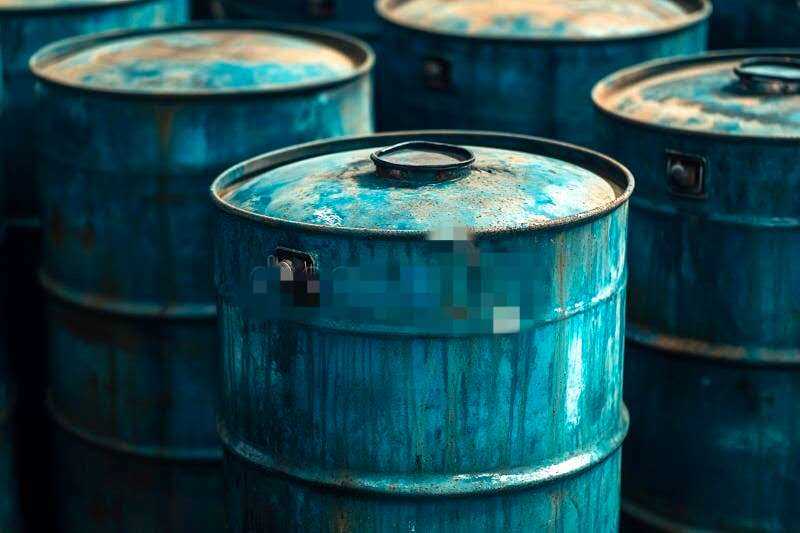
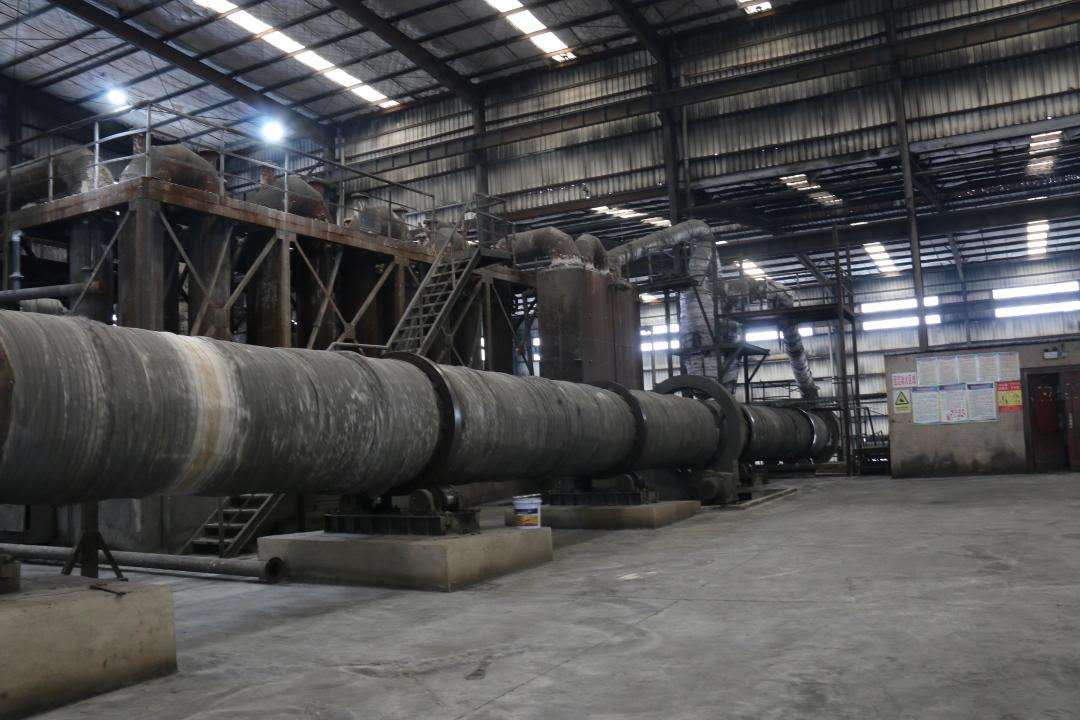
No verified completed-project claim or guaranteed recovery is attached to this page. Comparable evidence, if approved, will be identified during project evaluation. The process diagram is an engineering illustration, not a client-project photograph.
Frequently Asked Questions
Can different industrial wastes be blended?
Only after chemical compatibility, regulatory status, treatment need and receiver acceptance are verified.
Is the plant for hazardous waste?
Hazardous streams require explicit licensed scope and suitable technology; they are not included by default.
How is the treatment route selected?
From characterization, risk, recovery potential and the written acceptance criteria of the final destination.
What is stabilization?
A controlled treatment that reduces mobility or handling risk using a verified recipe; it does not automatically remove hazardous classification.
How is traceability maintained?
Source, batch, weight, analysis, treatment conditions, product or residue result and destination are linked in the record system.
Can waste become a product?
Only when applicable legal and buyer specifications are demonstrably met; product status is not assumed.
Are laboratory tests necessary?
Yes for variable or hazardous properties and to develop or validate treatment and acceptance criteria.
What data is needed first?
A source-by-source inventory, analyses, safety information, quantities, current routes, site and destination requirements.
Related Engineering Links
Waste Recycling & Resource Recovery Systems overview · Construction & Demolition Waste Recycling · E-waste Recycling · Projects & Cases · Request a Project Evaluation
Request a Project Evaluation
Provide quantity history, representative analyses or samples, contamination, site and utilities, target outputs, compliance limits and confirmed outlet constraints. Unknown information may remain TBC.
Preliminary Capacity & Technical Specification Range
| Typical configurable capacity | 1–500 t/day; final range depends on material class and selected physical, stabilization or thermal route |
|---|---|
| Feed basis | Chemical/physical analyses, SDS data, compatibility, calorific value, metals, halogens and hazardous properties |
| Typical outputs | Recovered materials, stabilized product or compliant controlled residue |
| Key utilities | Power, water, reagents, thermal energy and route-specific emission/effluent controls |
Required for quotation: representative photos and samples, minimum/normal/peak feed quantity, composition and contamination analysis, operating hours, desired products and sizes, local emission/discharge limits, utilities, plot plan and required automation.
Request a Project Evaluation
Share representative waste characterization, throughput range, required outputs, utilities, site constraints and compliance requirements.
Start the engineering evaluation