
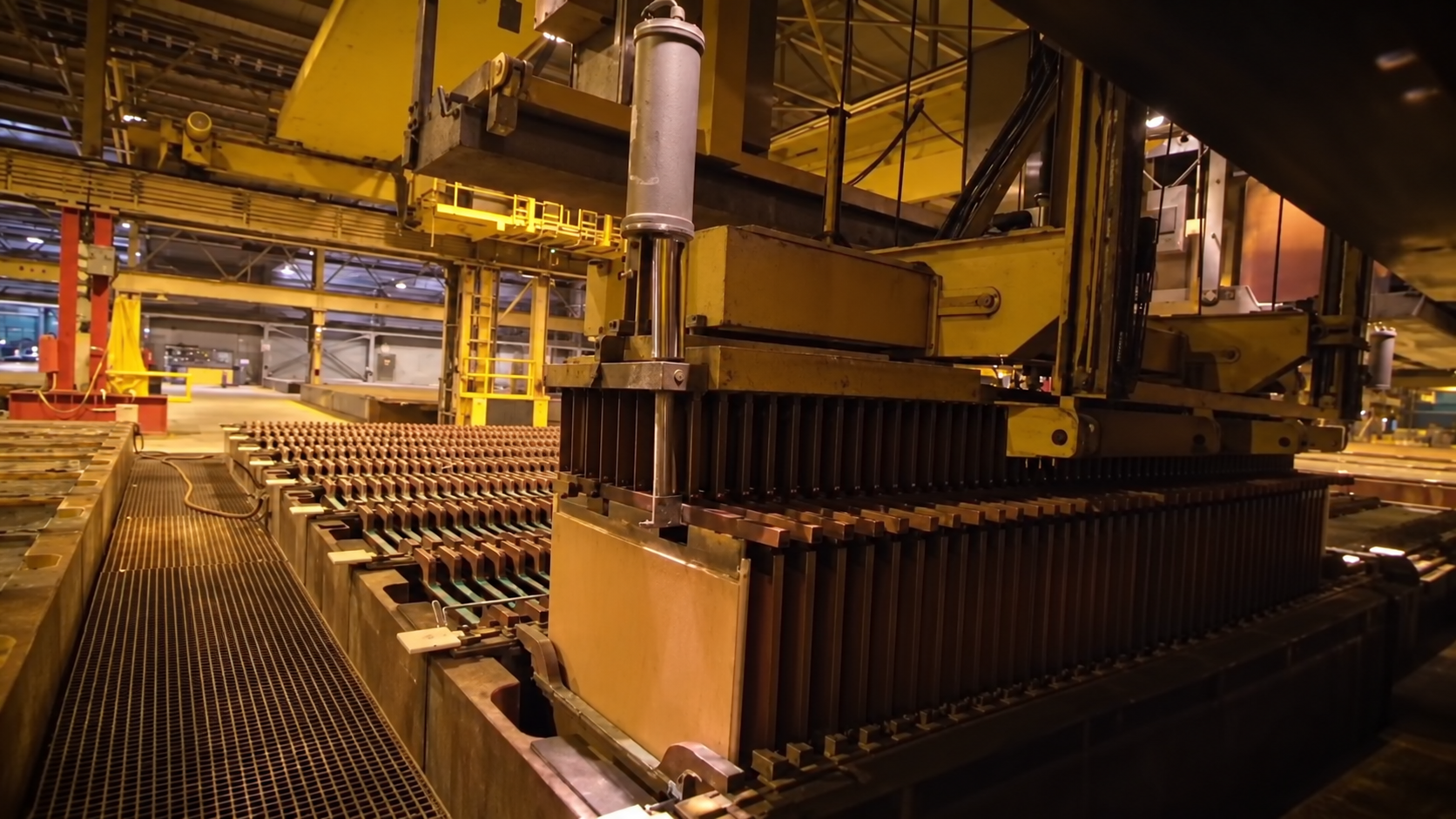
A dedicated copper electrorefining plant converts qualified copper anodes into specification cathode through controlled electrolyte circulation, direct-current power, cathode stripping and traceable quality inspection.
Capacity and Technical Parameters
Preliminary engineering selection range: Ranges below are for preliminary refinery configuration and do not represent a guaranteed recovery, purity or energy figure. Final guaranteed values require confirmed feed/product data, utility quality, operating schedule, site conditions and acceptance protocol.
| Parameter | Compact line | Standard plant | Large / parallel plant |
|---|---|---|---|
| Annual cathode capacity | 10–50 kt/year | 50–150 kt/year | 150–400+ kt/year |
| Typical current-density selection | 250–320 A/m² | 280–350 A/m² | 300–380 A/m² |
| Indicative cell-current range | 20–35 kA | 30–45 kA | 40–60+ kA |
| Product route | Starter-sheet or permanent-cathode | Permanent-cathode with mechanized stripping | Parallel tankhouses with automated handling |
| Automation | PLC + local HMI | SCADA + batch/quality tracking | Integrated plant control + warehouse/MES interface |
Process Configuration Flow
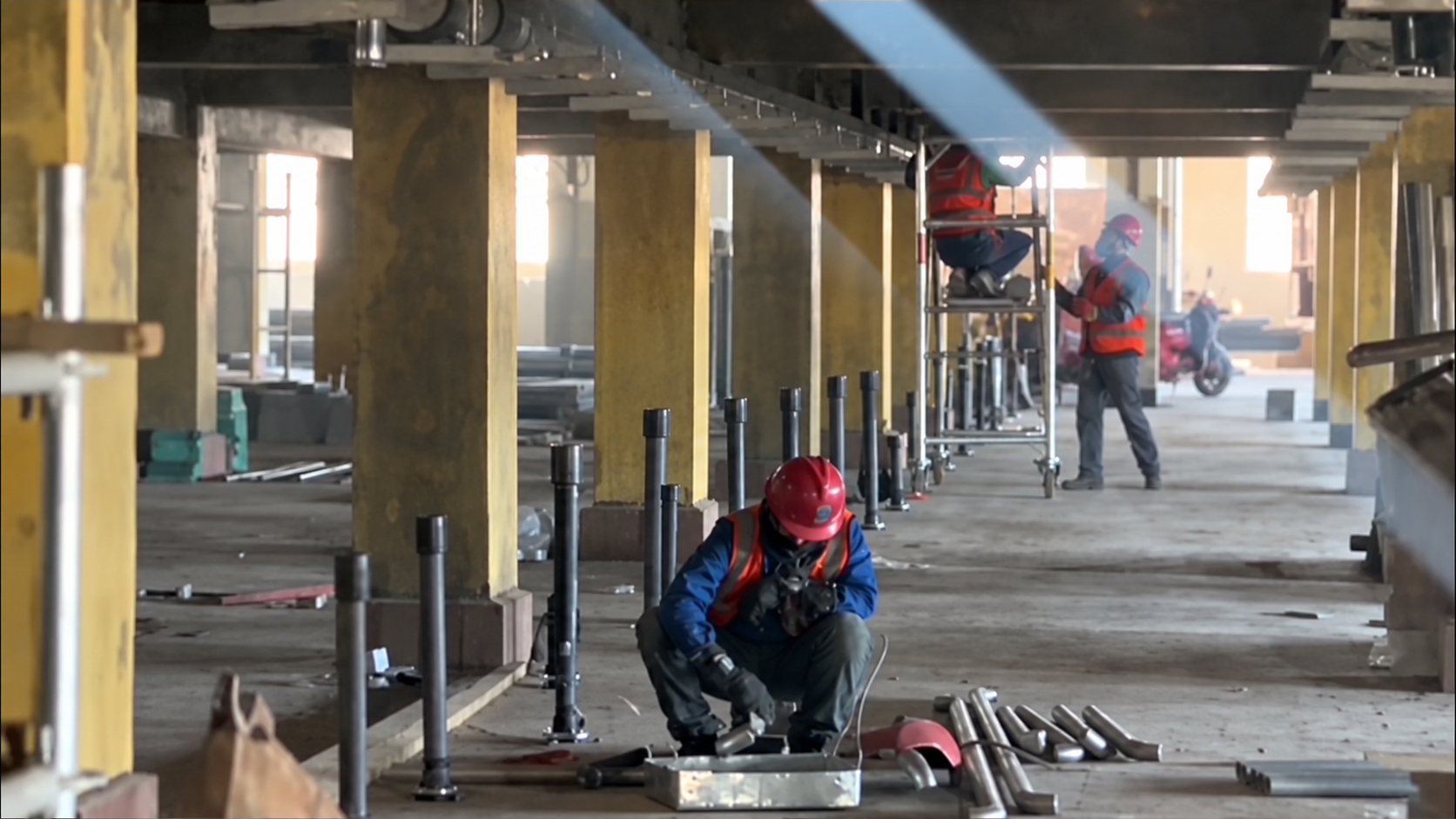
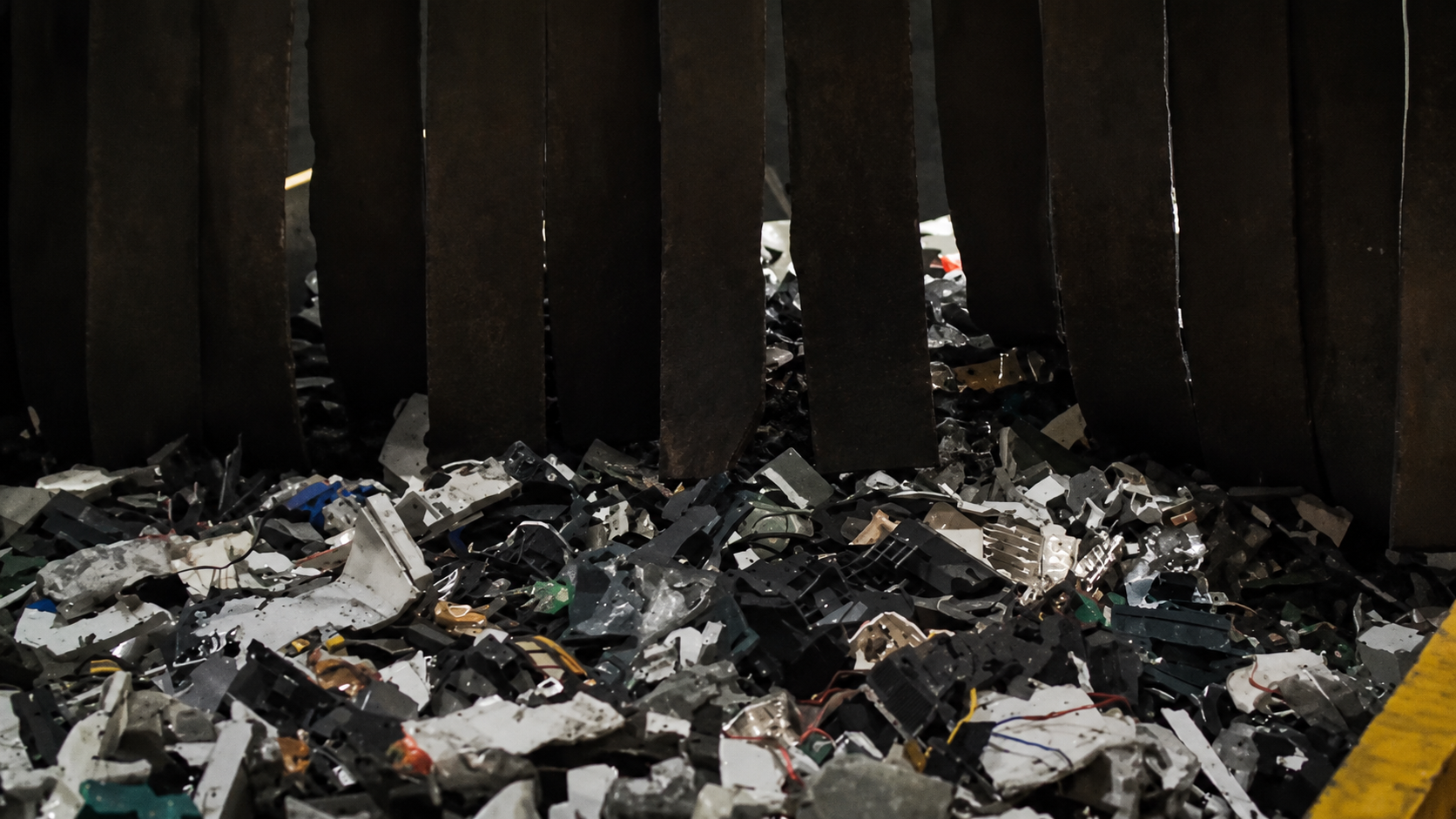
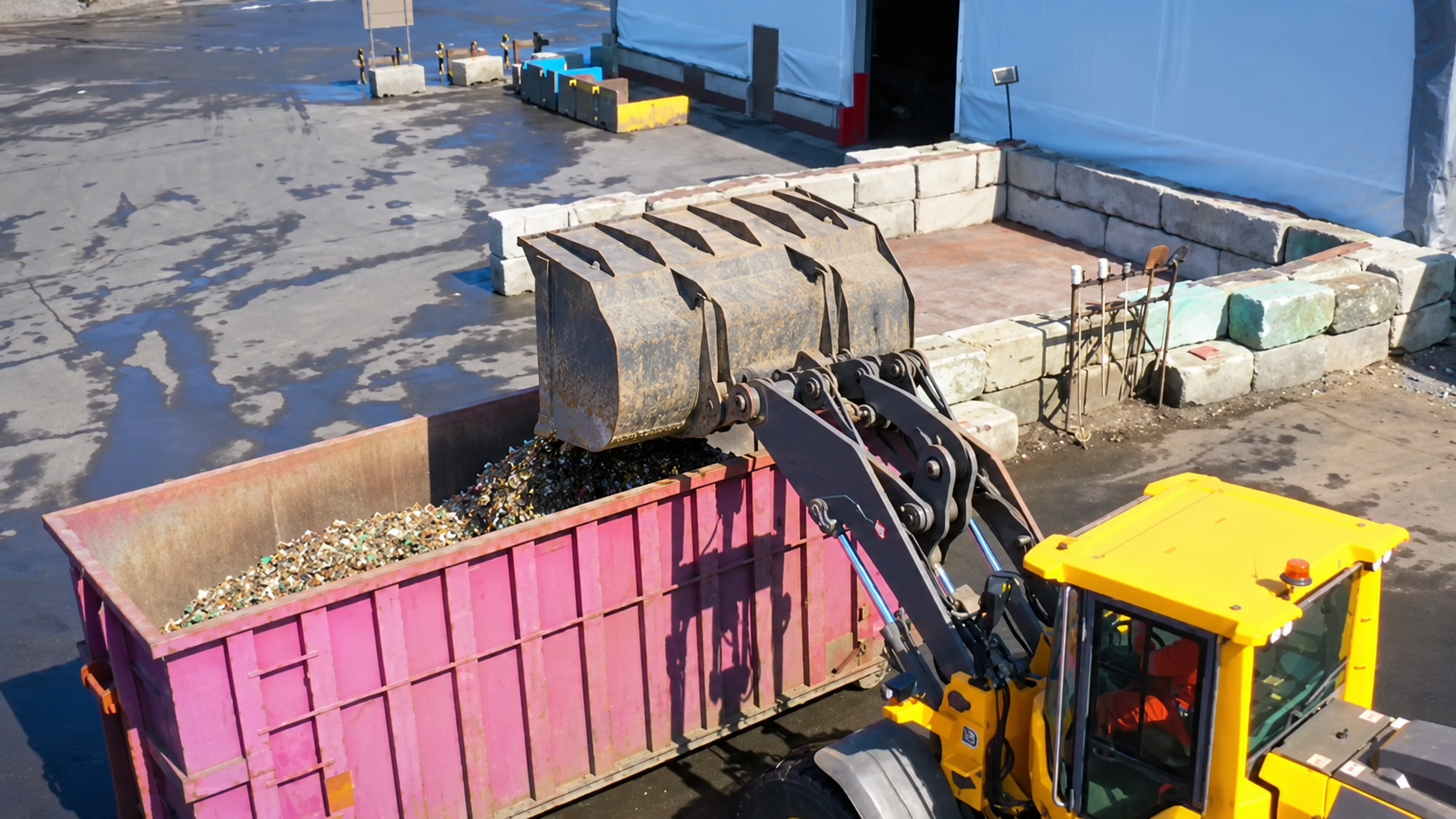
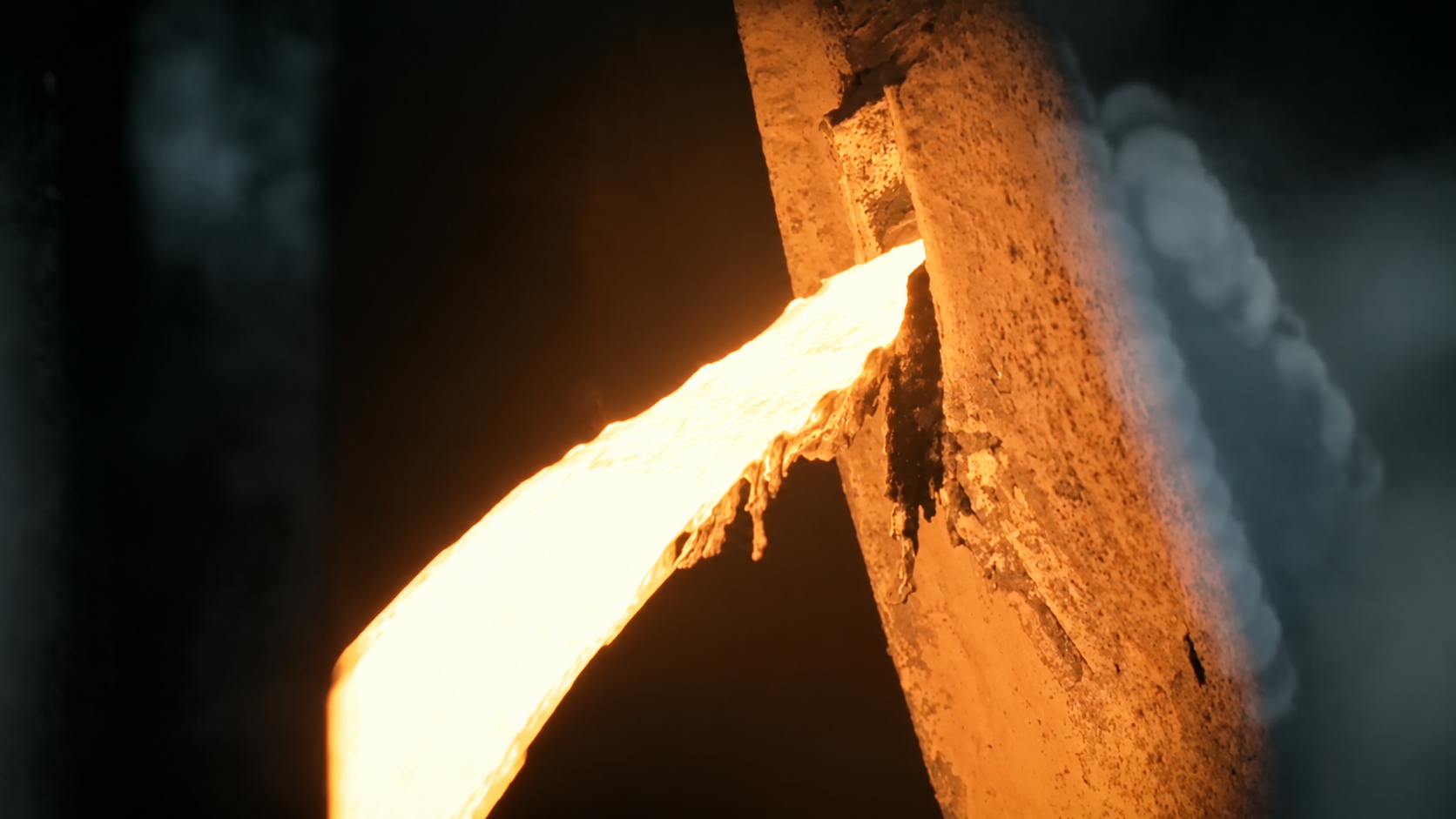
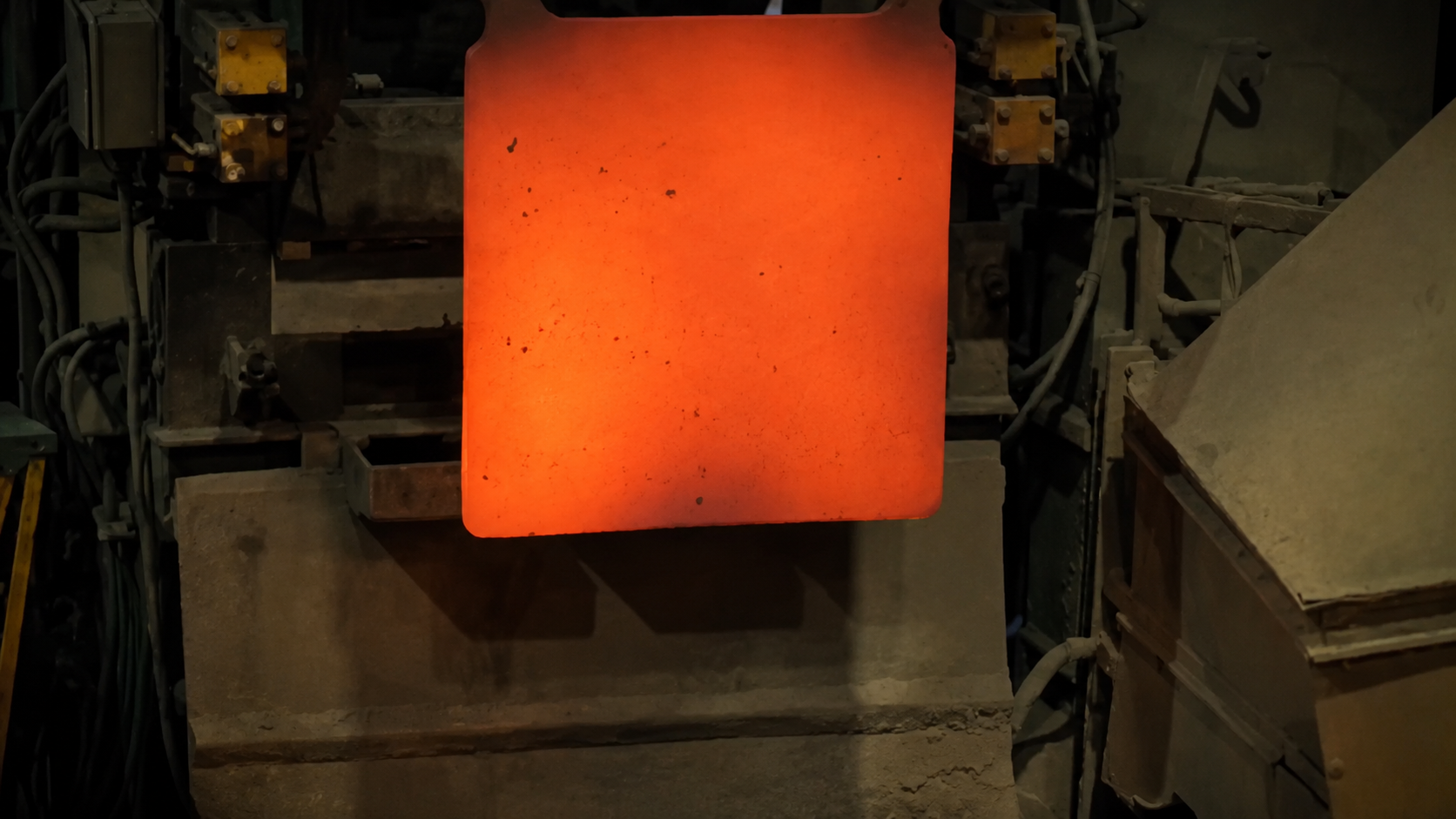
Factory Route Reference Images
Main Equipment and Systems
- Electrorefining cells and busbars
- Rectifier and transformer systems
- Electrolyte circulation, heating and filtration
- Anode preparation and cathode stripping
- Acid-mist capture and ventilation
- Slime collection and controlled handling
- Quality laboratory and traceability
- SMART warehouse and dispatch
Customer Engineering Inputs
Provide anode chemistry and dimensions, impurity profile, target cathode standard, annual operating hours, electrical supply, water analysis, climate, plot constraints, local regulations and the required EPC boundary.
Utilities and Environmental Interfaces
Engineering addresses acid mist, electrolyte containment, bleed treatment, sludge or anode-slime handling, ventilation, occupational exposure, water reuse, emergency retention and hazardous-material procedures.
Frequently Asked Questions
Is this page for copper only?
Yes. Recycled aluminum smelting and ingot casting is now a separate plant category with its own process, capacity ranges and utilities.
Can permanent cathode technology be included?
Yes, subject to the selected product standard, handling philosophy and licensed technology interfaces.
How is cathode capacity confirmed?
From cell count, current density, current efficiency, operating availability, cathode cycle and agreed design margins.
Can anode casting be included?
It can be included as an upstream interface or within the EPC boundary after feed and product scope are confirmed.
Are acid-mist controls included?
Ventilation and acid-mist capture are engineered with the tankhouse rather than added after layout freeze.
What defines acceptance?
Acceptance is tied to agreed feed, throughput, cathode specification, sampling, availability and performance-test methods.
Copper images are cleaned stills supplied for this website. No third-party factory name or watermark is presented as a China Bente project.