
A kaolin processing plant is configured around the actual ore, impurity profile, brightness and particle-size targets, product application, water balance and whether washed, dried or calcined kaolin is required.
Technical Parameter & Capacity Range
Preliminary engineering selection range: Dry-feed equivalent; brightness, particle-size distribution and impurity limits determine whether dry, wet or calcined processing is required. Final guaranteed values are issued only after feed/product data, utilities, site conditions and performance-test criteria are confirmed.
| Plant scale | Typical capacity range | Key technical envelope | Typical configuration |
|---|---|---|---|
| Compact | 2–10 t/h feed | Dry route or simple washing/classification | Single crusher/mill or hydrocyclone train |
| Standard | 10–40 t/h feed | Wet classification, magnetic separation and dewatering | Integrated slurry preparation, purification and drying |
| Large | 40–100+ t/h feed | Parallel classification/purification trains | Central water recovery; optional calcination and automated packing |
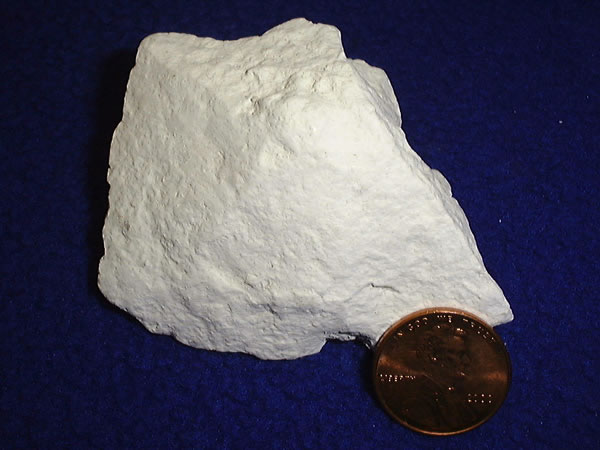
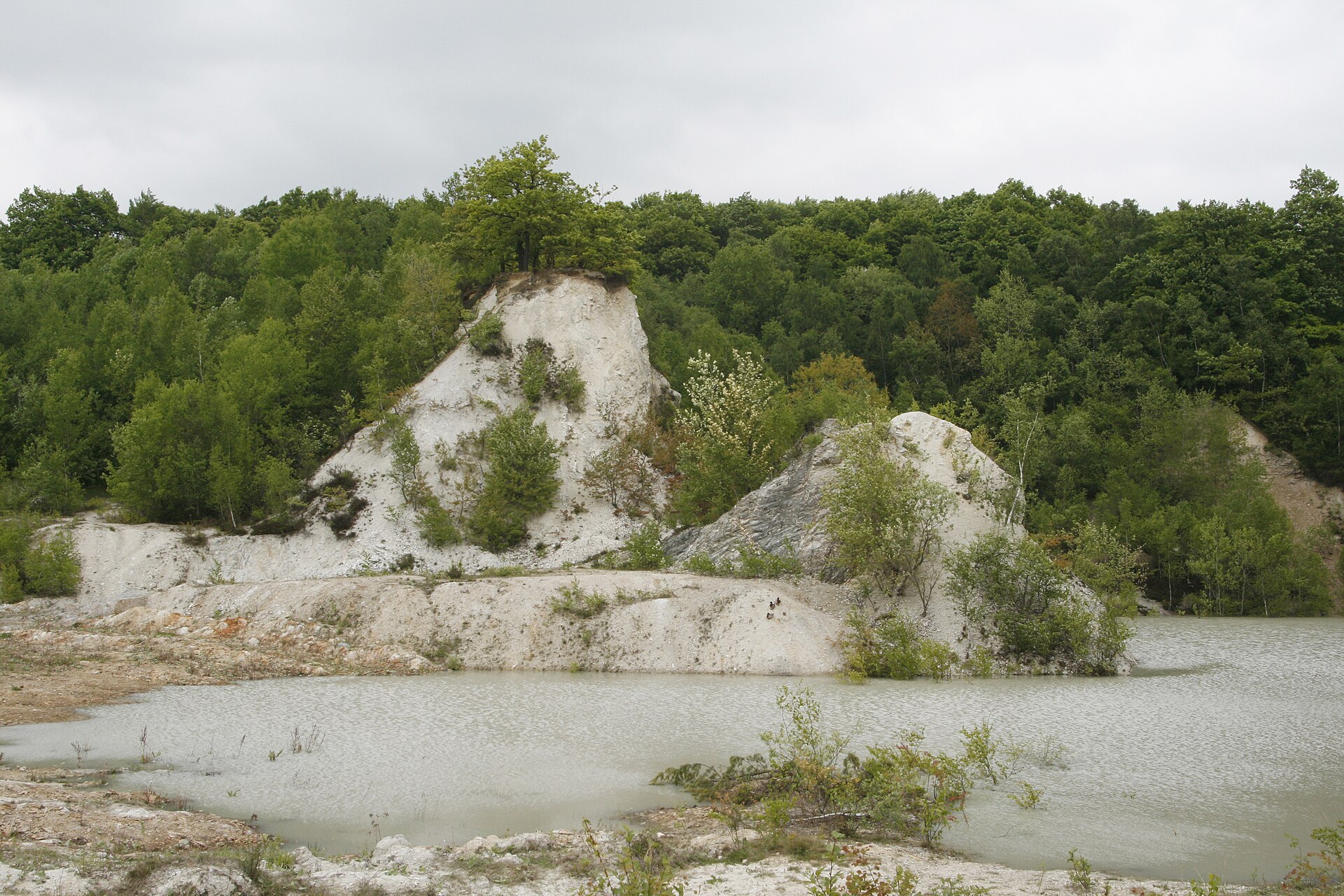
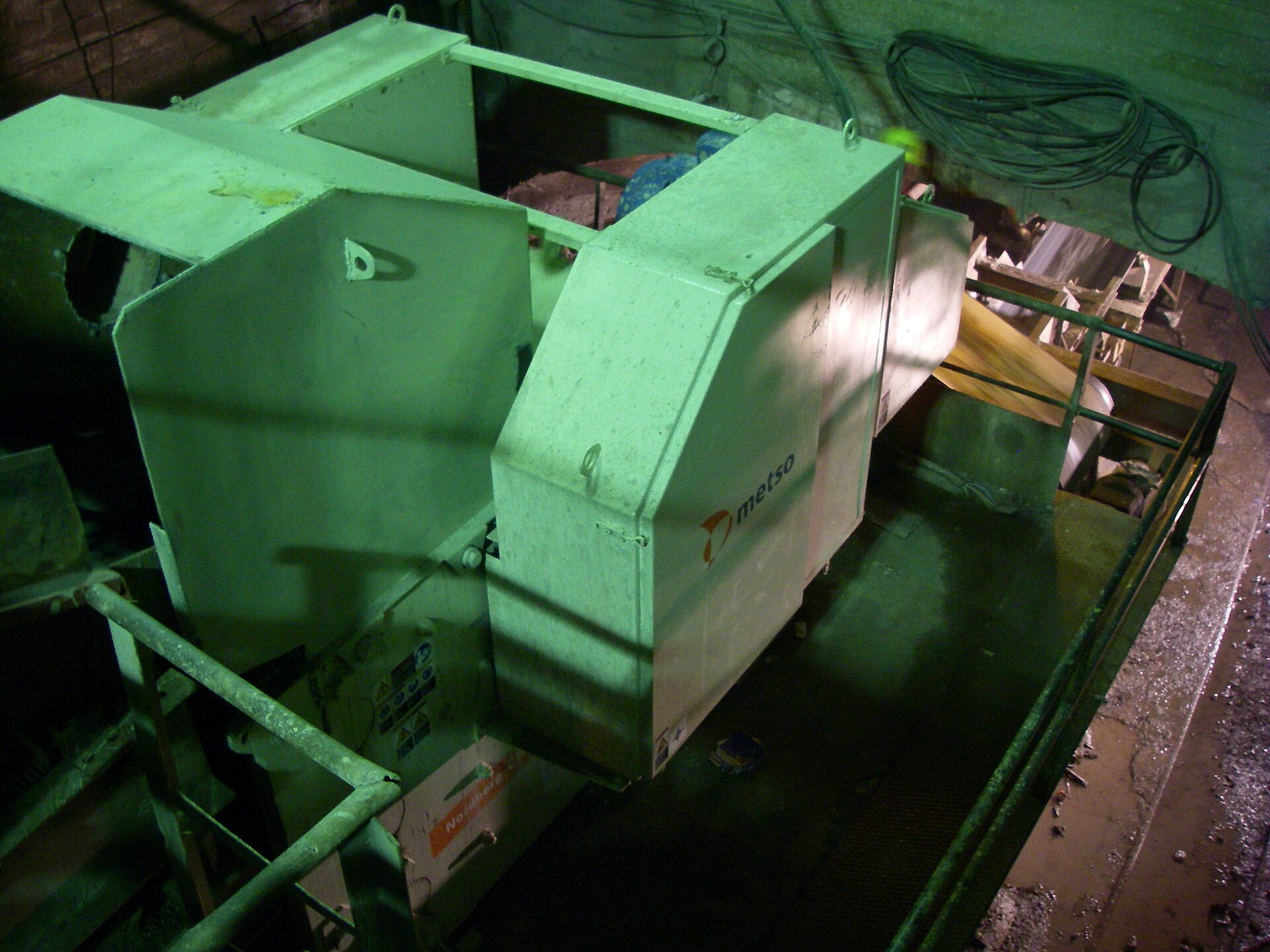
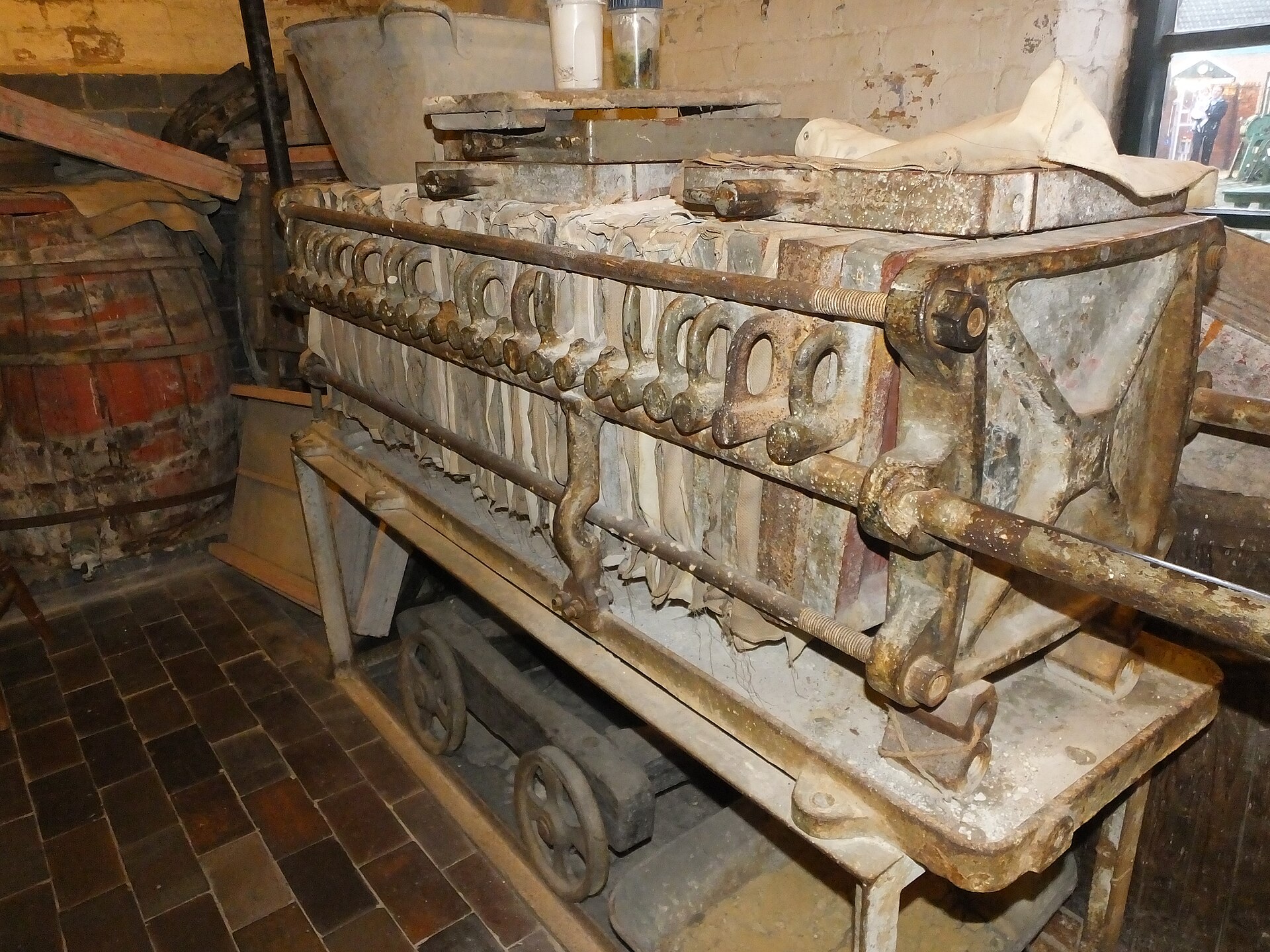
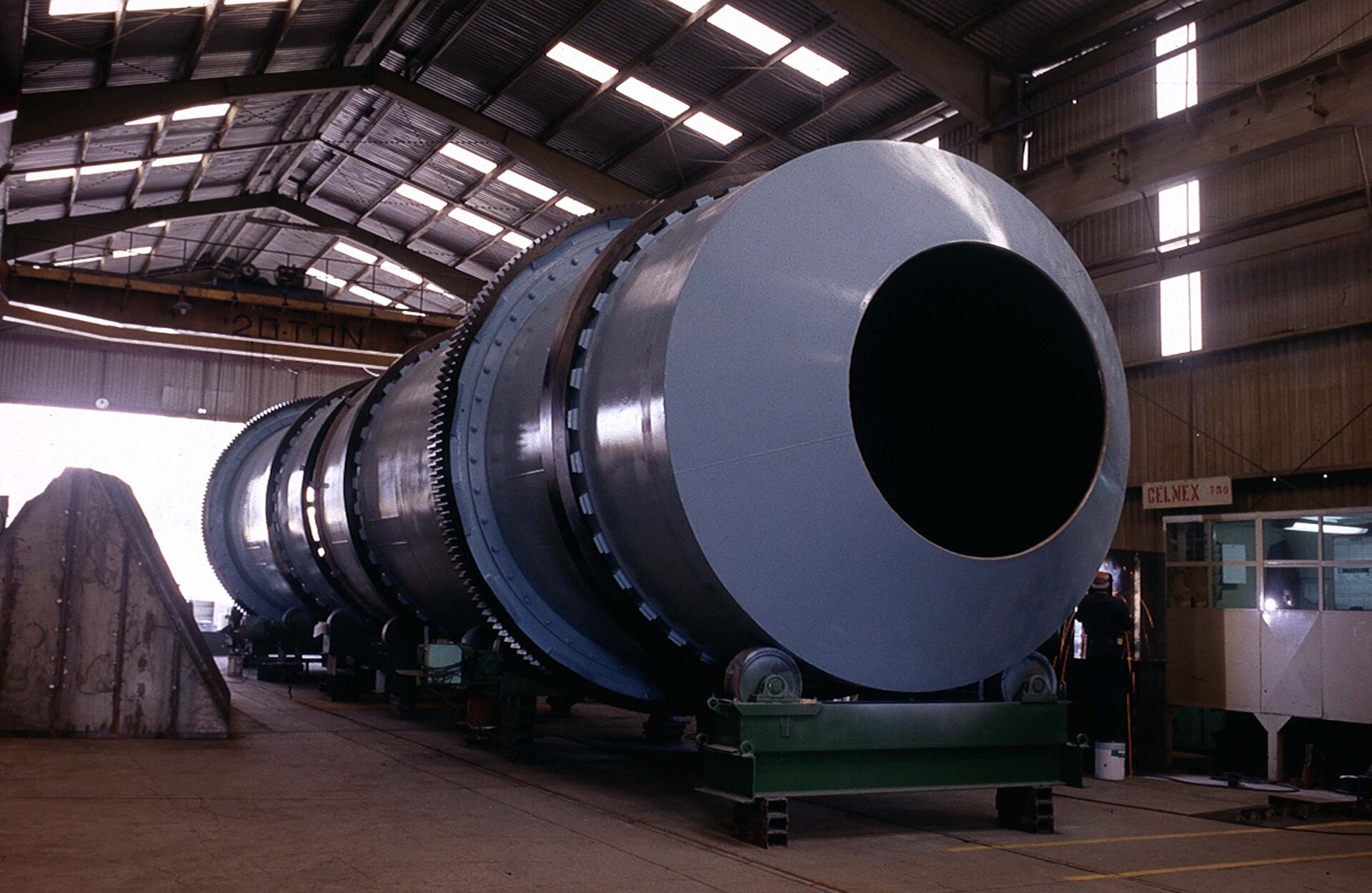
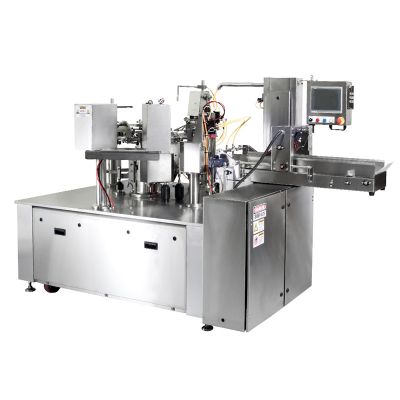
Kaolin ore and real equipment references
Process Route
Ore receiving → selective mining / blending → crushing or blunging → screening and degritting → classification → magnetic iron removal and other testwork-supported purification → thickening → filtration → drying / milling → calcination where required → product storage and packing.
Washing, degritting and particle classification are defined by testwork and shown here as process stages; the photographs document raw material and representative equipment and are not presented as one project site.
Main systems
- Raw-ore receiving, blending, crushing and feed preparation
- Blungers, screens, sand removal, hydrocyclones and classifiers
- Testwork-supported purification equipment
- Thickeners, filter presses, slurry and reclaim-water systems
- Dryers, mills, classifiers and dust collection
- Calcination only where the product route requires it
- Silos, weighing, bagging, laboratory, utilities and automation
- Tailings, wastewater and process-water recovery
Configurable Capacity and Product Specification
| Capacity basis | Project-specific dry ore t/h and finished product t/year, confirmed from mine schedule, testwork and operating hours |
|---|---|
| Product routes | Washed slurry, filter cake, dried powder or calcined kaolin where market and testwork require it |
| Key product parameters | Particle-size distribution, brightness/whiteness, moisture, residue, Fe/Ti impurities, rheology and application-specific performance |
| Plant arrangement | Pilot, modular single-line or centralized parallel-line configuration according to ore variability and market demand |
Raw-Material Testing and Process Selection
Representative drilling, mining and blended-feed samples are tested for mineralogy, particle liberation, quartz/grit, iron and titanium minerals, brightness response, dispersion, settling, filtration and drying behavior. The selected route may use dry preparation, wet washing/classification, magnetic separation, chemical or other qualified purification, but no operation is included without test support.
Water Reuse and Environmental Control
Thickener overflow and filter-press filtrate are returned through a closed process-water circuit where quality permits. Controlled bleed treatment manages dissolved salts and fine solids. Enclosed transfer, local extraction, bag filters and housekeeping control dry-product dust; tailings and wastewater outlets are defined by characterization and local requirements.
Utilities, Customer Inputs and Acceptance
Engineering inputs include ore samples, mine plan and variability, target products and applications, annual production, operating schedule, site survey, water, power, fuel or steam, compressed air and local environmental limits. Acceptance covers the agreed feed envelope, throughput, recovery or yield basis, product test methods, water balance, utility boundary, continuous operating period and tailings/residue management.
Frequently asked questions
Is every kaolin ore processed by the same flowsheet?
No. Mineralogy, grit, iron and titanium impurities, brightness and product use determine the route.
When is wet processing used?
Wet processing may be selected for dispersion, degritting, classification and impurity removal when supported by testing.
Is magnetic separation always required?
No. It is selected according to the impurity form and test results.
When is calcination included?
Only when the required product specification and market application need a calcined product.
Can filter presses and drying be integrated?
Yes, based on slurry characteristics, moisture targets, energy source and product handling needs.
How is process water managed?
Clarification, thickening, reclaim-water storage and controlled bleed treatment are defined through the water balance.
Can automatic packing be supplied?
Yes, for the confirmed powder properties, bag sizes, dust-control requirements and dispatch method.
What data is needed for engineering?
Provide representative ore samples, mineralogy, impurities, target products, throughput, site utilities and applicable standards.