
Slaughterhouse By-products: Separate Product Routes
Process Flow
Equipment / System Architecture
Classify the By-product Before Selecting the Line
Slaughterhouse recovery is not one mixed-waste process. Source-separated meat and bone, blood, feathers, fat and manure have different treatment requirements and finished products. Eligibility for feed use must be established for the material, animal species and destination market before equipment is selected.
| Raw-material category | Dedicated processing route | Finished product / destination |
|---|---|---|
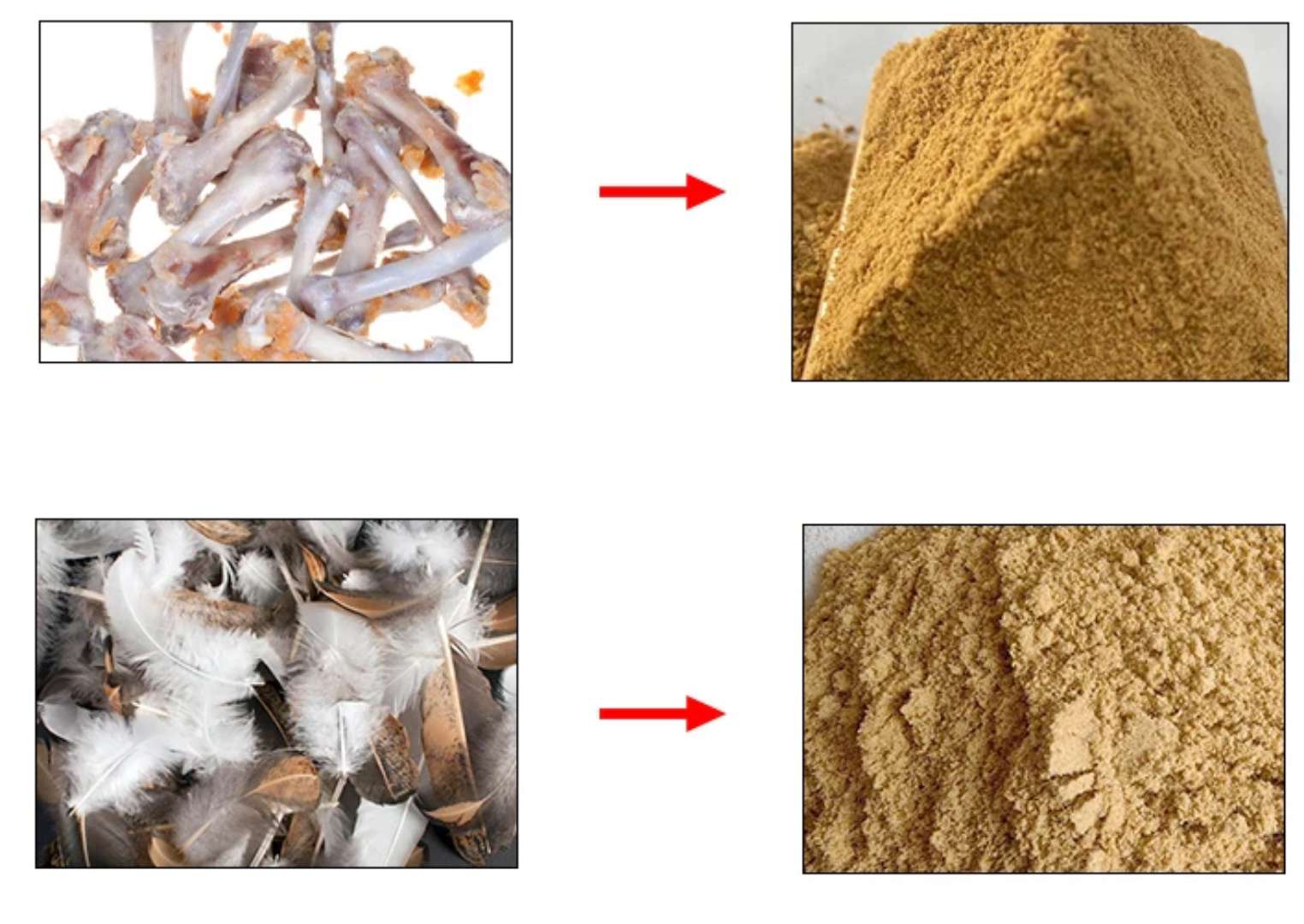
| Eligible meat trimmings, offal and bone-containing by-products | Inspection, size reduction, validated cooking, fat separation, drying and milling | Meat-and-bone meal or poultry by-product meal; separately recovered fat |
| Separately collected eligible blood | Closed collection, suitable coagulation / concentration, controlled drying, milling and cooling | Blood meal |
| Separately collected poultry feathers | Foreign-material removal, controlled hydrolysis, drying and milling | Hydrolyzed feather meal |
| Separately recovered animal fat | Melting / separation, clarification, moisture control and storage | Rendered fat for an authorized feed or technical use |
| Manure and gut contents collected separately | Screening, moisture / bulking adjustment, controlled composting and curing; optional product finishing | Tested compost or organic fertilizer; a separately designed biogas route is another option |
| Wastewater-treatment sludge | Characterization, conditioning, dewatering and source-specific stabilization / treatment | Controlled solids and liquid streams; excluded from the feed-ingredient line |
| Excluded or unidentified animal material | Quarantine and authorized classification / treatment | Approved non-feed recovery or disposal route; not automatically eligible for rendering into feed |
1. Meat & Bone to Protein Meal
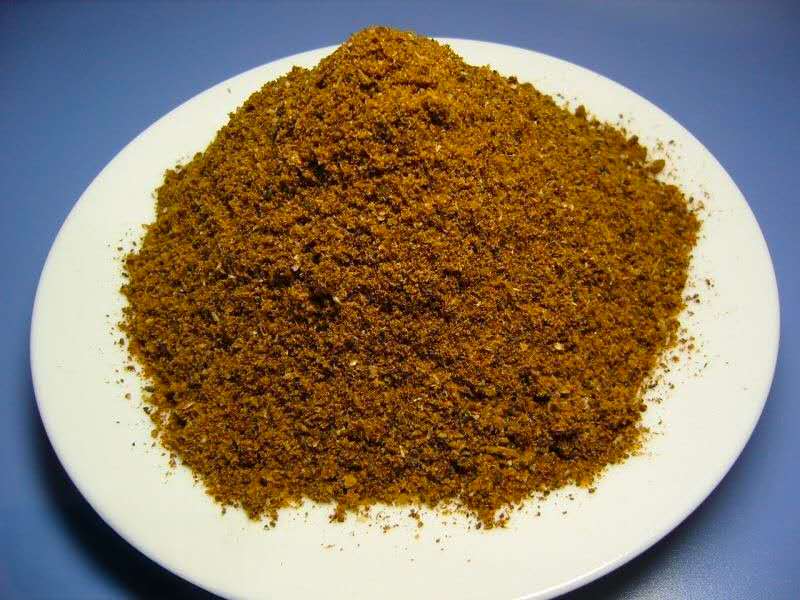
Keep eligible meat-and-bone material separate from manure, cleaning chemicals, packaging and wastewater sludge. The process may include receiving, crushing, hygienic cooking, pressing or decanting, fat separation, drying, cooling and milling. The output is a tested meal, not an unspecified mixed waste powder.
2. Blood to Blood Meal
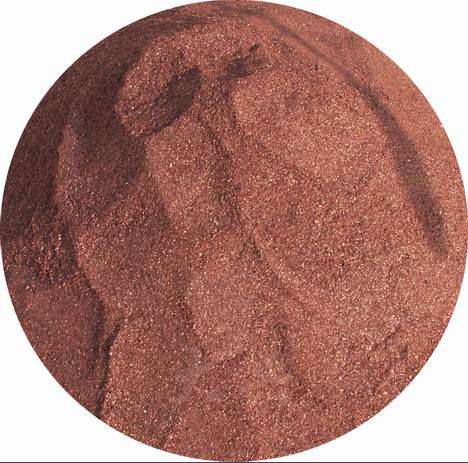
Collect blood separately in contained, cleanable equipment. Select concentration and drying equipment for the incoming moisture, handling time and required protein quality. Control drying to avoid unnecessary damage to the product. Confirm moisture, protein, microbiological quality and the agreed product specification before dispatch.
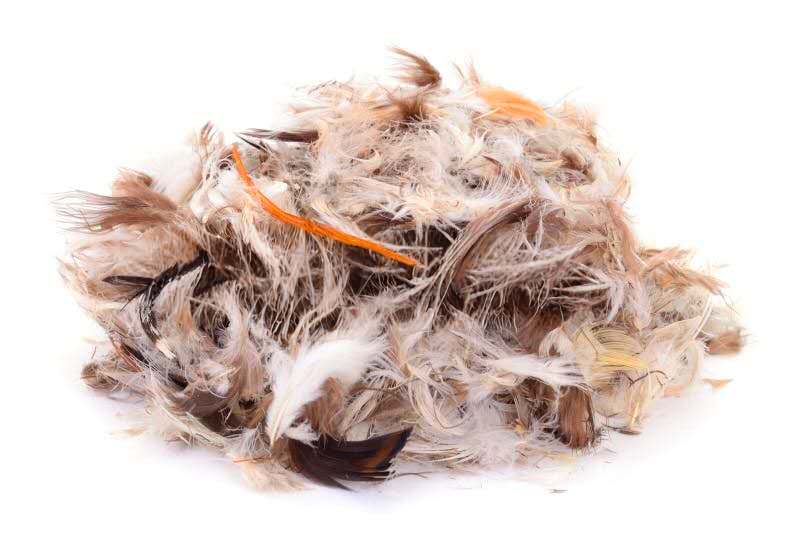
3. Feathers to Hydrolyzed Feather Meal
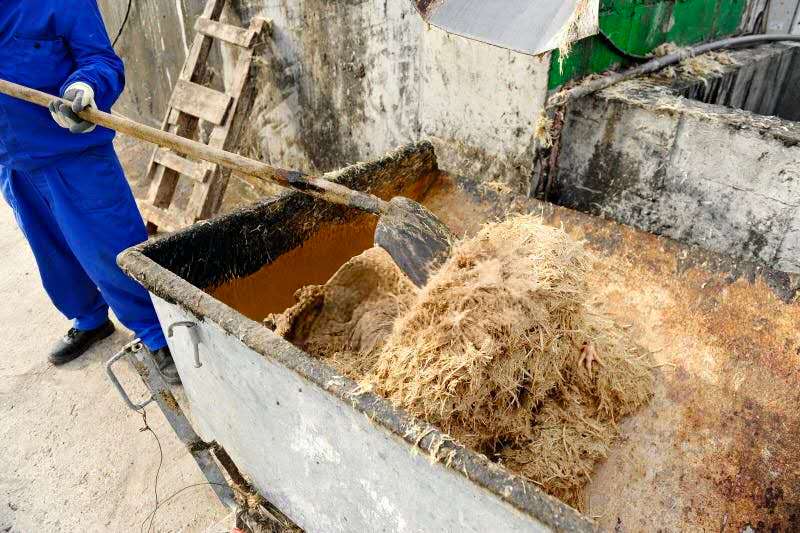
Raw feathers require a dedicated preparation and hydrolysis route; simple shredding or drying alone is not equivalent to producing hydrolyzed feather meal. Control the hydrolysis and drying duty for the verified feed, and assess digestibility and product quality by agreed tests.
4. Separated Fat Recovery
Recover fat separately from the meal stream using the selected pressing, decanting or clarification system. Manage water, solids, oxidation and storage temperature against the agreed product requirement. Do not describe fat as an animal-feed product until its source and permitted use are confirmed.
5. Manure to Compost / Organic Fertilizer
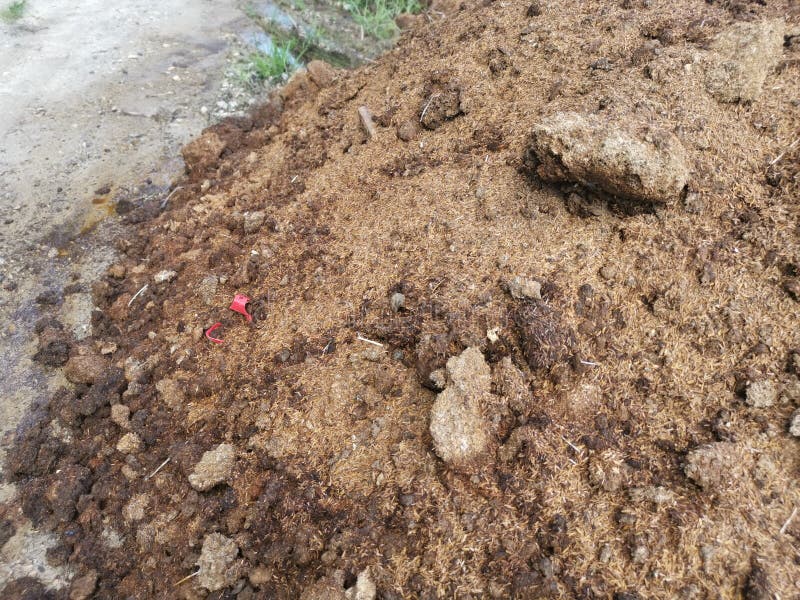
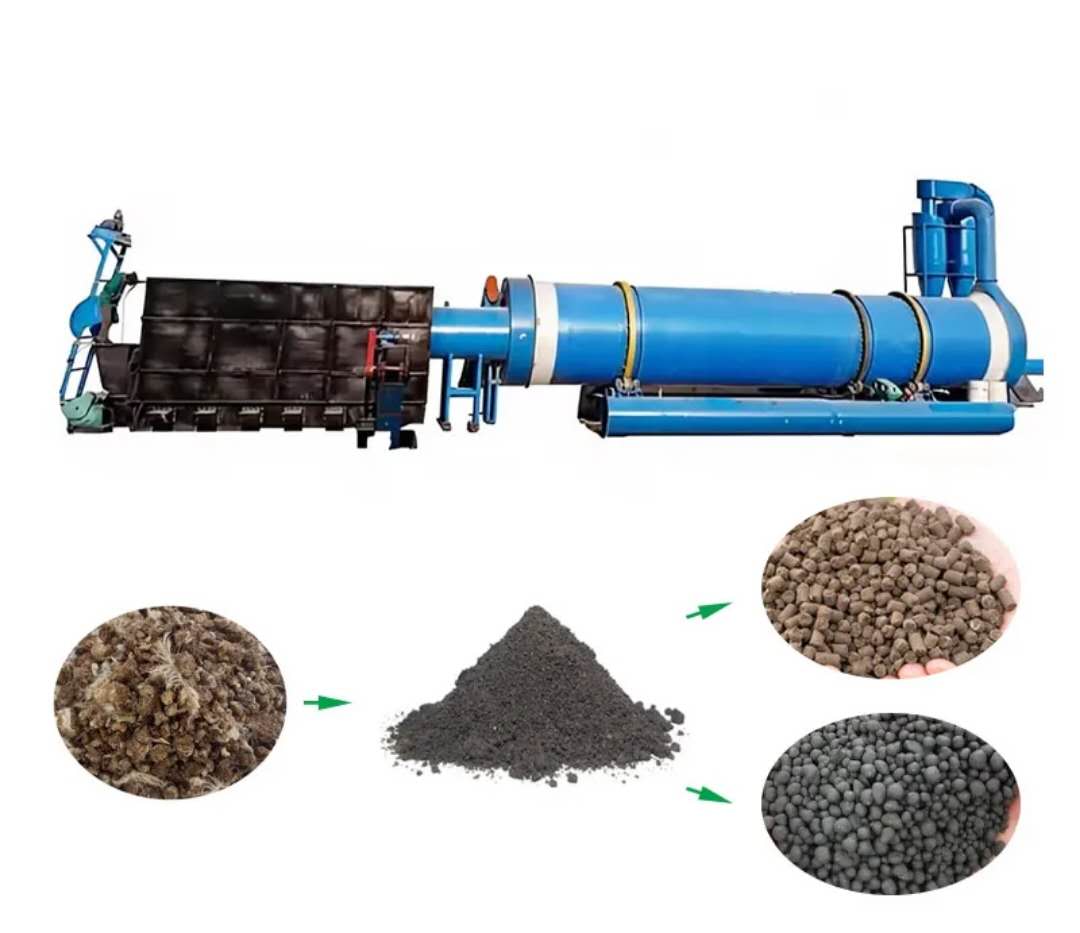
Manure and gut contents do not enter the meat, blood or feather meal line. After impurity removal, adjust the mixture and moisture for a controlled composting process. Curing and product testing precede screening, optional granulation, drying / cooling where needed and packing. A dryer or granulator alone does not establish compost maturity or hygienic safety.
Anaerobic digestion is an alternative separately engineered route, with gas handling and digestate management. See Biogas & Biomethane and Organic Fertilizer.
6. Wastewater & Sludge: Separate Environmental Systems
Process water, cleaning water and rendering condensate require collection and treatment suited to their oil, solids and organic loading. Sludge from wastewater treatment is characterized separately and is not mixed into feed ingredients. Odor extraction, condensate handling, cleaning drainage and product-area separation are integrated with the selected line.
View Organic Sludge & Slurry TreatmentNumbered Engineering Workflow
- List each incoming material separately by species, origin, legal category, quantity and storage condition.
- Confirm the intended product and permitted market for each material.
- Sample the feed and define moisture, fat, protein, ash, contaminants and hygiene requirements.
- Select separate meat/bone, blood, feather, fat and manure process duties and material balances.
- Design equipment, containment, utilities, odor control, wastewater treatment and safe maintenance access.
- Commission against agreed process controls, product tests, traceability and acceptance criteria.
Main Equipment and Plant Interfaces
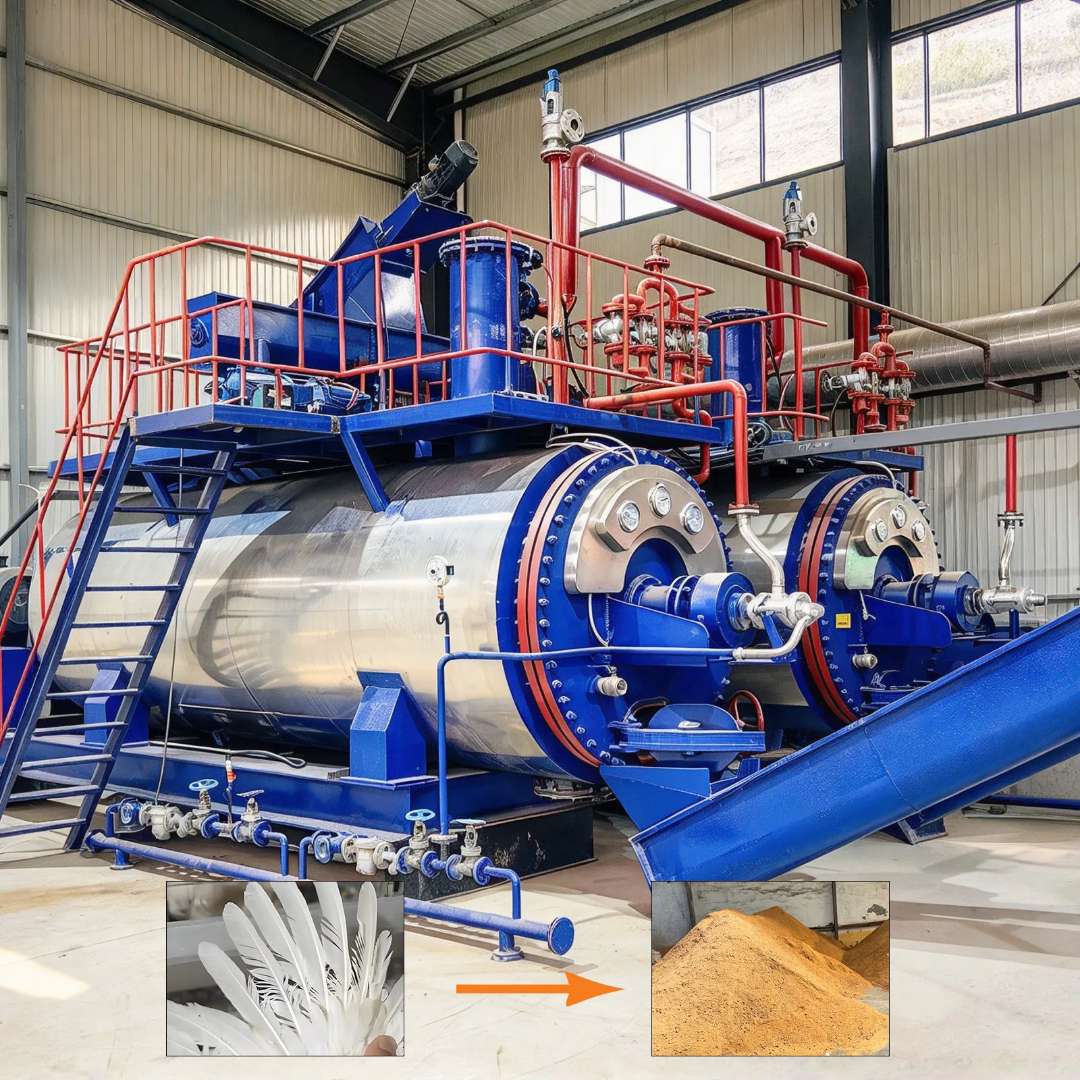
Separate receiving bins or tanks, conveyors / pumps, inspection and size reduction, cooking vessels, feather hydrolysis equipment where required, presses or decanters, fat clarification, route-specific dryers, coolers, mills, screens and packing. Integrate steam or heat supply, pressure protection, cleanable surfaces, dirty/clean area separation, odor collection and wastewater / condensate handling. Not every product uses the same cooker or dryer.
Buyer Checklist for a Technical Proposal
- Species and source of meat/bone, blood, feathers, fat and manure, quantified separately.
- Normal / peak quantities, delivery pattern, maximum holding time and available storage.
- Representative moisture, protein, fat, ash, contamination and safety analyses.
- Required meal grade, particle size, moisture, packaging and authorized destination.
- Site layout, power, steam / fuel, water, drainage and odor / discharge requirements.
- Cleaning, traceability, operating staffing, laboratory testing and maintenance needs.
Frequently Asked Questions
Can all slaughterhouse waste be processed together?
No. Meat/bone, blood, feathers, fat, manure and wastewater sludge must be classified and separated before a process route is selected.
What are the main recovered products?
Possible products include meat-and-bone meal, blood meal, hydrolyzed feather meal and rendered fat from eligible material, plus compost or organic fertilizer from a separately controlled manure route.
Can manure or wastewater sludge be put into the protein-meal line?
No. This engineering scope keeps manure and wastewater sludge outside the feed-ingredient line. They require their own treatment and permitted output routes.
Is a standard shredder sufficient for feather meal?
No. Feather meal requires a selected hydrolysis and finishing process. Size reduction alone does not establish digestibility, hygiene or product acceptance.
Do the photographs guarantee capacity or feed approval?
No. The supplied images show material, equipment and product references. Capacity, treatment validation, product specifications and permitted use are confirmed for the actual project.
Request a Project Evaluation
Share representative waste characterization, throughput range, required outputs, utilities, site constraints and compliance requirements.
Start the engineering evaluation