Electrical boundary & PCC
Define the point of common coupling, utility interface, isolation devices and the loads and generators inside the microgrid.
 CHINA BENTEINDUSTRY GROUP
Industrial microgrid and energy-management engineering integrating utility, generation, BESS, critical loads, protection, controls and operating modes.
COORDINATE · ISLAND · RESTORE
Connect generation, storage and selected industrial loads inside a defined electrical boundary. The microgrid controller coordinates local assets, utility exchange, protection and mode transitions; the EMS schedules energy and records operating performance.
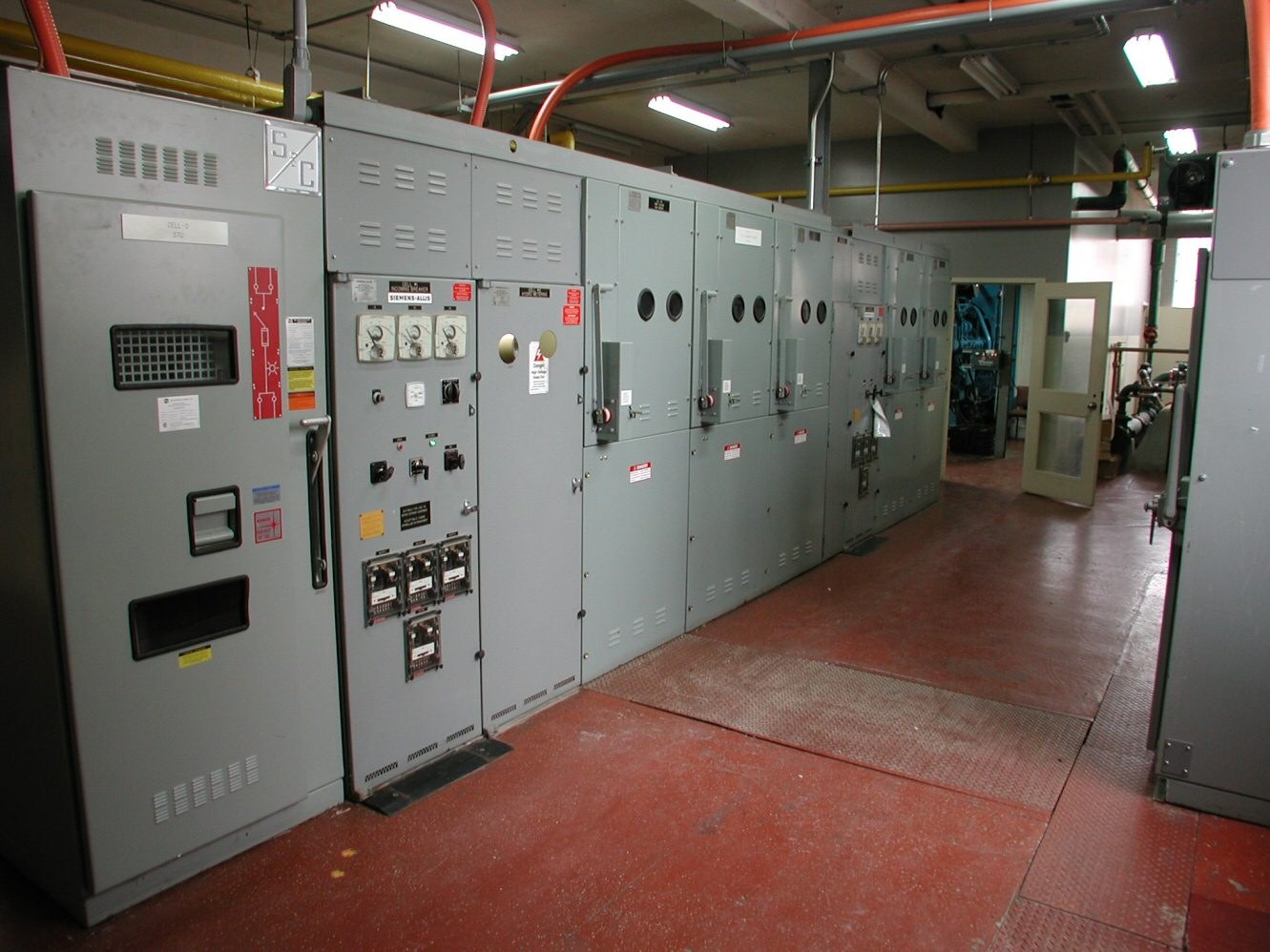
Define the point of common coupling, utility interface, isolation devices and the loads and generators inside the microgrid.
Separate essential, interruptible and deferrable loads; coordinate motor starts and staged load shedding with available generation.
Select grid-forming capability and coordinated voltage/frequency control, protection and synchronization. Validate transitions against process tolerance.
Implement dispatch schedules, setpoints, alarms, historian, operator permissions and controlled remote access with a documented control hierarchy.
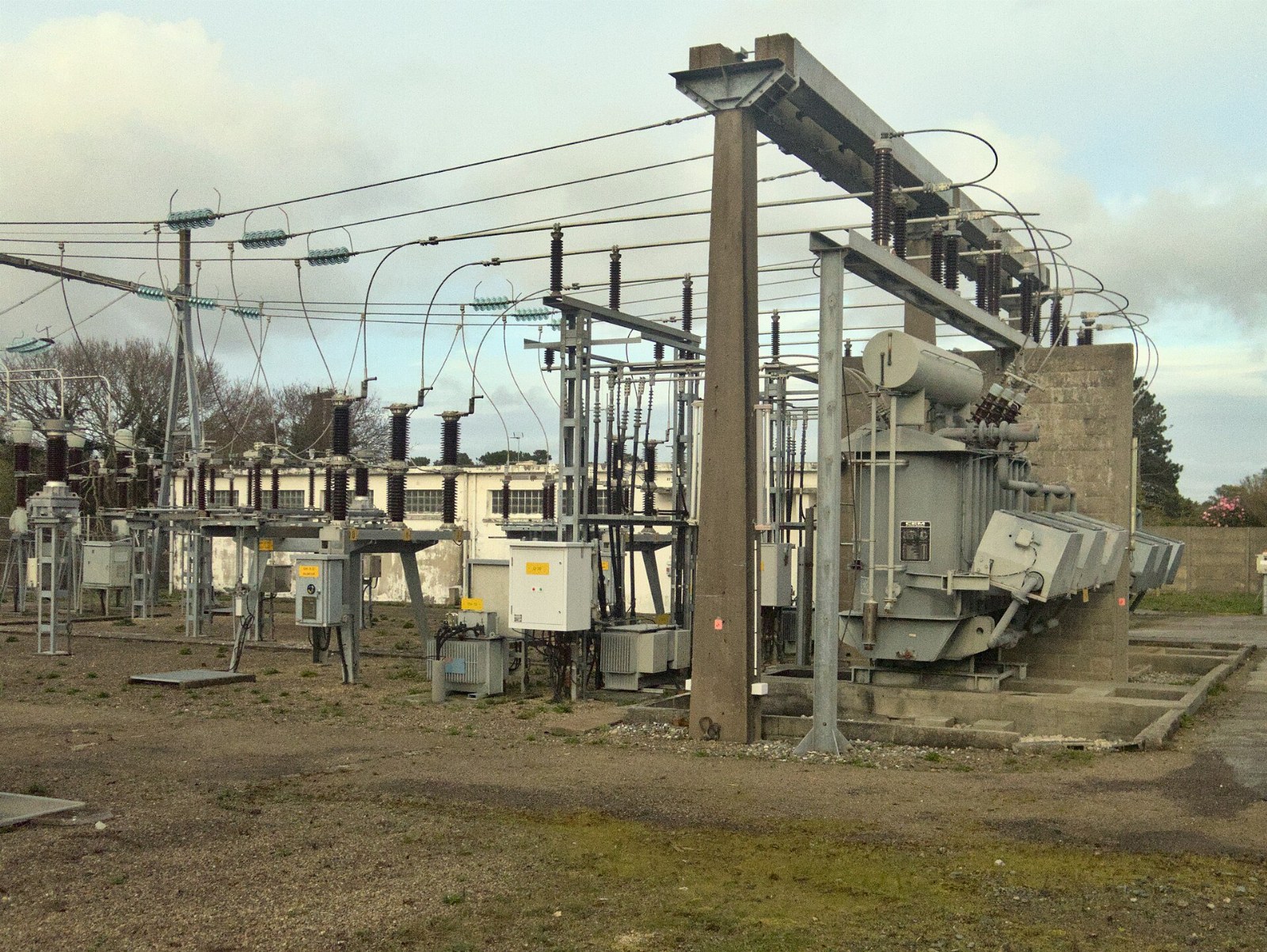
Utility / PCCIsolation relayMicrogrid busPV / BESS / gensetPriority loadsController / EMSDefined PCC + grid-forming source + coordinated protection required
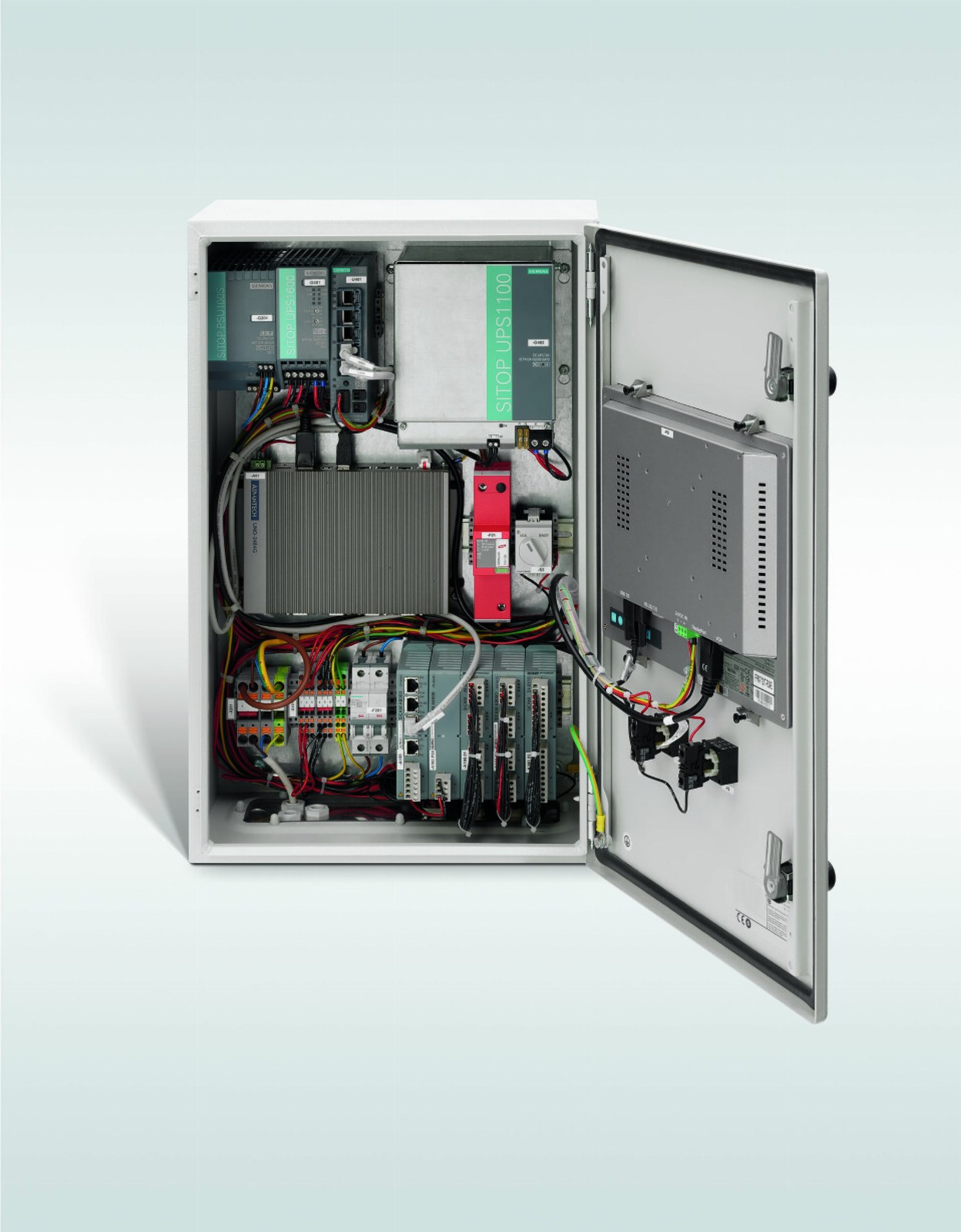
PCC switchgear and protection relays; meters; microgrid controller; EMS/SCADA; industrial networks and time synchronization; compatible PV, storage and generators; transformers; critical-load boards and load-shedding devices; secure remote-access equipment where approved.
Ratings and acceptance values are fixed in the project specification after the site and operating data are reviewed.
| Design parameter | Unit / basis | Engineering scope |
|---|---|---|
| Demand and starts | kW; kVA; inrush profile | Identify continuous demand, motor starting and priority loads. |
| Network boundary | V; Hz; fault level | Define PCC, buses, transformer connections and earthing arrangements. |
| Reserve & autonomy | kW; kWh; hours | Balance available generation, energy reserve and load shedding in each mode. |
| Transition requirement | Permitted interruption time | Define process tolerance; continuity or UPS duty requires a suitable architecture. |
| Control hierarchy | Signals; setpoints; response | Assign authority to local controls, microgrid controller and EMS. |
| Protection settings | Grid-connected / islanded | Study fault levels and selectivity in both operating modes. |
| Communications | Protocols; latency; availability | Verify interfaces, time synchronization and safe fallback on link failure. |
| Security & maintenance | Roles; logging; backup | Agree segmentation, access, patching, restoration and support responsibilities. |
Illustrative autonomy calculation: 800 kWh of usable energy at the load boundary supports a constant 200 kW essential load for about 4 hours before additional reserve or changing loads are considered. This does not demonstrate motor-starting capability, stable islanding or seamless transfer.
Existing single-line diagrams and relay settings; generator/PCS interfaces; interval loads and motor starts; outage scenarios; critical-load hierarchy; grid agreement; site network architecture; cybersecurity policy and maintenance capabilities.
Cost depends on switchgear changes, protection studies, control interfaces, communication upgrades and the extent of islanding duty. Maintain software, controller backups, relay settings, cybersecurity and periodic transition tests throughout operation.
Approved control narrative, protection study, I/O and interface matrix; FAT/SAT records; functional tests for dispatch, interlocks, alarms, communications loss and load shedding. Test islanding, synchronization, reconnection and black start only where each function is included.
A microgrid has a defined electrical boundary with coordinated loads and distributed energy resources. It is engineered to operate in its specified grid-connected and islanded modes with appropriate controls and protection.
No. EMS schedules and optimizes energy. Islanding also needs electrical separation, grid-forming capability, adequate energy/power reserve, protection and stable local control.
Not automatically. Define the permitted interruption and process sensitivity first. Seamless transfer or UPS duty requires a suitable electrical architecture and verified transition performance.
They can be evaluated after checking control interfaces, available capacity, protection, communication protocols, vendor support and safe change windows.
Rank loads by safety, process consequence and restart needs, then quantify running power, motor starts and autonomy. Define staged shedding and restoration priorities.
Each asset needs an agreed local fallback, limits and interlocks. The control design specifies behavior on stale meter data, lost links, controller failure and restoration.
No. Black start is a separate function for energizing a de-energized network. It requires a suitable source, startup sequence, auxiliaries and dedicated testing if included.
Test the agreed dispatch modes, PCC interlocks, protection, load shedding and fail-safe states. Where specified, also demonstrate islanding, stable operation, synchronization, reconnection and black start.
Share the site, load, grid interface and operating objective so the system can be engineered as a coordinated scope.