
Biogas Plant and Processing Equipment
Process Flow
Equipment / System Architecture
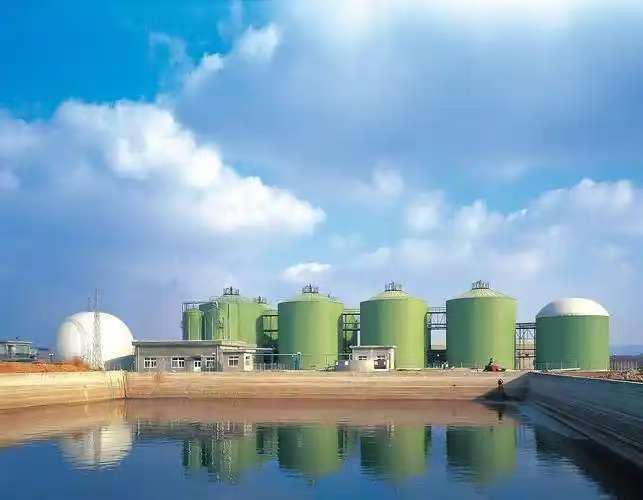
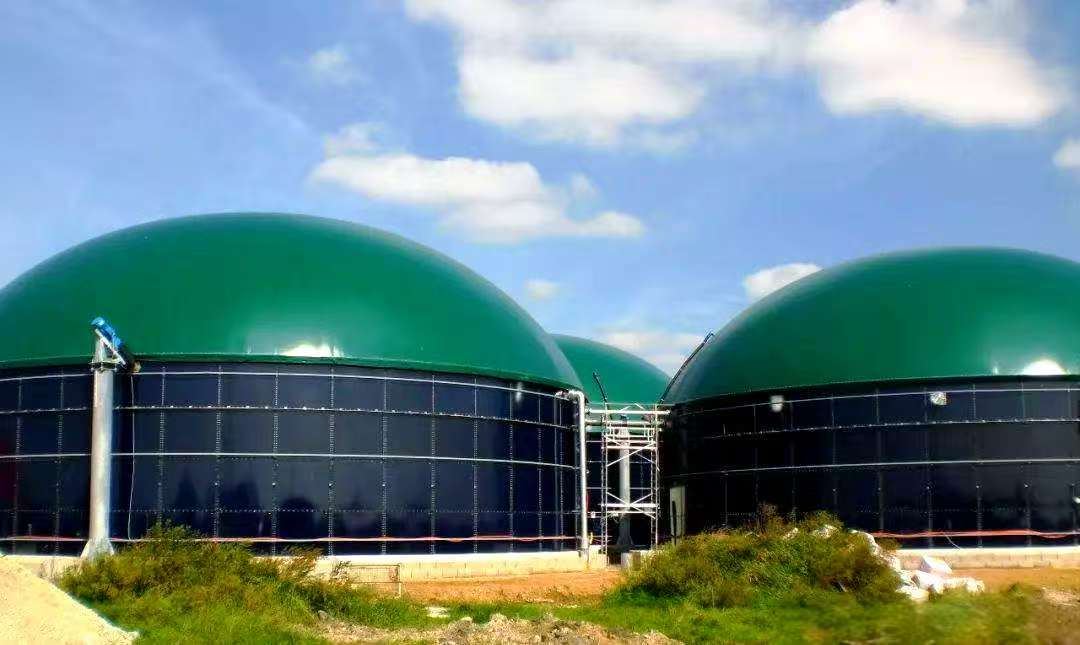
Feedstock Reception and Anaerobic Digestion
Food and market waste, manure, crop residues, organic municipal fractions and suitable organic sludge require different sorting, depackaging, size reduction, mixing and hygienic controls. Total solids, moisture, C/N ratio, biodegradability, grit, plastics and inhibitors determine digester configuration.
Product Route A — CHP Power and Heat
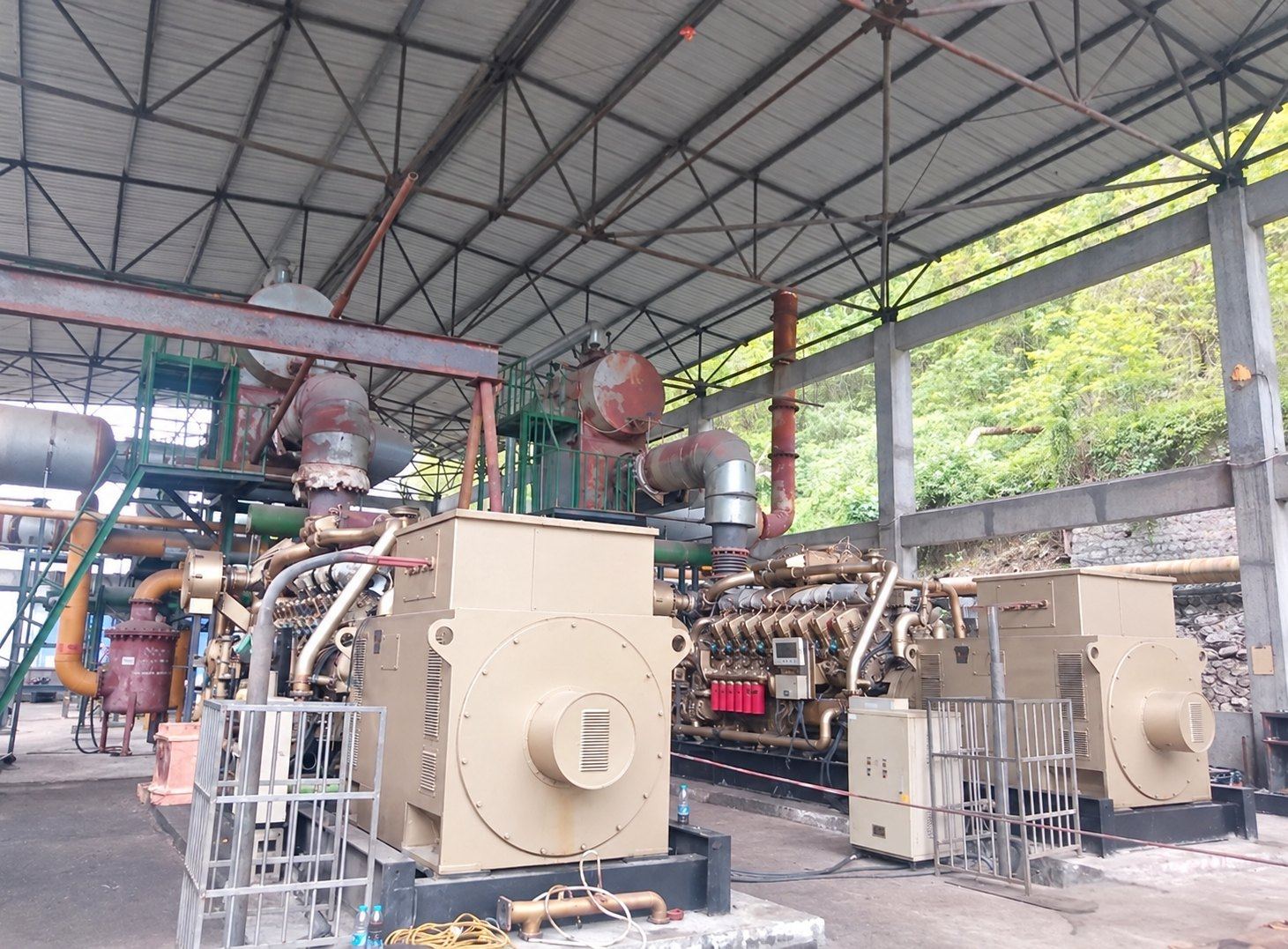
Cleaned gas passes through buffering and storage to gas-engine generators. Electrical protection, grid or internal-use interfaces and recoverable heat are developed from the verified operating profile.
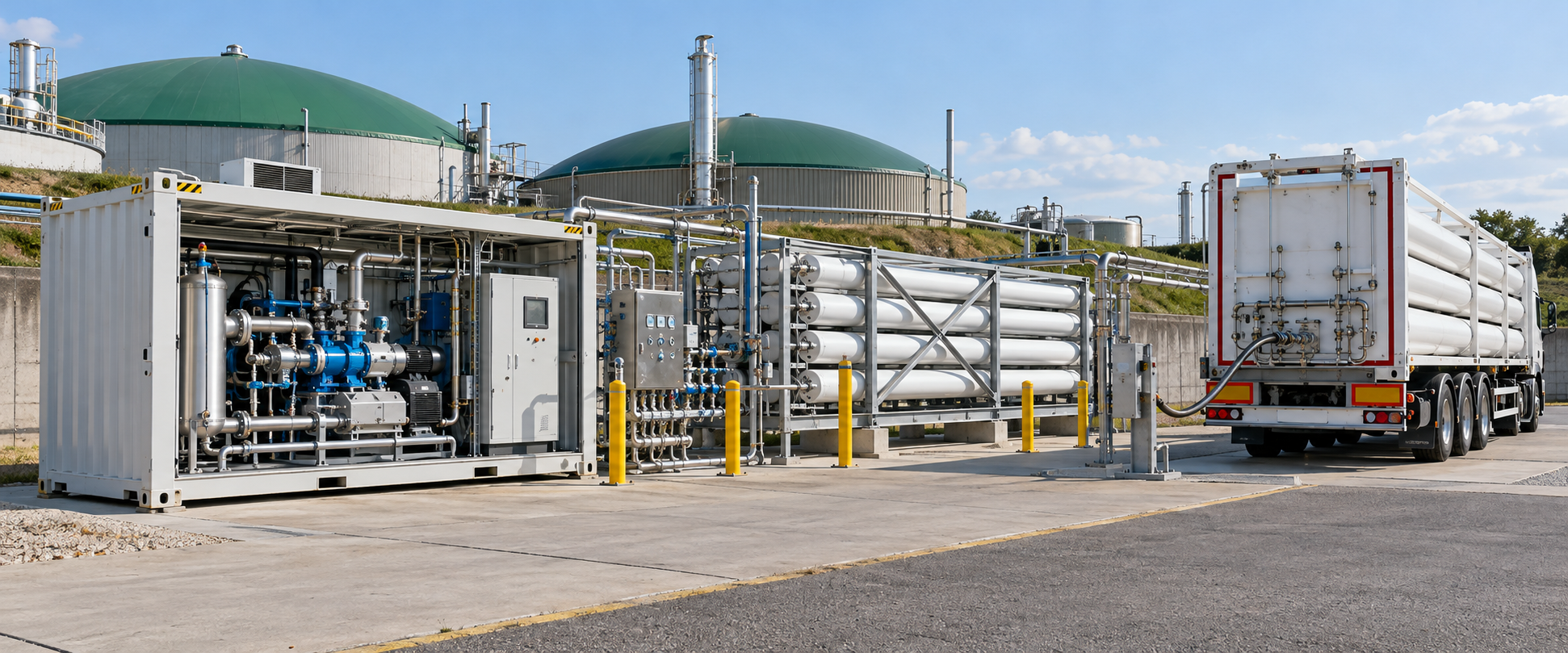
Product Route B — Relocatable Bio-CNG Mother Station and Virtual Pipeline
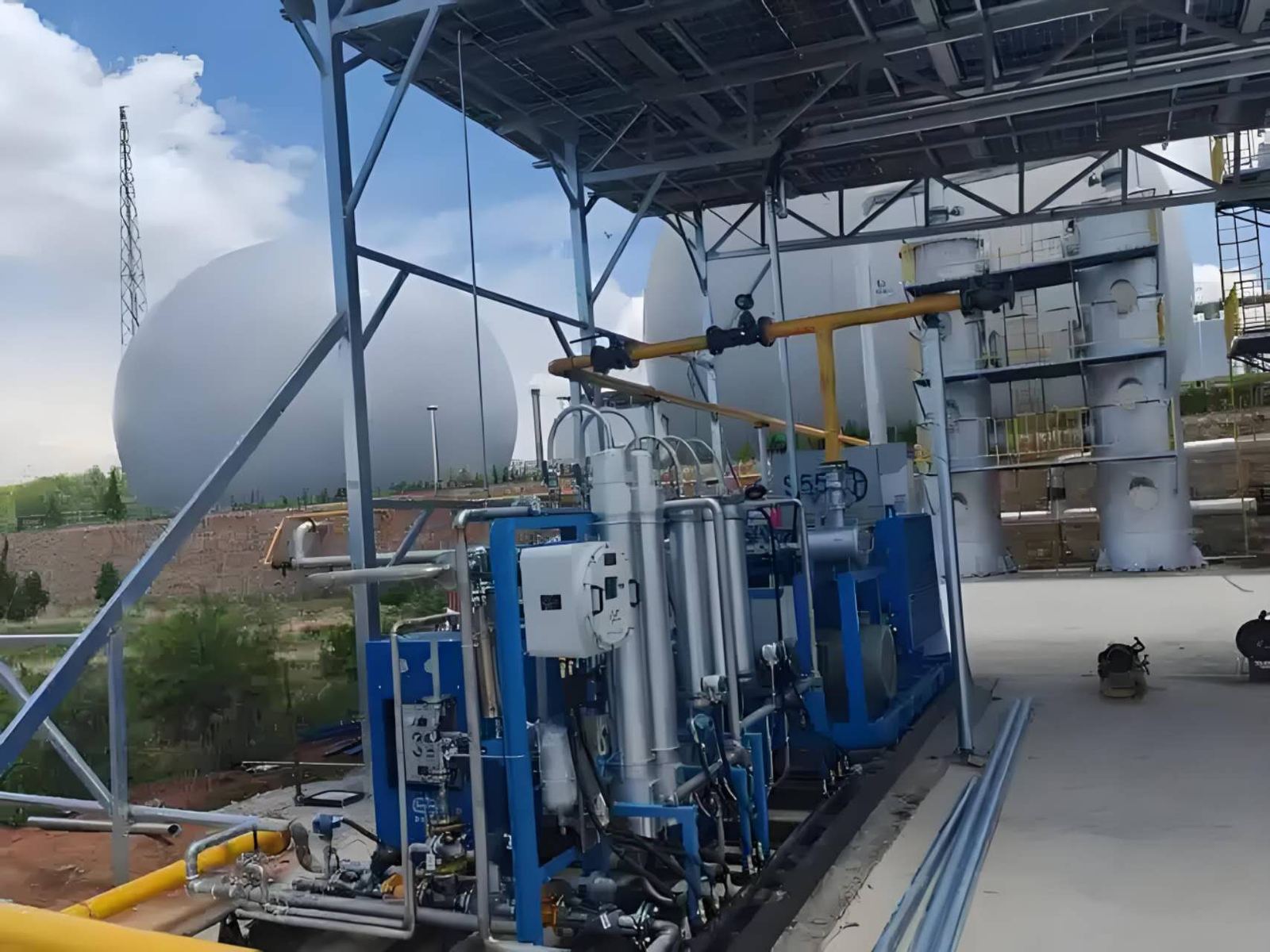
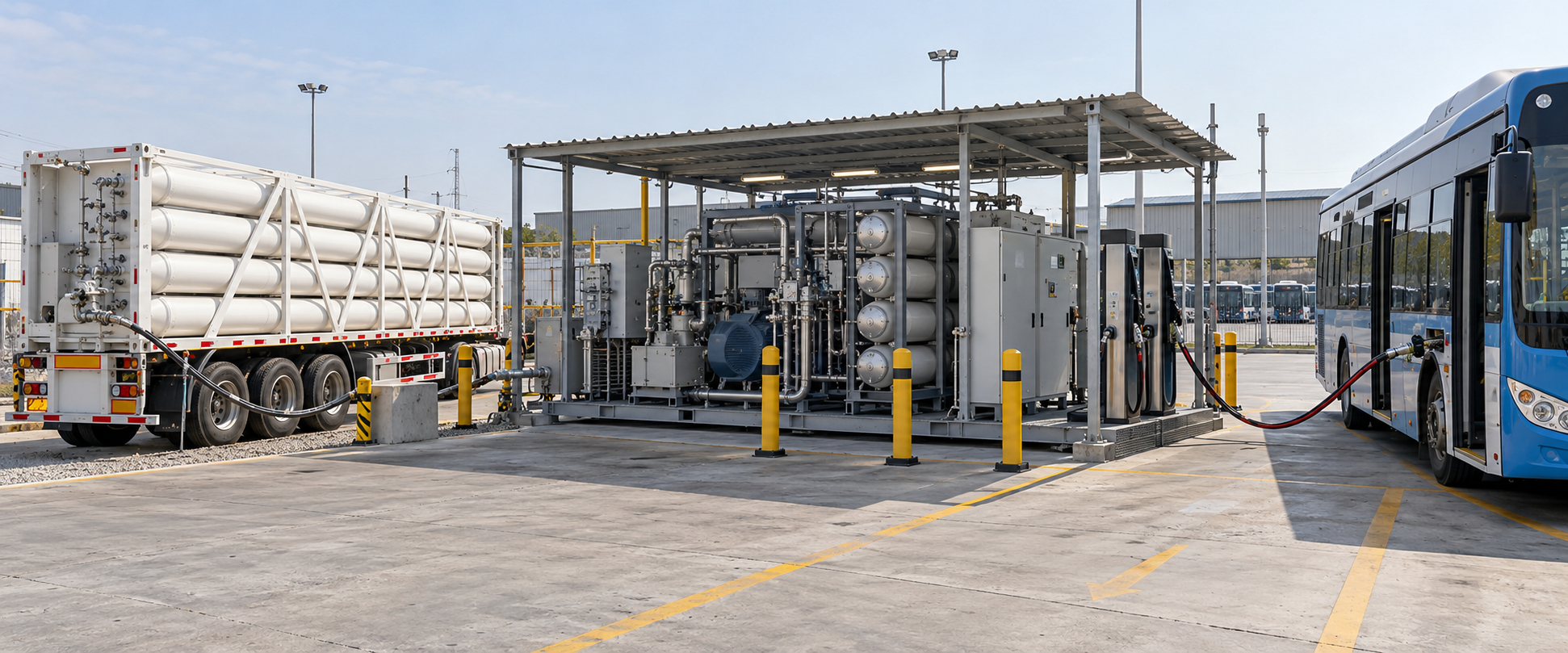
At the biogas plant, final gas polishing, analysis, compression, priority control, high-pressure cascade storage and tube-trailer loading can be supplied as crane-relocatable skids or container-sized modules. The equipment remains stationary and connected to power, cooling, earthing, controls and fire-safety systems while operating. Loaded trailers or certified CNG modules deliver gas to a mobile daughter station, industrial receiving station or local pressure-reduction network.
A daughter station is not the production mother station. It receives high-pressure gas from the trailer, recovers the remaining trailer gas through booster compression and supplies vehicles or another approved downstream user. Ordinary household LPG cylinders are not used.
Product Route C — Bio-LNG Bulk Storage and Tanker Loading
Deep purification and dehydration protect the cryogenic liquefaction unit. Insulated bulk storage, boil-off-gas management and controlled tanker loading form a separate low-temperature product route. It is not a household LPG-bottle filling system.
Design Inputs, Utilities and Cost Drivers
Customers provide seasonal feed analyses, gas-product specification, power and heat demand, CNG module, tube-trailer or Bio-LNG tanker basis, receiving-station requirements, utilities, site data, digestate route and local approvals. Cost depends on pretreatment, digester volume, gas cleaning, upgrading, compression or liquefaction, storage, digestate and odor control.
Safety and Environmental Controls
Gas detection, ventilation, emergency isolation, flare duty, hazardous-area classification, pressure protection, fire systems, odor and digestate management are integrated. See the Renewable & Clean Energy platform for the connected energy scope.
Frequently Asked Questions
What is the difference between biogas and biomethane?
Biogas is raw digester gas. Biomethane is upgraded biogas that has been cleaned to the specification required by the selected product route.
When is CHP appropriate?
CHP is evaluated where stable electricity demand, recoverable heat use and an acceptable electrical interface are available.
What is required for Bio-CNG filling?
Final gas polishing, compression, cascade storage, metering, gas-quality monitoring, filling equipment, ventilation, gas detection and emergency isolation are required.
How is Bio-CNG delivered beyond the plant?
The mother station compresses compliant biomethane into certified tube trailers or transportable high-pressure modules. A daughter or receiving station then unloads, controls pressure, meters and supplies vehicles, industrial users or an approved local network. Ordinary LPG cylinders are not used.
What additional systems are required for Bio-LNG?
Deep purification and dehydration, cryogenic liquefaction, insulated storage, boil-off-gas management and controlled tanker loading are required.
How are hydrogen sulfide and carbon dioxide removed?
Measured raw-gas composition and final gas quality determine the desulfurization and upgrading technologies and their redundancy.
What happens to digestate?
Digestate is separated and evaluated for controlled fertilizer, soil-amendment, treatment, reuse or compliant disposal routes using verified analysis.
What determines plant capacity?
Verified feed quantity and seasonality, organic loading, retention time, storage autonomy, uptime, redundancy and the confirmed gas or power outlet determine capacity.
Request a Project Evaluation
Share representative waste characterization, throughput range, required outputs, utilities, site constraints and compliance requirements.
Start the engineering evaluation