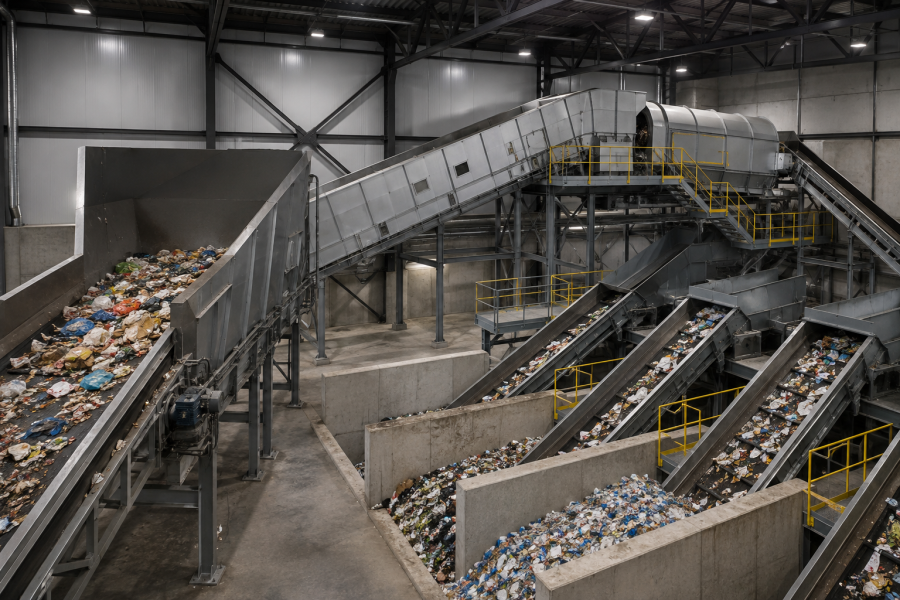
Municipal Solid Waste & Plastic Recycling
Sorting, plastics recycling and resource-recovery systems defined around the actual waste composition and required outputs.
 CHINA BENTEINDUSTRY GROUP
INDUSTRY APPLICATIONS
These sectors are representative applications—not an exhaustive limit on China Bente’s capabilities. The correct solution is selected from the actual product or feedstock, capacity, site, utilities, environmental obligations and automation needs.
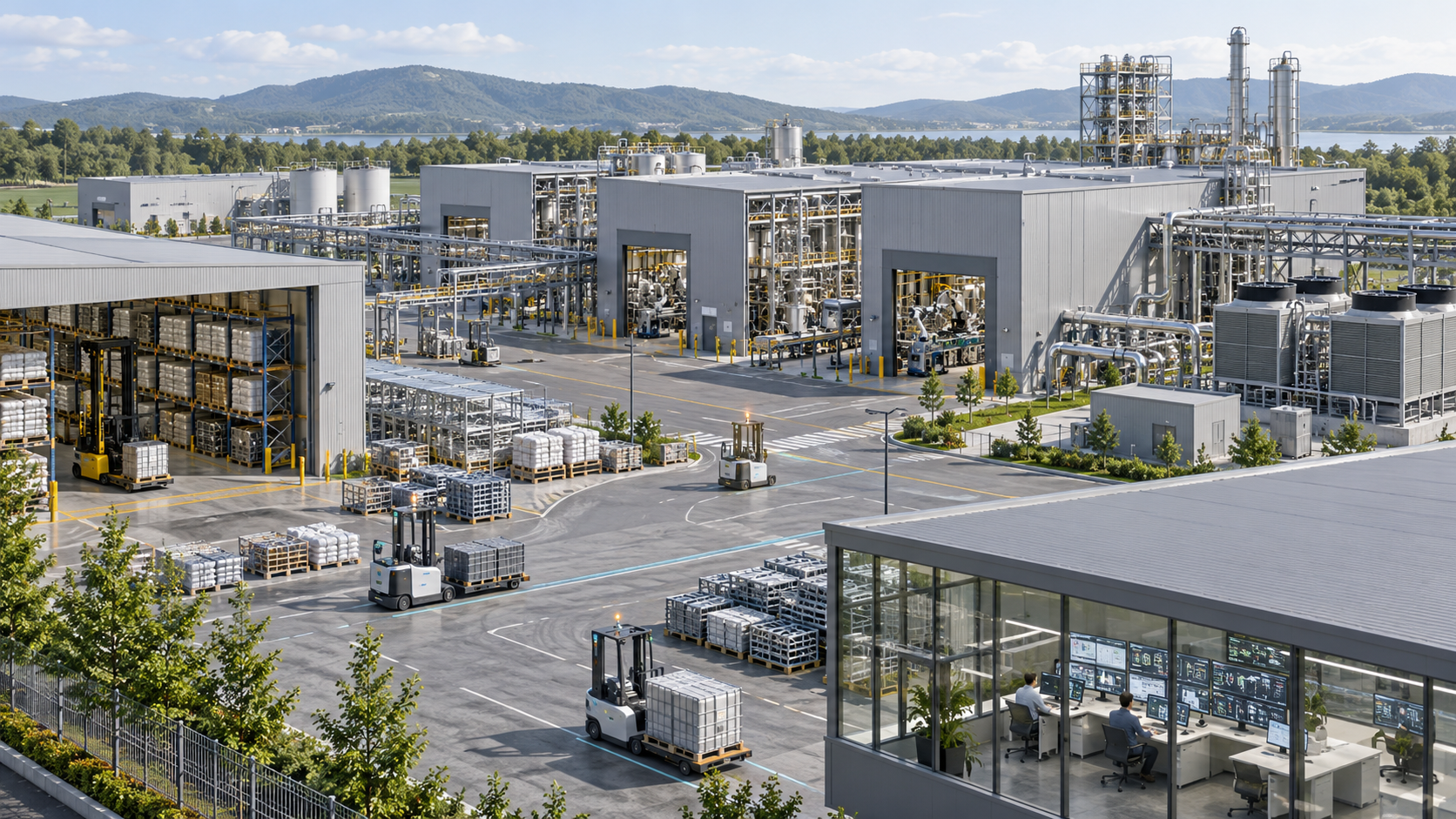
A new factory, brownfield upgrade, difficult wastewater stream, energy constraint, recoverable waste stream and automation requirement are different starting points. Each application therefore provides several accurate routes instead of one generic link.
Sorting, plastics recycling and resource-recovery systems defined around the actual waste composition and required outputs.
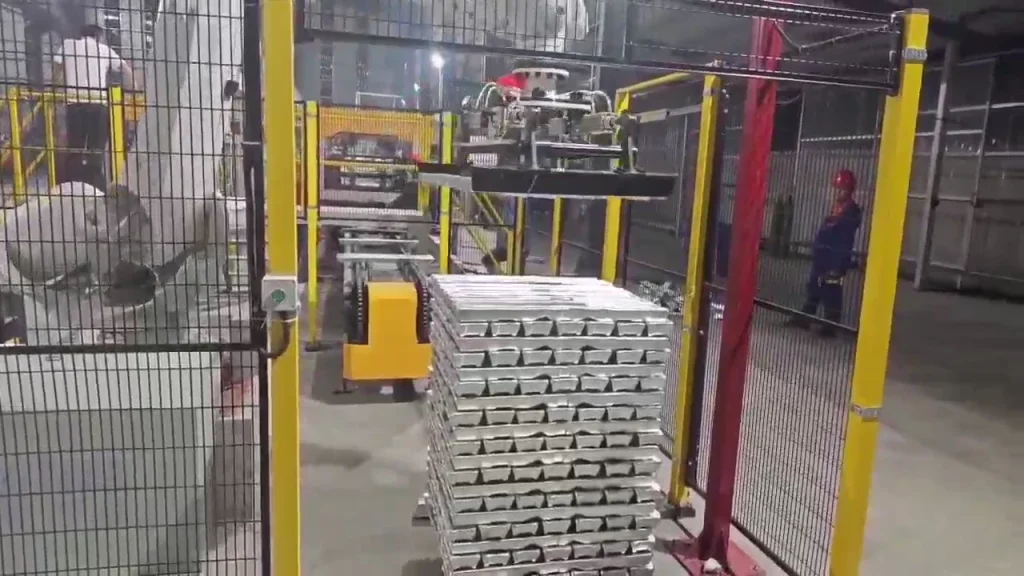
Scrap preparation, separation, ELV dismantling and secondary-metal recovery with defined material and environmental interfaces.
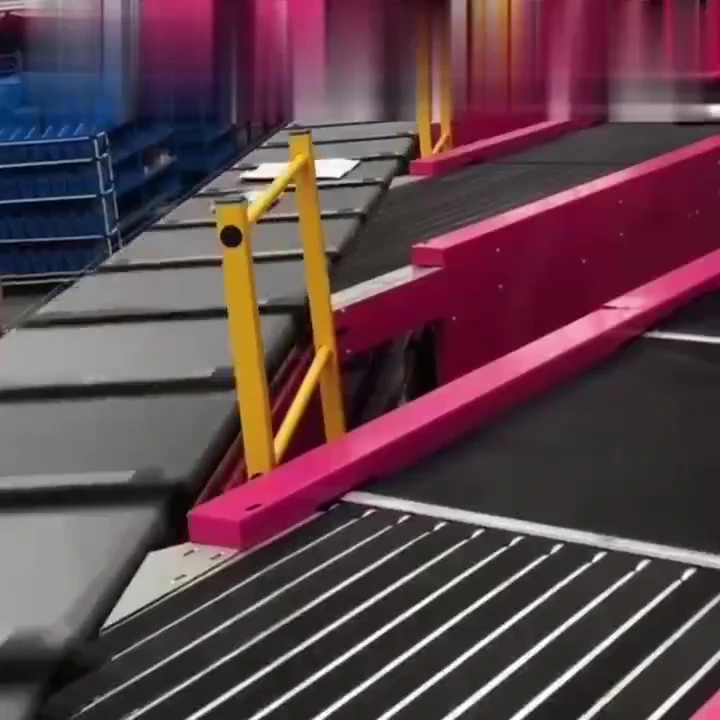
Conveying, identification, controls, automated sorting and data interfaces for logistics and material-flow systems.
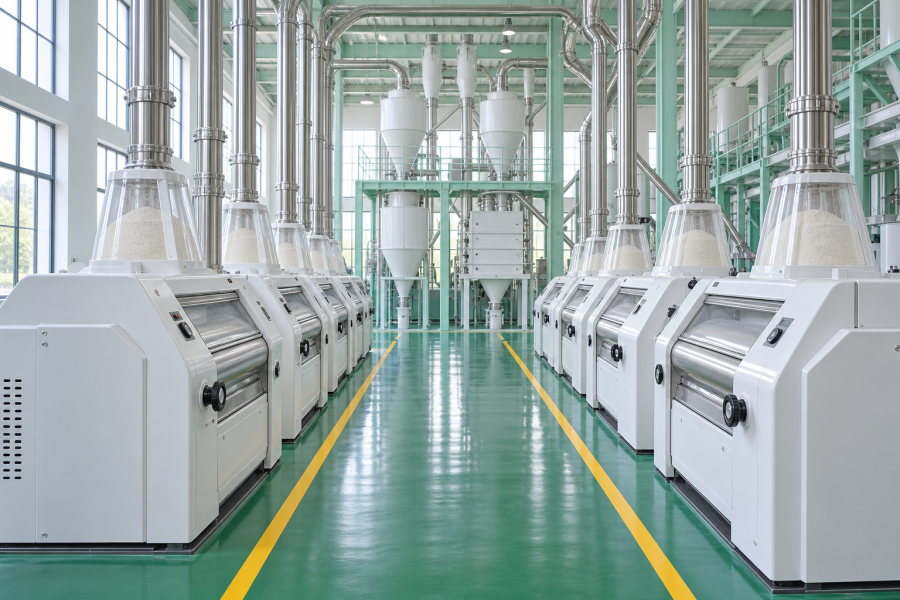
Grain, flour, feed, beverages, food products, cold-chain and agricultural value addition with hygienic utility and packaging interfaces.

Al Baha preliminary Phase 1 concept for fresh prickly pear fruit and cactus pads: field collection, receiving, de-spining and cleaning, inspection, grading, packing, pre-cooling, modular cold storage and refrigerated dispatch. The supplied design basis is a nominal 1 t/h fresh-fruit line in an approximately 1,000 m² owner-provided facility, with approximately 50–60 tons of cold storage. Deep processing is outside Phase 1.
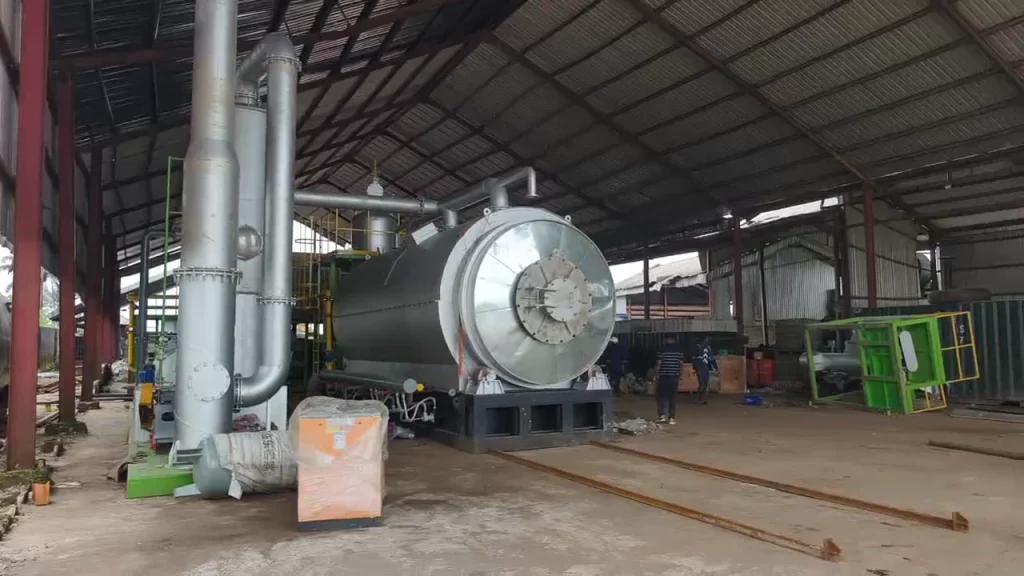
Oily sludge, hazardous residue, waste oil and difficult oily wastewater treatment selected from representative characterization.
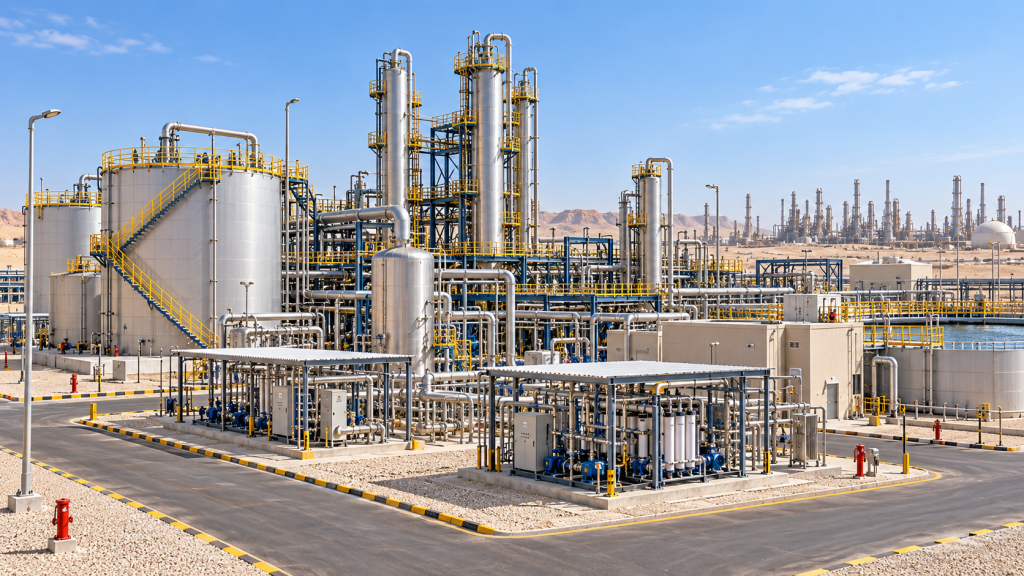
Treatment solutions for difficult petrochemical and ethylene wastewater containing high COD, sulfides, salinity and oil, designed from verified influent data and the required discharge or reuse target.
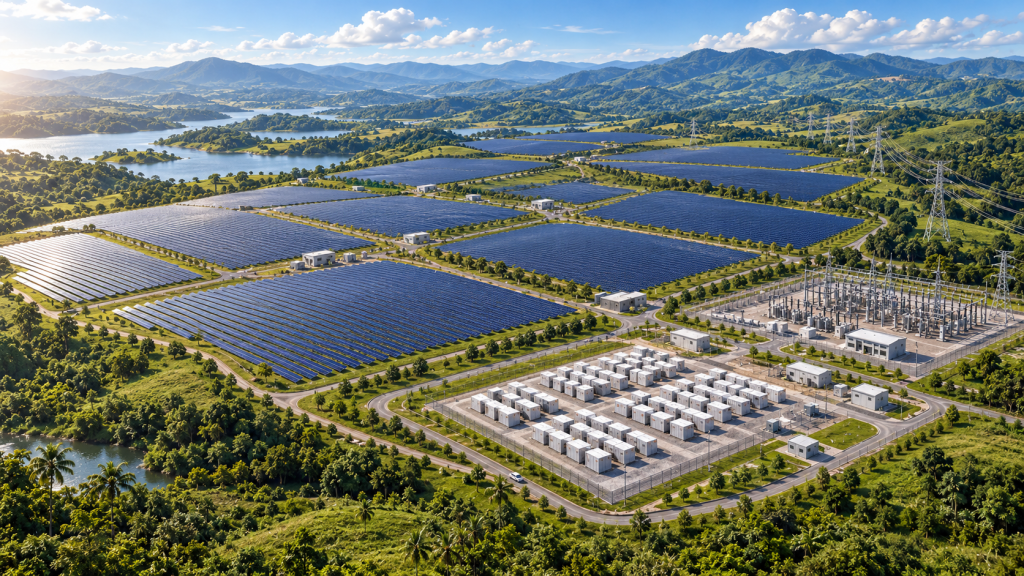
Industrial solar, BESS and microgrid integration based on the site load, grid conditions and project objectives.
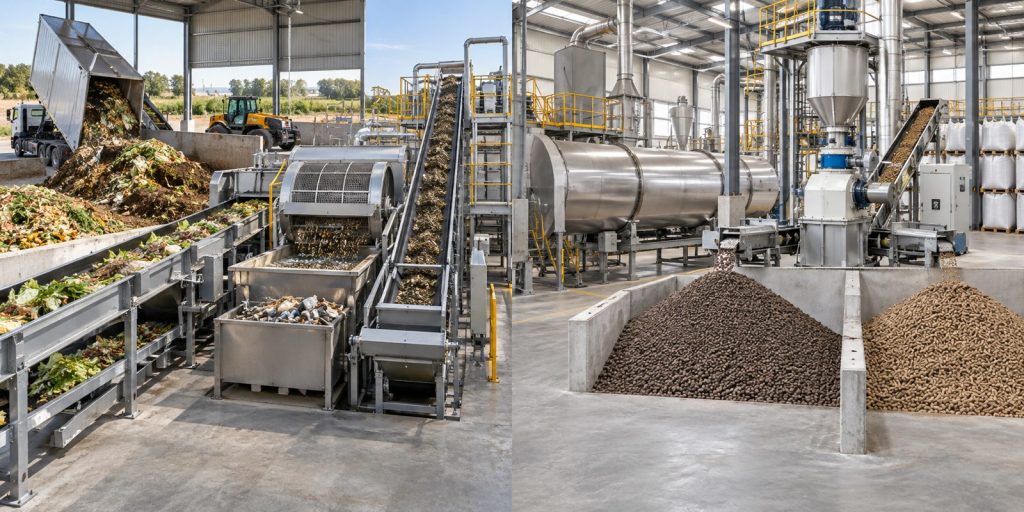
Integrated routes for slaughterhouse by-products, poultry and livestock manure, agricultural organic residues and wastewater sludge, selected for fertilizer, feed, biogas, biomethane, energy or compliant residue handling.
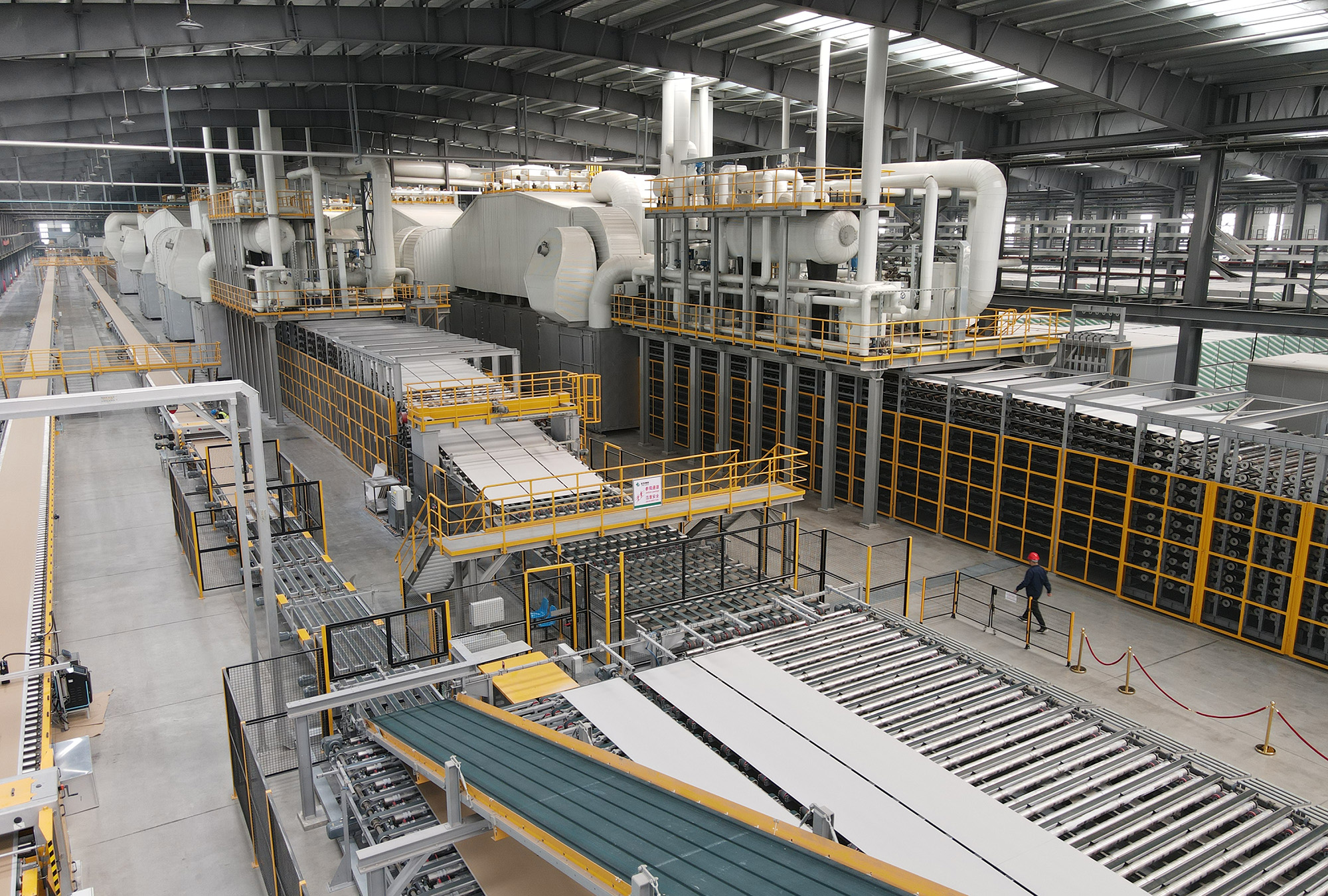
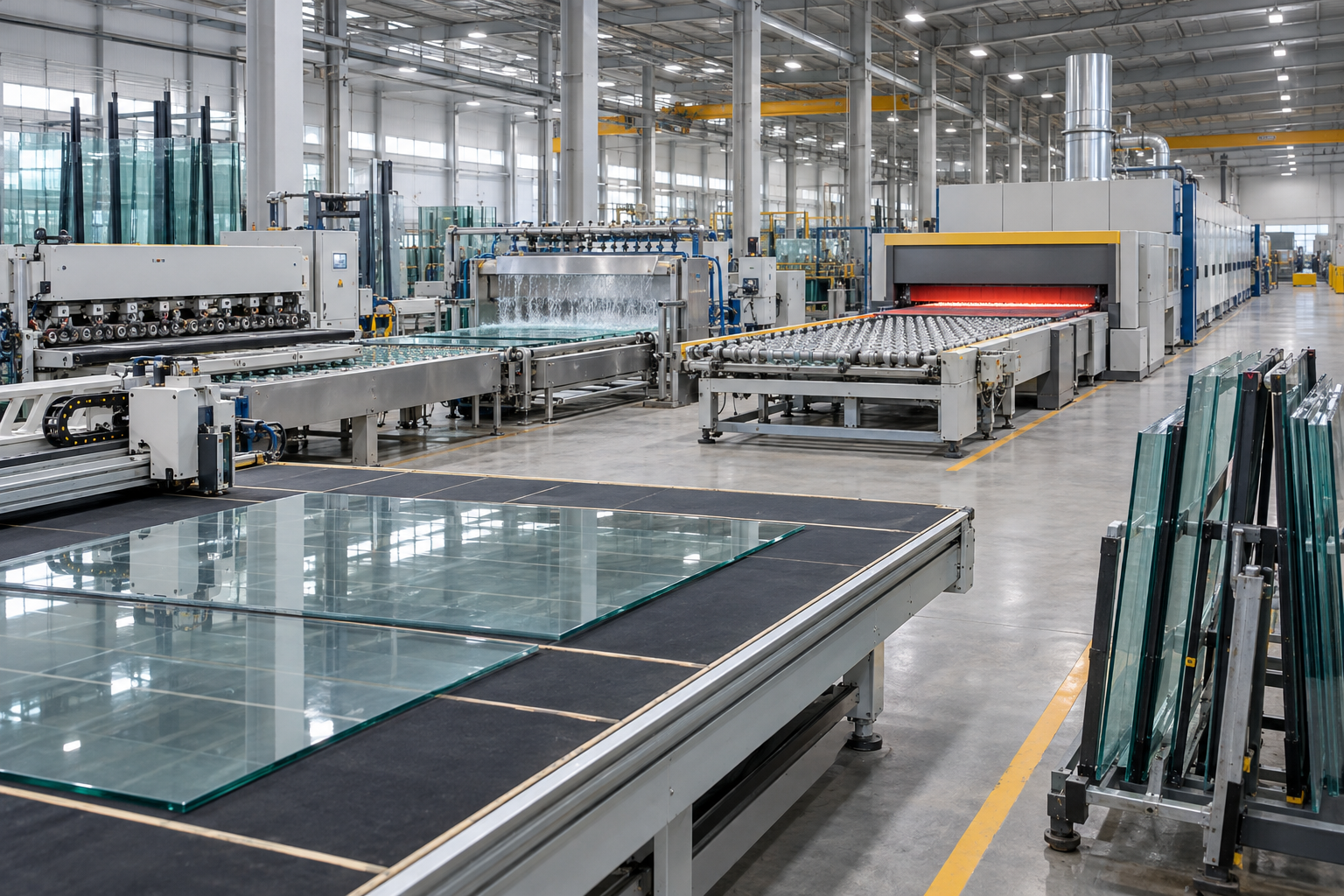
Concrete and precast systems, boards, blocks, ceramics, glass and other material-production facilities.
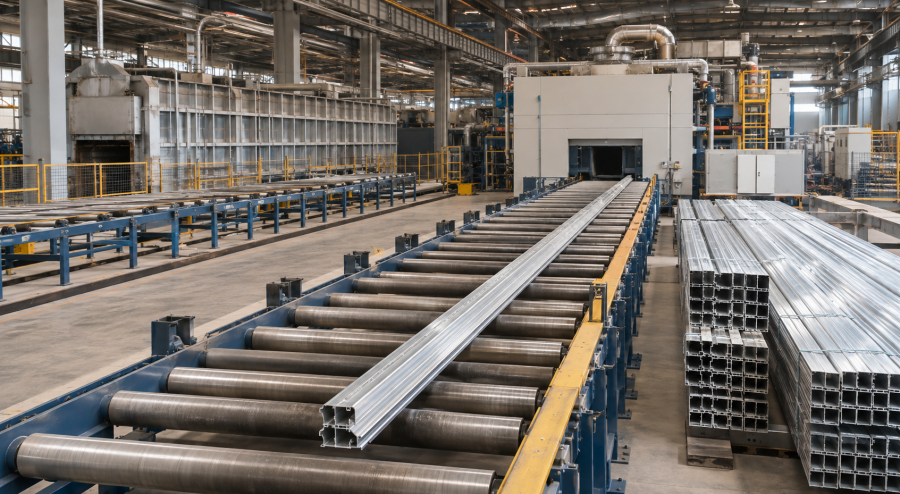
Cutting, forming, machining, welding, surface treatment, material handling and integrated metal-product manufacturing.
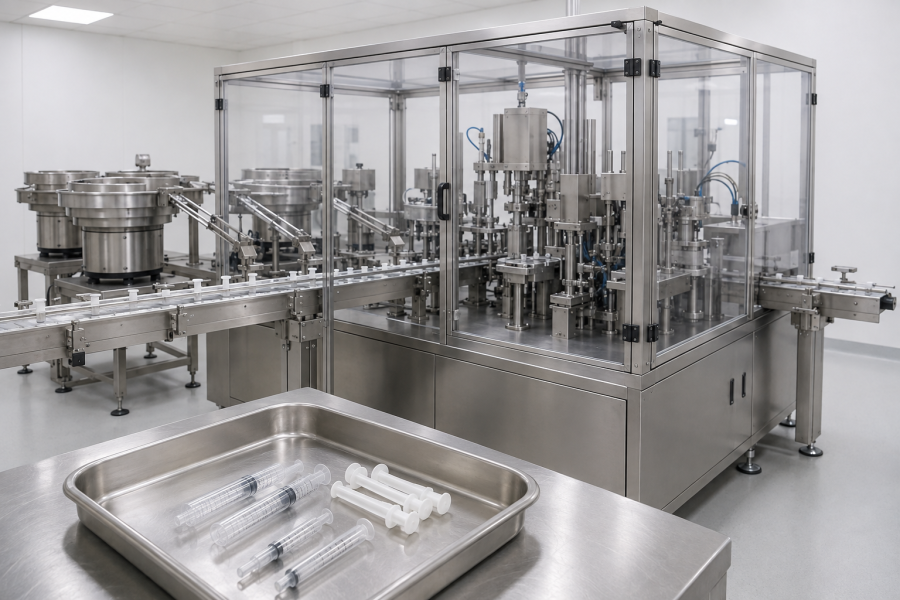
Clean manufacturing utilities, assembly, inspection and packaging interfaces for selected disposable medical products.
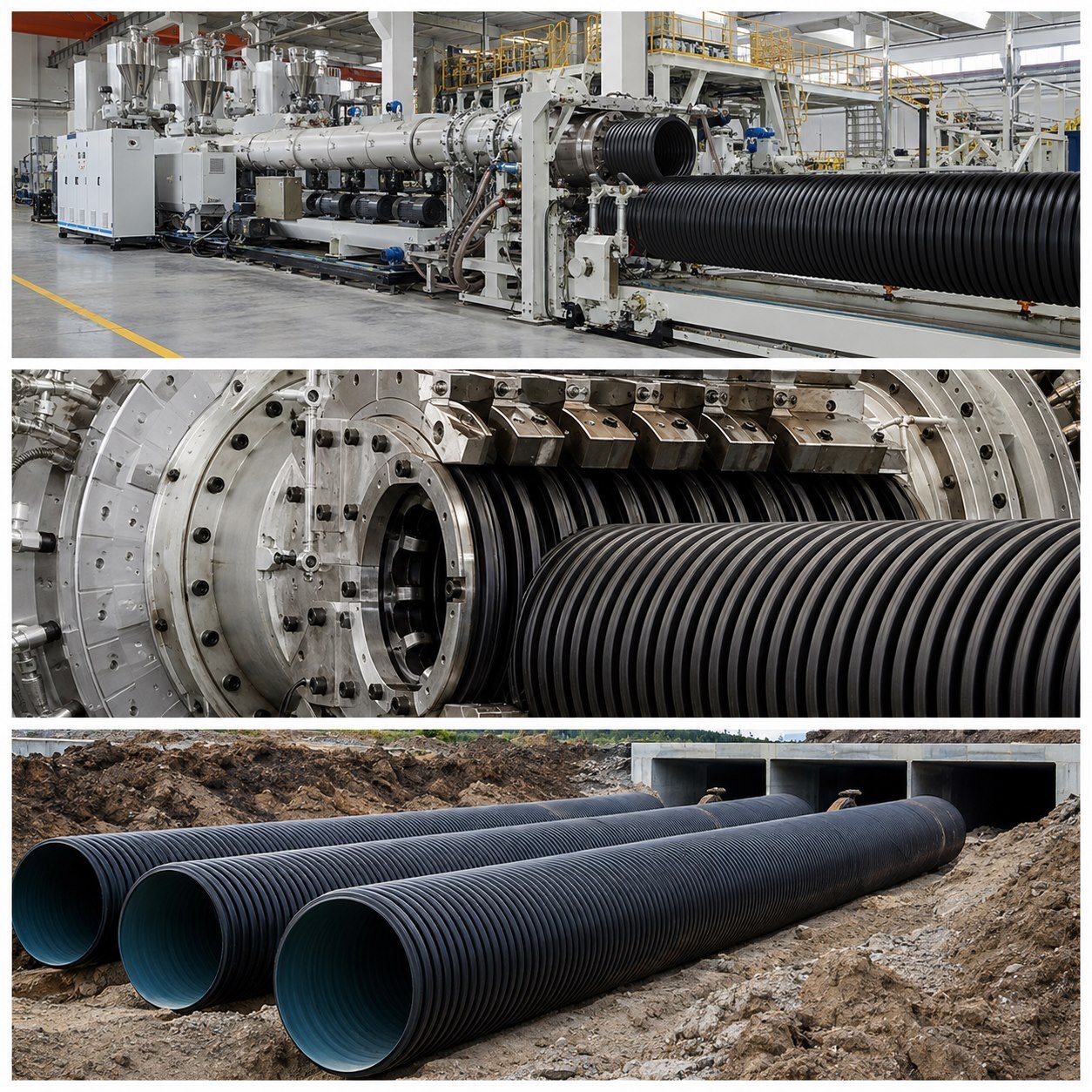
Packaging conversion, plastics processing, inspection, material handling and production-support systems.
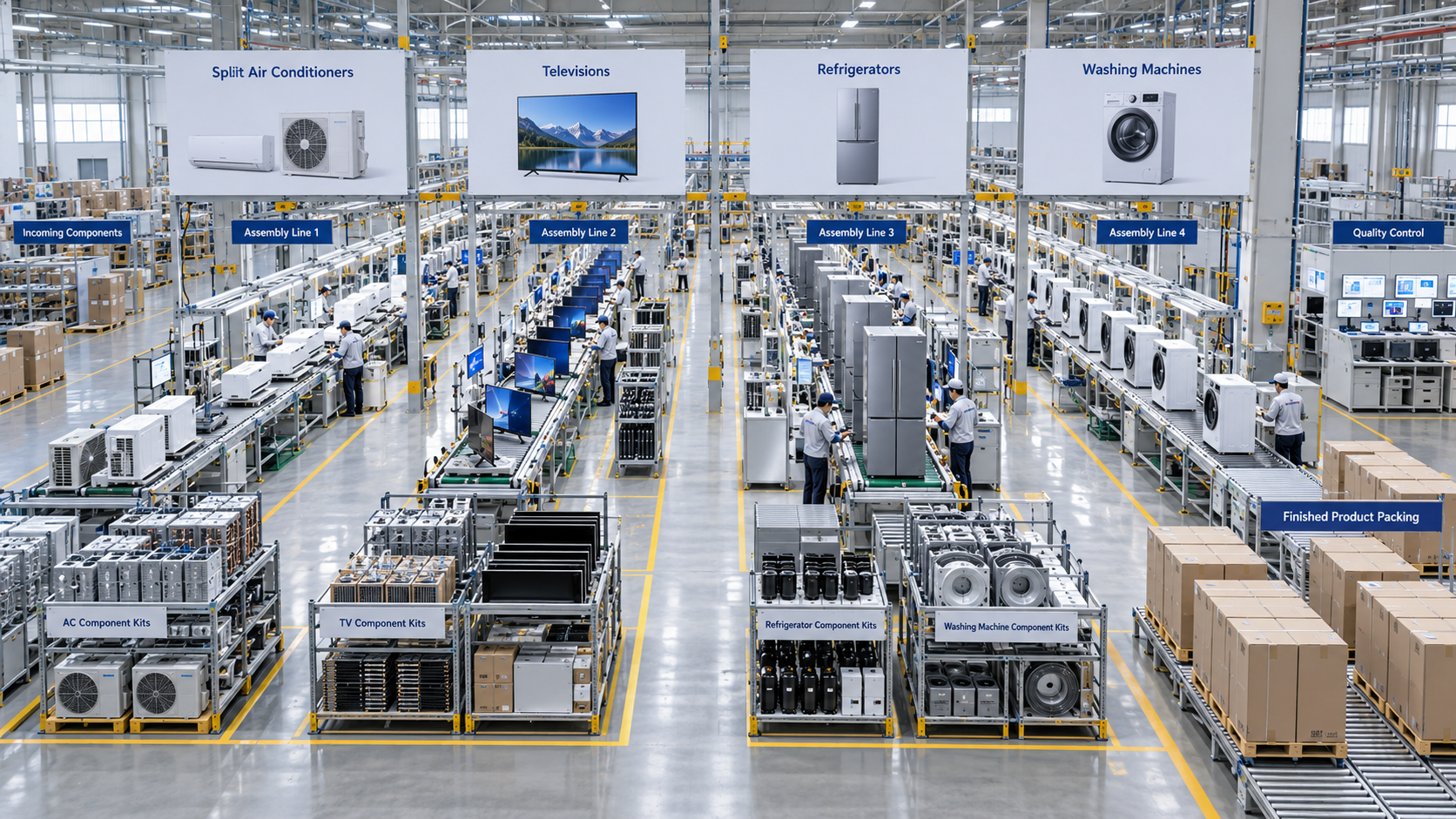
Assembly solutions for appliances, electrical and electronics products requiring wiring, programming, testing and traceability.
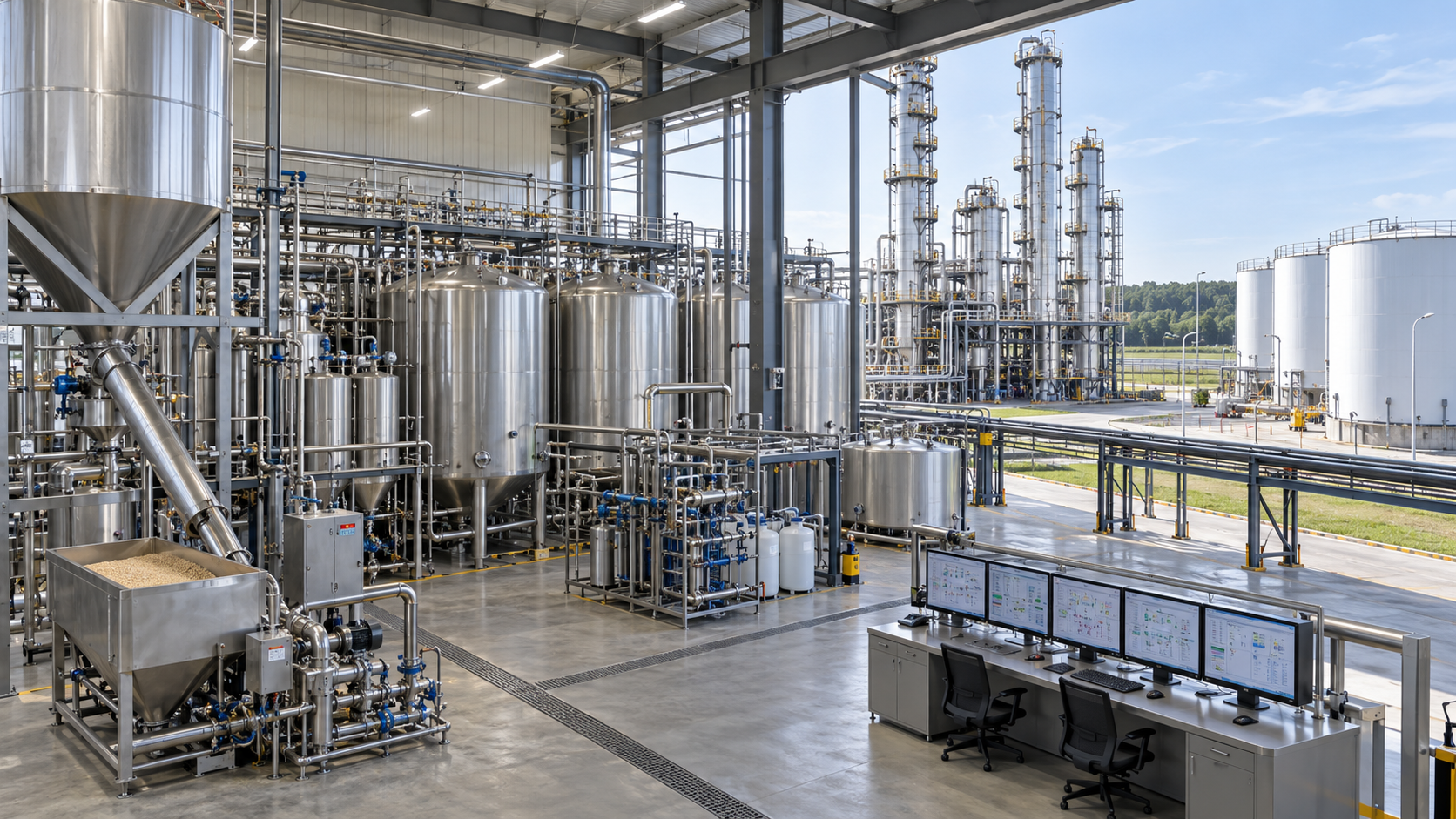
Feed preparation, fermentation, distillation, dehydration, storage, CIP, utilities, wastewater and energy-recovery interfaces.
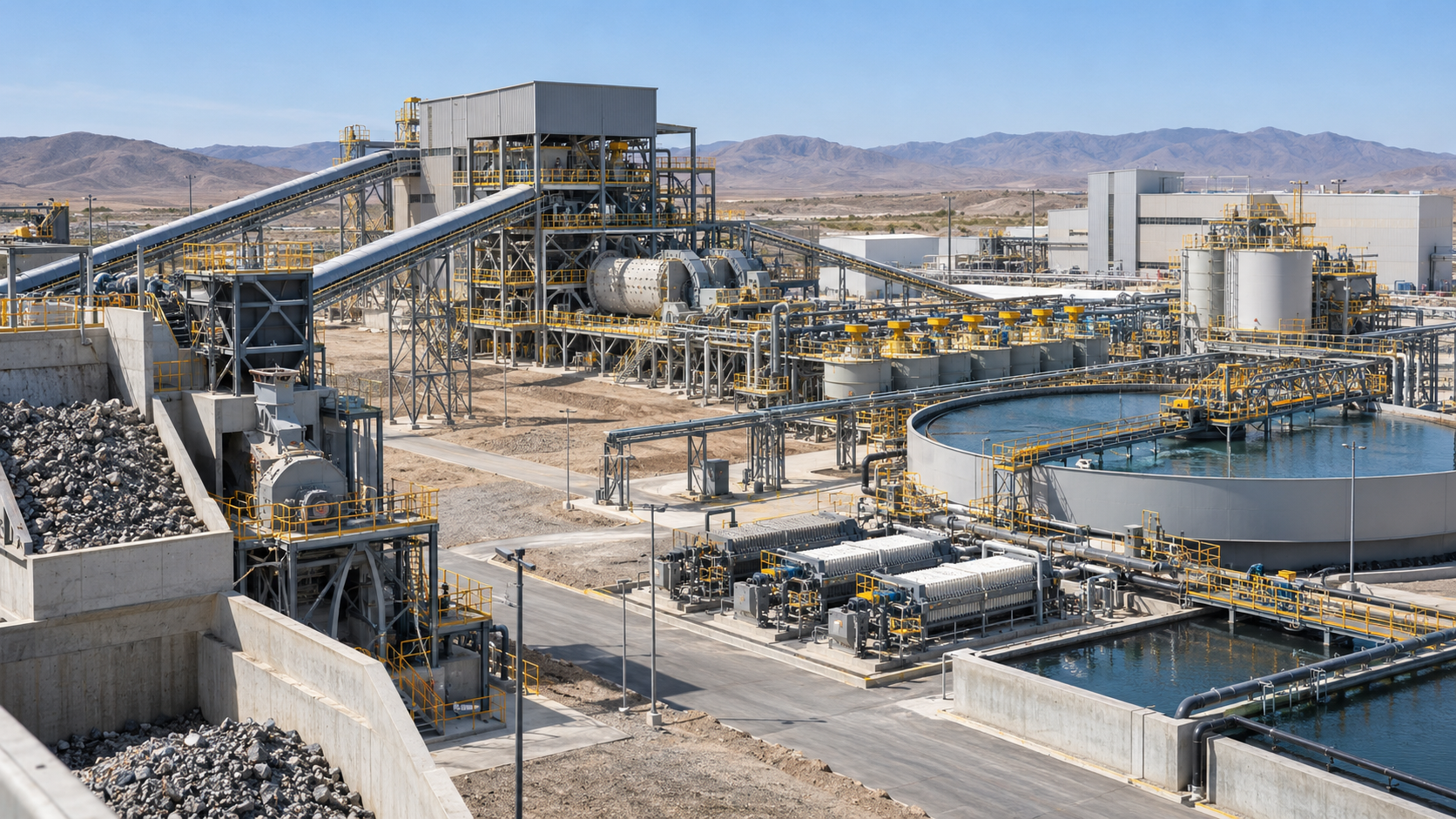
Crushing, grinding, beneficiation, dewatering, tailings and water reuse, recovery and refining interfaces selected from ore tests.
For sectors not shown, the route is selected from product, feedstock, capacity, site, utilities, environment, energy and automation requirements.
China Bente serves representative applications across industrial manufacturing, petrochemical and refinery operations, oil and gas residues, municipal waste, plastics, secondary metals, food and beverage, power and energy storage, logistics, medical manufacturing and other project-specific sectors.
No. They are representative applications. The correct solution is selected from the product or feedstock, capacity, site, utilities, environmental obligations and automation needs of the actual project.
Yes. A project may combine Turnkey Factory EPC, modernization, difficult wastewater, renewable energy, waste recovery and SMART systems within a clearly defined scope and interface matrix.
Provide the product or feed, design capacity, operating hours, quality target, site conditions, utility availability, environmental requirements, automation needs and schedule basis.